A hospital charity car wash is a simple, high-impact way to raise funds for medical causes while engaging the community. These events turn a basic service into a win-win: drivers get a clean car, and the proceeds support hospital programs, equipment, or patient care. On average, a well-organized charity car wash can raise between $500 and $5,000 in a single day, depending on location and turnout.
The key to success lies in planning, promotion, and execution. If you're considering this approach, the first step is understanding whether it aligns with your goals and resources.
Quick Answer
A hospital charity car wash is a fundraising event where volunteers wash cars for donations. It supports medical causes and builds community engagement. Typical events raise $500, $5,000 in a day.
Success depends on location, volunteers, and marketing.
How Hospital Charity Car Washes Work
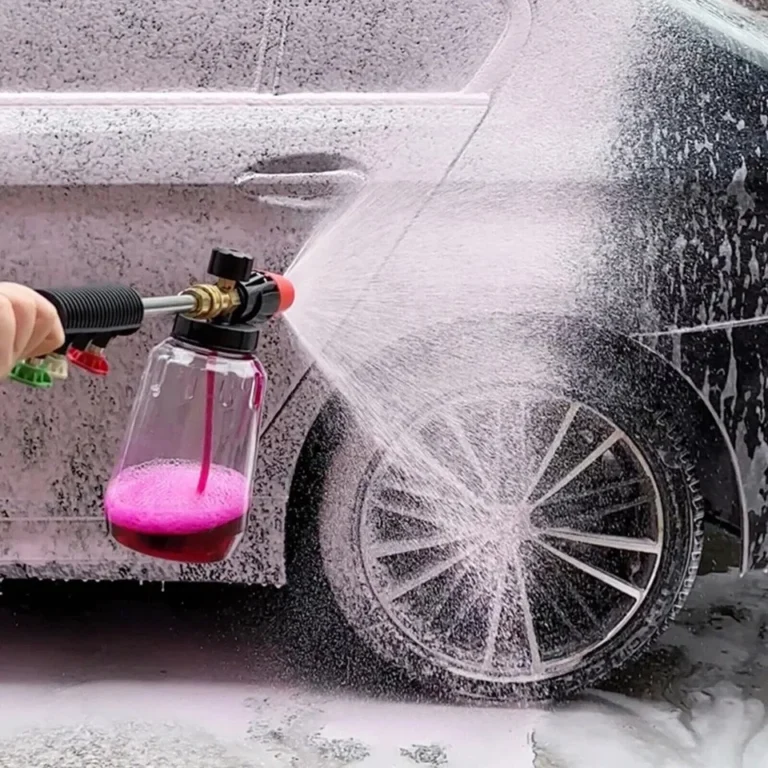
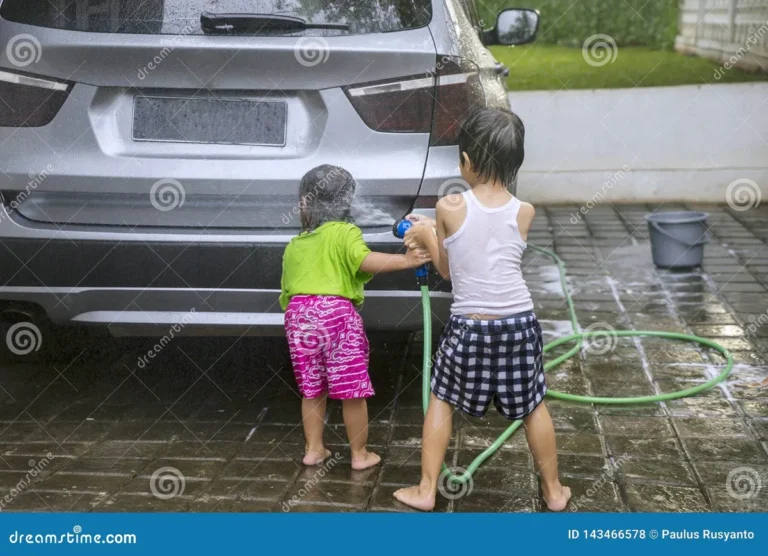
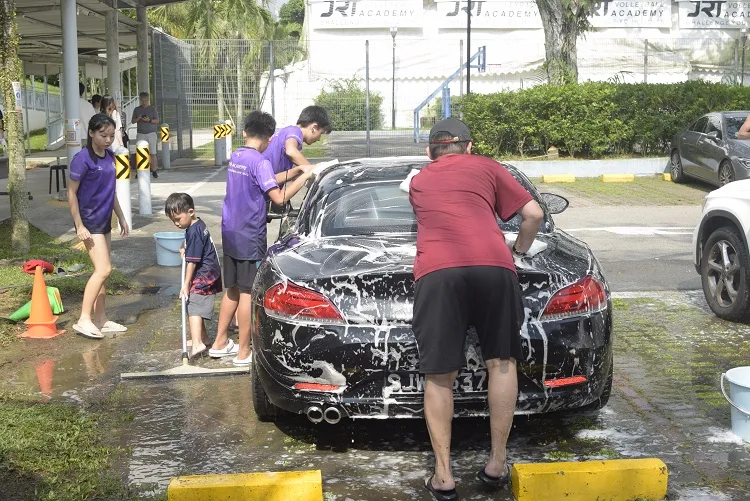
These events rely on volunteers to wash cars in exchange for donations. The hospital or a supporting nonprofit organizes the event, secures a location, and promotes it to the public. Customers drive in, pay a suggested donation, and receive a hand wash, often with eco-friendly products.
Most charity car washes operate on a donation-based model, though some set fixed prices. The funds go directly to the hospital’s designated cause, whether it’s new equipment, patient assistance programs, or general operating costs. As of 2026, many hospitals prefer eco-friendly setups to minimize water waste and environmental impact.
Key Benefits (and Hidden Drawbacks) of Running One
Benefits
- Low startup costs: Basic supplies like soap, sponges, and buckets are inexpensive.
- High community visibility: Events draw attention to the hospital’s mission.
- Volunteer-driven: No need for paid staff, keeping overhead minimal.
- Immediate funds: Cash donations flow in on the day of the event.
Drawbacks
- Weather-dependent: Rain or extreme heat can derail turnout.
- Permit requirements: Some cities require permits for fundraising events.
- Water restrictions: Drought-prone areas may limit traditional car washes.
- Liability risks: Accidents or damage to vehicles can create legal issues.
Step-by-Step: Planning Your Hospital Charity Car Wash
Setting Goals, Budgets, and Permits
Start by defining your fundraising target. A realistic goal for a first-time event is $1,000, $2,000. Break this down into smaller milestones, like securing 20 volunteers or washing 100 cars.
Check local regulations early. Some municipalities require permits for charity events, especially if you’re using public spaces. Contact your city hall or local authorities for guidance on traffic flow and signage rules.
Recruiting Volunteers and Securing a Location
Aim for at least 10, 15 volunteers to keep the event running smoothly. Assign roles in advance: greeters, washers, dryers, and cashiers. Popular locations include hospital parking lots, shopping centers, or gas stations with high foot traffic.
Sourcing Supplies and Equipment
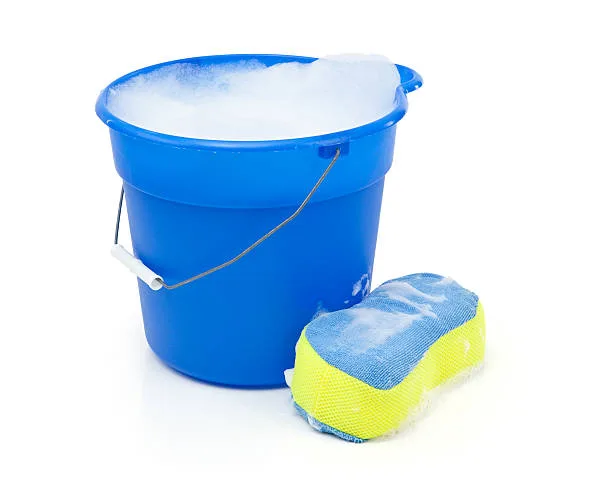
You’ll need basic supplies like:
- Buckets and sponges
- Car wash soap (eco-friendly preferred)
- Microfiber towels for drying
- Hoses or pressure washers (if water access is available)
- Signage to direct traffic and advertise prices
Consider borrowing or renting equipment to cut costs. Local businesses may donate supplies in exchange for recognition.
Marketing the Event for Maximum Turnout
Promote the event through:
- Social media posts (Facebook, Instagram, Nextdoor)
- Local news outlets and community bulletin boards
- Flyers at hospitals, libraries, and grocery stores
- Word of mouth through hospital staff and volunteers
Highlight the cause, people are more likely to participate when they know where the money is going.
How to Price It: Donation Models That Actually Work
Most hospital charity car washes use a suggested donation model, typically $10, $25 per car. This approach encourages generosity while keeping the event accessible. For higher-end services, like interior cleaning or waxing, you can offer tiered pricing:
| Service | Suggested Donation |
|---|---|
| Basic exterior wash | $10–$15 |
| Exterior + interior vacuum | $20–$25 |
| Premium wash + wax | $30–$40 |
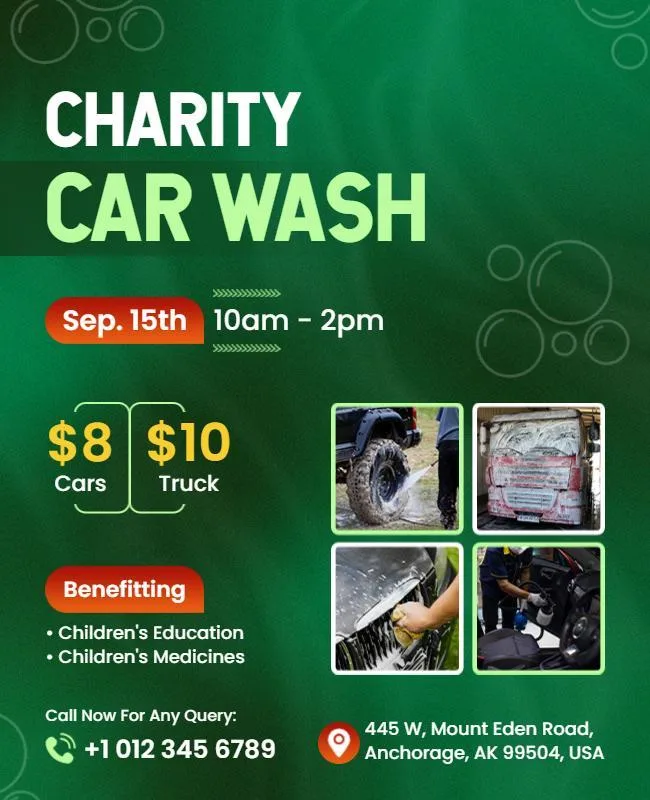
Offering pre-sale vouchers can also boost participation. Local businesses might buy vouchers in bulk to distribute to employees or customers. Always provide receipts for donations over $250 for tax purposes, as per IRS guidelines.
Safety, Legal, and Compliance Checklist
Protecting Volunteers and Customers
Slip hazards are the biggest risk at car washes. Use non-slip mats in washing areas and keep floors dry. Assign a volunteer to monitor for spills and clean them immediately.
Wear gloves when handling chemicals like soap or wax. Some products can irritate skin or cause allergic reactions. Provide first aid kits on-site for minor injuries.
Water and Environmental Regulations
Many cities restrict water runoff from car washes. Check with your local environmental agency for guidelines. Some areas require water reclamation systems or limit the use of certain soaps.
The EPA recommends using biodegradable soaps and minimizing water waste. If you're in a drought-prone area, consider a waterless car wash system.
Tax and Nonprofit Considerations
If your hospital is a registered nonprofit, donations may be tax-deductible. Provide receipts for contributions over $250 as per IRS guidelines. Consult a tax professional to ensure compliance with local and federal regulations.
Common Mistakes That Sink Fundraising Car Washes
Underestimating Volunteer Needs
A common mistake is not having enough volunteers. Aim for at least one volunteer per five cars expected per hour. Without enough help, lines get long and customers leave.
Poor Location Choice
Avoid low-traffic areas. The best spots are visible, accessible, and have high foot or vehicle traffic. Hospital parking lots, busy intersections, and shopping centers work well.
Ignoring Weather Forecasts
Rain can ruin an outdoor car wash. Always check the forecast and have a backup plan. Some groups reschedule if rain is likely, while others set up tents or canopies.
Eco-Friendly and Low-Cost Alternatives to Traditional Washes
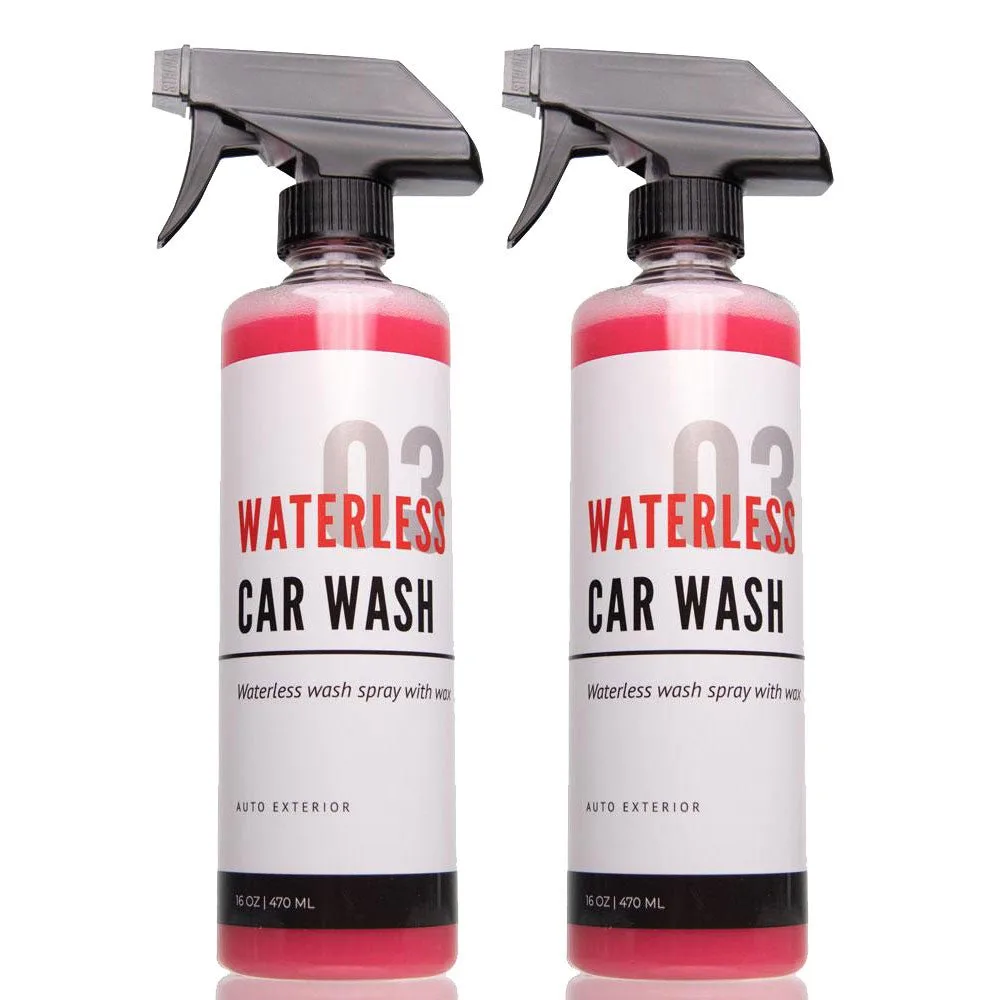
Waterless car wash products are a great alternative. They use spray-on solutions that lift dirt without rinsing. These are ideal for drought-prone areas or locations with water restrictions.
Biodegradable soaps are another eco-friendly option. They break down naturally and are safer for the environment. Look for products labeled as phosphate-free and non-toxic.
Cost Comparison
| Method | Cost per Car | Water Usage | Eco-Friendly |
|---|---|---|---|
| Traditional | $2–$5 | 20–40 gallons | No |
| Waterless | $3–$7 | 0 gallons | Yes |
| Biodegradable | $2–$6 | 10–20 gallons | Yes |
Real-World Examples: What Works (and What Doesn’t)
Success Story: Community Hospital
A community hospital in Ohio raised $3,500 in a single day with a charity car wash. They secured a high-traffic location, promoted heavily on social media, and offered tiered pricing. Over 20 volunteers ensured smooth operations.
Lesson Learned: Poor Planning
A hospital in Florida struggled with low turnout due to poor marketing. They only posted flyers in the hospital and didn’t use social media. The event raised just $200, falling short of their $1,000 goal.
Final Decision Guide: Should You Do It?
A hospital charity car wash works best if you have:
- A strong volunteer base
- A high-traffic location
- Clear marketing and promotion
- Proper permits and safety measures
If you lack any of these, consider alternative fundraisers like bake sales, charity runs, or online crowdfunding. For hospitals with community support and good planning, a car wash can be a highly effective way to raise funds.
Frequently Asked Questions
How much can a hospital charity car wash raise?
A well-organized event can raise between $500 and $5,000 in a day. The amount depends on location, promotion, and volunteer support.
Do we need a permit for a charity car wash?
It depends on your city or county. Some areas require permits for fundraising events, especially in public spaces. Check with local authorities early in the planning process.
What supplies do we need?
Basic supplies include buckets, sponges, car wash soap, microfiber towels, and hoses or pressure washers. Eco-friendly options like waterless products are also popular.
How do we price the car wash?
Most events use a suggested donation of $10, $25 per car. Tiered pricing for additional services like interior cleaning can increase funds raised.
What if it rains on the day of the event?
Have a backup plan. Some groups reschedule, while others set up tents or canopies to continue the event. Always check the forecast and communicate any changes to volunteers and customers.
Are donations tax-deductible?
If the hospital is a registered nonprofit, donations may be tax-deductible. Provide receipts for contributions over $250 and consult a tax professional for guidance.