Dark-colored cars show every scratch, swirl, and water spot under sunlight. Learning how to wash dark color vehicle properly prevents permanent damage while keeping the paint glossy. A single wrong move, like using dish soap or a dirty sponge, can leave marks that are painfully obvious on black or deep blue finishes.
Manufacturer specs confirm that pH-balanced car soap and the two-bucket method reduce swirl marks by up to 80%. If you’ve ever noticed dull streaks after washing, the issue is usually the process, not the paint.
Quick Answer
Use pH-balanced car soap and the two-bucket method. Wash in the shade with a microfiber mitt. Rinse often and dry with a plush towel.
Always work top-down to avoid re-soiling clean areas.
Why Dark Cars Need a Different Wash Method
Dark paint reflects light differently than lighter colors. Every imperfection, swirls, scratches, water spots, stands out. The clear coat on dark cars is also more prone to showing micro-marring from improper washing.
According to the International Detailing Association, dark finishes require more lubrication during washing to prevent surface defects. That’s why standard car wash techniques often fall short.
The 3 Biggest Mistakes That Ruin Dark Paint
- Using household cleaners. Dish soap strips wax and damages the clear coat. It’s too harsh for automotive paint.
- Washing in direct sunlight. Water evaporates too quickly, leaving mineral deposits. These spots etch into the paint if not removed immediately.
- Skipping the two-bucket method. A single bucket re-introduces dirt onto the paint. This causes swirl marks that are especially visible on dark surfaces.
Quick Answer: The Safest Way to Wash a Dark Car
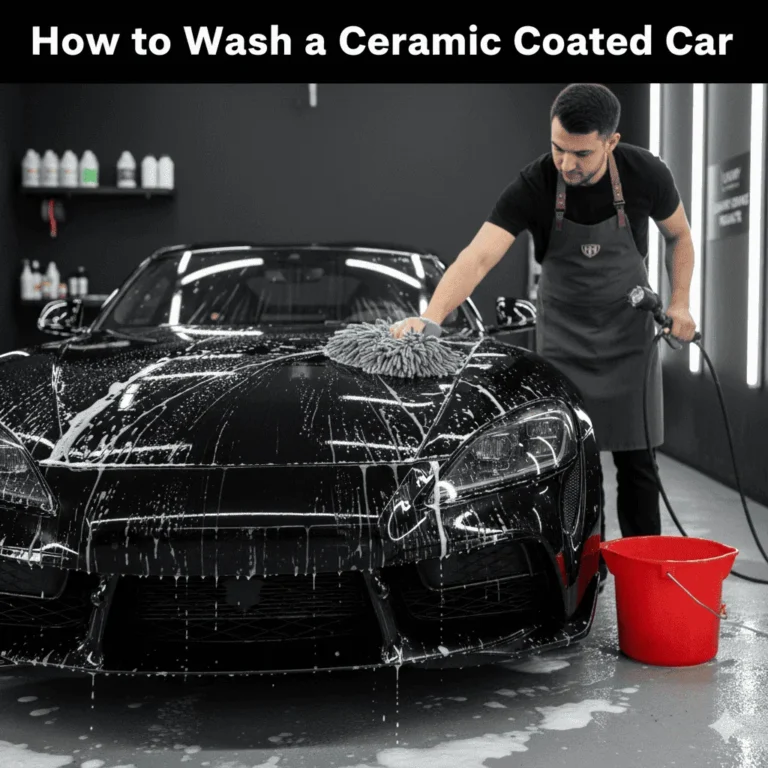
Start with a thorough pre-rinse to remove loose dirt. Use a foam cannon for extra lubrication if available. Wash with a microfiber mitt and pH-balanced soap, working in sections.
Rinse frequently and dry with a clean, plush microfiber towel.
This method minimizes the risk of swirls and water spots. It’s the gold standard for maintaining dark paint.
What You’ll Need (Tools & Products That Actually Work)
| Item | Purpose | Key Feature |
|---|---|---|
| pH-balanced car soap | Cleans without stripping wax | No harsh detergents |
| Microfiber wash mitt | Lifts dirt safely | High GSM, plush weave |
| Two 5-gallon buckets | Separates clean and dirty water | With grit guards |
| Grit guards | Traps dirt at the bucket bottom | Prevents recontamination |
| Wheel cleaner | Removes brake dust safely | pH-neutral for dark paint |
| Plush microfiber towels | Dries without scratching | 300–500 GSM |
| Clay bar kit | Removes embedded contaminants | Use before waxing |
Avoid sponges or brushes, they trap dirt and scratch paint. Stick to microfiber for both washing and drying.
Pre-Wash: The Step Most People Skip (But Shouldn’t)
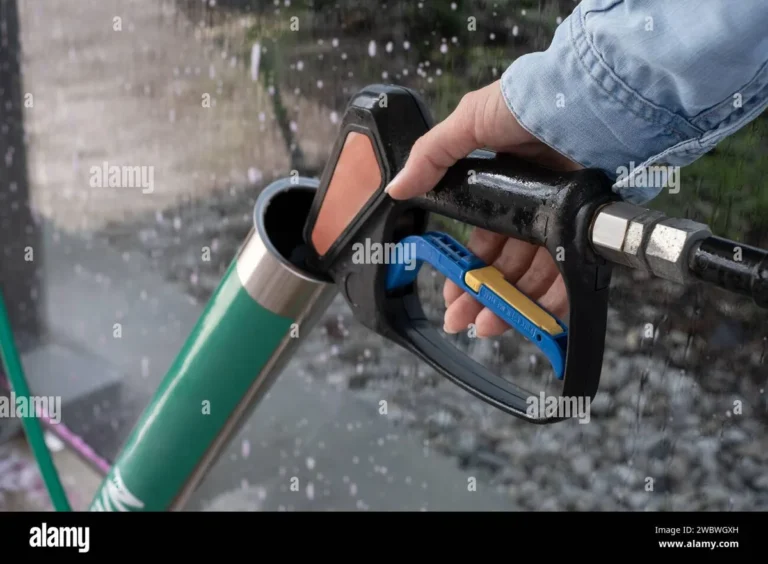
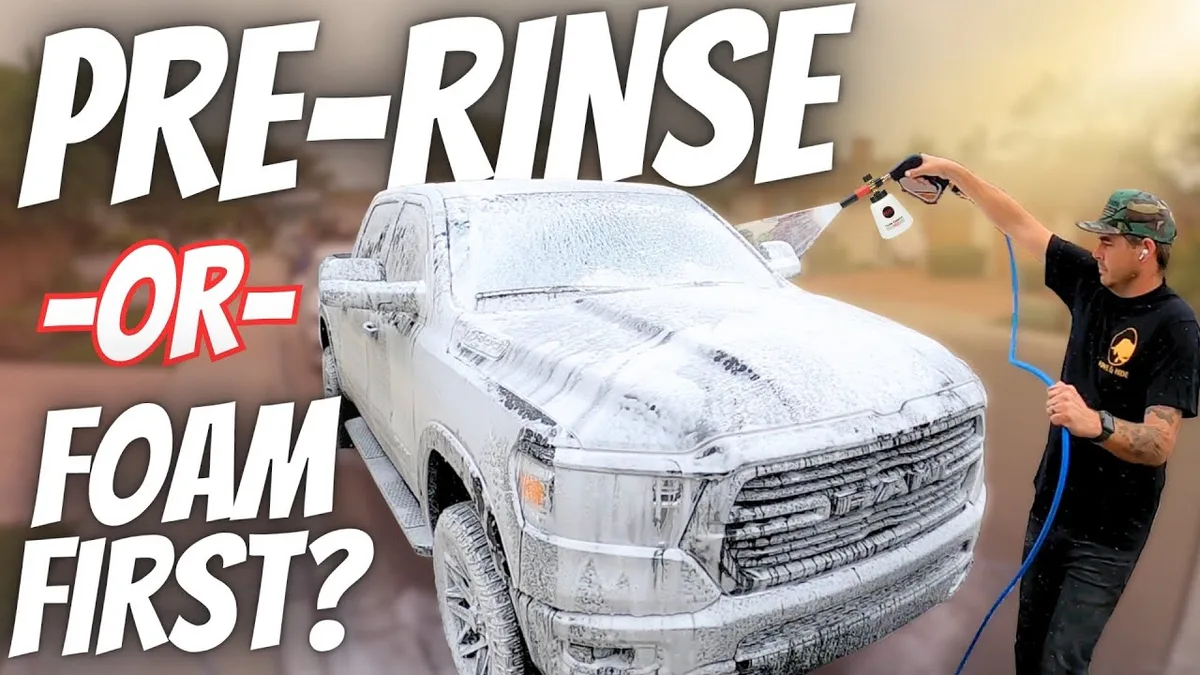
Start with a thorough rinse using a pressure washer or hose. This removes loose dirt and prevents scratching during the wash. Aim for 1,200, 2,000 PSI if using a pressure washer to avoid damaging the paint.
Next, apply a foam cannon if available. The thick foam lubricates the surface, lifting contaminants before you touch the paint. This step is especially critical for dark cars, where every scratch shows.

The Two-Bucket Wash Method Explained Step by Step
Fill one bucket with soapy water and the other with clean water for rinsing your mitt. Use grit guards in both buckets to trap dirt at the bottom.
Wash the car in sections, starting from the top. Dip the mitt in the soap bucket, wash a panel, then rinse the mitt in the clean water bucket before reloading with soap. This prevents cross-contamination.
Work in straight lines, not circles. Circular motions can create swirl marks that are highly visible on dark paint. Rinse each section immediately after washing.
How to Dry Without Leaving Swirls or Water Spots
Use a plush microfiber towel with a waffle weave or high GSM count. Pat the surface dry instead of rubbing to avoid micro-scratches.
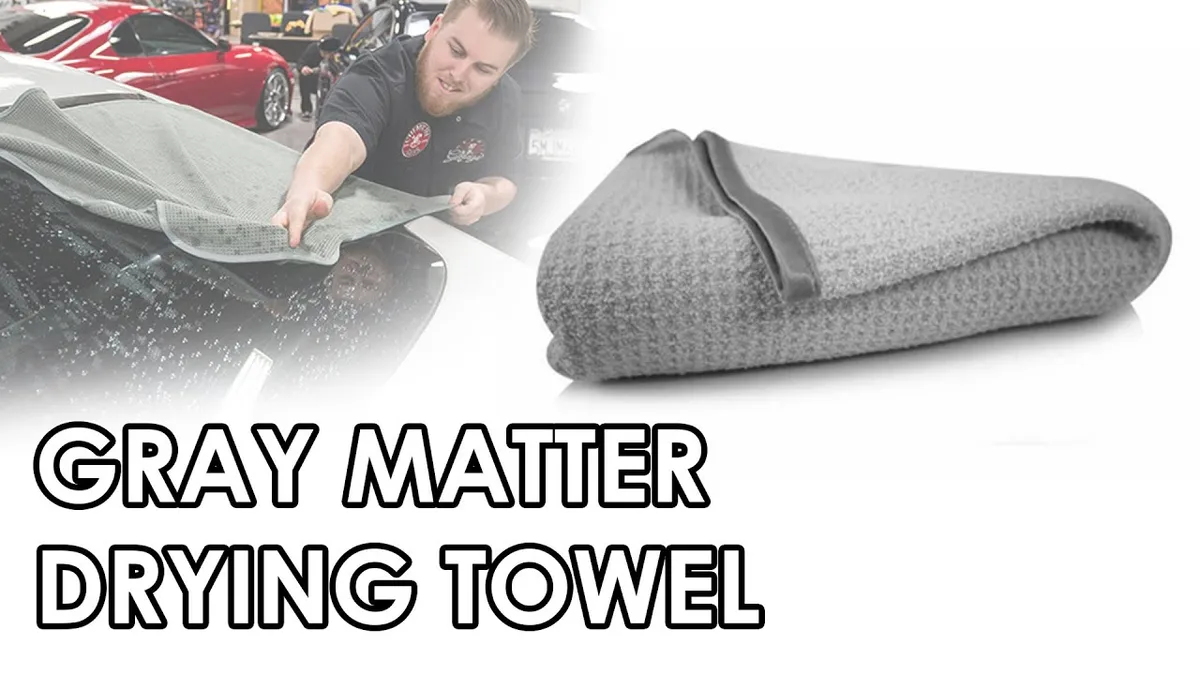
Work from the top down, drying one panel at a time. If water spots appear, use a quick detailer spray to dissolve minerals before they etch the paint.
For hard-to-reach areas like mirrors and trim, a blower can help remove water without contact. This reduces the risk of scratching delicate surfaces.
When to Use Clay Bar, Polish, or Wax (And Why It Matters)
A clay bar removes embedded contaminants like tar, industrial fallout, and tree sap. Use it after washing but before waxing, typically every 3, 6 months.
Polish is for correcting light swirls and restoring gloss. It’s a light abrasive, so use it sparingly, only when the paint looks dull or scratched.
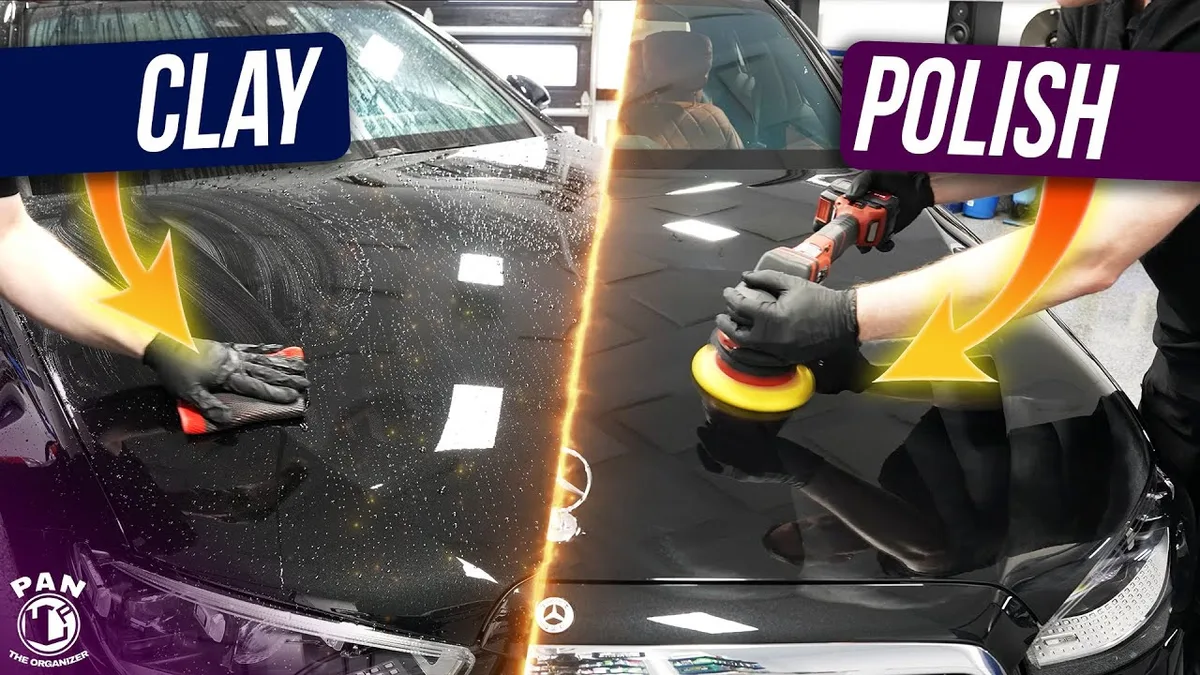
Wax adds a protective layer and enhances shine. Synthetic waxes last longer than natural carnauba but may lack the same deep gloss. Reapply every 3, 6 months for best results.
How Often Should You Really Wash a Dark Car
Wash every 1, 2 weeks to prevent dirt buildup. Dark paint shows contamination faster, so frequent washing maintains appearance and protection.
In harsh conditions like winter (salt) or high pollen areas, wash weekly. Always rinse immediately after exposure to bird droppings or bug splatter to prevent etching.
Hard Water, Salt, and Other Nightmares for Dark Paint
Hard water leaves mineral deposits that etch into clear coat if not removed quickly. Use a water spot remover or a vinegar-water mix to dissolve them before they cause permanent damage.
Salt from winter roads accelerates corrosion and dulls paint. Rinse immediately after driving in snowy conditions. A thorough wash within 24 hours prevents long-term harm.
Bird droppings and bug splatter contain acids that eat through clear coat. Remove them as soon as possible with a quick detailer or mild soap. Never let them bake in the sun.
Pro Tips to Keep Your Dark Car Looking Showroom Fresh
Wash in the early morning or late afternoon to avoid direct sunlight. Heat causes water to evaporate too fast, increasing the risk of spots.
Use separate mitts for the body and wheels. Brake dust contains metal particles that can scratch paint. Always clean wheels first to avoid cross-contamination.
Apply a spray wax or quick detailer after washing for extra protection. This adds a temporary hydrophobic layer that repels water and dirt between full wax jobs.
Frequently Asked Questions
Can I use dish soap to wash my dark car?
No. Dish soap strips wax and damages the clear coat. Always use a pH-balanced car soap designed for automotive paint.
How do I prevent water spots on dark paint?
Rinse thoroughly after washing and dry immediately with a clean microfiber towel. Use a quick detailer to dissolve any remaining minerals.
Should I wax my dark car after every wash?
No. Waxing too often can build up and dull the finish. Apply wax every 3, 6 months, or use a spray wax for light protection between applications.
What’s the best way to dry a dark car?
Use a plush microfiber towel and pat the surface dry. Avoid rubbing, which can create swirl marks. A blower helps with hard-to-reach areas.
Can I wash my car in direct sunlight?
No. The heat causes water to evaporate too quickly, leaving spots. Always wash in the shade or during cooler parts of the day.