ByMax Lee
How to Wash a Dusty Car Properly
Bing (Web (fair-use with source credit))
Dust on your car isn’t just ugly, it’s abrasive. Left too long, it grinds into the clear coat every time you drive, turning a quick wash into a costly repair. Knowing how to wash a dusty car the right way saves your paint and keeps it looking sharp.
Manufacturer specs confirm that a proper wash uses 40, 60 PSI of water pressure to lift dust without damage. Get this wrong, and you’ll swap a clean car for swirl marks.
Quick Answer
Washing a dusty car starts with a thorough rinse. Use a pH-balanced car soap. Wash in sections from top to bottom.
Dry with a clean microfiber towel.
Why Washing a Dusty Car the Right Way Matters
Dust isn’t just dirt, it’s tiny particles of sand, pollen, and road grime that act like sandpaper on your paint. A poor wash pushes these particles across the surface, creating micro-scratches that dull the finish over time.
Per automotive care standards, a single improper wash can cause visible swirl marks. That’s why technique matters as much as the tools you use.
What You’ll Need (Tools & Supplies)
Bing (Web (fair-use with source credit))
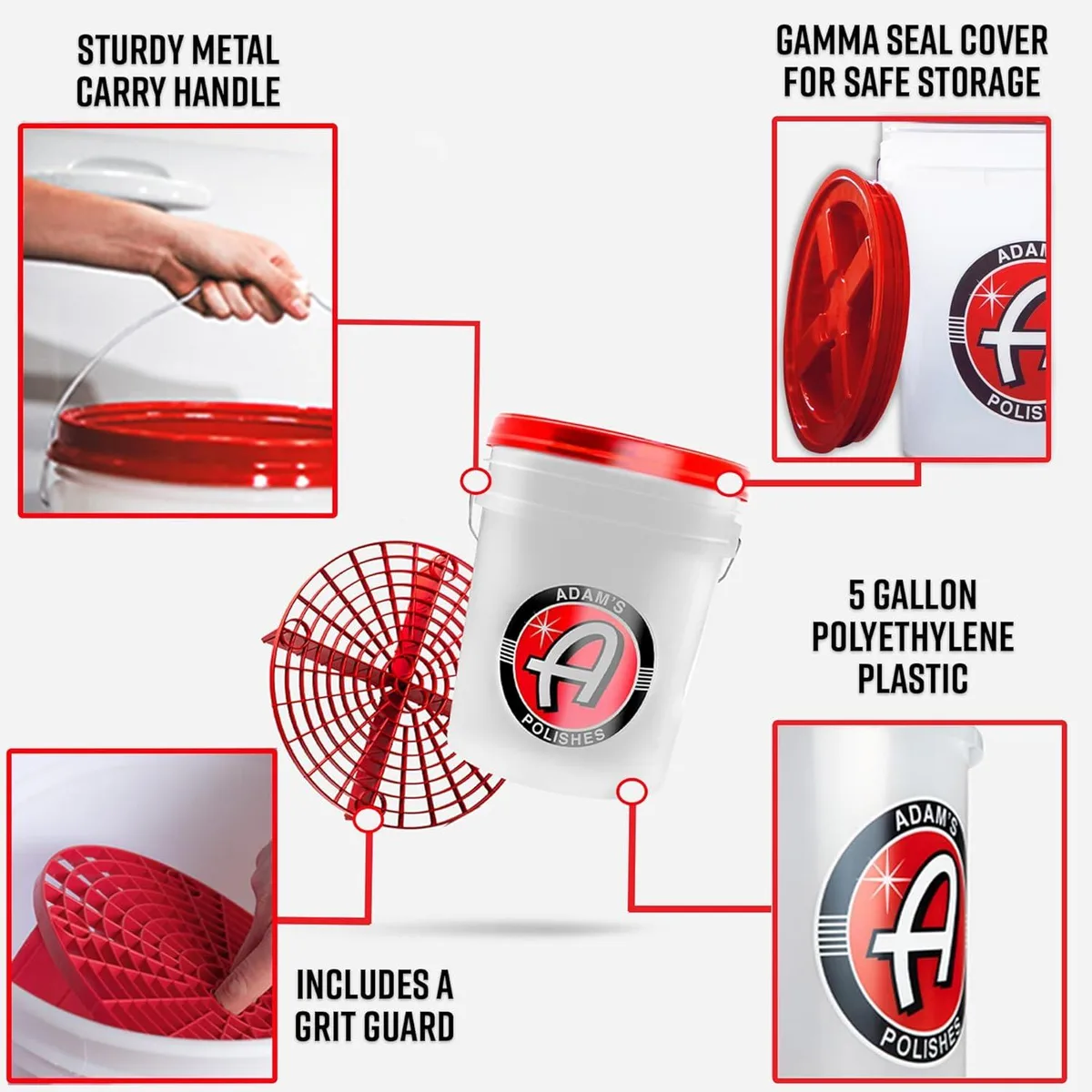
You don’t need a garage full of gear, but the right basics make all the difference. Here’s the essential kit:
| Tool | Purpose | Notes |
|---|---|---|
| Microfiber wash mitt | Lifts dust without scratching | Use a separate one for wheels |
| Two buckets | One for soap, one for rinse | Add grit guards to trap dirt |
| pH-balanced car soap | Cleans without stripping wax | Avoid dish soap or household cleaners |
| Microfiber drying towels | Prevents water spots | 300–500 GSM for best absorbency |
| Pressure washer (optional) | Speeds up rinsing | Keep under 60 PSI to avoid damage |
| Wheel cleaner | Removes brake dust and grime | Choose a pH-neutral formula for coated wheels |
Pre-Wash Prep: Loosening Dust Without Scratching
Bing (Web (fair-use with source credit))
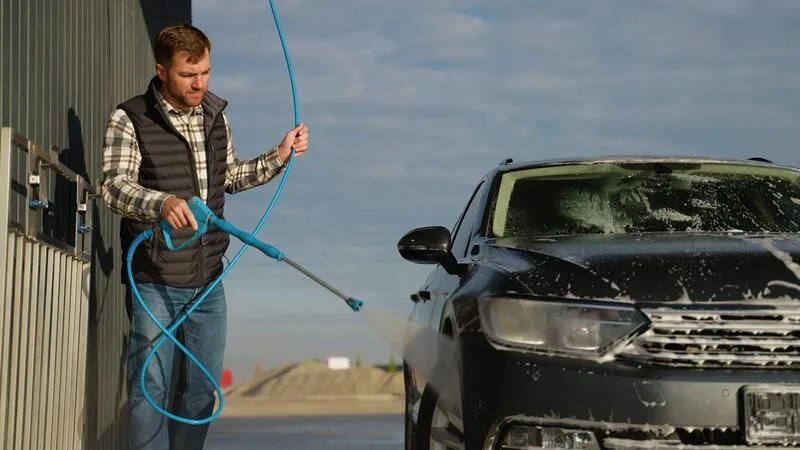
Start by rinsing the car thoroughly to remove loose dust. This step prevents dragging dry particles across the paint when you begin scrubbing.
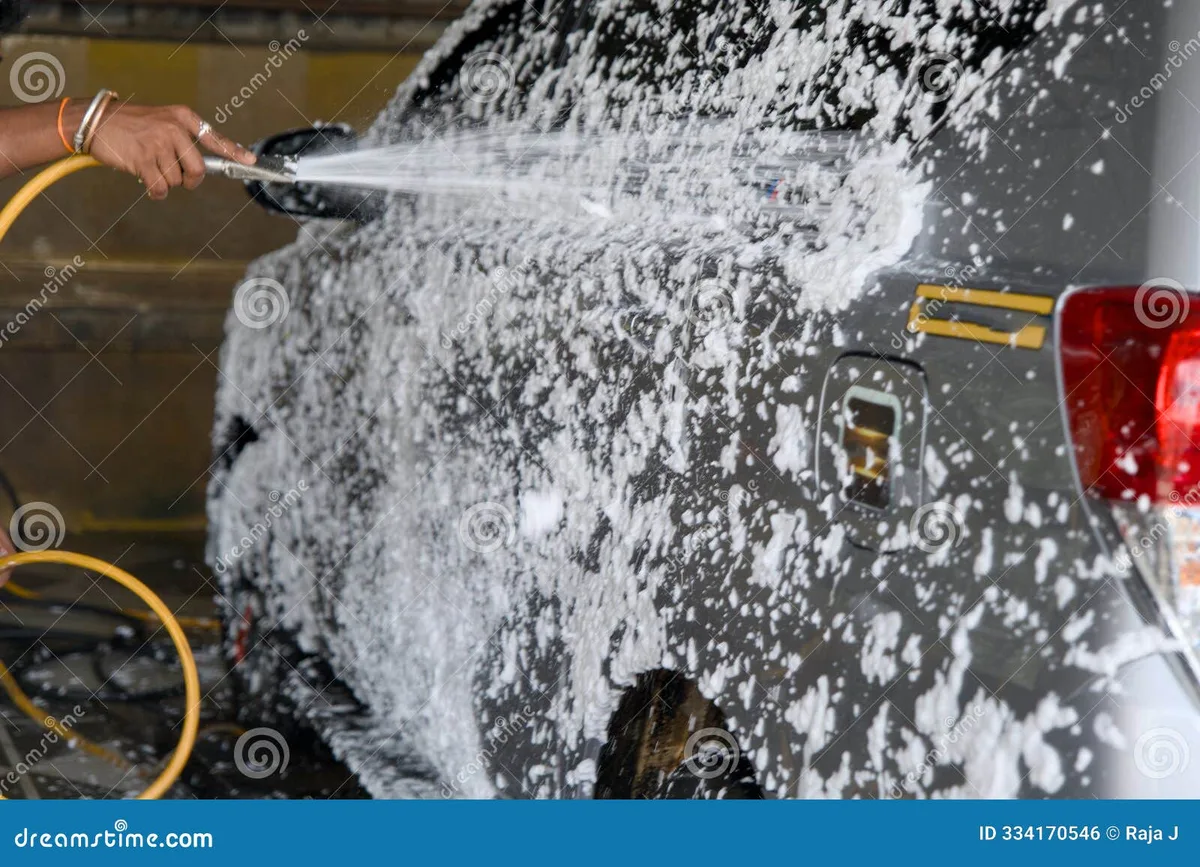
Use a hose with a gentle stream or a pressure washer set below 60 PSI. Work from the top down, letting gravity help carry the dust away.
Step-by-Step Washing Process (With Visual Cues)
Begin with the wheels and tires, they’re the dirtiest parts of the car. Use a dedicated wheel cleaner and a separate wash mitt to avoid cross-contamination with the paint.
Fill one bucket with soapy water and the other with clean water for rinsing your mitt. Wash the car in sections, starting from the roof and moving downward. This prevents dirty water from dripping onto already cleaned areas.
Use straight-line motions instead of circles to minimize swirl marks. Rinse each section immediately after washing to prevent soap from drying on the surface.
Drying Like a Pro: No Streaks, No Spots
Bing (Web (fair-use with source credit))
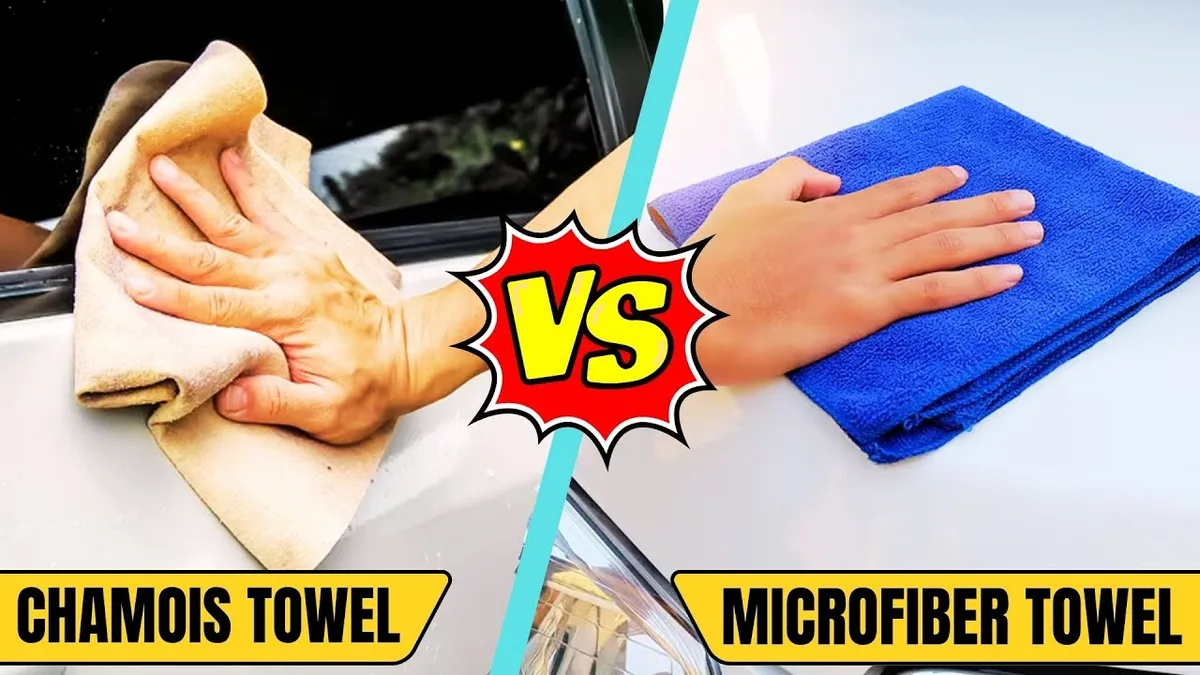
Use a clean microfiber towel to blot water off the surface. Dragging the towel can push remaining dust and create swirls.
Work in small sections and flip the towel often to a dry side. If you’re in direct sunlight, dry the car in the shade to prevent water spots from forming as the surface heats up.
Common Mistakes That Ruin Your Paint
Using a single bucket for soap and rinsing spreads dirt back onto the car. Always use the two-bucket method to keep your wash mitt clean.
Washing in direct sunlight causes soap to dry too quickly, leaving streaks. Park in the shade or wash early in the morning when temperatures are cooler.
Skipping the pre-wash rinse means you’ll grind dust into the paint. A thorough rinse first lifts the worst of the grime.
Hand Wash vs. Pressure Washer vs. Automatic Car Wash
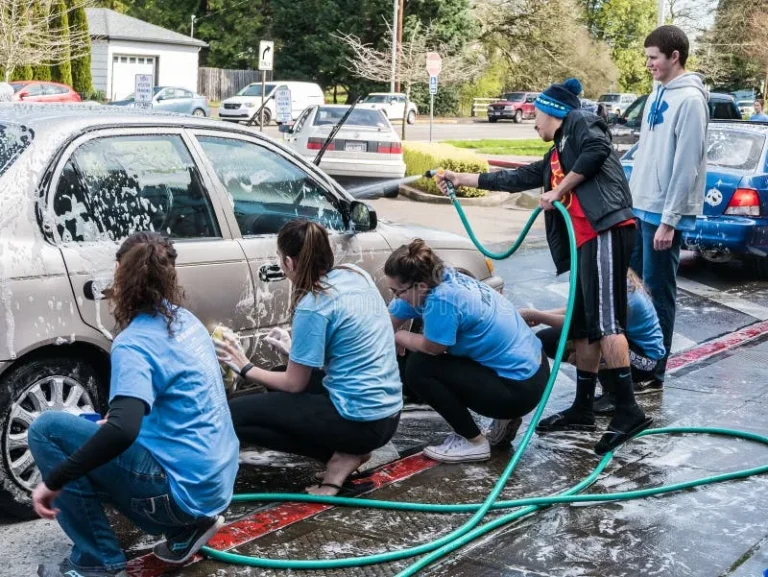
A hand wash gives you the most control over pressure and technique. It’s the safest option for maintaining your paint’s finish.
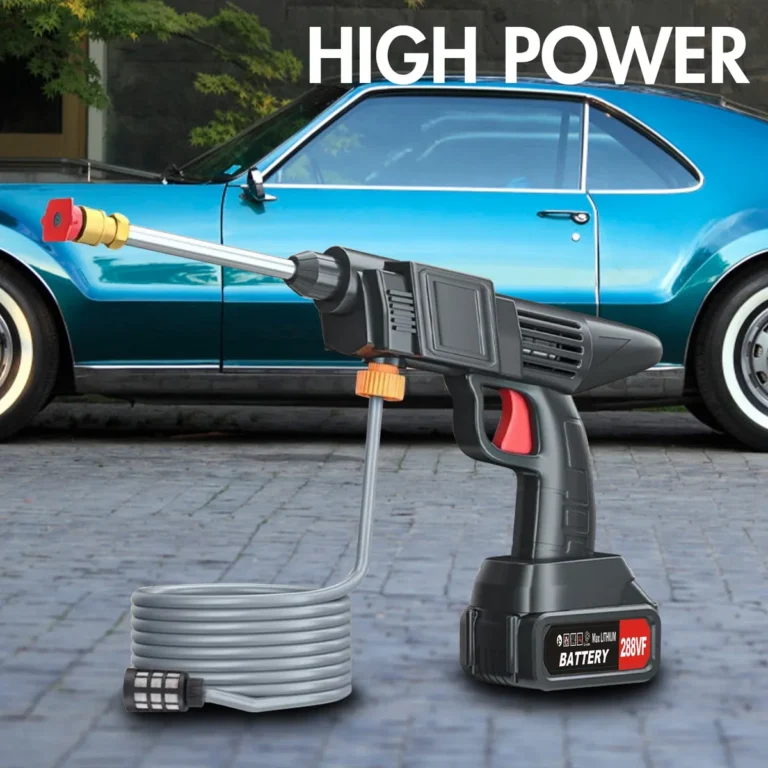
A pressure washer speeds up the process but requires careful use. Keep the nozzle at least 12 inches away and use a wide spray pattern to avoid damaging the paint.
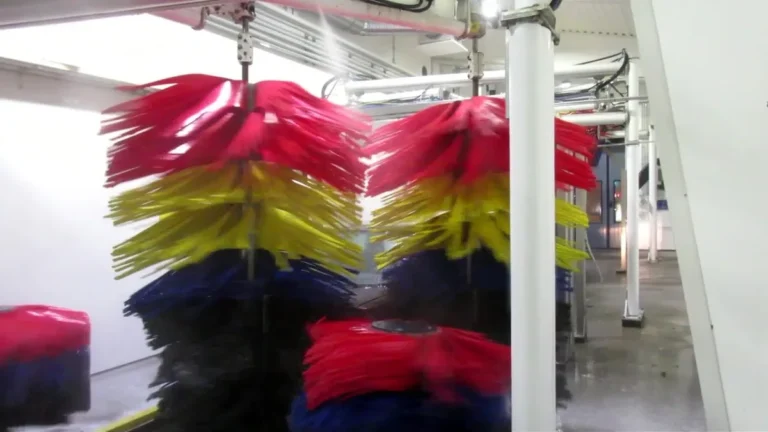
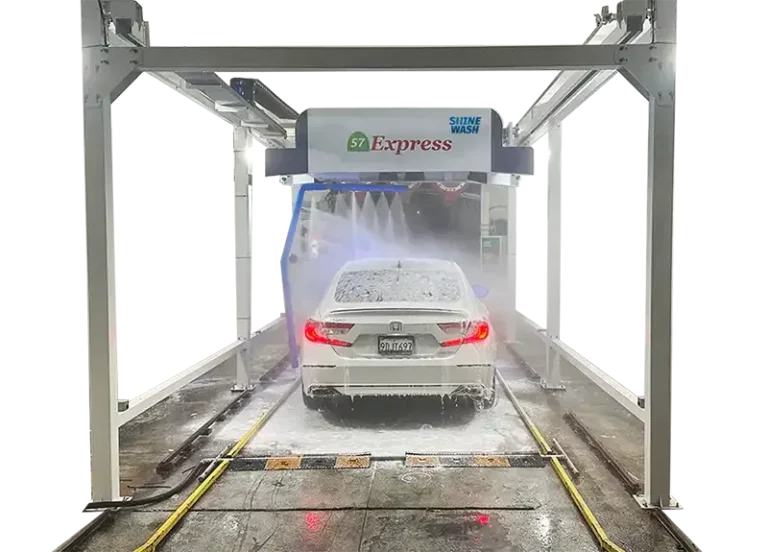
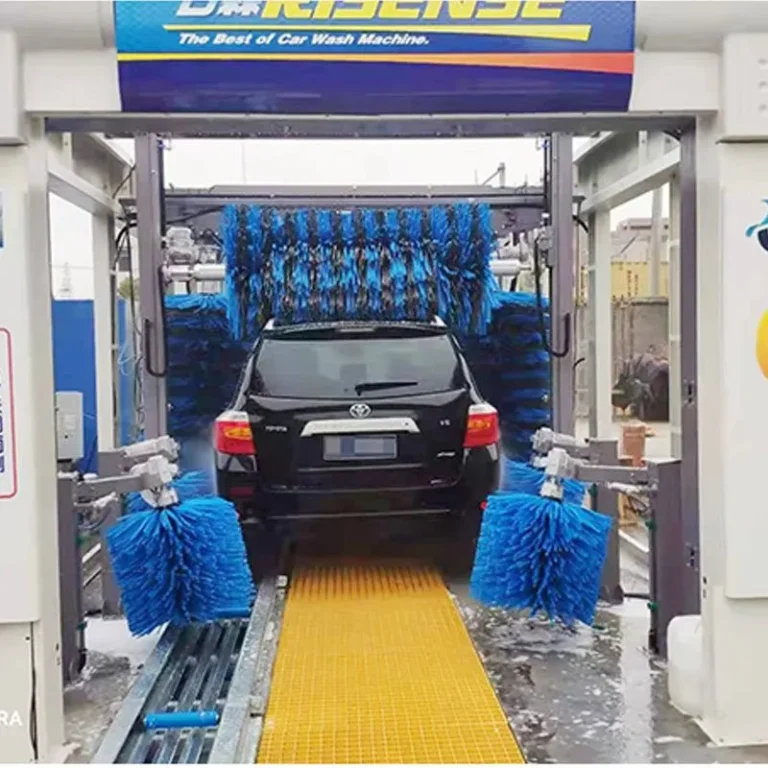
Automatic car washes are convenient but often use harsh brushes that can scratch. If you must use one, choose a touchless option to minimize risk.
Extra Care for Wheels, Grilles, and Hard-to-Reach Spots
Wheels collect brake dust and road grime that regular car soap can’t always remove. Use a dedicated wheel cleaner and a stiff brush to clean the barrel and behind the spokes.
Grilles and trim often have tight spaces where dust accumulates. A soft-bristle brush or a detailing brush helps reach these areas without scratching.
Don’t forget the door jambs and under the hood. These spots are often overlooked but collect dust just like the rest of the car.
How Often Should You Wash a Dusty Car
In dusty climates, washing every two weeks prevents buildup that can scratch the paint. If you drive on dirt roads frequently, consider washing weekly.
For most drivers, a wash every two to four weeks keeps the car looking clean and protects the finish. Adjust based on your environment and how much dust your car collects.
Pro Tips for a Showroom Shine
Use a clay bar after washing to remove embedded contaminants that soap can’t lift. This step restores a smooth surface and enhances shine.
Apply a quick detailer spray after drying for extra gloss. It fills minor imperfections and adds a layer of protection between washes.
Frequently Asked Questions
Can I use dish soap to wash my car
Dish soap strips wax and can damage paint over time. Stick to pH-balanced car soap for safe cleaning.
How do I prevent water spots
Dry the car quickly with a clean microfiber towel. In hard water areas, use a spot-free rinse or distilled water for the final rinse.
Is a pressure washer safe for my car
Yes, if you keep the pressure below 60 PSI and use a wide spray nozzle. Stay at least 12 inches away from the paint to avoid damage.
Should I wash my car in the sun
No. Direct sunlight causes soap and water to dry too fast, leaving streaks and spots. Wash in the shade or on cloudy days.
How often should I wash a dusty car
Every two weeks is ideal for dusty climates. In milder conditions, every three to four weeks keeps your car looking clean and protected.