Deciding what accept when automatic car wash comes down to your car’s condition and the wash type. Not all vehicles handle the same process safely, and some finishes can suffer permanent damage from the wrong choice.
Most automatic washes use 800, 1,200 PSI jets or rotating brushes, which clean quickly but may scratch paint or snag loose parts. As of 2026, manufacturer specs from Toyota and Tesla still advise caution with brush systems on certain models.
Quick Answer
Accept automatic washes for standard cars with intact paint. Skip them for vehicles with loose parts or aftermarket body kits. Touchless systems are safest for delicate finishes.
Always check height and width limits before entering.
How Automatic Car Washes Work (And Why It Matters)
Automatic car washes rely on a conveyor system or in-bay sensors to guide your vehicle through cleaning stages. The process typically includes pre-soak, high-pressure rinse, soap application, and drying, all without you leaving the car.
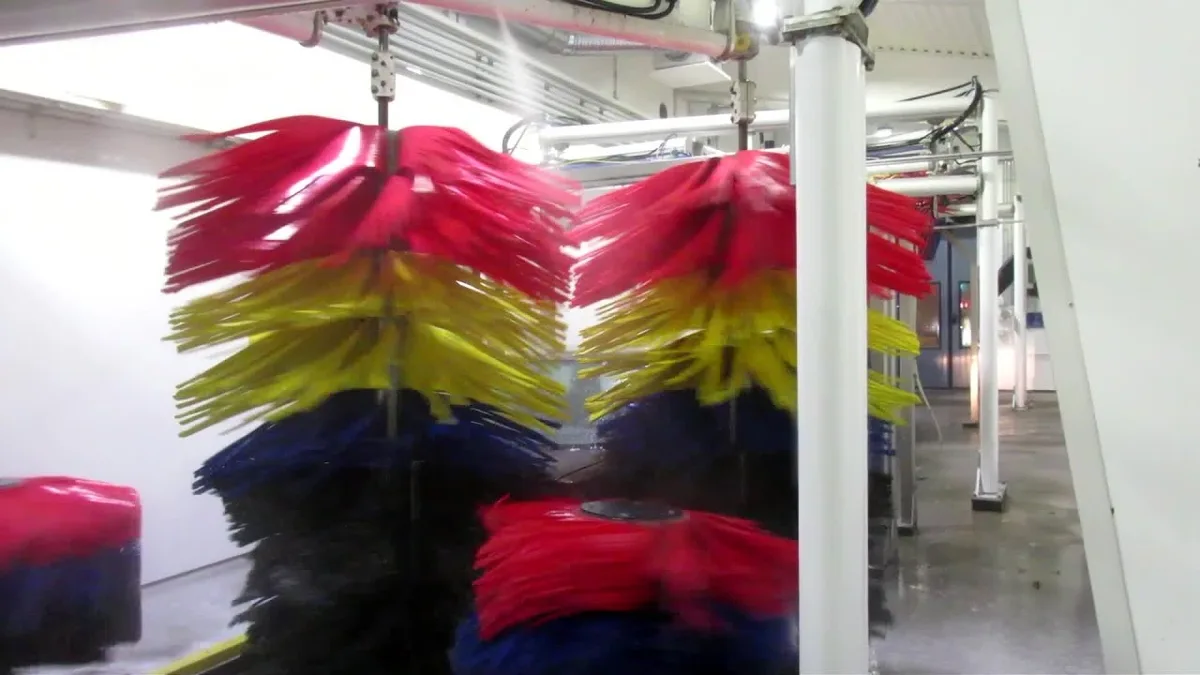
Brush washes use rotating foam or cloth strips to scrub dirt off, while touchless systems depend on high-pressure water and chemicals. Manufacturer specs confirm that brush contact can leave micro-scratches, especially on darker or metallic paints. The International Carwash Association notes that modern soft-cloth brushes reduce this risk but don’t eliminate it.
The 3 Types of Automatic Car Washes
Touchless
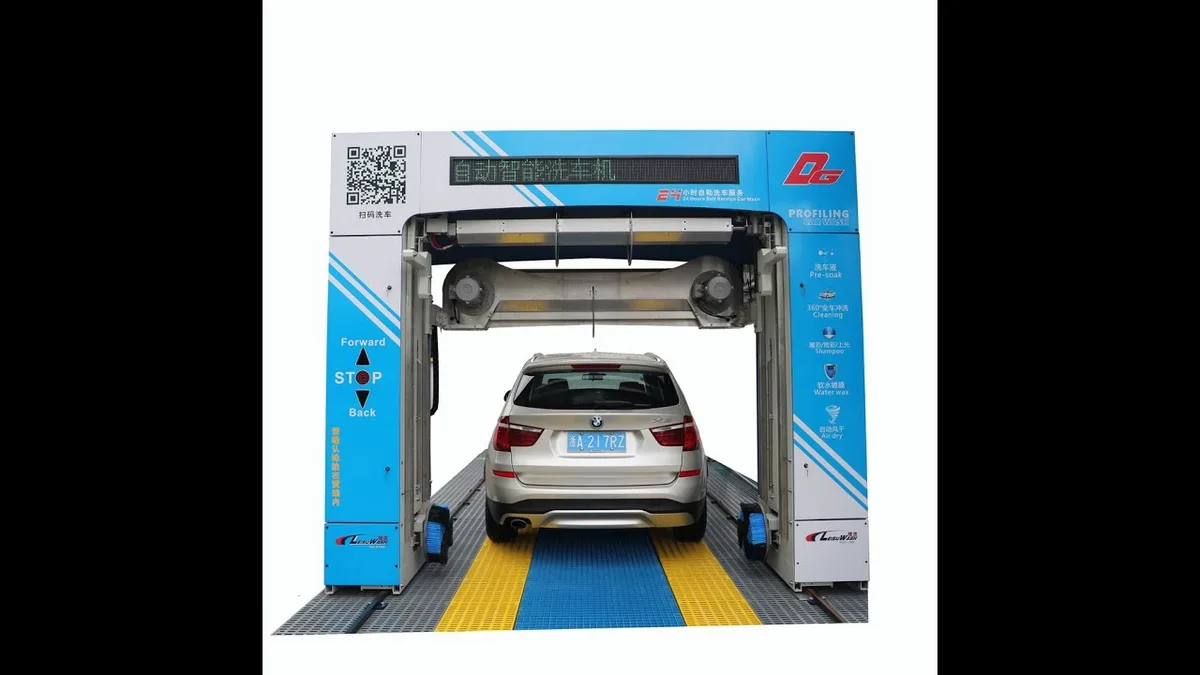
Uses high-pressure water jets (800, 1,200 PSI) and strong detergents to clean without physical contact. Best for cars with sensitive paint, wraps, or ceramic coatings. Downside: May not remove caked-on dirt as effectively as brushes.
Soft-Cloth
Features rotating microfiber or foam brushes that gently scrub the surface. More thorough for stubborn grime but carries a higher risk of swirl marks if the brushes aren’t maintained. Aggregate reviews report better cleaning power than touchless but with trade-offs for paint longevity.
Brush (Traditional)
Uses stiffer bristles or cloth strips for deep cleaning. Fast and effective for heavily soiled vehicles but the most likely to cause scratches or damage loose trim. Not recommended for luxury or modified cars per Tesla’s care guidelines.
When to Accept an Automatic Car Wash
Use an automatic wash if your car meets these conditions:
- Standard factory paint in good condition
- No loose parts (mirrors, spoilers, antennae)
- No aftermarket wraps or decals
- Height and width fit within the wash’s limits (typically under 6’6” tall and 8’ wide)
Touchless washes are the safest bet for most daily drivers. Soft-cloth systems work well for regular maintenance if the brushes look clean and well-maintained. For vehicles with ceramic coatings, touchless is preferred to avoid premature wear.
When to Avoid It (And What to Do Instead)
Skip the automatic wash if:
- Your car has a matte or satin finish (brushes can dull the surface)
- You’ve added aftermarket body kits or spoilers (risk of snagging)
- The wash’s brushes look dirty or worn (can embed grit into your paint)
- Your vehicle exceeds the height or width limits
For these cases, opt for a self-service bay where you control the pressure and tools. Or choose a professional detailer for hand-washing.
Step-by-Step: How to Prep Your Car for an Automatic Wash
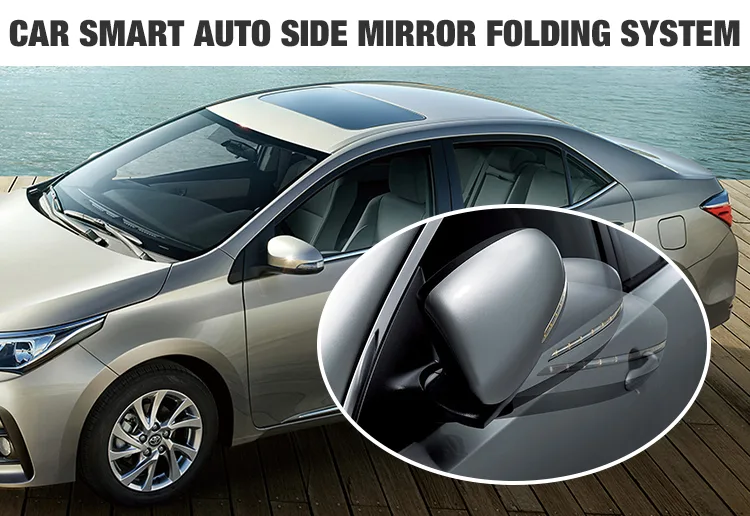
Remove all loose items from the exterior. Bike racks, magnetic signs, and antennae can get caught in the equipment. Fold in your side mirrors if they’re manual or power-folding.
Check your vehicle’s height and width against the wash’s posted limits. Most standard washes accommodate up to 6’6” in height and 8’ in width. If your car is taller or wider, look for a touchless wash with higher clearance.
Close all windows and the sunroof. Water pressure can force its way in, soiling the interior. Ensure your fuel door is closed and locked as well.
Common Mistakes That Damage Your Car
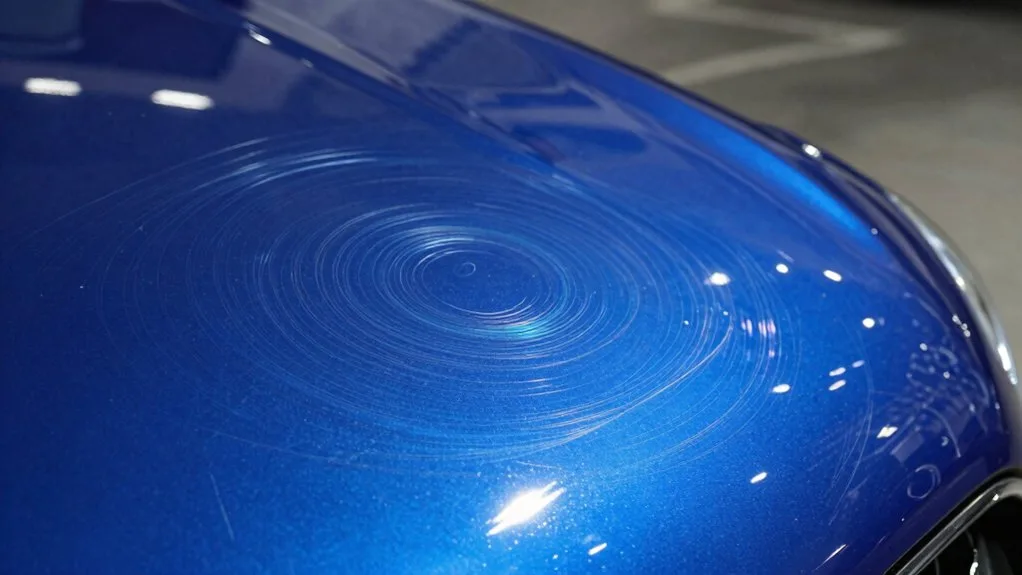
Entering with a dirty car can grind grit into the paint. Pre-rinsing at home removes loose dirt, reducing the risk of scratches during the wash.
Ignoring the brush condition is another common error. Dirty or worn brushes can leave swirl marks, especially on dark-colored vehicles. If the brushes look grimy, choose a different wash or opt for touchless.
Not checking for loose parts can lead to costly damage. Side mirrors, spoilers, and aftermarket accessories can get caught in the equipment. Always inspect your car before entering the wash.
Touchless vs. Soft-Cloth vs. Brush: Which Is Safest?
Touchless
Best for delicate paint, wraps, or ceramic coatings. Uses high-pressure water and chemicals to clean without physical contact. Less effective on caked-on dirt but the safest for your finish.
Soft-Cloth
More thorough than touchless but carries a risk of swirl marks. Uses rotating microfiber or foam brushes. Ideal for regular maintenance if the brushes are clean and well-maintained.
Brush (Traditional)
Most aggressive cleaning but highest risk of damage. Uses stiffer bristles or cloth strips. Best for heavily soiled vehicles but not recommended for luxury or modified cars.
Costs, Time, and What to Expect
Basic washes typically cost $8, $15 and take 3, 5 minutes. Premium washes with wax or sealant can run $15, $25 and take 10, 15 minutes. Monthly subscriptions often provide unlimited washes for $20, $50.
Water usage varies by type. Touchless systems use 50, 80 gallons per wash, while soft-cloth and brush washes use 30, 60 gallons. Drying times depend on the system, with high-speed blowers reducing water spots.
Expect consistent results with automatic washes. The standardized process ensures the same cleaning quality each time. However, results may vary based on the wash’s maintenance and your car’s condition.
Expert Tips to Protect Your Paint and Finish
Wash your car regularly to prevent dirt buildup. This reduces the need for aggressive cleaning methods that can damage your paint. A bi-weekly wash is ideal for most climates.
Use a touchless wash for sensitive finishes. This includes matte, satin, or ceramic-coated surfaces. Brushes can dull or scratch these finishes over time.
Reapply wax or sealant after frequent washes. Automatic washes can strip protective layers, leaving your paint vulnerable. A fresh coat every 3, 6 months maintains protection.
Avoid automatic washes in extreme temperatures. Freezing conditions can cause water to freeze on your car, while extreme heat can cause water spots. Aim for washes in moderate weather.
Special Cases: Modified Cars, Luxury Vehicles, and More
Lifted trucks often exceed standard wash height limits. Most automatic washes cap at 6’6” to 7’, so measure your vehicle first. If it’s too tall, seek a touchless wash with higher clearance or use a self-service bay.
Luxury cars with soft or custom paint jobs need extra care. Manufacturer guidelines from brands like Porsche and BMW often recommend against brush washes. Touchless or hand-washing is the safer choice for these finishes.
Vehicles with aftermarket wraps or decals require special attention. Brushes can peel or scratch vinyl wraps, especially if they’re older or poorly applied. Always opt for touchless washes to preserve the wrap’s integrity.
FAQs About Automatic Car Washes
Can automatic car washes damage my paint?
Yes, brush washes can cause swirl marks or scratches, especially if the brushes are dirty. Touchless systems are gentler but may not clean as thoroughly.
How often should I use an automatic car wash?
For most cars, a bi-weekly wash is ideal to prevent dirt buildup. In harsh climates with salt or pollen, weekly washes may be necessary.
Are automatic car washes safe for ceramic coatings?
Touchless washes are the safest for ceramic coatings. Brush washes can wear down the coating over time, reducing its lifespan.
What should I do if my car gets damaged at an automatic wash?
Document the damage with photos and contact the wash’s management immediately. Most reputable washes carry insurance for such incidents.
Can I wash a car with a sunroof in an automatic wash?
Yes, but ensure the sunroof is fully closed and sealed. Water pressure can force its way in if there’s any gap.
Do automatic car washes use recycled water?
Many do, especially in drought-prone areas. The water is filtered and treated before reuse, but it may leave more spots if not properly dried.
Final Verdict: Accept or Decline?
Accept automatic washes for standard cars with intact paint and no loose parts. Touchless systems are the safest for most vehicles, while soft-cloth washes work well for regular maintenance if the brushes are clean.
Decline automatic washes for modified cars, luxury vehicles with sensitive paint, or any car with aftermarket wraps or loose accessories. In these cases, opt for a touchless wash, self-service bay, or professional detailing to avoid damage.