Black Friday deals are live on Amazon · limited-time discounts, grab them before they’re gone
Grab the deals

ByMax Lee
Is Car Wash Ceramic Coating Worth It? Uncover the Truth!
Ceramic coating can make a vehicle easier to wash, improve gloss, and add meaningful resistance to UV exposure, road film, water spots, and chemical staining. But “ceramic” does not automatically mean permanent paint protection—and the ceramic option offered at an automatic car wash is usually very different from a professionally installed coating.
So, is car wash ceramic coating worth it? It can be, if you want easier maintenance and short- to medium-term shine without paying for a full professional coating. However, it is rarely a substitute for paint correction and a properly applied, durable ceramic coating. You can also read our guide on is ceramic coating at car wash worth it.
The right choice depends on the product, application process, vehicle condition, climate, washing habits, and how long you plan to keep the car.
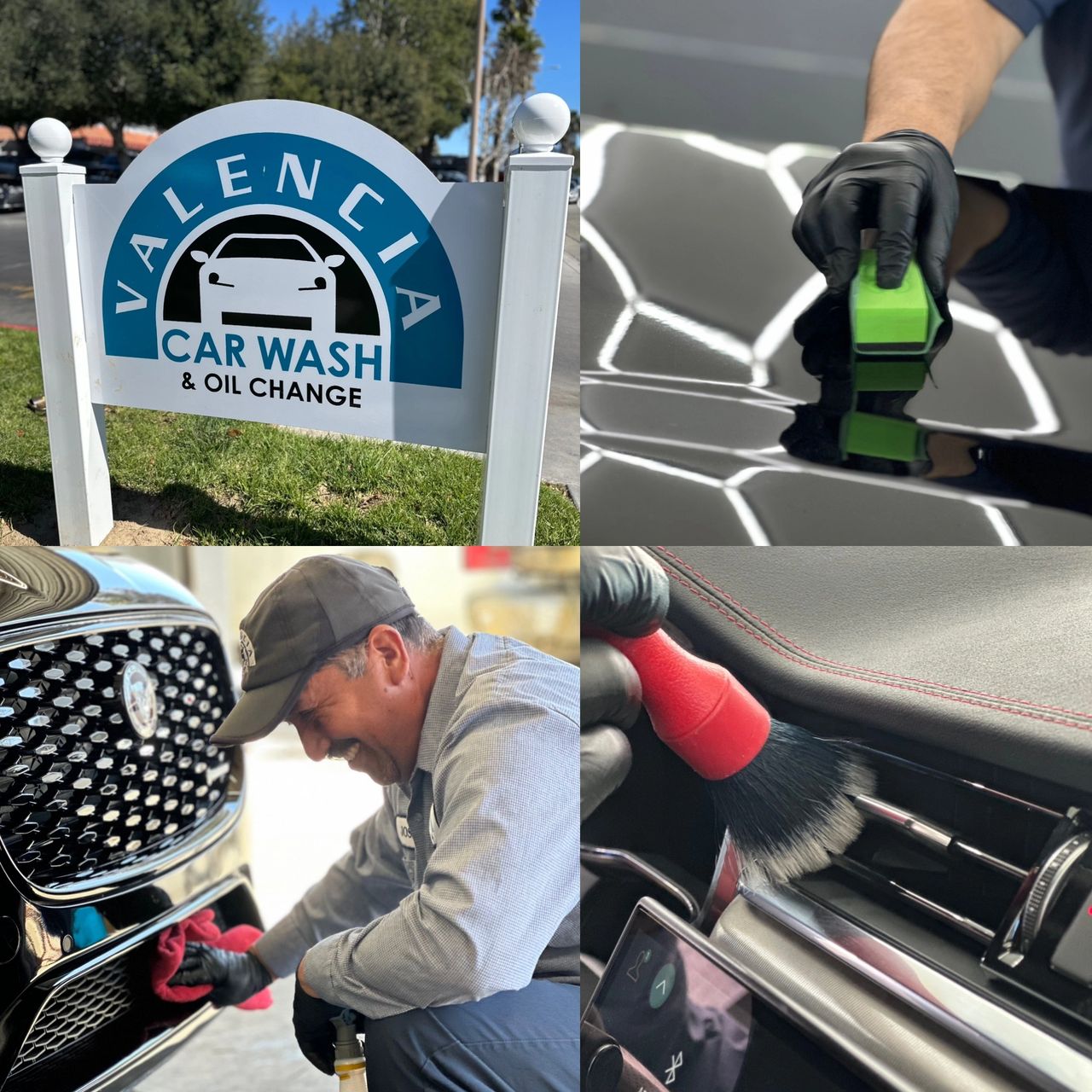
Ceramic protection works best when the paint is clean, decontaminated, and properly prepared.
Credit: valenciacarwash.com
What Is Ceramic Coating?
Ceramic coating is a liquid paint-protection product that cures into a thin, transparent film bonded to the vehicle’s clear coat. Most modern formulas use silicon dioxide, commonly called SiO₂, or related ceramic-resin chemistry. You can also read our guide on best car wash kit for ceramic coating.
Once cured, the coating changes how water, dirt, and oily contaminants interact with the paint. Water tends to bead or sheet away, while grime is generally less likely to bond tightly. This can reduce washing effort, but it does not make the vehicle self-cleaning.
A true coating is different from a car-wash “ceramic” treatment:
| Product | What it usually is | Typical durability | Best use |
|---|---|---|---|
| Car-wash ceramic | Spray sealant or rinse-applied protectant | Weeks to several months | Quick gloss and water beading |
| DIY ceramic spray | Consumer-applied sealant with ceramic ingredients | Several months, depending on product and care | Affordable maintenance protection |
| DIY coating kit | Curing coating requiring careful preparation | About one to several years, depending on formula | Experienced home detailers |
| Professional coating | Multi-layer or high-solids coating installed after preparation | Often several years, subject to warranty terms and maintenance | Long-term appearance and easier cleaning |
The exact lifespan depends on formulation, climate, washing technique, surface preparation, and whether the product is actually a coating or simply marketed as “ceramic.”
For a practical maintenance routine, use a paint-safe washing method rather than relying on the coating to remove contamination by itself. You can also read our guide on can a ceramic coated car go through a car wash.
How Does Ceramic Coating Work?
A cured coating forms a smooth, chemically resistant surface over the clear coat. Its low-surface-energy behavior makes it harder for water, dust, insects, and oily road film to spread across and bond to the paint.
That produces three noticeable effects:
- Water behavior changes. Rain and rinse water may bead tightly or run off in sheets.
- Contaminants release more easily. Dirt often needs less agitation during a careful wash.
- Gloss and slickness improve. The finish can look deeper, especially when the paint was polished before application.
The coating does not create an impenetrable shell. It cannot stop rock chips, prevent every swirl mark, repair fading, or guarantee protection from bird droppings if they remain on the surface. In practice, the preparation underneath the coating often determines more of the final appearance than the coating alone.
A coating also needs time to cure. Follow the installer’s instructions about keeping the vehicle dry, avoiding automatic washes, and delaying harsh chemical exposure after application.
What Benefits Can You Actually Expect?
Easier routine washing
The most practical benefit is reduced cleaning effort. Road film and light dirt may rinse away more readily, and a properly lubricated contact wash can be completed faster.
That does not mean you should wash only with water. A proper wash still removes contamination more safely than wiping a dirty surface. For best results, use a pH-balanced shampoo and clean microfiber equipment.
Better resistance to UV exposure
A coating can help reduce the effect of prolonged sunlight and environmental exposure on the clear coat. It is not a cure for existing oxidation, peeling clear coat, or neglected paint. If the clear coat is already failing, coating over it will not restore the damaged finish.
Improved resistance to stains and chemicals
Cured coatings generally provide useful resistance to common contaminants such as:
- Road grime
- Insect residue
- Tree sap
- Bird droppings
- Light fuel or oily film
- Mildly acidic or alkaline wash chemicals
The protection is time-sensitive. Bird droppings, bug remains, and tree sap should still be removed promptly because any coating can eventually be etched by contamination.
Longer-lasting gloss than ordinary wax
A spray wax may look excellent immediately after application, but its protective effect usually fades sooner than a properly maintained ceramic product. Ceramic-based sealants and coatings can maintain water behavior and gloss longer, although no product lasts indefinitely under all conditions.
For realistic expectations about longevity, compare the manufacturer’s warranty conditions with this coating lifespan guide, including the required maintenance schedule.
A cleaner-looking finish between washes
Hydrophobic behavior can reduce how long water and grime remain on the paint. This is particularly useful for vehicles parked outdoors, driven in rain, or exposed to dusty roads. The coating does not eliminate water spots; minerals left behind as water evaporates can still mark the finish.
What Ceramic Coating Does Not Do
Many disappointing coating experiences come from buying the product for benefits it was never designed to provide.
Ceramic coating does not:
- Make paint completely scratch-proof
- Prevent rock chips or dents
- Replace paint protection film on impact-prone areas
- Stop all water spotting
- Repair swirls, oxidation, or peeling clear coat
- Remove the need for regular washing
- Make automatic brushes safe for paint
- Guarantee a specific lifespan in every climate
- Prevent rust when underlying metal or paint is already damaged
The coating may offer limited resistance to very light marring, but a sharp object, abrasive dirt, key, shopping cart, or road debris can still damage the paint. Paint protection film is generally the more appropriate product for impact protection on the hood, bumper, mirrors, and other high-risk areas.
Is a Car-Wash Ceramic Treatment the Same as Professional Coating?
Usually, no.
At an automatic or self-service car wash, “ceramic” commonly refers to a spray-on sealant delivered through a foam arch, applicator, or rinse cycle. It can provide temporary gloss and water beading, but it is usually applied quickly over a vehicle that has not received paint correction or intensive decontamination.
A professional coating involves a more controlled process:
- Thorough wash and chemical decontamination
- Clay or mechanical decontamination when necessary
- Paint inspection under suitable lighting
- Machine polishing to improve the finish
- Panel wipe to remove polishing oils
- Coating application in controlled sections
- Flash-time monitoring and leveling
- Curing and aftercare instructions
A car-wash ceramic treatment can be worthwhile as a low-cost maintenance step. It should not be priced or described as equivalent to a multi-year professional coating.
How Much Does Ceramic Coating Cost?
Prices vary by region, vehicle size, paint condition, product, correction work, and installer experience. Treat the following as broad planning ranges rather than guaranteed market prices:
| Service | Common planning range | What affects the price |
|---|---|---|
| Car-wash ceramic add-on | A few dollars to roughly $30 per visit | Wash package and product concentration |
| Ceramic spray or sealant DIY | Roughly $20–$100 | Brand, preparation products, and durability |
| DIY curing coating kit | Roughly $50–$200 | Coverage, accessories, and application difficulty |
| Professional coating with minimal correction | Roughly $500–$1,500 | Vehicle size, coating, and preparation |
| Professional coating with substantial paint correction | Roughly $1,000–$3,000 or more | Paint condition, correction time, and warranty |
A low price is not automatically a bad value. If a car-wash treatment lasts several weeks and improves the washing experience, it may suit someone who visits regularly. Conversely, a very expensive coating may be poor value if the installer skips preparation or cannot explain the maintenance requirements.
Ask what the quoted price includes:
- Paint decontamination
- Machine polishing or correction
- Coating brand and product name
- Number of layers
- Curing time
- Warranty terms
- Maintenance products or inspections
- Treatment of glass, wheels, trim, and interior surfaces
Is Car Wash Ceramic Coating Worth It for Your Vehicle?
It may be worth it if you want convenience
A car-wash ceramic option makes sense for drivers who want more gloss and easier rinsing without committing to a professional installation. It can be especially convenient for daily drivers that are washed frequently.
The value is mainly in convenience, not permanent protection. If the treatment costs a small amount and performs well for your washing interval, it can be a reasonable maintenance purchase.
It may be worth it for outdoor parking
Vehicles parked outside face sunlight, rain, airborne pollution, bird droppings, and tree contamination. A ceramic product can add a useful barrier against staining and environmental exposure.
Still, outdoor parking increases maintenance demands. Prompt washing and removal of contamination matter more than marketing claims about durability.
It may be worth it if you keep the car for years
Long-term ownership makes the benefits easier to appreciate. A coating can help maintain gloss and reduce the time spent cleaning over several years. It may also help preserve the appearance of a well-maintained vehicle, although it should not be treated as a guaranteed increase in resale value.
It may not be worth it if you sell soon
If you plan to sell or trade the car shortly, a professional coating may not return its full cost. A thorough wash, decontamination, light polish, and quality sealant may produce a better short-term presentation for less money.
It may not be worth it if the paint is already failing
Do not coat peeling clear coat, heavily oxidized paint, or rust and expect the problem to disappear. Correct the underlying condition first. In some cases, repainting or replacing a damaged panel is the only durable solution.
It may not be worth it if you use abrasive washes
A coating cannot compensate for stiff brushes, dirty wash mitts, automatic tunnel friction, or drying a dirty vehicle with a towel. If you use an automatic wash, choose the least abrasive option available and understand that repeated brush contact can create marring.
This comparison of wash-related paint damage explains why technique and equipment matter even when a protective product is present.
Ceramic Coating Compared With Wax, Sealant, and Paint Protection Film
| Protection type | Main advantage | Main limitation |
|---|---|---|
| Wax | Warm appearance and inexpensive application | Shorter durability and weaker chemical resistance |
| Synthetic sealant | Easy application and longer life than many waxes | Less durable than a true cured coating |
| Ceramic coating | Gloss, chemical resistance, and easier maintenance | Higher preparation demands; not impact-proof |
| Paint protection film | Physical defense against chips and abrasion | Higher cost, visible edges possible, and professional installation usually preferred |
There is no single best product for every owner. Wax or sealant may be sufficient for a low-cost seasonal routine. Ceramic coating suits owners who prioritize appearance and easier maintenance. Paint protection film is more appropriate when preventing stone chips is the main goal.
How to Maintain a Ceramic-Coated Car
Maintenance determines whether the coating continues to perform.
Use a safe wash process
Wash the vehicle when the panels are cool and out of direct sunlight. Start with a rinse to remove loose grit, then use a dedicated wash solution and clean microfiber equipment. A two-bucket setup helps separate wash solution from heavier soil and reduces the chance of dragging grit across the paint.
A sensible routine is:
- Rinse the vehicle thoroughly.
- Clean wheels and tires with separate tools.
- Wash the roof and upper panels first.
- Work in small sections from top to bottom.
- Rinse the mitt frequently.
- Rinse away all shampoo.
- Dry with a clean, absorbent microfiber towel or filtered air.
Use a compatible wash soap and avoid household detergents, abrasive powders, and products that leave heavy residue.
Remove contamination promptly
Do not let bird droppings, insects, sap, or road salt remain on the vehicle for days. Soften the material with appropriate water or a coating-safe cleaner rather than scraping it dry.
In winter, salt and brine deserve special attention. Regular rinsing of the lower panels, wheel wells, and underside can reduce buildup; this cold-weather wash routine covers the practical considerations.
Dry carefully to reduce water spots
Hydrophobic coatings can create many small droplets, but those droplets may leave mineral deposits when they evaporate. Dry the vehicle after washing, especially in hard-water areas or strong sunlight.
A drying aid designed for the coating can add lubrication, but check that it is compatible with the manufacturer’s instructions.
Use maintenance toppers only when appropriate
Some coatings benefit from a compatible ceramic topper or silica-based maintenance spray. Others may be affected by products that leave excessive residue. Do not assume every ceramic spray is suitable for every coating.
Wax is not automatically forbidden, but a traditional wax may reduce the coating’s slick or hydrophobic behavior and make the surface harder to evaluate. Use only products recommended for the specific coating.
Be cautious with pressure washers and automatic washes
Pressure washing can be safe when performed correctly, but keep the nozzle at a sensible distance and avoid forcing water into seals, sensors, badges, and damaged paint. This guide to safe pressure-washing technique explains the main precautions.
Touchless washes generally create less physical abrasion than brush tunnels, but their stronger chemicals may shorten the life of a consumer sealant or topper. No automatic wash is a complete substitute for careful hand washing.
The U.S. Environmental Protection Agency also provides broader guidance on responsible vehicle washing and managing soapy runoff, which is worth considering when washing at home.
Common Ceramic-Coating Mistakes
Applying it over poorly prepared paint
Wax, polish oils, embedded iron particles, and bonded road film can interfere with bonding. Cleaning and preparation are not optional steps.
Expecting a coating to hide defects
A glossy product can make a finish look better temporarily, but it will not remove deep scratches, oxidation, or uneven clear coat.
Using too much product
Excess coating can leave high spots, streaks, or patchy areas that require polishing to correct. Follow the product’s application rate and wipe-off timing.
Ignoring curing instructions
Rain, dew, washing, and contamination during the early curing period can affect the finish. The correct cure time varies by formula, temperature, humidity, and installer instructions.
Treating water beading as a perfect health test
Beading can decline because of traffic film, mineral deposits, or a maintenance product sitting on top of the coating. A surface that beads less does not always mean the coating has failed. Clean and decontaminate it before judging performance.
Frequently Asked Questions
Is ceramic coating from a car wash worth the money?
It can be worth the cost when you want quick gloss and temporary water repellency at a low price. It is less worthwhile if you expect multi-year durability, scratch protection, or the same performance as a professionally installed coating.
How long does car-wash ceramic coating last?
The answer depends on the product and washing conditions. A rinse-applied treatment may last several weeks to a few months, while a genuine curing coating can last much longer when properly installed and maintained. Ask the car wash for the product name and realistic durability rather than relying on the word “ceramic.”
Does ceramic coating prevent scratches?
No. It may reduce very light marring and provide some surface hardness, but it will not stop scratches from keys, branches, dirty brushes, shopping carts, or road debris. Paint protection film is designed for stronger impact protection.
Can I take a ceramic-coated car through an automatic wash?
You can, but a touchless wash is generally preferable to a brush tunnel because it reduces physical contact. Strong detergents and repeated washing can still reduce the performance of a coating or its maintenance layer. Follow the installer’s instructions whenever possible.
Can I wash a ceramic-coated car with regular soap?
Use a car shampoo that is pH-balanced and free from abrasive cleaners, heavy degreasers, and harsh additives unless the coating manufacturer says otherwise. The wrong chemical may not remove the coating immediately, but it can reduce slickness, gloss, or water behavior.
Does ceramic coating stop water spots?
No. It can change how water behaves, but minerals can remain after droplets evaporate. Drying the vehicle promptly and removing deposits safely helps prevent permanent etching.
Is DIY ceramic coating a good idea?
DIY products can work well for careful, experienced users who understand surface preparation and application timing. The main risks are high spots, uneven coverage, premature contamination, and applying the product over defects. If the vehicle is new, expensive, or difficult to correct, professional installation may provide better value.
Should I coat a new car immediately?
A new car may still have transport contamination, dealer-installed swirls, or surface defects. Inspect and prepare the paint before coating rather than assuming “new” means flawless. A professional inspection can determine whether decontamination or polishing is needed.
Final Verdict: Is Car Wash Ceramic Coating Worth It?
Car-wash ceramic coating is worth it when you want affordable, temporary gloss and easier routine cleaning. It is a practical add-on for a frequently washed daily driver, especially when the vehicle is already in decent condition.
It is not worth treating as a miracle product or a substitute for professional paint preparation. The treatment will not make the car scratch-proof, eliminate water spots, repair damaged paint, or last forever.
Choose a car-wash treatment when convenience and low upfront cost are your priorities. Choose a professional coating when you plan to keep the vehicle for years, care strongly about its appearance, and are prepared to follow a proper maintenance routine. If your main concern is stone chips, invest in paint protection film for the vulnerable areas instead.
Before paying for any ceramic service, ask what product is being applied, how long it is expected to last, and what maintenance the provider requires.








