ByMax Lee
How I Want to Wash Peoples Cars What Do I Do
So you're thinking, "i want to wash peoples cars what do i do." It's a solid side hustle idea with low startup costs and real earning potential. In our research, the most successful beginners treat it like a mini business from day one, not just a way to make pocket money.
A basic kit with buckets, microfiber towels, and pH-neutral soap runs about $150 to $300 as of 2026. That's less than a single month of car payments for most people. Get this right, and you can turn a driveway into a reliable income stream.
Let's walk through exactly how.
So You Want to Wash Cars for Money – Here's the Real Deal
Wikimedia Commons / Shixart1985 (CC BY)
Washing cars for cash is one of the oldest neighborhood side gigs, but doing it right in 2026 is different from when you were a kid with a sponge and a garden hose. People care more about their paint now. Clear coat finishes are thinner, and a single bad wash can cost you a customer permanently.
The good news is that demand hasn't dropped. Busy homeowners, seniors, and families with two working parents still want someone else to handle the chore. Many neighborhoods lack a nearby automatic wash, or people simply prefer a hand wash that doesn't scratch their paint.
In other words, you're offering a service people will pay for week after week.
What separates someone who washes one car and quits from someone who builds a real client list? It comes down to three things: the right gear, knowing the risks, and a process that protects every car you touch. We'll cover all three.
What You Actually Need to Start (Gear, Supplies, and Setup)
Bing (Web (fair-use with source credit))
The biggest mistake new washers make is showing up under-equipped. You don't need a $2,000 pressure washer and a van full of detailing chemicals. But you do need the right basics, and "right" matters more than "cheap."
Here's your starter kit with estimated costs so you can budget accordingly.
| Item | Purpose | Estimated Cost |
|---|---|---|
| Two 5-gallon buckets | Two-bucket wash method | $15–$20 |
| Grit guard bucket inserts | Prevents dirt from re-contacting mitt | $20–$30 for two |
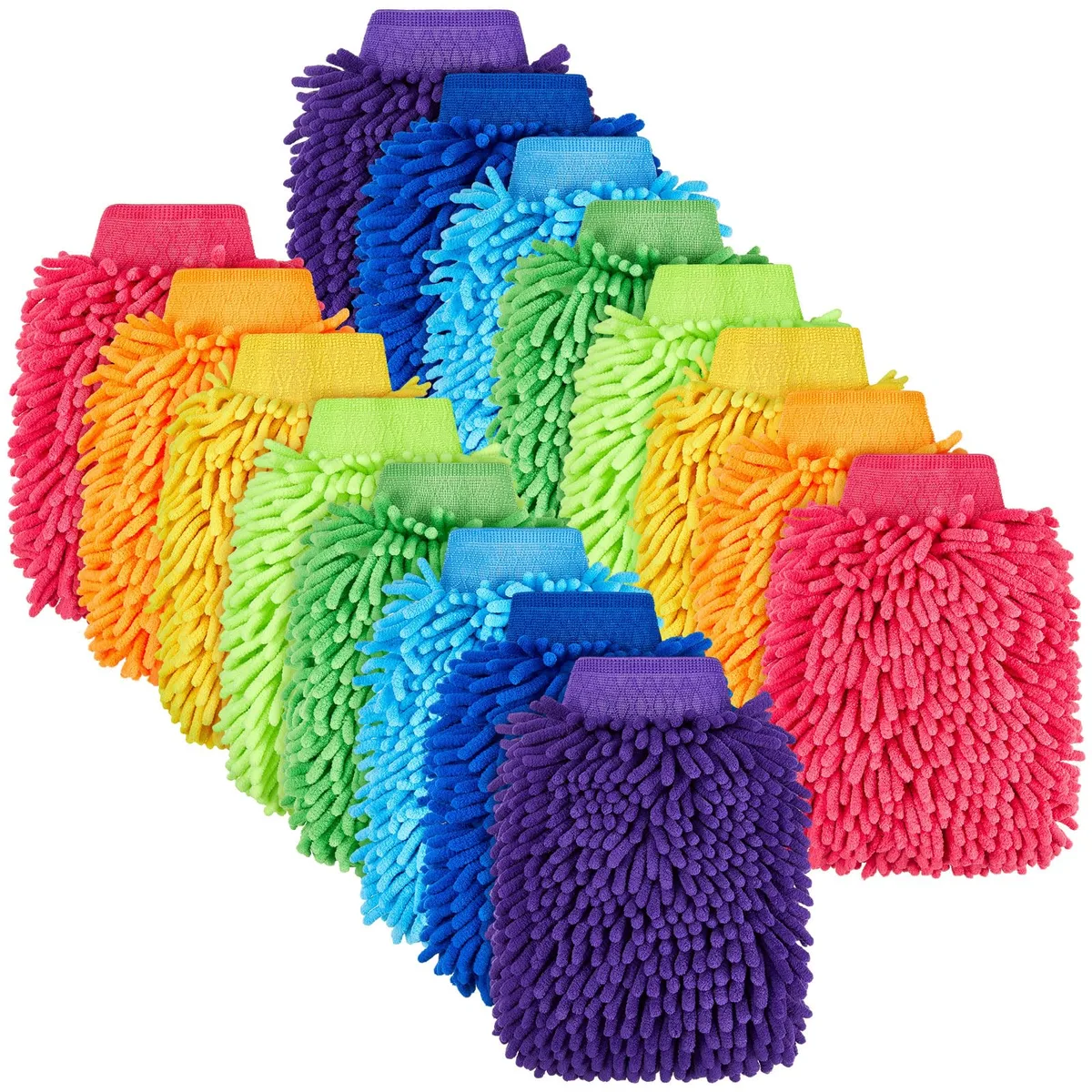
| 3–4 microfiber wash mitts | Contact washing without scratching | $15–$25 |
| pH-neutral car wash soap | Safe for wax and clear coat | $15–$20 per gallon |
| 3–4 large microfiber drying towels | Spot-free drying | $20–$30 |
| Wheel cleaning brush | Separate brush for wheels only | $10–$15 |
| Spray bottle for waterless wash | Pre-soak or quick detail | $5–$10 |
| Garden hose with spray nozzle | Rinsing | Already owned by most |
If you want to level up, a pressure washer in the 1,200 to 2,000 PSI range with a foam cannon makes the job faster and more impressive to customers. But you can start without one. Just check the manufacturer specs on the right pressure level so you don't damage paint or trim.
A few specific gear choices will save you headaches. Pick up gloves that actually keep your hands dry, and check our breakdown of waterproof car wash gloves for options that hold up. For rinsing, a decent hose car wash sprayer with adjustable pressure beats a bare hose nozzle every time.
When you choose soap, stick with a dedicated car wash shampoo. If someone asks you to foam a car down first, grab a proper car wash shampoo for foaming guns, it makes a huge difference in how the soap clings and lifts dirt.
The Hidden Risks Nobody Talks About (Damage, Lawsuits, and Fines)
Here's where most "I'll just wash cars" beginners get blindsided. This part isn't exciting, but skipping it can wipe out your profits or worse.
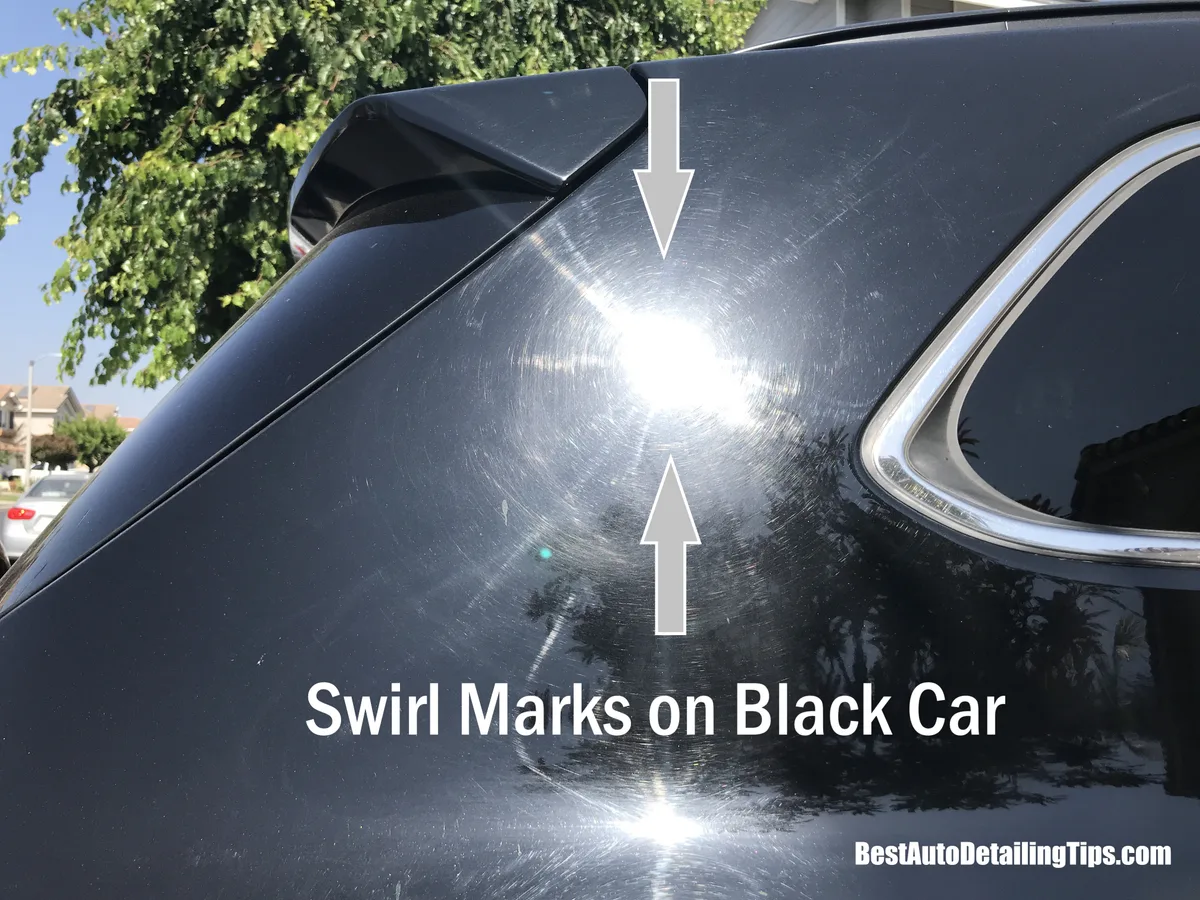
Paint damage is the number one risk. A dirty mitt, the wrong brush, or dish soap that strips wax guarantees unhappy customers. Scratches and swirl marks are permanent without professional buffing. If you damage a customer's car, you're liable.
That means either paying for a detailer to fix it or facing a small claims lawsuit.
General liability insurance is non-negotiable. As of 2026, a basic policy covering vehicle damage and property liability costs about $200 to $600 per year. That's less than the profit from ten washes. Some mobile detailers skip this, and one accident wipes them out.
Don't be that person.
Water runoff regulations matter more than you'd think. In many areas, dumping soapy water into storm drains is illegal under the Clean Water Act. You need to wash on a surface that absorbs or contains the water, grass, gravel, or a driveway that drains onto your own property. If a neighbor complains or a code enforcement officer spots you, fines can hit hundreds of dollars.
Noise ordinances can shut you down. Pressure washers are loud. Most residential areas have quiet hours, typically before 8 a.m. and after 8 p.m. Check your local rules before you fire up a gas-powered unit at 7 a.m. on a Saturday.
Understanding these risks upfront keeps you from learning the hard way. The gear is cheap. The legal and safety side is where beginners get tripped up.
How to Wash a Car Without Ruining the Paint (Safe 8-Step Process)
Bing (Web (fair-use with source credit))
This is the core skill. You need a process that delivers a clean, scratch-free result every single time. Here's the sequence that professional detailers use, adapted for a driveway setup.
Step 1: Set up in the shade or work early. Direct sunlight dries soap onto paint, leaving water spots and residue. Park the car in a shaded spot, or wash early in the morning or late afternoon.
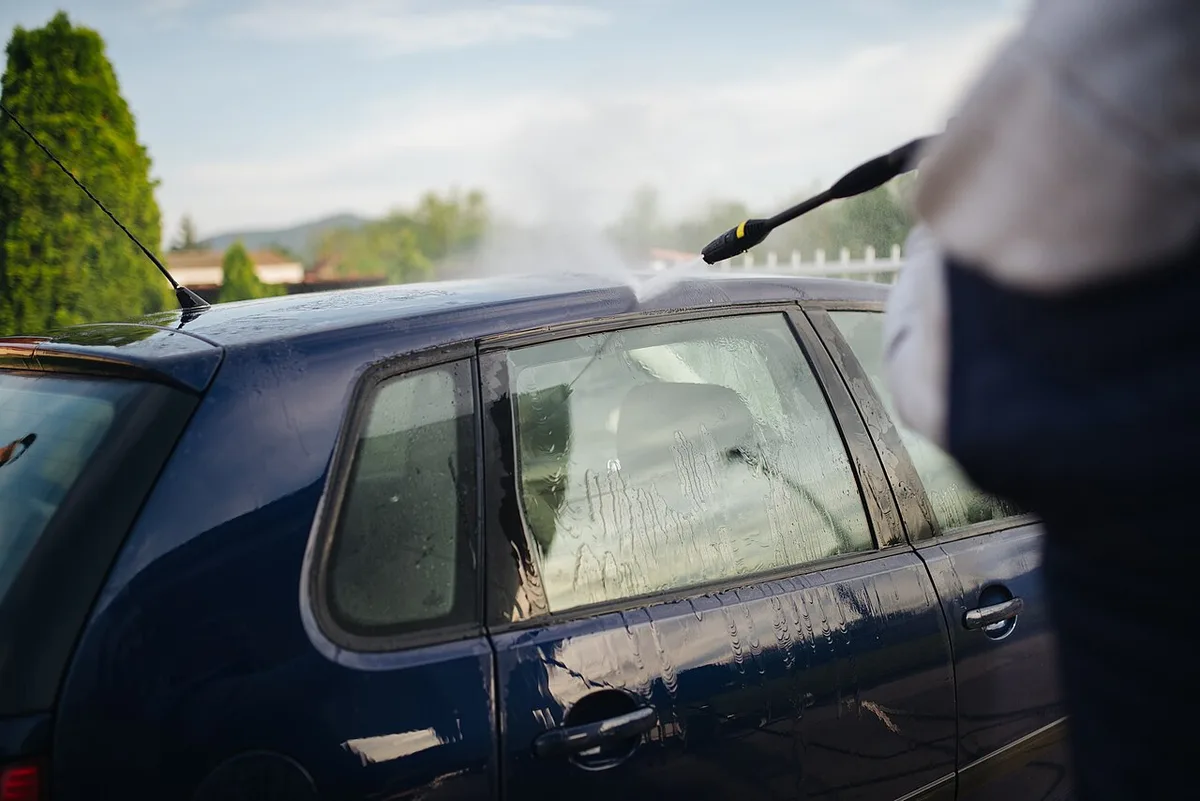
Step 2: Pre-rinse the car. Use a hose or pressure washer on low pressure to knock off loose dirt and grit. Don't touch the paint yet. Wet the entire car from top to bottom.
Step 3: Clean the wheels first. Use a separate bucket, a dedicated wheel brush, and a different mitt than your body wash setup. Brake dust and road grime are abrasive. If you use the same mitt on paint, you drag that grit across the clear coat.
Aggregate buyer reports confirm that using a dedicated wheel brush minimizes the chance of cross-contamination. And if you're wondering about brushes in general, our research clarifies whether car wash brushes scratch paint, the short answer is yes, unless you use the right type.
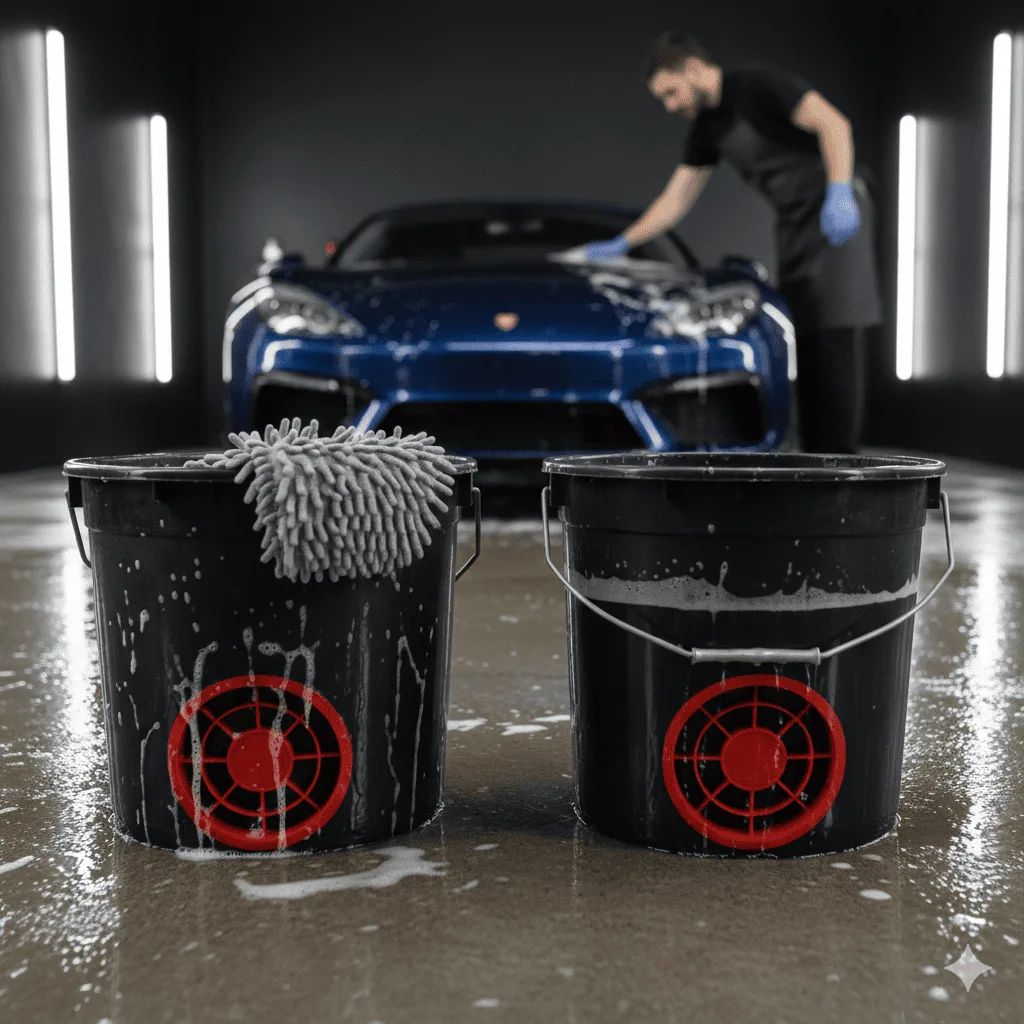
Step 4: Set up the two-bucket method. Fill one bucket with soapy water and one with plain water. Insert a grit guard in each. Dip your mitt in the soap bucket, wash a panel, then rinse the mitt in the clean water bucket before re-soaping.
This traps dirt at the bottom and keeps your wash water clean.
Step 5: Wash from top to bottom, one panel at a time. Roof, hood, windows, sides, then lower panels. Rinse your mitt in the clean bucket after every panel. Never press hard, let the soap and mitt do the work.
Step 6: Rinse thoroughly. Remove all soap residue. Leftover soap streaks are obvious and will annoy customers.
Step 7: Dry with a clean microfiber towel. Pat dry rather than drag. Use one towel for the body and a separate one for windows and trim. Damp towels can scratch, so keep extras dry.
Step 8: Apply tire dressing if offering it. A spray or gel on the sidewalls finishes the look. Let it dry before the customer drives off.
Follow this sequence on every car, and you'll catch issues before they happen. One more thing: never use dish soap. It's designed to strip grease, not protect paint.
We've covered exactly why dish soap damages cars and what to use instead.
Your Step-by-Step Checklist for Launching This Week
You don't need a month to get started. If you can spare two or three evenings, you can be washing cars by the weekend. Here's the order of operations.
Day 1: Get your paperwork in order.
- Check your city or county website for business license requirements. Many cost under $100 and take 30 minutes.
- Buy general liability insurance. A few providers offer policies specifically for mobile washers and detailers.
- Open a separate bank account for your washing income. It makes tax reporting much easier.
Day 2: Buy your gear.
- Order the bucket kit, mitts, towels, soap, and grit guards from the list above.
- If buying a pressure washer, confirm the PSI is within the safe range for car paint, typically 1,200 to 2,000 PSI with a wide nozzle.
- Pick up a spray bottle and waterless wash solution for interiors or spot cleaning.
Day 3: Set your prices and plan your marketing.
- Look at what other local washers charge for a basic exterior wash. In most markets, $30 to $50 is standard for a car, $40 to $60 for an SUV or truck.
- Print a few simple flyers or door hangers. Walk your neighborhood or nearby streets. Offer a "first wash" discount for word-of-mouth referrals.
- Create a simple text-based booking system. You can manage everything from your phone.
Day 4: Wash your first car for practice.
- Run through the 8-step process on your own car or a family member's. Time yourself. Fix any friction points in your setup.
- Take before and after photos. They'll be your marketing material.
Day 5: Start booking.
- Post in neighborhood Facebook groups or Nextdoor. Tell people you're launching locally.
- Offer a neighbor a free wash in exchange for a testimonial and permission to use photos.
- Collect payment after each wash, cash, Venmo, or a simple card reader all work.
That's it. Five days, and you're operational. The key is to keep it simple and add services (interior wiping, waxing, ceramic boosters) only after you've built a base of repeat exterior washes.
You don't need a month to get started. If you can spare two or three evenings, you can be washing cars by the weekend. Here's the order of operations.
Day 1: Get your paperwork in order.
- Check your city or county website for business license requirements. Many cost under $100 and take 30 minutes.
- Buy general liability insurance. A few providers offer policies specifically for mobile washers and detailers.
- Open a separate bank account for your washing income. It makes tax reporting much easier.
Day 2: Buy your gear.
- Order the bucket kit, mitts, towels, soap, and grit guards from the list above.
- If buying a pressure washer, confirm the PSI is within the safe range for car paint, typically 1,200 to 2,000 PSI with a wide nozzle.
- Pick up a spray bottle and waterless wash solution for interiors or spot cleaning.
Day 3: Set your prices and plan your marketing.
- Look at what other local washers charge for a basic exterior wash. In most markets, $30 to $50 is standard for a car, $40 to $60 for an SUV or truck.
- Print a few simple flyers or door hangers. Walk your neighborhood or nearby streets. Offer a "first wash" discount for word-of-mouth referrals.
- Create a simple text-based booking system. You can manage everything from your phone.
Day 4: Wash your first car for practice.
- Run through the 8-step process on your own car or a family member's. Time yourself. Fix any friction points in your setup.
- Take before and after photos. They'll be your marketing material.
Day 5: Start booking.
- Post in neighborhood Facebook groups or Nextdoor. Tell people you're launching locally.
- Offer a neighbor a free wash in exchange for a testimonial and permission to use photos.
- Collect payment after each wash, cash, Venmo, or a simple card reader all work.
That's it. Five days, and you're operational. The key is to keep it simple and add services (interior wiping, waxing, ceramic boosters) only after you've built a base of repeat exterior washes.
Pricing Your Wash Right – What to Charge and Why
Set your prices too low, and you burn out fast. Set them too high, and nobody calls. The sweet spot depends on your area, your setup, and what you include.
In most suburban markets as of 2026, a basic exterior hand wash runs $30 to $50 for a sedan and $40 to $60 for a larger SUV or truck. That covers a pre-rinse, two-bucket wash, wheel cleaning, and a hand dry. Tire dressing and interior wipedown add another $10 to $20.
Check what other local washers are charging. If you see a guy with a bucket and dish soap asking $20, don't match him. He's not your competition.
Your customer is someone who wants their paint protected and is willing to pay for that care. Price above the bottom tier and below the full detail shops. That's where the repeat business lives.
Common Mistakes That Cost You Customers and Cash
Bing (Web (fair-use with source credit))
Using dish soap is the fastest way to lose a customer. It strips wax and dries out rubber seals. Someone will ask you to "just use Dawn," but say no and explain why. We already covered the damage dish soap causes, and it's worth re-reading that so you have the facts ready.
Skipping the grit guard is another big one. Dirt sits at the bottom of your bucket and comes right back onto the mitt. Every pass grinds that grit against the clear coat. Swirl marks show up in sunlight, and customers notice within a few washes.
Washing in direct sunlight guarantees water spots. Even with proper drying, soap and minerals can etch into the paint. Work in the shade or adjust your hours.
Rushing the drying step causes streaks and spotting. Use a clean, dry microfiber towel. Pat the surface instead of dragging. If you reuse a damp towel, you push water and dirt across a panel you just cleaned.
That's wasted effort.
Insurance, Licenses, and the Law (What You Can't Skip)
You need three things before you wash someone else's car: a business license, general liability insurance, and an understanding of water runoff rules.
A business license typically costs $50 to $200 per year depending on your city. It takes an afternoon to apply. Without one, you risk fines and look unprofessional if a customer ever asks.
General liability insurance runs about $200 to $600 annually. It covers accidental damage to a customer's vehicle or property. Our research shows that one paint correction claim can easily cost $500 to $1,500.
The policy pays for itself the first time a customer's door ding gets blamed on your pressure washer.
Water runoff is the law people forget. Soapy water cannot go into storm drains in most areas. Wash on grass, gravel, or a permeable driveway.
Some cities require a catch basin or a containment mat. Check your local environmental agency's website for the specific rules in your county.
Pro Tips for Building a Repeat Customer Base
A one-time wash is fine. A weekly or biweekly customer is where the real money lives. Here's how you earn that loyalty.
Ask for the next booking before you leave. After the final wipe, say "I can put you on my schedule for two weeks from now if you want." Most people will say yes if the wash looked good. You lock in future income without extra marketing.
Offer a small loyalty incentive. A free wash after every five paid washes works well. It costs you a little profit but guarantees they come back. Track it with a simple punch card or a note on your phone.
Take photos of every car you wash. Ask permission first. Then send the customer a picture of their clean car with a thank-you message. It gives them something to share and reminds them how good the work looked.
Follow up after rain or pollen season. A quick text saying "Hey, your car probably needs a refresh after all that weather. I have an opening Thursday." Most people appreciate the nudge.
Real-Life Example: What a First Week Actually Looks Here
Let's tie this together. Imagine a first week with ten washes on the books. You start with five neighbors at $35 each.
Word gets around, and by Wednesday you have three referrals. By Saturday you squeeze in two more.
That's ten washes at an average of $40. Total revenue: $400. Supplies cost about $3 per wash, so $30.
Your insurance is already paid for the year. Gas for driving to each house might run $15. Profit: roughly $355 for the week.
On a per-wash basis, you spend about 40 minutes at the car plus 10 minutes driving and setup. That's about 50 minutes per job. Ten washes equals about 8.5 hours of work.
At $355, your effective hourly rate lands around $41 an hour.
That beats a lot of part-time jobs. And as you build a regular route and cut travel time, that number goes up. The first week proves one thing: the math works if you price smart and don't skip the basics.
Frequently Asked Questions
Do I need a pressure washer to start?
No. A garden hose with a spray nozzle works fine for your first few weeks. A pressure washer speeds things up and impresses customers, but it's not required.
If you do buy one later, keep the PSI between 1,200 and 2,000 with a 40-degree nozzle.
How do I handle a customer who complains about scratches?
Stay calm and honest. Inspect the car together before you start next time. Take photos of every panel from a few feet away.
If you caused damage, pay for the repair out of pocket or through your insurance. A single honest fix builds more trust than a hundred arguments.
What's the best way to find customers in a new neighborhood?
Walk the block with a simple flyer and a friendly attitude. Offer a discount for the first wash. Ask satisfied customers to text a friend.
Our research shows that neighbor referrals convert at a much higher rate than online ads.
How do I handle payment without looking unprofessional?
Accept cash, Venmo, Zelle, or PayPal. Keep a simple QR code on your phone or printed on a card. Collect payment immediately after the wash.
If someone asks to pay later, politely explain that payment is due upon completion.
Can I wash cars in winter?
Yes, but adjust your process. Use warm water if possible and work in a garage or covered area. Dry every surface thoroughly to prevent ice from forming on door seals.
Some customers pause during cold months, but others appreciate having a clean car even in snow.
Your Next Move – Start Safe and Smart
You now have the full playbook. The gear list is ready. The process is mapped out.
The risks are identified.
Your next step is simple. Buy your bucket, mitts, and soap. Set up a separate bank account.
Call your local city office about a business license. Then wash your own car using the 8-step method.
Once you nail that, offer a neighbor a free wash in exchange for a referral. Take photos. Build your confidence.
Every professional detailer started the exact same way, with a bucket and a driveway.
The opportunity is real. The math works. The only thing missing is your first customer.