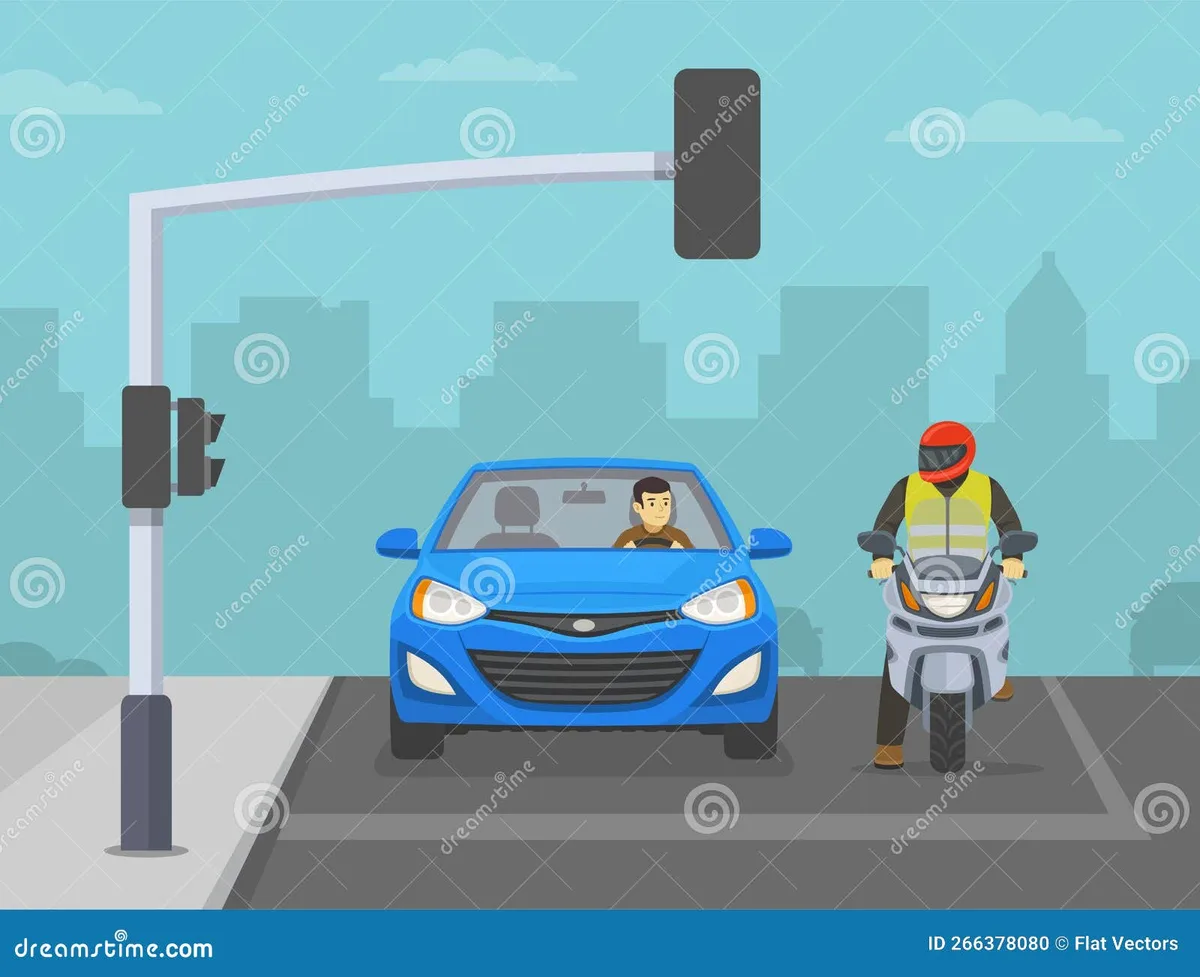
Sitting at a red light on your bike while cars breeze through can feel like a bad joke. The Idaho stop and proceed law for motorcycles at red lights fixes that, letting riders move forward after a full stop if the signal won't change. It's not a free pass though.
You still have to follow strict rules to stay legal and safe.
As of 2026, about 18 states have adopted some version of this law, but the specifics vary. Idaho was first in 1982, and others like Utah and Tennessee set wait times before you can proceed. Here's what you need to know to do it right.
Quick Answer
The Idaho stop and proceed law for motorcycles at red lights lets riders treat a red as a stop sign. You must come to a full stop first. The light must fail to change after a set time.
No cross traffic or pedestrians can have the right of way. Then you may proceed cautiously.
Why This Law Exists and Where It Applies
Motorcycles often don't trigger traffic sensors because they're lighter than cars. This leaves riders stuck at red lights indefinitely, wasting time and fuel. The Idaho stop law solves this by allowing motorcycles to proceed after a reasonable stop when the signal doesn't detect them.
Idaho was the first to pass this in 1982. Since then, states like Utah, Washington, and Tennessee have followed with their own versions. Each state sets its own rules, like wait times or proof the light was non-responsive.
As of 2026, about 18 states have some form of this law, but the rest still require full compliance with red lights.
How Traffic Sensors Work (and Why They Fail for Bikes)
Most traffic lights use induction loops buried in the pavement to detect vehicles. These loops sense metal, so cars and trucks trigger them easily. Motorcycles, especially those with carbon fiber frames or lightweight builds, often don't register.
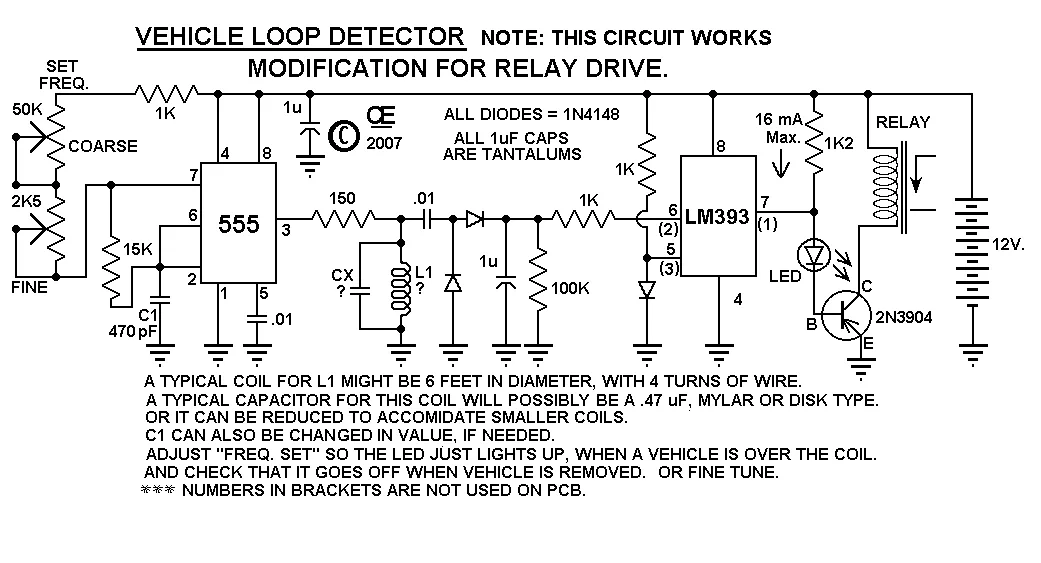
Other systems use cameras or radar, but induction loops are the most common. If your bike isn't heavy enough or isn't positioned over the loop, the light won't change. That's where the Idaho stop law comes in.
It acknowledges that sensors aren't perfect.
The Exact Legal Conditions to Proceed on Red
You can't just roll through a red light. The law requires a full stop at the limit line or before the intersection. In some states, like Utah, you must wait at least 90 seconds before proceeding.
Others, like Idaho, don't specify a time but expect a "reasonable" stop.
You must also confirm that no cross traffic or pedestrians have the right of way. If the light changes while you're waiting, you must obey it. The law only applies when the signal fails to detect you, not when you're just impatient.
States That Allow It vs. States That Don't
Not every state recognizes the Idaho stop for motorcycles. Idaho, Utah, and Tennessee are among the most well-known adopters, but the rules differ. For example, Tennessee requires a 120-second wait, while Idaho leaves it to the rider's judgment.
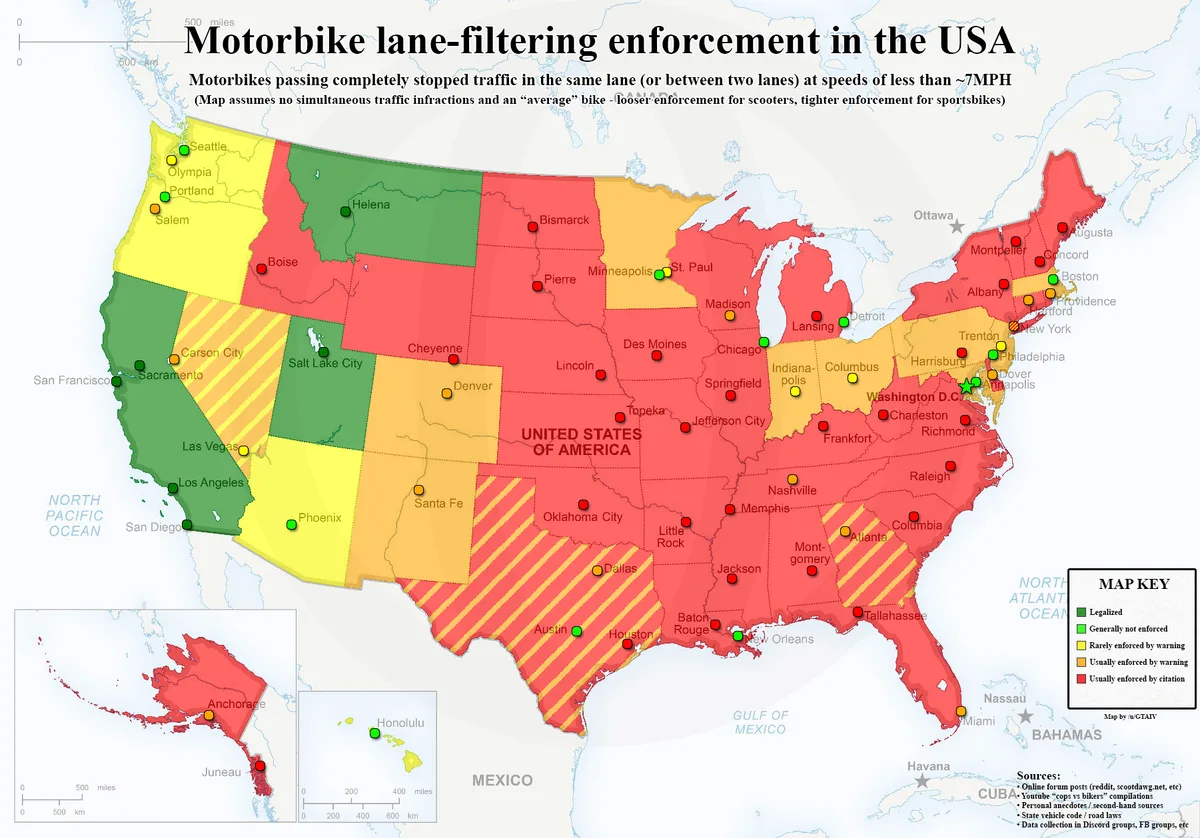
States without this law treat running a red light as a violation, even if the sensor didn't detect you. Always check local regulations before proceeding. The American Motorcyclist Association tracks updates on state laws.
Step-by-Step: How to Legally and Safely Proceed

Come to a complete stop at the limit line or before the crosswalk. Rolling stops don't count and can get you ticketed. Check for any cross traffic, pedestrians, or cyclists with the right of way.
Wait the required time for your state. Idaho doesn't specify, but Utah requires 90 seconds. Tennessee demands 120 seconds.
If the light changes during your wait, obey it.
Proceed only when it's safe. Move cautiously and be prepared to stop if conditions change. Use hand signals to alert other drivers of your intent.
Common Mistakes That Get Riders Ticketed
Assuming the law applies everywhere is a big error. Only about 18 states have adopted it as of 2026. Riding through without a full stop is another common mistake.
Rolling stops are illegal and dangerous.
Ignoring cross traffic or pedestrians is a sure way to get a ticket or cause an accident. Always yield the right of way. Proceeding too quickly or without caution can also lead to violations.
What to Do If the Light Still Won't Change
If you've waited the required time and the light hasn't changed, double-check your position. Make sure your bike is over the induction loop, usually marked by a line or cut in the pavement. Move slightly forward or backward if needed.
If the sensor still doesn't detect you, look for a pedestrian button. Some intersections have them to manually trigger the light. If all else fails and it's legal in your state, proceed with caution after confirming it's safe.
Safety Risks and How to Mitigate Them
Other drivers may not expect you to proceed on red. Always check for oncoming traffic before moving. Use hand signals to communicate your intentions clearly.
Poor visibility can make it hard to see cross traffic or pedestrians. Avoid proceeding at night or in bad weather unless absolutely necessary. If you're unsure, wait for the light to change or for a car to trigger it.
Real-World Scenarios: When to Go, When to Wait
Late at night with no traffic in sight is a common scenario. If you've stopped, waited, and confirmed it's safe, proceeding is usually legal in states with the law. In heavy traffic, always wait for the light to change normally.
Group rides can complicate things. If the first bike triggers the light, the rest should follow normal rules. If the light doesn't change for the group, each rider must follow the Idaho stop rules individually.
Frequently Asked Questions
Is the Idaho stop law legal in all states
No. Only about 18 states have adopted some version as of 2026. The rest require full compliance with red lights.
Always check local laws before proceeding.
How long do I have to wait before proceeding
It varies by state. Utah requires 90 seconds. Tennessee demands 120 seconds.
Idaho doesn't specify but expects a reasonable stop.
Can I proceed if there's cross traffic
No. You must yield to all cross traffic and pedestrians. Proceeding when others have the right of way is illegal and dangerous.
What if the light changes while I'm waiting
Obey the light. The Idaho stop law only applies when the signal fails to detect you. If it changes, follow normal traffic rules.
Does this law apply to bicycles
Some states extend similar rules to bicycles. Others don't. Check your local regulations for bicycle-specific laws.
What's the fine for violating the law
Fines vary by state. They typically range from $50 to $250. In states without the law, running a red light can result in higher penalties.