If you get pulled over for failing to move over or slow down for emergency vehicles in Illinois, you're facing an Illinois mandatory driver license suspension for Scott's Law violations. This isn't a typical traffic ticket. It triggers automatic administrative penalties that can sideline your license for months or even years.
As of 2026, Scott's Law violations carry some of the harshest penalties in the state. Suspensions start at 90 days for property damage and escalate to a decade for repeat offenses. The clock starts ticking the moment you're cited.
Missing a single deadline can cost you your driving privileges.
Quick Answer
Illinois mandatory driver license suspension for Scott's Law violations starts at 90 days for property damage. First offenses with injury mean a 1-year minimum suspension. Second offenses within 5 years trigger a 5-year suspension.
CDL holders face a 1-year disqualification for any Scott's Law violation.
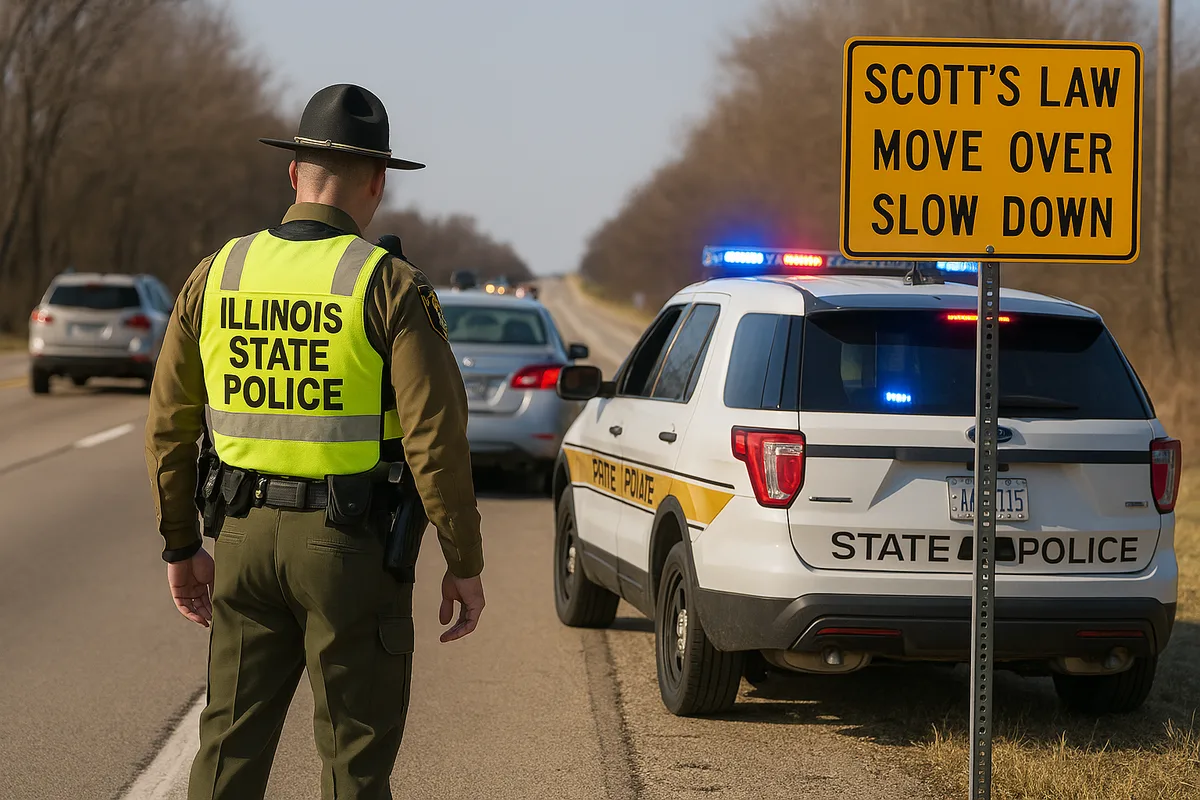
What Triggers a Mandatory License Suspension Under Illinois Scott's Law
Scott's Law (625 ILCS 5/11-907(c)) requires drivers to move over or slow down for stationary emergency vehicles with flashing lights. The law covers police, fire, EMS, IDOT vehicles, tow trucks, and construction or maintenance vehicles with amber or white oscillating lights.
Violations fall into three tiers based on severity:
- Property damage only: 90-day to 1-year suspension
- Personal injury: Minimum 1-year suspension
- Death: Minimum 2-year suspension
A second offense within 5 years jumps to a 5-year suspension regardless of outcome. Third or subsequent offenses carry a 10-year minimum suspension.
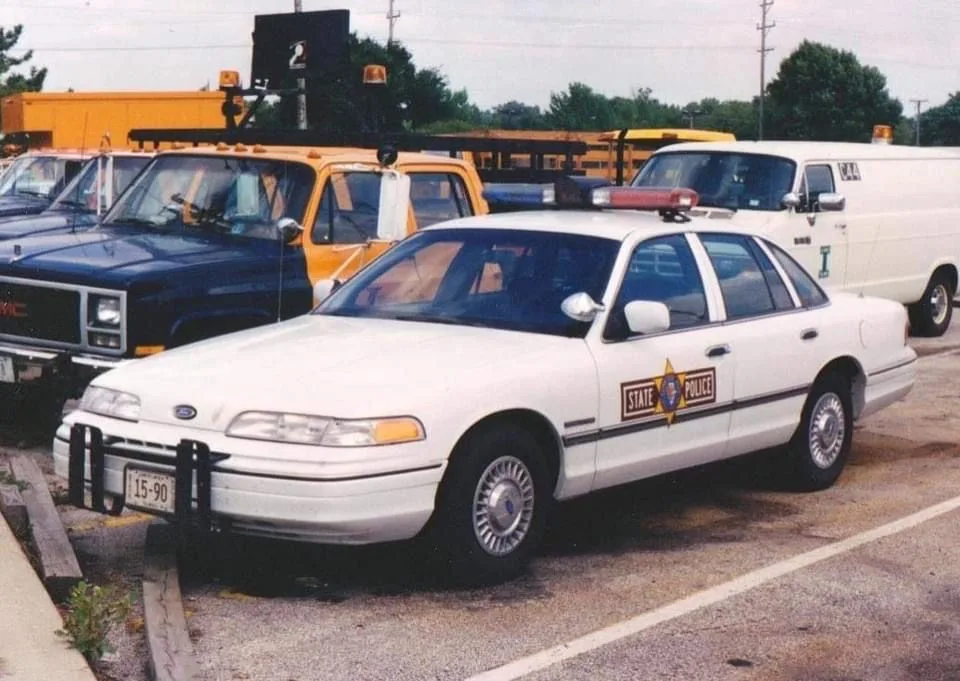
The suspension is administrative. It's handled by the Illinois Secretary of State, not the criminal court. You'll still face fines and possible jail time in court, but the license suspension is a separate penalty.
The Exact Suspension Lengths by Violation Tier
Here's the breakdown of suspension periods under Illinois law:
| Violation Tier | First Offense Suspension | Second Offense Suspension | Third+ Offense Suspension |
|---|---|---|---|
| Property damage | 90 days to 1 year | 5 years | 10 years |
| Personal injury | 1 year minimum | 5 years | 10 years |
| Death | 2 years minimum | 5 years | 10 years |
These are minimum suspension periods. The Secretary of State can extend them based on aggravating factors such as excessive speed or prior violations.
For commercial drivers the stakes are even higher. A Scott's Law violation in any vehicle, personal or commercial, triggers a CDL disqualification of 1 year for a first offense and a lifetime ban for a second offense per FMCSA regulations.
How the Administrative Suspension Process Works (Separate from Court)
The administrative suspension process runs parallel to any criminal charges. Here's how it works:
- Citation Issued: The officer marks the violation as a Scott's Law offense on your ticket.
- Suspension Notice: The Secretary of State mails a notice of suspension but the clock starts the day you're cited.
- Hearing Request: You have 30 days from the citation date to request an administrative hearing to contest the suspension.
- Hearing Scheduled: If requested a hearing is typically set 60 to 120 days out at a regional Secretary of State facility.
- Hearing Decision: The hearing officer mails a decision within 30 days. If the suspension is upheld it begins immediately unless stayed pending appeal.
If you don't request a hearing within 30 days the suspension goes into effect automatically. This is a common mistake. Many drivers assume the court case handles everything but the administrative suspension is a separate process.
The 30-Day Hearing Deadline and What Happens If You Miss It
The 30-day deadline to request a hearing is non-negotiable. Miss it and your license is suspended by default.
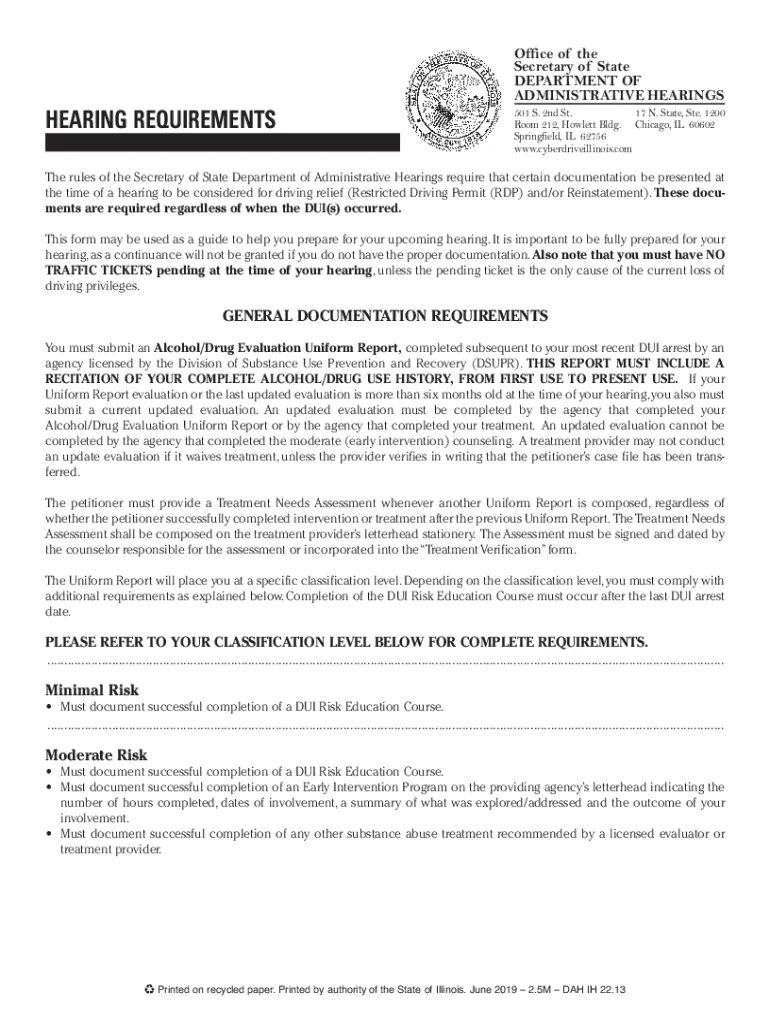
Here's what you need to know:
- Day 0: The date on your citation is day zero. The 30-day countdown starts immediately.
- Request Method: You must submit a written request to the Secretary of State's Administrative Hearings Division. Online or phone requests aren't accepted.
- Stay of Suspension: Filing a timely hearing request stays (pauses) the suspension until the hearing is decided.
- No Extensions: The Secretary of State doesn't grant extensions for missed deadlines. If you're even one day late the suspension stands.
If your suspension is upheld you'll receive a start date in the mail. You must surrender your license to the DMV on that date or risk additional penalties for driving on a suspended license.
Can You Still Drive? Permits, Exceptions, and CDL Consequences
No you cannot drive during a Scott's Law suspension. Unlike DUI cases there's no Monitoring Device Driving Permit (MDDP) or restricted permit available for Scott's Law violations.
The only exception is if you win your administrative hearing or get the citation amended to a non-suspension offense. Otherwise driving on a suspended license adds another charge with its own penalties including extended suspension periods and possible jail time.
For CDL holders the consequences are even more severe. A Scott's Law violation in any vehicle triggers a 1-year CDL disqualification for a first offense. A second offense means a lifetime ban from operating commercial vehicles per FMCSA regulations.
How to Fight the Suspension: Step-by-Step Hearing Strategy
Your best chance to avoid suspension is at the administrative hearing. Here's how to prepare:
Request the hearing in writing within 30 days of your citation. The Secretary of State's Administrative Hearings Division handles these cases and you'll need to submit your request to their Springfield office.

Gather evidence to challenge the violation. This can include dashcam footage, witness statements, or proof that the emergency vehicle wasn't properly marked. Subpoena the citing officer and any witnesses at least 10 days before the hearing.
At the hearing the officer must prove by a preponderance of evidence that you violated Scott's Law. You or your attorney can cross-examine the officer and present your own evidence. The hearing officer will then issue a decision within 30 days.
What a Traffic Attorney Can (and Can't) Do for You
A traffic attorney can significantly improve your chances of avoiding suspension. They understand the hearing process, know the local prosecutors and hearing officers, and can often negotiate to have the citation amended to a non-suspension offense.
Attorneys can also help you gather and present evidence effectively. They'll know what arguments work best with hearing officers and can cross-examine the citing officer to find inconsistencies in their testimony.
However no attorney can guarantee a win. The hearing officer has broad discretion and if the evidence clearly shows a violation the suspension will likely stand. Also attorneys can't stop the criminal court process which runs separately from the administrative hearing.
Costs You'll Face: Fines, Fees, and Long-Term Insurance Fallout
Scott's Law violations come with steep financial penalties. Fines start at $250 for a first offense and jump to $750 for a second offense within 5 years. A third or subsequent offense carries a $1,000 fine.
In addition to fines you'll face a $500 reinstatement fee plus a $70 license fee when you're eligible to get your license back. If your suspension lasts more than a year you may also need to retake the written and driving exams.
The long-term costs can be even higher. A Scott's Law violation adds 25 points to your driving record which will likely cause your insurance premiums to skyrocket. You'll also need to file an SR-22 certificate for 3 years which adds another $25 to $50 to your insurance costs and signals to insurers that you're a high-risk driver.
Scott's Law vs. Other Illinois Traffic Suspensions
Scott's Law suspensions are unique in several ways. Unlike most traffic violations they trigger mandatory administrative suspensions that run parallel to any criminal court proceedings. There's also no option for court supervision which means you can't avoid the suspension by completing traffic school or other requirements.
Here's how Scott's Law suspensions compare to other common Illinois traffic suspensions:
| Suspension Type | Minimum Length | Court Supervision Available | Driving Permit Available |
|---|---|---|---|
| Scott's Law | 90 days to 10 years | No | No |
| DUI (Statutory Summary) | 6 months | No | Yes (MDDP) |
| Excessive Points | 2 months | Yes | Yes |
| No Insurance | 3 months | Yes | Yes |
Real-Life Scenarios: What Actually Happens in Court and Hearings
In Cook County prosecutors often push for the maximum penalties. If you're cited for Scott's Law with injury expect them to argue for the full 1-year suspension. The hearing officer will weigh the officer's testimony against any evidence you present.
Downstate the process may move faster but the outcomes are similar. In rural areas hearing officers might be more lenient if you have a clean record but the law's mandatory minimums limit their discretion.
A common scenario involves drivers who didn't see the emergency lights. The law doesn't require intent so "I didn't notice" isn't a valid defense. The officer only needs to prove you failed to move over or slow down.
Common Mistakes That Guarantee You'll Lose Your License
Missing the 30-day hearing request deadline is the most common mistake. Once that window closes the suspension is automatic and non-negotiable.
Another frequent error is assuming the criminal court case handles everything. The administrative suspension is a separate process and you must fight it independently.
Many drivers also fail to gather evidence. Without dashcam footage, witness statements, or proof of improper vehicle marking your chances of winning the hearing drop significantly.
Finally representing yourself without understanding the process can be costly. Hearing officers follow specific procedures and without legal knowledge you might miss critical opportunities to challenge the evidence.
FAQs About Scott's Law Suspensions in Illinois
How long do I have to request a hearing?
You have exactly 30 days from the date on your citation to request a hearing in writing. Missing this deadline means an automatic suspension.
Can I get a restricted driving permit during my suspension?
No. Unlike DUI cases Scott's Law violations don't qualify for any type of restricted or hardship permit.
What happens if I'm a CDL holder?
A Scott's Law violation in any vehicle triggers a 1-year CDL disqualification for a first offense. A second offense means a lifetime ban from commercial driving.
Will my insurance rates go up?
Yes. A Scott's Law violation adds 25 points to your record which will likely cause your premiums to increase significantly. You'll also need an SR-22 for 3 years.
Can I appeal the hearing officer's decision?
Yes. You can file a Petition for Judicial Review in circuit court within 35 days of the hearing decision. This is your only option if the suspension is upheld.