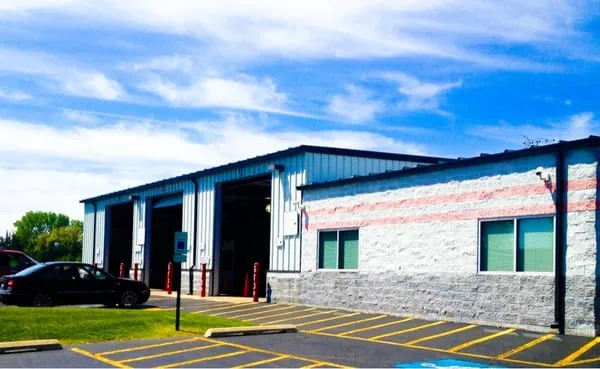
If your 1996 or newer gasoline vehicle needs registration in Illinois, you’ll face the Illinois On-Board Diagnostic OBD test for 1996 and newer gasoline vehicles. This test checks your car’s emissions system to ensure it meets state standards. It’s a legal requirement in many counties, and failing it can block your registration.
The test relies on your vehicle’s OBD-II system, which monitors emissions components in real time. As of 2026, Illinois requires this for most gasoline vehicles from 1996 onward, with a few exceptions based on model year and location.
Quick Answer
The Illinois On-Board Diagnostic OBD test for 1996 and newer gasoline vehicles checks your car’s emissions system. It scans for trouble codes and verifies readiness monitors. A passing result is required for registration in designated counties.
The test takes about 15 minutes at an official station.
Why Illinois Requires an OBD Test for Registration
Illinois enforces the OBD test to reduce air pollution. The Illinois Environmental Protection Agency (IEPA) mandates it for vehicles in areas with higher emissions, like Cook, DuPage, and Lake counties.
This test ensures your car’s emissions control systems are working as designed. It’s part of the federal Clean Air Act requirements, which Illinois adopted to improve air quality. Without a passing result, you can’t renew your vehicle registration.
Which Vehicles Must Take the Illinois OBD Test
Most gasoline-powered vehicles from 1996 and newer must pass the OBD test. This includes cars, trucks, and SUVs under 8,500 pounds gross vehicle weight.
Exemptions apply to:
- Vehicles older than 1996
- Diesel-powered vehicles
- Motorcycles and electric vehicles
- Vehicles registered in non-testing counties
Check the IEPA’s official site for the latest list of required and exempt vehicles.
How the OBD Test Works in Illinois
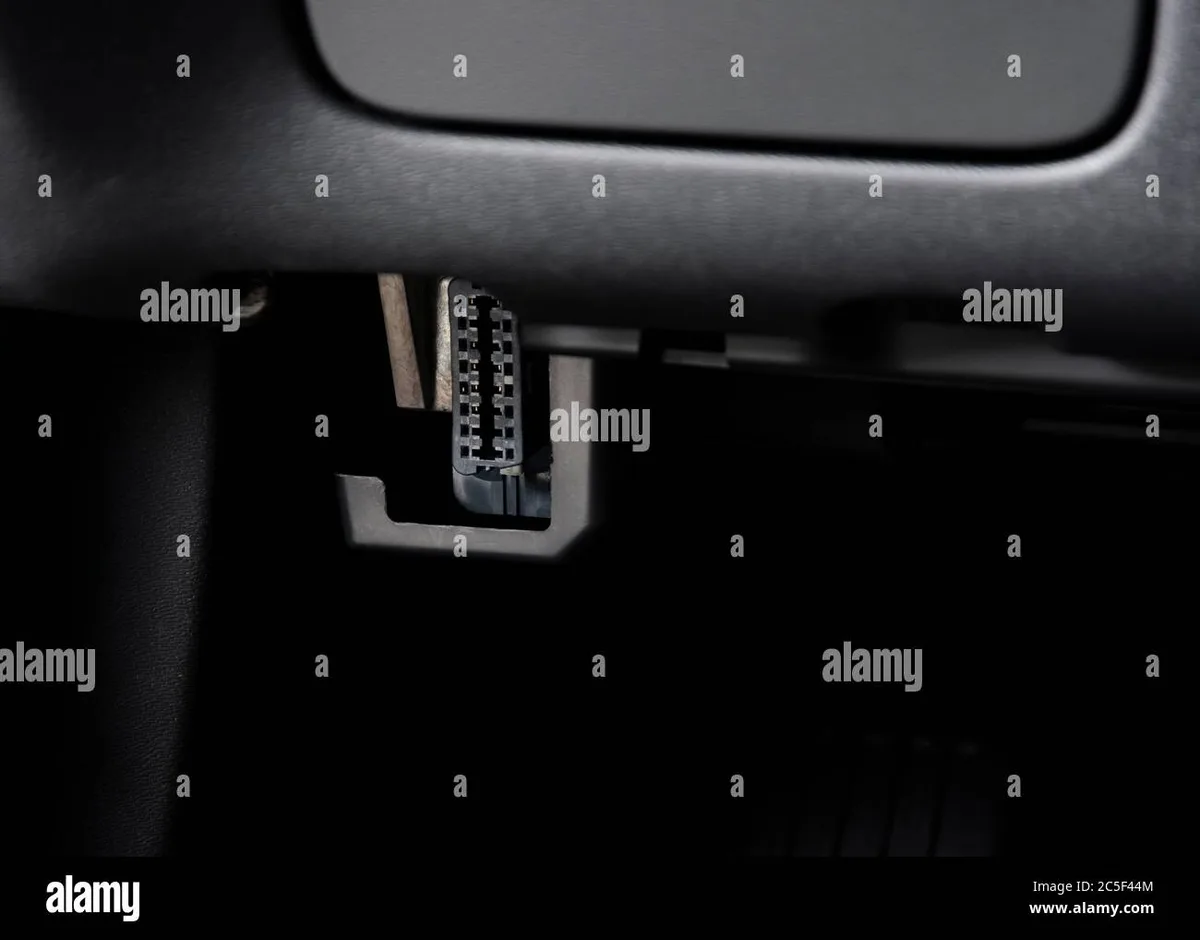
The test connects a scanner to your vehicle’s OBD-II port, usually located under the dashboard near the steering column. The scanner checks for stored trouble codes and verifies that key emissions monitors are ready.
Here’s what the test evaluates:
- Catalytic converter efficiency
- Oxygen sensor performance
- Evaporative emissions system
- Fuel system status
- Misfire detection
If any of these systems show a fault or aren’t ready, your vehicle may fail the test.
The 5 Readiness Monitors That Must Be "Ready" to Pass
Your vehicle’s OBD-II system runs self-checks called readiness monitors. For the Illinois test, these five must show as "ready":
- Catalyst Monitor, Checks catalytic converter efficiency
- Oxygen Sensor Monitor, Verifies O2 sensor operation
- Evaporative System Monitor, Tests fuel vapor control
- Fuel System Monitor, Ensures proper fuel delivery
- Misfire Monitor, Detects engine misfires
If your battery was recently disconnected or the vehicle hasn’t completed a full drive cycle, some monitors may show as "not ready." This can cause an automatic failure, even if there are no active trouble codes.
What Happens If Your Check Engine Light Is On
If your Check Engine Light is on, your vehicle will automatically fail the Illinois OBD test. The light indicates a stored trouble code, which means the emissions system isn’t operating within normal parameters.
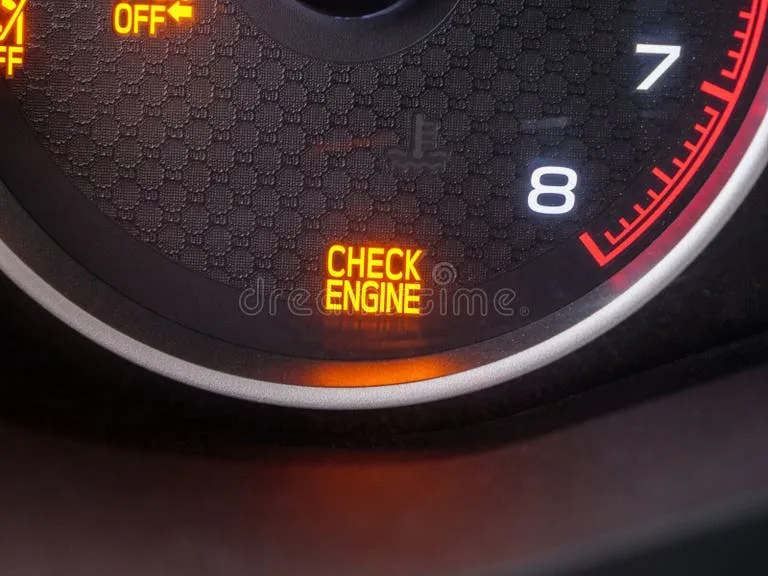
Even if the issue seems minor, the test won’t pass until the light is off and the monitors are ready. Common triggers include a loose gas cap, faulty oxygen sensor, or catalytic converter issues.
Step-by-Step: How to Prep Your Car for the Illinois OBD Test
Start by ensuring your Check Engine Light is off. If it’s on, diagnose and repair the issue first.
Next, drive your vehicle through a full OBD-II drive cycle to reset the readiness monitors. This typically involves a mix of city and highway driving under normal conditions.
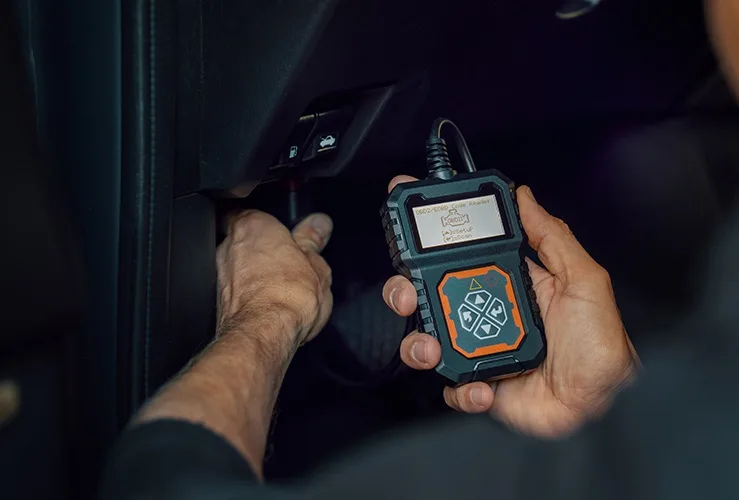
Check your monitors with an OBD-II scanner before heading to the test station. If any show as "not ready," complete another drive cycle.
What to Do If Your Vehicle Fails the OBD Test
If you fail, the test station will provide a report showing why. Common reasons include active trouble codes or incomplete readiness monitors.
You’ll need to address the issue and retest. Illinois allows one free retest within 30 days.
For persistent issues, a professional mechanic can help diagnose and repair the problem. Keep all receipts if you plan to apply for a waiver.
Illinois OBD Test Waiver: When You Qualify and How to Get It
Waivers are available if your vehicle fails but you’ve spent at least $450 on repairs. As of 2026, this is the minimum threshold for most vehicles.
You’ll need to provide repair receipts and proof of the failed test. The waiver is valid for one year and allows you to register your vehicle even if it doesn’t pass the emissions test.
Not all vehicles or situations qualify. Check with the IEPA or your local test station for specifics.
Common Reasons for Failing (and How to Fix Them)
Faulty Oxygen Sensor
A bad O2 sensor can trigger a Check Engine Light and cause a failure. Replacing it often resolves the issue.
Loose or Damaged Gas Cap
This is a simple fix. Tighten or replace the cap and clear the code.
Catalytic Converter Issues
A failing catalytic converter will cause a failure. This usually requires professional replacement.
Incomplete Readiness Monitors
If monitors aren’t ready, complete a drive cycle. Avoid disconnecting the battery before the test, as this resets the monitors.
Evaporative Emissions Leaks
Small leaks in the EVAP system can trigger a failure. A mechanic can diagnose and repair these.
How Much the Illinois OBD Test Costs and Where to Go
The Illinois OBD test costs $20 as of 2026. This fee covers the basic emissions inspection at official state test stations.
You can find test stations in most counties that require emissions testing. The IEPA website lists all approved locations, including hours and services offered.
Some private repair shops also offer OBD testing, but only state-approved stations can provide the official results needed for registration.
Driving Cycle: How to Reset Your Monitors Before the Test
A proper drive cycle helps reset your readiness monitors. Start with a cold engine and follow this sequence:
- Drive at a steady speed between 40-60 mph for about 5 minutes
- Slow down and coast to a stop without using the brake
- Accelerate smoothly back to highway speed
- Repeat the deceleration and acceleration cycle a few times
This mimics the conditions the OBD-II system uses to test emissions components. Most vehicles complete all monitors within 10-20 minutes of this driving pattern.
Illinois OBD Test vs. Other States: Key Differences
Illinois requires OBD testing for 1996 and newer gasoline vehicles in designated counties. Some states start testing at model year 1995 or include diesel vehicles.
The readiness monitor requirements vary by state. Illinois needs all five key monitors ready, while some states may accept fewer.
Test fees and waiver rules also differ. Illinois offers a $450 repair threshold for waivers, but other states may have higher or lower limits.
Frequently Asked Questions
How often do I need to take the OBD test in Illinois?
You need to test every two years for registration renewal. The exact timing depends on your vehicle’s model year and registration cycle.
What counties in Illinois require the OBD test?
The test is mandatory in Cook, DuPage, Kane, Lake, McHenry, Will, and parts of other counties. Check the IEPA website for the full list.
Can I pass the test if my Check Engine Light is on?
No. An illuminated Check Engine Light means stored trouble codes, which will cause an automatic failure.
How long does the OBD test take?
The test itself takes about 15 minutes. Wait times at stations can vary, especially during peak hours.
What if my vehicle is too old for OBD-II?
Vehicles from 1995 and older typically don’t require OBD testing. They may need a different type of emissions inspection or be exempt entirely.