The Illinois vehicle emissions inspection law of 2005 and air quality standards created a testing program that still catches drivers off guard. You might get a registration renewal notice and realize you need a test you forgot about. The rules change depending on your county and your county and your vehicle age.
Missing the deadline means fines and a blocked registration.
As of 2026 the program covers about 8 million vehicles in the Chicago and Metro East areas. The Illinois EPA reports a pass rate near 88 percent for gasoline vehicles. Most failures trace to a check engine light or a loose gas cap.
Here is what you need to know to pass and move on.
Quick Answer
Illinois requires biennial emissions tests for most gasoline vehicles in nine counties. The 2005 law adopted OBD-II testing for 1996 and newer models. Older vehicles get a tailpipe test.
Hybrids follow the same schedule. Electric vehicles are exempt. Failing triggers a free retest after repairs.
What the Illinois 2005 Vehicle Emissions Law Actually Requires
Public Act 94-0655 took effect January 1 2005. It aligned Illinois with the federal Clean Air Act. The law mandated enhanced testing in ozone nonattainment areas.
It replaced the old single idle test with OBD-II scans for modern vehicles. Tailpipe tests remained for pre 1996 models. A gas cap pressure check became standard for all gasoline vehicles.
The law set specific pollutant limits for hydrocarbons carbon monoxide and nitrogen oxides. Limits vary by model year and vehicle weight class. Diesel vehicles over 8500 pounds GVWR were added later.
The Illinois EPA administers the program through licensed test stations. The Secretary of State enforces compliance at registration renewal.
You must test every two years. The test month is based on your registration expiration. New residents have 30 days to test after registering.
Vehicles four model years old or newer are exempt. Vehicles 1995 and older follow the tailpipe protocol. The law also created repair waivers for costly fixes.
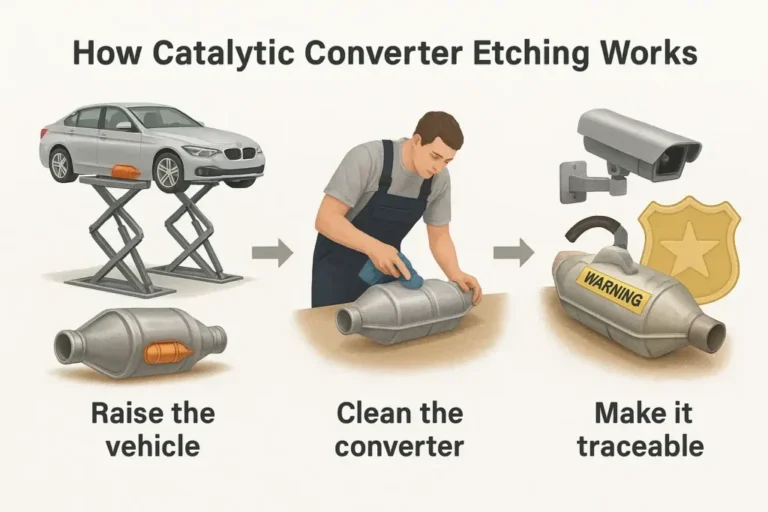
Tampering with emissions equipment carries fines up to 10000 dollars. This includes removing catalytic converters or disabling OBD monitors. The Connecticut catalytic converter theft laws show how seriously states treat emissions equipment.
Illinois penalties mirror this approach.
Which Illinois Counties Need Emissions Testing (and Which Don't)
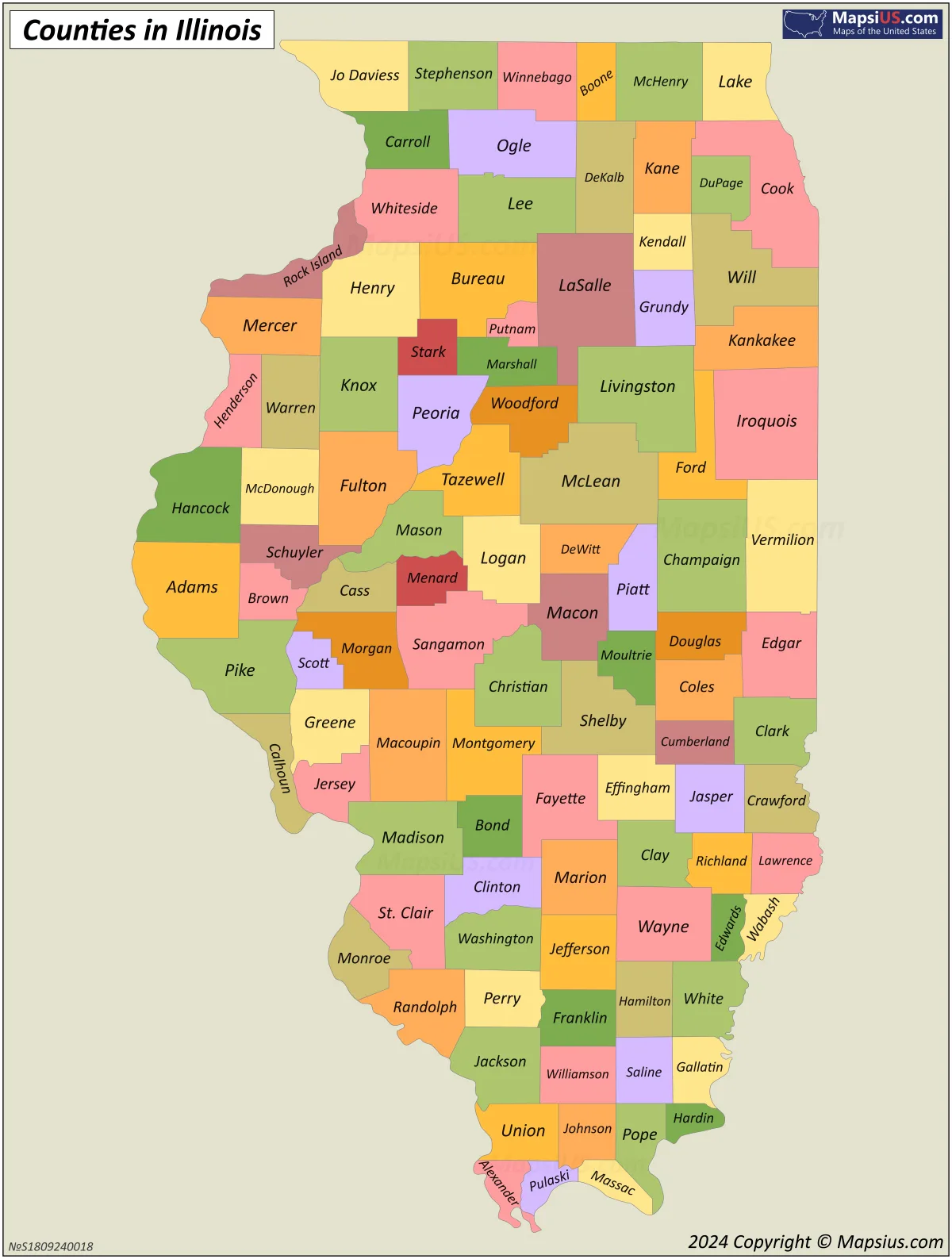
Only nine counties require testing. They fall into two regions. The Chicago metro area includes Cook DuPage Kane Lake McHenry and Will counties.
The Metro East area near St. Louis includes Madison St. Clair and Monroe counties.
All other Illinois counties are exempt.
If you live in an exempt county you do not test. If you work in a test county but live outside it you still test based on registration address. The address on your registration determines obligation.
College students and military personnel follow special rules. Check the IEPA site for your zip code.
The map above shows the exact boundaries. Test counties are shaded. Non test counties are white.
The program targets areas that violate federal ozone standards. The EPA reviews designations every few years. No new counties have been added since 2005.
How the Illinois Emissions Test Works OBD-II vs Tailpipe vs Remote Sensing
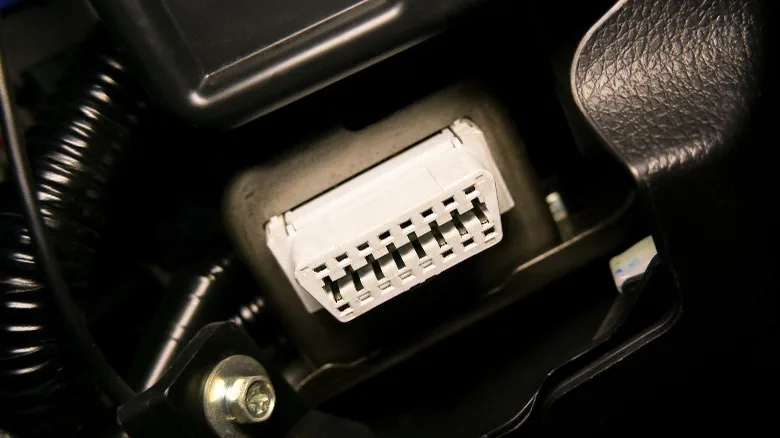
Most 1996 and newer vehicles get an OBD-II scan. The inspector plugs into the port under your dash. The system reads readiness monitors and trouble codes.
All monitors must be ready. A check engine light is an automatic fail.
Pre 1996 gasoline vehicles get a two speed idle tailpipe test. The probe measures hydrocarbons and carbon monoxide at idle and 2500 RPM. Diesel vehicles get an opacity smoke test.
All gasoline vehicles get a gas cap pressure test. A leaking cap fails you.
Remote sensing devices operate on some highways. They measure exhaust as you drive by. A clean reading can exempt you from the next station test.
A dirty reading triggers a test notice. This is not a substitute for the official test. It is a screening tool only.
The OBD-II scan takes about three minutes. The tailpipe test takes about five minutes. You stay in the vehicle.
The inspector prints a certificate. Pass or fail displays immediately. Keep the certificate for registration.
Who Is Exempt New Cars Old Cars Hybrids and Diesels
Vehicles four model years old or newer are exempt. This includes the current year plus three prior years. A 2023 model is exempt through 2026.
The exemption is automatic at the station.
Vehicles 1995 and older follow tailpipe rules. There is no classic car exemption at 25 years in Illinois. Some states exempt 25 year old vehicles.
Illinois does not. If it is 1995 or older and gasoline it tests.
Electric vehicles are fully exempt. No tailpipe means no test. Plug in hybrids test like gasoline vehicles.
The engine runs so it gets tested. Conventional hybrids test on the same schedule as gasoline models.
Diesel vehicles under 8500 pounds GVWR test if 1997 or newer. They get an OBD-II scan. Heavier diesels get an opacity test.
Diesel exemptions are narrower than gasoline. Check the IEPA diesel guide for your specific vehicle.
Motorcycles are exempt. Trailers are exempt. Farm vehicles with farm plates are exempt.
Vehicles with antique plates test if driven on public roads. The registration class determines the rule.
Step by Step How to Get Your Illinois Emissions Test Done Right
Start by checking your registration renewal notice. It will say emissions test required. Note the test month.
You can test up to four months early. Early testing avoids end of month lines.
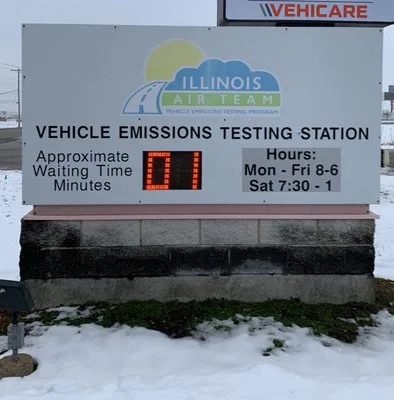
Find a licensed station. The IEPA website has a locator. Most auto shops and some dealerships are licensed.
Look for the blue VEIP sign. Call ahead to confirm hours. Some close for lunch.
Bring your vehicle and registration. The test fee is 20 dollars. Cash or card accepted.
The inspector will ask you to turn off accessories. Radio AC phone charger all off. Engine at operating temperature helps readiness monitors.
The inspector scans the VIN. They plug into the OBD-II port or insert the tailpipe probe. They run the gas cap test.
You get a printed result. Pass means you are done. Take the certificate to the Secretary of State for renewal.
If the check engine light is on do not test. Fix it first. A lit light is an automatic fail.
Readiness monitors must be set. Driving 50 to 100 miles after a repair usually sets them. A scan tool can verify before you go.
If you just bought the car the seller should have tested. Used dealers must provide a passing certificate. Private sellers are not required but should.
No certificate means you test before registering. The California Real ID application requirements show how documentation affects registration. Illinois follows a similar document chain.
New residents test within 30 days. Get an Illinois registration first. Then test.
Then complete registration. The Secretary of State office can explain the sequence. Keep all receipts.
What Happens If You Fail (and How to Fix It Without Overpaying)
You get a printed failure report. It lists the reason and the pollutant limits. Most failures are OBD-II related.
A check engine light or incomplete monitors are common.
The report shows trouble codes. P0420 is a catalytic converter issue. P0440 is an EVAP leak.
P0171 is a lean fuel condition. These are the most frequent codes.
You have 30 days to repair and retest. The retest is free at the same station. Bring the failure report.
The inspector will verify the repairs.
Common fixes are simple. A loose gas cap costs nothing to tighten. A faulty cap is about 20 dollars.
An oxygen sensor runs 50 to 200 dollars. A catalytic converter can cost 500 to 2000 dollars.
If repairs exceed 450 dollars you can apply for a waiver. You need receipts from a licensed repair shop. DIY parts count only with receipts.
Labor must be from a licensed shop.
The waiver is good for one test cycle. Next time you must pass. There is no permanent waiver.
The program is designed to fix vehicles not exempt them.
The Illinois Emissions Waiver When Repairs Cost Too Much
The waiver threshold is 450 dollars. This includes parts and labor. You must spend at least that much.
Receipts must be itemized.
You apply at the test station. Bring the failure report and receipts. The inspector reviews the paperwork.
Approval is immediate if everything is in order.
The waiver covers the current test cycle only. You still must test next time. The vehicle must pass then.
No extensions are granted.
Some repairs do not count. Routine maintenance is excluded. Oil changes and tune ups are not eligible.
Only emissions related repairs qualify.
The waiver does not apply to tampering. Removing emissions equipment voids eligibility. You must restore the vehicle to original configuration.
The fine for tampering is up to 10000 dollars.
Costs Fees and Penalties You Need to Know
The test fee is 20 dollars. Cash or card accepted. The retest after failure is free.
You pay only once per test cycle.
Late fees start at 20 dollars. They increase the longer you wait. Registration suspension follows.
You cannot drive legally with suspended plates.
Driving without a valid test can trigger a 100 dollar fine. Police can verify compliance electronically. They can issue tickets on the spot.
Tampering fines are severe. Removing a catalytic converter can cost 10000 dollars. Disabling OBD monitors is the same.
The vehicle must be restored to pass inspection.
Some counties offer discounts. Senior citizens may get a reduced fee. Check with your local station.
The IEPA website lists current promotions.
Common Mistakes That Get People Fined or Stuck Without Plates
Ignoring the test notice is the top mistake. Many drivers assume it is optional. It is not.
You cannot renew registration without compliance.
Testing too early can cause issues. Readiness monitors may not be set. Drive 50 to 100 miles after a repair.
This ensures monitors are ready.
Forgetting the gas cap test is common. A loose cap fails you. Tighten it before the test.
Replace it if it is cracked.
Assuming hybrids are exempt is wrong. Only full electric vehicles skip the test. Hybrids and plug in hybrids must test.
They follow the same rules as gasoline vehicles.
Diesel owners often miss their test. Diesels under 8500 pounds GVWR test if 1997 or newer. Heavier diesels have different rules.
Check the IEPA diesel guide.
How Illinois Emissions Rules Tie to Air Quality Standards
The program targets ozone and particulate matter. These are regulated by the EPA. Illinois must meet National Ambient Air Quality Standards.
The 2005 law helped reduce violations.
Ozone forms from vehicle emissions. It causes respiratory issues. Children and the elderly are most affected.
The Chicago area has historically struggled with ozone.
Particulate matter comes from diesel engines. It penetrates deep into the lungs. The EPA sets limits for PM2.5.
Illinois monitors these levels closely.
The test counties are nonattainment areas. They violate federal standards. The emissions program helps bring them into compliance.
The EPA reviews progress every few years.
The Illinois EPA reports improvements. Ozone levels have decreased. Particulate matter is down.
The program has contributed to cleaner air.
Where to Get Official Up to Date Info (No Guesswork)
The Illinois EPA runs the program. Their website lists test stations and rules. You can call their hotline for help.
The Secretary of State handles registration.
The IEPA site has a station locator. It shows hours and wait times. You can search by zip code.
Some stations take appointments.
The Illinois EPA also publishes annual reports. They detail pass rates and emissions trends. These reports are public.
They help explain the program's impact.
Frequently Asked Questions
Do I need an emissions test to renew my registration
Yes if you live in a test county. The notice will say emissions test required. You cannot renew without it.
How often do I have to test
Every two years. The test month matches your registration. New residents test within 30 days.
What if my check engine light is on
Fix it first. A lit light is an automatic fail. Drive 50 to 100 miles after repairs to set monitors.
Can I test early
Yes up to four months early. This avoids end of month crowds. The test is valid for the full cycle.
Are motorcycles exempt
Yes. Motorcycles do not require emissions testing. Trailers and farm vehicles are also exempt.