Indiana’s digital license plate pilot program and Reviver plate legality are top of mind for drivers curious about swapping metal for high-tech. The state is testing Reviver’s e-ink plates, but the rules are strict and the program is limited.
As of 2026, only approved participants can legally use these plates, and the Indiana Bureau of Motor Vehicles sets the standards. Here’s what you need to know before considering the switch.
Quick Answer
Indiana’s digital license plate pilot program allows Reviver plates. They’re legal only for enrolled vehicles. The BMV approves each installation.
Standard metal plates remain the default.
How Indiana’s Digital License Plate Pilot Program Works
Indiana launched its pilot program in 2023 to test digital plates under real-world conditions. The Indiana Bureau of Motor Vehicles oversees the initiative, ensuring compliance with state and federal standards.
Only fleet vehicles and select private owners can participate. The BMV reviews applications and approves installations on a case-by-case basis. Manufacturer specs confirm Reviver plates meet visibility and durability requirements.
Key program details:
- Duration: Ongoing as of 2026, with no announced end date
- Eligibility: Limited to approved applicants (fleet or private)
- Oversight: BMV monitors compliance and performance
Reviver Plates: What They Are and How They Differ from Traditional Plates
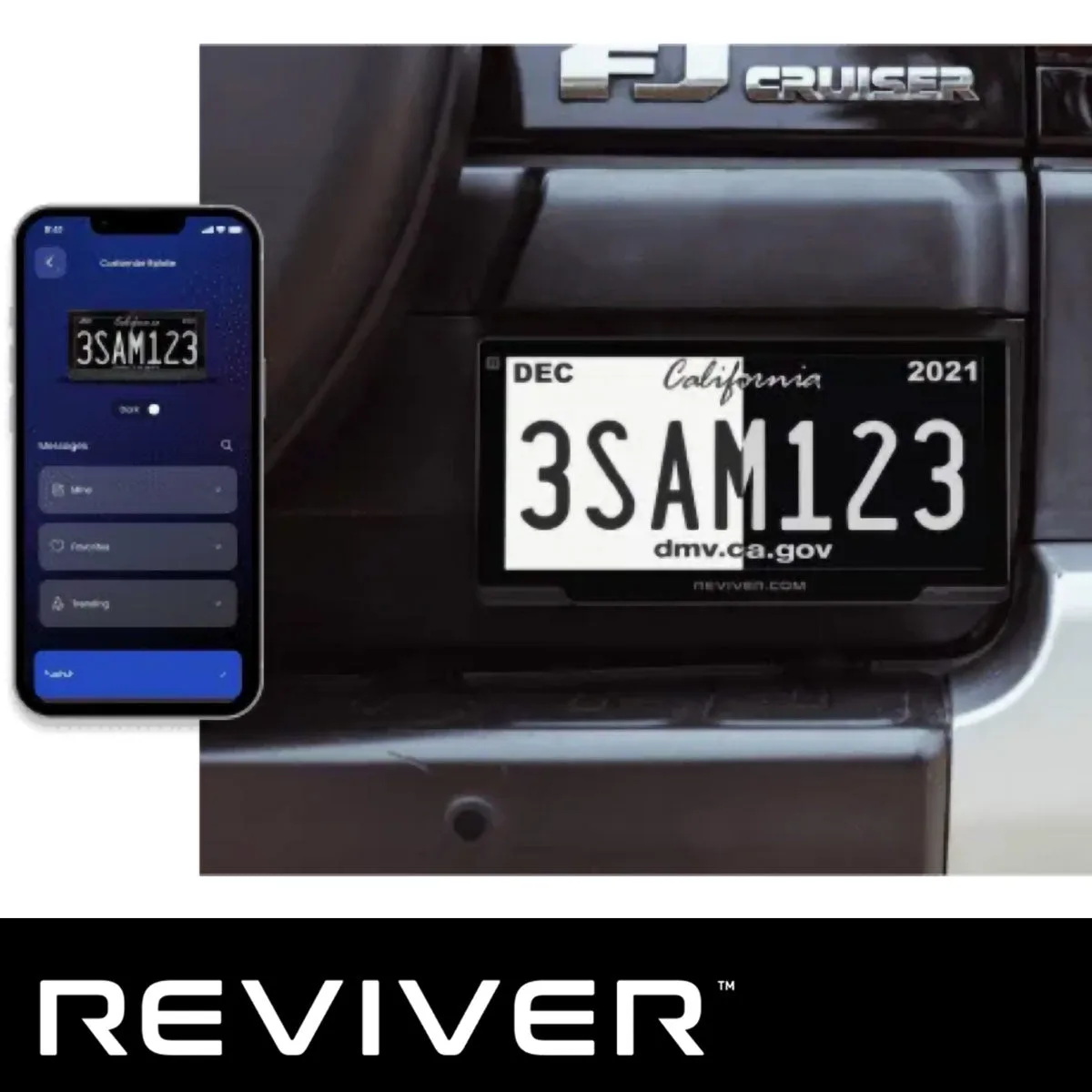
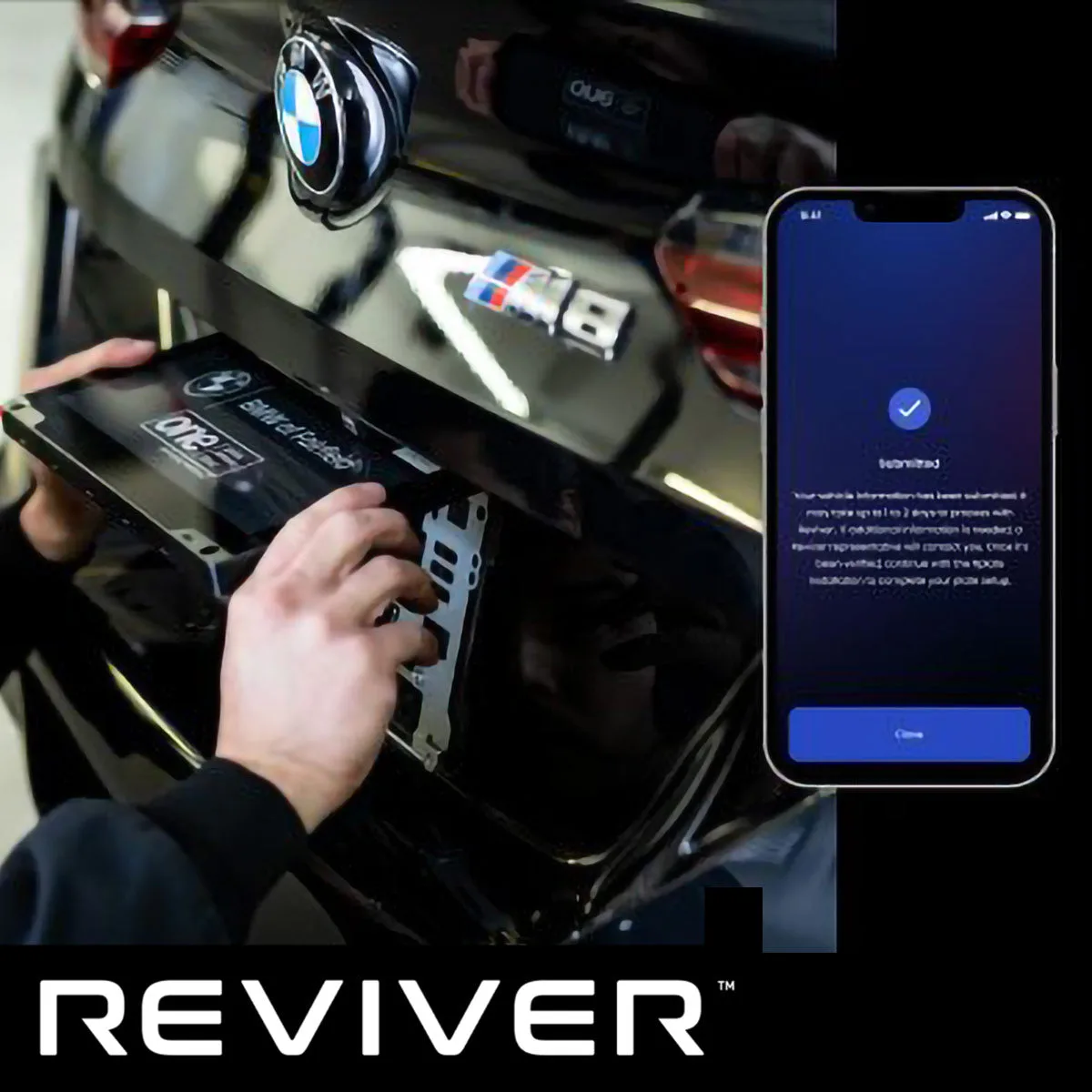
Reviver plates use e-ink technology to display registration info digitally. Unlike traditional metal plates, they update remotely via an app or BMV system. The display remains visible even when the vehicle is off.
How they differ:
| Feature | Reviver Digital Plate | Traditional Metal Plate |
|---|---|---|
| Material | E-ink display | Stamped aluminum |
| Updates | Remote, instant | Sticker or replacement |
| Customization | Limited (legal only) | Vanity options available |
| Power Source | Battery (solar/rechargeable) | None |
| Tamper Resistance | High (encrypted) | Moderate |
The plates are designed to withstand extreme temperatures and weather, per manufacturer testing. They’re also tamper-resistant, with encryption to prevent unauthorized changes.
Who Can Use Digital Plates in Indiana (And Who Shouldn’t)
The pilot program targets specific groups. Fleet operators benefit most, as digital plates simplify registration updates across multiple vehicles. Private owners can apply, but approval isn’t guaranteed.
Who qualifies:
- Fleet vehicles (commercial, government, rental)
- Private owners approved by the BMV
- Vehicles meeting Indiana’s equipment standards
Who should avoid them:
- Drivers uncomfortable with tech dependencies
- Owners of older vehicles with compatibility issues
- Those in areas with poor cellular coverage (for remote updates)
The Legal Fine Print: Indiana BMV Rules for Digital Plates
Indiana’s rules are strict to ensure safety and compliance. The BMV requires all digital plates to display valid registration at all times. Tampering or displaying unauthorized messages is illegal.
Key legal requirements:
- Plates must be BMV-approved and properly installed
- Registration must be current and visible
- No obscene, misleading, or non-compliant messages
- Plates must meet visibility standards (day and night)
Violations can result in fines or plate revocation. Law enforcement can verify digital plates using BMV systems, just like traditional plates.
Step-by-Step: How to Get a Reviver Plate in Indiana’s Pilot Program
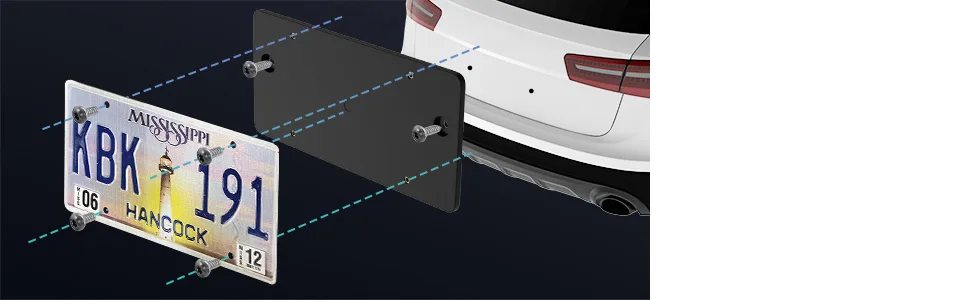
First, check if your vehicle qualifies. The BMV only approves certain fleets and private owners for the pilot.
Next, apply through the BMV’s digital plate portal. You’ll need your vehicle’s registration and proof of insurance. Approval typically takes 2 to 4 weeks.
Once approved, purchase the Reviver plate from an authorized dealer. Installation must follow BMV guidelines. Many drivers choose professional installation to avoid compliance issues.
Costs, Fees, and Hidden Expenses of Digital Plates
Reviver plates come with upfront and recurring costs. The plate itself costs around $20 to $25 per month under a subscription model. Some dealers offer one-time purchase options, but these are less common.
Additional fees may include:
- Installation charges (if not DIY)
- BMV processing fees
- Potential fines for non-compliance
Compare this to traditional plates, which have no ongoing fees after the initial registration.
Pros and Cons of Reviver Plates in Indiana
Pros:
- No more registration stickers. Updates happen digitally.
- Reduced risk of plate theft. Digital plates are harder to steal or forge.
- Convenience. Manage everything via an app.
Cons:
- Higher cost. The subscription adds up over time.
- Tech dependency. Battery or connectivity issues can cause problems.
- Limited availability. Not all vehicles or owners qualify.
Common Mistakes That Could Get You in Trouble
Assuming all vehicles qualify is a big mistake. The BMV approves each case individually. Skipping professional installation can also lead to compliance issues.
Other pitfalls:
- Letting registration lapse. Digital plates must always show valid info.
- Tampering with the display. This is illegal and can result in fines.
- Ignoring software updates. Outdated plates may not meet BMV standards.
What Happens If Your Digital Plate Fails or Gets Hacked?
If the plate fails, it may display a blank or error screen. Indiana law requires you to replace it with a traditional plate immediately. Driving with an unreadable plate can lead to citations.
Reviver plates use encryption to prevent hacking. However, no system is 100% foolproof. If you suspect tampering, report it to the BMV and Reviver support right away.
Manufacturer specs confirm the plates are designed to resist cyber threats. Still, users should monitor their plate’s performance regularly.
Other States Where Digital Plates Are Legal (And How Indiana Compares)
California was the first state to legalize digital plates in 2018. Arizona and Texas followed with their own pilot programs. Each state sets its own rules for approval and usage.
Indiana’s program is more restrictive than California’s. The Hoosier State limits participation to approved fleets and private owners. California allows broader adoption for personal vehicles.
Here’s how Indiana stacks up:
| State | Program Type | Eligibility | Cost Model |
|---|---|---|---|
| Indiana | Pilot | Limited (BMV-approved) | Subscription |
| California | Permanent | Open to all | Subscription/One-time |
| Arizona | Pilot | Fleet-focused | Subscription |
| Texas | Pilot | Mixed (fleet/personal) | Subscription |
Expert Tips for Staying Compliant with Indiana’s Pilot Program
Always keep your registration current. Digital plates must display valid info at all times. Set reminders for renewal dates to avoid lapses.
Use only BMV-approved installers. DIY installations can void compliance. Check that your plate’s software is up to date, as outdated versions may not meet standards.
Monitor your plate’s performance regularly. If you notice display issues, contact Reviver support immediately.
FAQs About Indiana’s Digital License Plate Rules
Are Reviver plates legal for all vehicles in Indiana?
No. Only vehicles approved by the BMV can use digital plates. Most personal cars don’t qualify yet.
How do I apply for Indiana’s digital plate pilot program?
Submit an application through the BMV’s digital plate portal. You’ll need your vehicle’s registration and proof of insurance.
What happens if my digital plate stops working?
Replace it with a traditional plate immediately. Driving with an unreadable plate is illegal.
Can I customize the message on my Reviver plate?
No. Indiana law restricts digital plates to registration info only. No personal or decorative messages are allowed.
Do digital plates cost more than traditional plates?
Yes. Reviver plates typically require a monthly subscription. Traditional plates have no ongoing fees after registration.