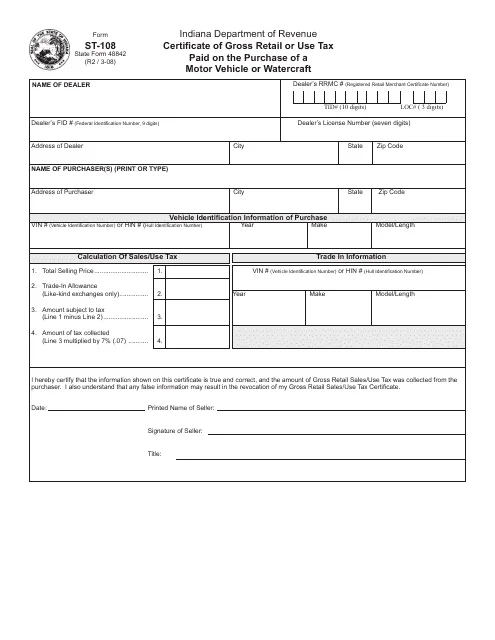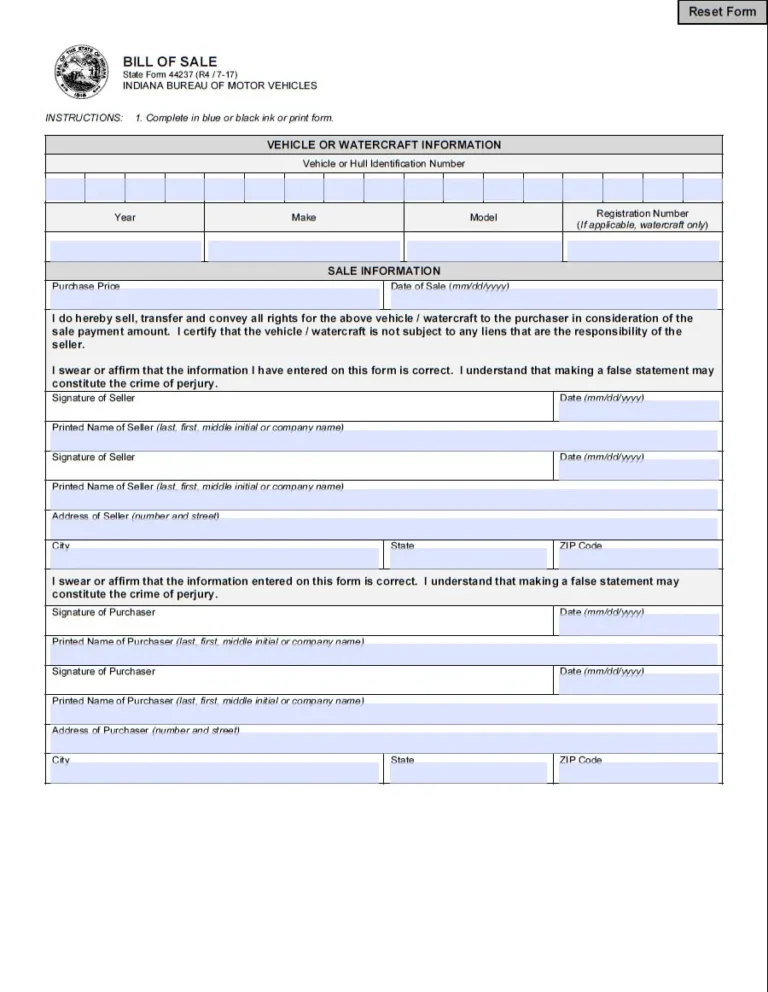
Indiana reporting a traffic accident to local police for damages over $1000 is required by law if officers weren’t already at the scene. Even minor collisions can exceed the threshold once repair estimates come in.
As of 2026, Indiana Code 9-26-1-1.1 mandates reporting for property damage over $1,000. Skipping this step can lead to license suspension or insurance complications.
Quick Answer
Indiana reporting a traffic accident to local police for damages over $1000 is mandatory if police weren’t called. The $1,000 threshold applies to property damage only. You must file with the Indiana BMV if uninsured.
Local police may require a separate report.
Indiana’s Accident Reporting Laws Explained
Indiana requires drivers to report accidents with injuries, fatalities, or property damage exceeding $1,000. This rule exists even if the accident seems minor at first.
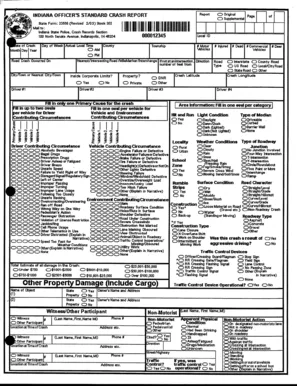
The Indiana State Police and local departments use the Standard Crash Report (State Form 45787) to document incidents. If police respond, they’ll file it for you. If not, you’re responsible for submitting it.
When You Must Report to Local Police
You must report the accident to local police if:
- Damage appears to exceed $1,000
- Anyone is injured or killed
- The other driver flees (hit-and-run)
- The other driver is uninsured
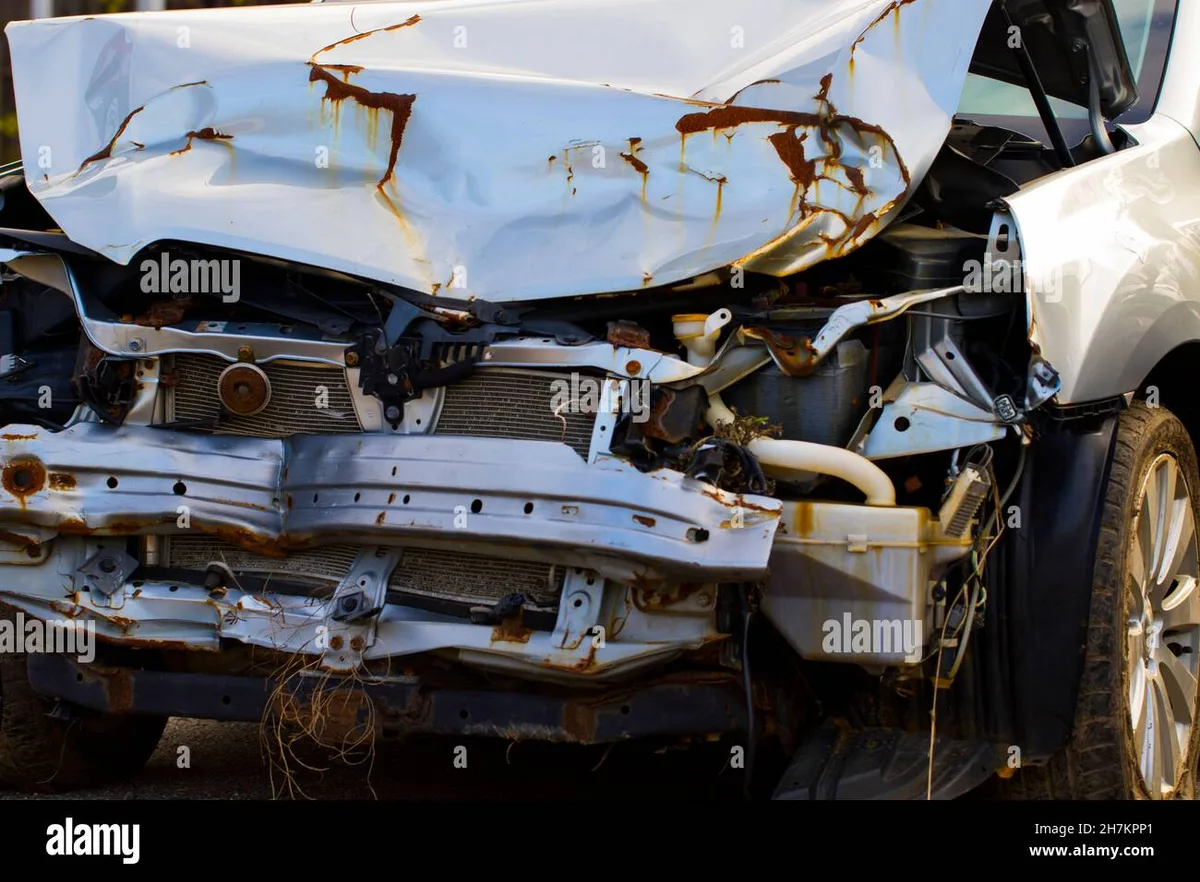
If you’re unsure about the damage amount, report it. Insurance adjusters often find higher repair costs than initial estimates.
When You Don’t Need a Police Report
You can skip the report if:
- Damage is clearly under $1,000
- No injuries occurred
- Both parties agree to handle it privately
- Police already filed a report at the scene
Still, document the scene with photos and exchanged information. Some insurers may require a report regardless.
Step-by-Step: How to Report an Accident in Indiana
If Police Were Already at the Scene
Get the officer’s name, badge number, and report number. Request a copy of the report before leaving.
Review the report for accuracy. Errors in fault or damage details can complicate claims.
If Police Weren’t Called (Self-Reporting)
Stop and exchange information with the other driver. Take photos of the damage and surroundings.
File a report with local police in person or by phone. If uninsured, submit the Standard Crash Report to the Indiana Bureau of Motor Vehicles within 10 days.
What Happens If You Don’t Report?
You risk license suspension for failing to report damages over $1,000. The BMV enforces this rule strictly.
Insurance claims may be denied without a police report. Companies need official documentation to process larger claims.
How to Get a Copy of Your Indiana Police Report
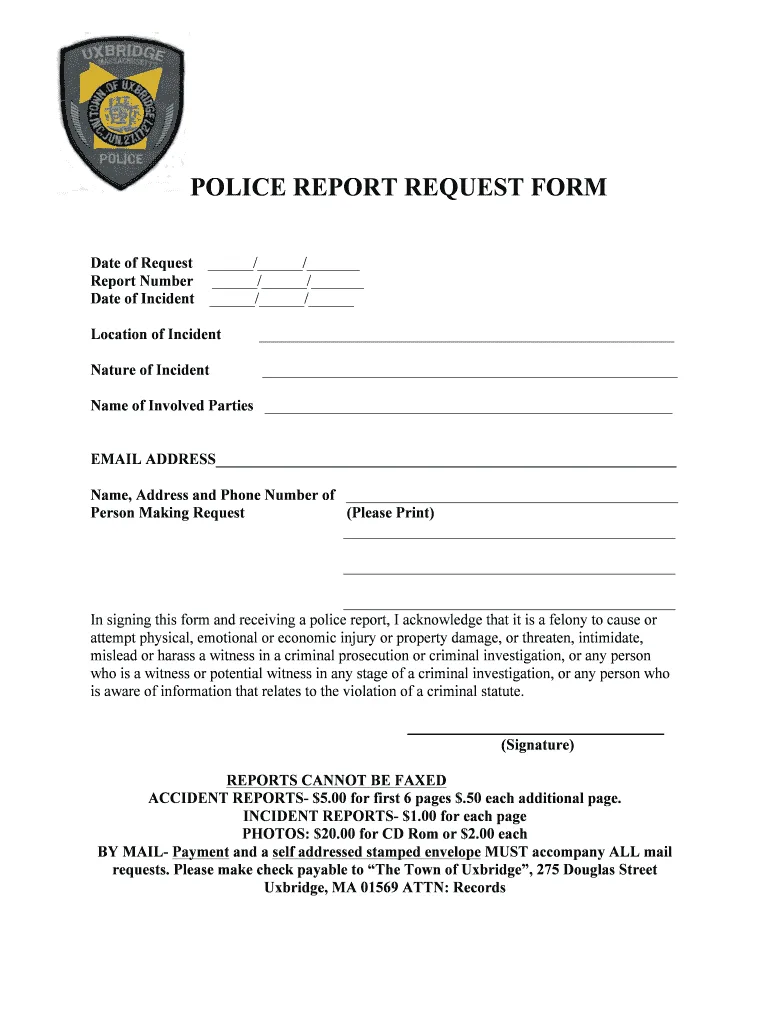
Request a copy online, by mail, or in person from the reporting department. You’ll need the report number, accident date, and your driver’s license.
Fees are typically under $15. Some departments offer free digital copies with the report number.
Fixing Errors in Your Accident Report
Contact the police department that filed the report to request corrections. Provide evidence like photos or witness statements.
Minor errors may not need fixing, but inaccuracies about fault or damage can affect claims. Submit correction requests in writing.
Hit-and-Run or Uninsured Driver? Special Rules
Report hit-and-run accidents to local police immediately. Include details about the fleeing vehicle.
For uninsured drivers, file the Standard Crash Report with the BMV within 10 days. This protects your right to compensation.
Insurance Claims: Why the Police Report Matters
Insurance companies use police reports to determine fault and process claims. Without one, disputes can delay or deny payouts.
The report provides an official record of the incident, including damage estimates and witness statements. Keep a copy for your records.
Common Mistakes to Avoid
Don’t assume damage is under $1,000. Repair costs often exceed initial estimates.
Don’t wait to report. Indiana’s 10-day deadline for uninsured accidents is strict.
Don’t skip documentation. Photos and witness info strengthen your case.
FAQs About Indiana Accident Reporting
Do I need a police report for a fender bender in Indiana?
Yes, if damage appears to exceed $1,000. Even minor accidents can have hidden costs.
How do I file an accident report in Indiana without police?
Visit your local police station or call their non-emergency line. For uninsured accidents, file with the BMV.
What happens if you don’t report an accident in Indiana?
You could face license suspension or fines. Insurance claims may also be denied.
How long do I have to report an accident in Indiana?
You have 10 days to file with the BMV if uninsured. For police reports, act as soon as possible.
Can I file a police report online in Indiana?
Some departments allow online reporting for non-emergencies. Check your local police website.
Final Checklist: Did You Cover Everything?
Confirm damage exceeds $1,000 or involves injuries. If so, report it.
Exchange information and document the scene. Photos and witness statements help.
File the report with police or the BMV if required. Keep a copy for insurance.
Follow up on errors. Correcting mistakes early prevents complications.