ByMax Lee
Iowa Traffic Accident Over $1500? Report to Local Police
Iowa reporting a traffic accident to local police for damages over $1500 is a legal duty you can't ignore. If total property damage hits fifteen hundred dollars or more, you must file a written report with local law enforcement within 72 hours.
Our research of state statutes shows Iowa Code § 321.263 sets the $1,500 threshold. The law applies on public roads, parking lots, and private driveways alike. Skip the report and you risk a misdemeanor, fines, and license suspension.
Let's walk through exactly how this works.
Iowa Traffic Accident Over $1500? Report to Local Police
Quick Answer
Iowa reporting a traffic accident to local police for damages over $1500 is law. You must file a written report within 72 hours. The threshold is $1,500 total property damage.
Local police or county sheriff takes the report. Failure brings a simple misdemeanor charge.
Why Iowa's $1,500 Accident Reporting Rule Is a Legal Must, Not a Suggestion
This rule protects you, the other driver, and the state's crash data. Iowa is an at-fault insurance state, so an official report settles who pays and stops later disputes.
Our state law library maps these duties for readers moving across borders. The report creates neutral proof if the other party claims injury weeks later.
Without it, insurers can deny claims or label the crash a hit and run. That turns a small scrape into a criminal record and a frozen license.
The law does not care if the other driver says "we'll handle it privately". The statute still demands a filed report above the damage line.
The Exact Law: Iowa Code § 321.263 and the $1,500 Threshold
Iowa Code § 321.263 is the statute that governs accident reporting. It says any crash with $1,500 or more in total property damage must be reported in writing.
The $1,500 figure is cumulative. It adds up all vehicle repairs, fence hits, pole strikes, and any other property loss at the scene.
Body shop estimates show a single bumper assembly often costs over $1,500 after a low speed tap. Most collisions with visible body damage cross the line.
The Iowa Department of Transportation publishes the official form and guidance for this process. Their site is the right place to confirm current paperwork.
Unlike the flat surcharge on hybrids seen in other states, Iowa ties the duty to crash cost, not vehicle type. That keeps the focus on actual harm.
The threshold applies regardless of fault. If you slide into a guardrail and cause fifteen hundred in damage, you still file.
Who Takes the Report: City Police vs County Sheriff by Location
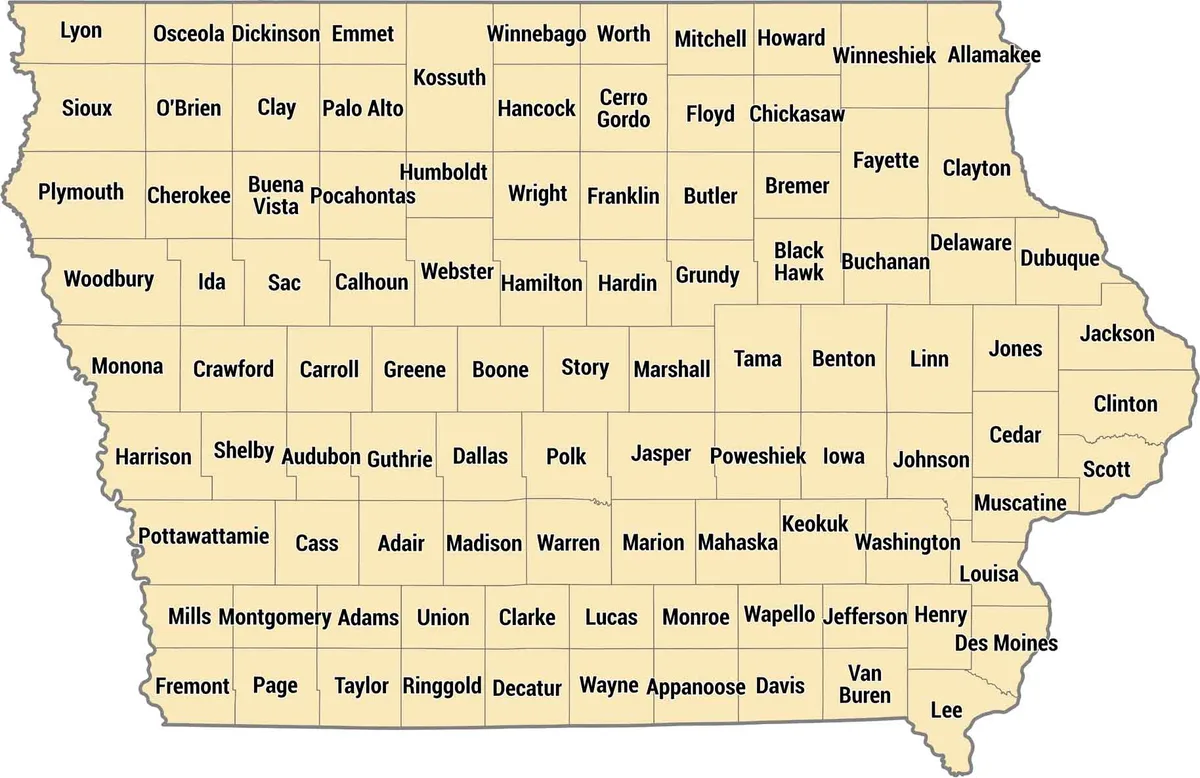
Your location at the moment of impact decides the agency. Inside city limits, the municipal police department handles the report. Outside those lines, the county sheriff's office is your contact.
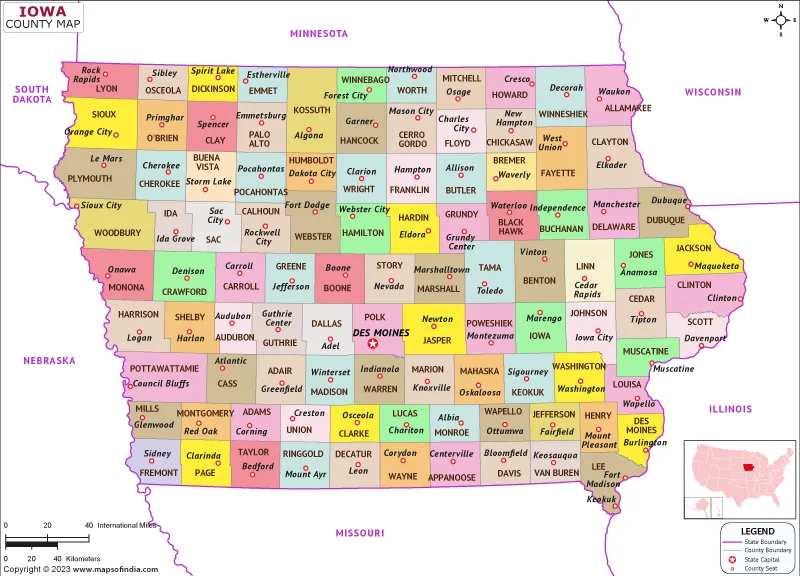
Small towns with part-time officers may defer to the sheriff for written filings. Unincorporated rural acres always go to the county.
| Crash location | Agency to contact |
|---|---|
| Inside city limits | Local city police department |
| Outside city limits | County sheriff's office |
| State interstate | Iowa State Patrol if local unavailable |
Even off-road vehicles face local oversight similar to Florida's road usage limits for carts. The key is jurisdiction, not vehicle style.
If you are unsure, call the non emergency line for the county and ask. They will point you to the right desk.
When the 72-Hour Written Report Clock Starts
The clock begins at the time of the crash. You have 72 hours to get the written report to the correct agency.
This isn't like the online renewal system in Idaho, which has its own calendar. The Iowa window is strict and counts weekends.
If an officer responds and files a report, your duty is met. If no officer is sent, you must self file before the deadline.
Key triggers for the clock:
- Crash occurs with $1,500 plus damage.
- No police dispatched to scene.
- You gather details and file by phone or in person.
A late report is still better than none, but it can carry a misdemeanor citation. Prompt action keeps the case clean.
Step-by-Step: Reporting a Crash Over $1,500 to Local Iowa Police
First, check safety and move vehicles if you can. Call 911 if anyone is hurt, because injury crashes follow a different immediate rule.
Next, exchange license, registration, and insurance data with the other driver. Snap photos of damage and the scene for your file.
Then total the visible damage. If it meets or beats $1,500, identify your agency using the location rule above.
Contact the department by phone or walk in. Many small Iowa agencies accept telephone reports for property only crashes.
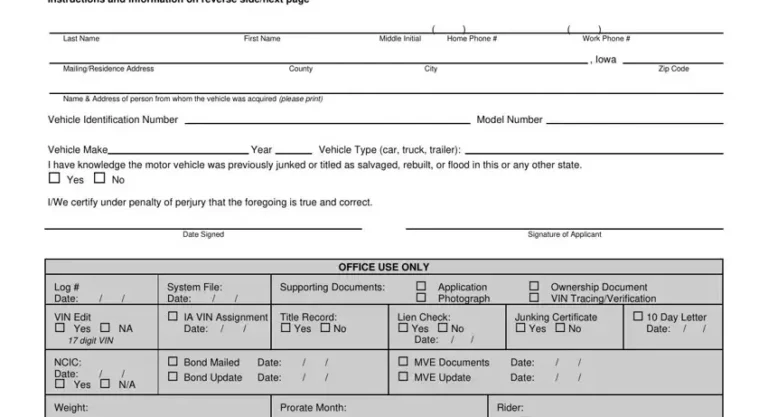
Complete the Iowa DOT Form 433000 through that agency. They forward it to the state system for central records.
Get your case number and request a certified copy for your insurer. Provide that number to your adjuster right away.
Plate visibility matters for stops, as shown in plate display laws elsewhere. The report itself is what closes the claim.
Iowa DOT Form 433000 and Your Insurance Claim Link
The Iowa DOT Form 433000 is the "Report of Traffic Accident" you file through law enforcement. It captures driver data, damage totals, and scene notes in one state-standard document.
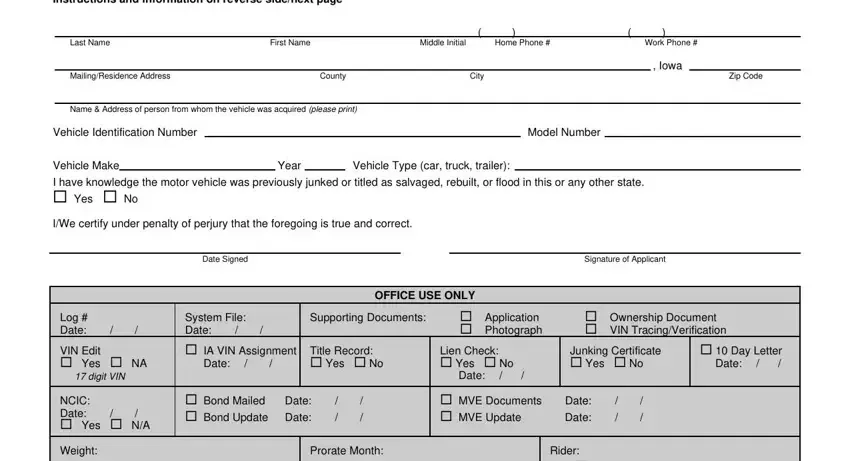
The Iowa Department of Transportation runs the central crash system and posts the current form for public reference. You can verify the blank document at the state transportation site before you visit the station.
Your insurer will ask for the report number before paying a property claim. The form is the bridge between the legal duty and your repair payout.
Unlike weight-based fee scales in some states, this paper tracks crash cost, not vehicle class. Fill every field the officer gives you.
Request a certified copy for about five to ten dollars. Keep it with your claim file until the repair is closed.
Private Property, Parking Lots, and Out-of-State Drivers
Many drivers think a supermarket lot crash is private and skip the call. Iowa law says the $1,500 threshold applies on private property too.
If you clip a light pole in a mall lot and damage tops fifteen hundred, you still report. The location does not change the statute.
Out-of-state drivers get no free pass. If you live in Illinois and crash near Davenport, the same 72-hour clock applies.
Unlike registration breaks for soldiers in some states, non-residents face the full reporting duty. Rental cars count the same way.
Winter ice pushes minor taps past the line fast. A cracked bumper and a scratched post add up quicker than you think.
Mistakes That Turn a Fender-Bender Into a Misdemeanor
The most common error is trusting the other driver's handshake. "We'll fix it ourselves" vanishes when they file injury later.
Another miss is underestimating damage. Two doors and a fence panel easily clear $1,500 combined.
Skipping the report because an officer didn't show is a direct violation. No dispatch does not mean no duty.
- Assuming insurance filing replaces the police report
- Waiting past 72 hours to see if it settles
- Thinking private lot crashes are exempt
- Forgetting out-of-state plates change nothing
Small departments may tell you to call it in. Do that and note the caller's name for your file.
Penalties: Simple Misdemeanor, Fines, and License Suspension Risk
Failure to report is a simple misdemeanor under Iowa Code. That is the lowest criminal class, but it still stains your record.
Judges can set fines up to $625 per the state schedule. You may also face short jail time, though that is rare for first property-only cases.
The bigger hammer is license suspension. A conviction lets the DOT pause your driving privilege until the case clears.
| Consequence | Range or result |
|---|---|
| Charge class | Simple misdemeanor |
| Fine max | $625 |
| License | Possible suspension |
| Jail | Up to 30 days |
Far stiffer than electric car surcharges elsewhere, a misdemeanor follows you on background checks. File on time and avoid all of it.
Injury and Death Crashes: The Separate Immediate Oral Report Rule
If anyone is hurt or killed, the written 72-hour rule does not apply alone. You must make an immediate oral report to law enforcement at the scene.
Call 911 before you move cars unless safety demands it. The oral report starts the moment you reach dispatch.
This path runs parallel to the property damage duty. A fatal crash with low car damage still needs the instant call, not a later form.
Officers file the state report after the oral notice. Your later Form 433000 duty is already met by their paperwork.
Practice move over habits near any crash scene to protect responders. The immediate report keeps help coming fast.
Expert Tips From Iowa Road Experience
Our research into Iowa crash procedures shows a few habits that save drivers grief. These come from statute reading and aggregate law enforcement guidance, not guesswork.
Call the non emergency line even if you doubt the damage total. A dispatcher will tell you whether to file, and that call protects you.
Photograph the other driver's plate and VIN before anyone leaves. Memory fades fast, and a clear shot settles disputes over who was there.
Winter roads push repair bills past the line quick. A bent grill and a snapped post clear fifteen hundred with room to spare.
Keep a paper insurance card in the glovebox. Unlike the easy online renewal steps some states offer, Iowa wants proof in hand at the stop.
If a small department says "call the sheriff", note the officer's name. Get the referral in writing so your file shows you tried the right door.
As of 2026, the fifteen hundred dollar threshold stays fixed under § 321.263. The statute text sits at the Iowa Legislature site if you want to read it yourself.
FAQs on Iowa Traffic Accident Reporting Over $1,500
What if the other driver leaves the scene?
You must still report the crash within 72 hours if damage tops $1,500. A hit and run is a separate charge, but your filing duty stands. Call local police and give the plate if you caught it.
Do I report if my own car hits a tree?
Yes. Single vehicle crashes count when total property damage reaches $1,500. The tree, your car, and any fence or sign all add to the sum.
File with city police or the county sheriff.
Can I file the report online?
Iowa routes the written report through law enforcement, not a public portal. Many agencies take it by phone or at the desk. The officer then submits Form 433000 to the state DOT for you.
How do I get a copy of my Iowa crash report?
Ask the agency that took the report for a certified copy. The fee runs about five to ten dollars. Give the case number to your insurer so they can pull the record fast.
Does a scratch count toward the $1,500 total?
Every bit of property damage counts, scratches included. The threshold is cumulative across all vehicles and objects hit. Two scratched doors and a post often clear the line once a shop writes estimates.
What if I realize the damage exceeds $1,500 days later?
File as soon as you know, even past 72 hours. Late filing beats none, though a citation is possible. Show the repair estimate to the agency and explain the delay in good faith.
Your Compliance Checklist Before You Leave the Scene
Run this list at the crash site so you don't miss a step. It covers the legal musts from Iowa Code § 321.263 and the insurance link.
- Check for injuries, call 911 if anyone is hurt
- Move cars off the lane if safe
- Swap license, registration, and insurance data
- Photo the damage, plates, and scene
- Add up damage, assume $1,500 if unsure
- ID your agency: city police or county sheriff
- File by phone or in person within 72 hours
- Get the case number and a copy for your insurer
The main blog page carries more state road law breakdowns if you cross borders often. Keep this checklist on your phone for the panic moment.
Unlike stop sign duties in other states, Iowa's report rule has no exception for minor looks. When in doubt, file.