ByMax Lee
Why Iowa Has No Annual Vehicle Safety or Emissions Tests
If you live in Iowa or plan to move there, you might be surprised to learn that the Iowa lack of annual vehicle safety and emissions inspection requirement is one of the most distinctive features of its vehicle laws. In fact, Iowa is one of only a handful of states that does not mandate any form of periodic inspection for passenger cars and trucks.
But this freedom comes with trade-offs. According to the Iowa Department of Transportation, the state's registered vehicle fleet surpassed 3.5 million in 2023, and as of 2026 none of those personal vehicles undergo a mandated safety or emissions check. That reality shapes everything from how you register a car to how you maintain it.
Quick Answer
Iowa lack of annual vehicle safety and emissions inspection requirement means cars skip tests. Emissions testing is also not mandatory. Commercial trucks and buses still need inspections.
Iowa's exemption came from a 1995 Clean Air Act waiver.
Why Iowa Doesn't Require Annual Vehicle Inspections (And What It Means for You)
Iowa's decision to skip inspections isn't random. It comes from a mix of federal waivers, state politics, and practical realities.
The Clean Air Act demands emissions testing only in areas that fail national air quality standards. Iowa's air quality consistently meets those marks. That allowed the state to get a Clean Air Act waiver from the EPA in 1995.
Without that federal push, Iowa never built an inspection program of its own.
Safety inspections are a state-level choice. Over the years lawmakers have introduced bills to start them, but none gained traction. The main argument is that inspections add cost and inconvenience with little proven payoff.
Rural residents push back hardest because inspection stations are scarce outside cities.
What that means for you is straightforward: you skip the annual fee and the trip to a station. But you also lose the professional once-over that catches small problems before they turn into big ones. Some states fund road maintenance through registration fees rather than inspection programs, a model we see with how other states calculate registration costs.
In Iowa, the responsibility for catching issues stays squarely on your shoulders.
How Iowa's No-Inspection Policy Actually Works
When you register or renew a vehicle in Iowa, there is no inspection step. You provide your title, proof of insurance, and the fee. No test, no checklist, no certificate.
That applies to all passenger cars, pickup trucks, SUVs, and motorcycles. Trailers and RVs used for personal travel get the same treatment. Commercial vehicles live under a different set of rules, but for everyday drivers the process really is that hands-off.
There is no county-level variation either. Unlike states where urban counties add their own emissions checks, Iowa keeps it simple statewide. You won't find a local ordinance that suddenly requires a smog test or safety check.
Law enforcement can still pull you over for unsafe driving. Broken headlights, bald tires, missing mirrors, those are all ticketable. But the state doesn't go looking for them.
A car with worn brakes can keep rolling until something happens. For official details, review the Iowa DOT registration rules. Other states offer online renewal options that streamline the process even further.
Who Benefits from Iowa's Lack of Vehicle Inspections?
Maybe you think the no-inspection rule helps everyone equally. It doesn't. Some groups get a much bigger advantage.
- Budget-conscious drivers: You save $20 to $50 per year that drivers in other states pay for inspection fees. Over a decade that's hundreds of dollars.
- Rural residents: If you live in a small town, the nearest inspection station might be an hour drive away. No inspections mean no wasted afternoon.
- DIY mechanics and car enthusiasts: You can modify your vehicle without worrying about a failed test. Engine swaps, lifted suspensions, aftermarket parts, all fair game here. Some states add extra EV fees at renewal instead.
- Used car sellers: In inspection states a failed test can kill a sale. In Iowa you can sell a car "as is" with no inspection required.
- Low-income households: Repairing a car just to pass a test can be a real burden. Iowa avoids that expense entirely.
But these perks don't come free. They come with risks that follow you onto the road.
The Hidden Risks of Skipping Inspections in Iowa
No inspections means no official safety net. And that freedom has a shadow side.
Safety concerns: Brake failures, worn tires, and lighting problems can go unnoticed until they cause a crash. IIHS research shows mixed results on whether inspections reduce accidents. Some studies suggest states with regular checks have fewer fatal crashes linked to vehicle defects.
Iowa's crash rate sits slightly below the national average, but that doesn't guarantee your car is safe.
Emissions impact: Older vehicles with failing catalytic converters or faulty oxygen sensors pump out extra pollution. While Iowa's air quality is generally good, transportation emissions still contribute to greenhouse gases and local smog. The EPA estimates that non-inspection states have 10 to 15 percent higher average vehicle emissions.
Insurance gaps: Some insurers offer discounts for cars that pass a voluntary inspection. Without one, you might miss that savings. Worse, if an undetected defect causes a wreck, your insurer could argue you were negligent.
Resale value: Buyers from inspection states may be leery of an Iowa car with no recorded inspection history. They often assume the worst about its maintenance. That can make it harder to sell.
The takeaway is simple. The state won't check your car, so it's your job to stay on top of things.
What Happens If You Drive an Iowa Car in a State That Requires Inspections?
You usually won't face trouble as a short-term visitor. The law treats you as a traveler, not a resident.
If you stay longer than a state's grace period, you must register locally. That means following their inspection rules. Illinois, for example, requires emissions testing for most 1996 and newer vehicles.
Fines for skipping a required test range from $50 to $200. Some states offer temporary permits for out-of-state drivers. Our vehicle law blog covers cross-state conflicts like this.
A quick tip: keep your Iowa registration current. Expired tags draw more attention than a missing inspection sticker.
Iowa vs. Neighboring States: How Inspection Rules Compare
Iowa stands out in the Midwest. Most nearby states require some form of check.
Illinois, Missouri, Minnesota, and More
Illinois mandates annual emissions and safety tests in metro Chicago. Missouri requires a biennial safety inspection. Minnesota has no periodic safety check but tests emissions in the Twin Cities.
Here is how the rules stack up:
| State | Safety Inspection | Emissions Test |
|---|---|---|
| Iowa | None | None |
| Illinois | Annual (some areas) | Annual (some areas) |
| Missouri | Biennial | None (statewide) |
| Minnesota | None | Periodic (metro) |
| Nebraska | None | None |
If you cross borders often, learn the local rules. The biennial renewal choices in other states show how varied these laws get. A quick check saves you a roadside headache.
Do Commercial Vehicles in Iowa Need Inspections?
Yes, they do. Personal cars skip inspections, but commercial trucks and buses do not.
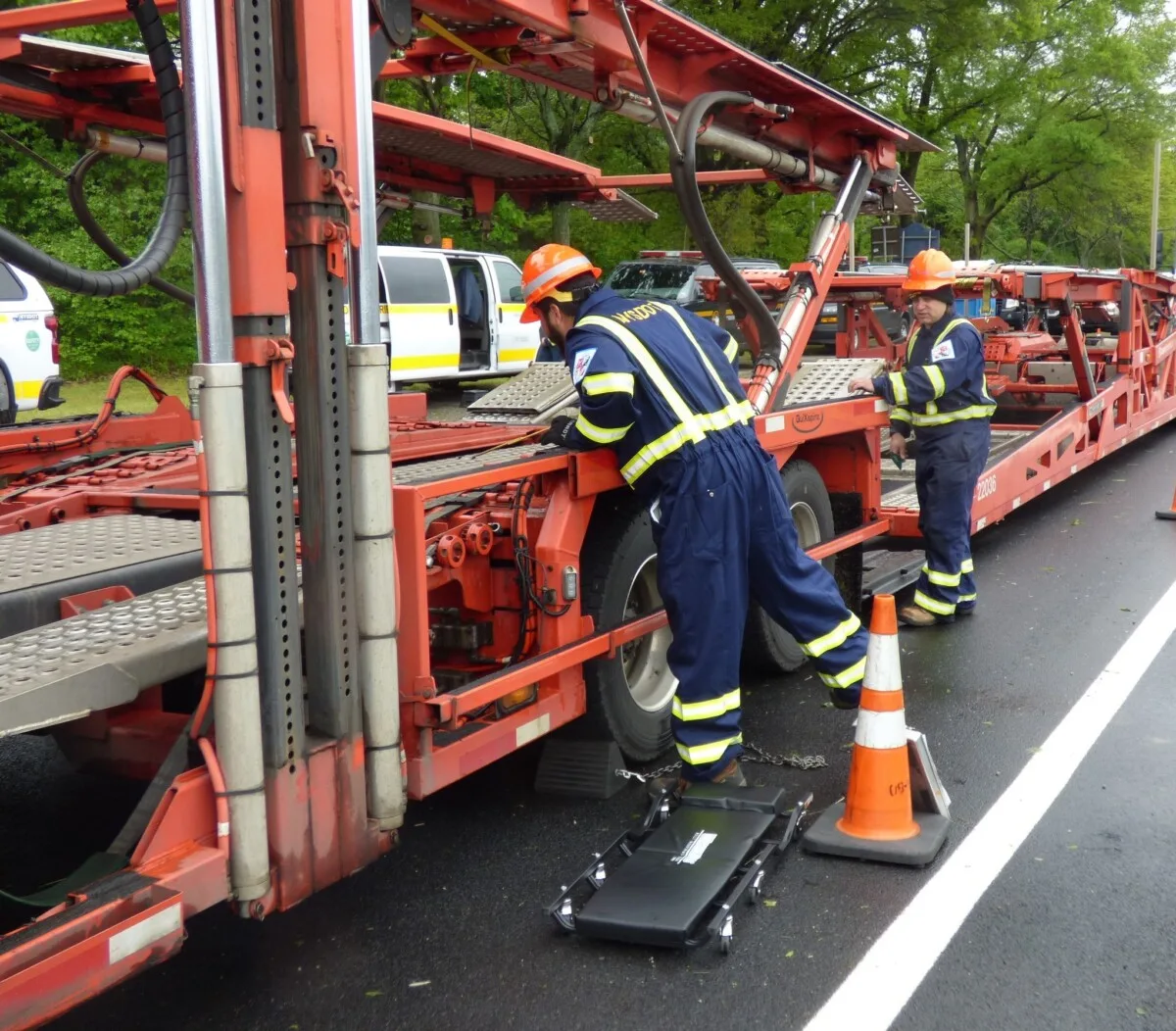
The Federal Motor Carrier Safety Administration sets the standard. Iowa follows FMCSA rules for annual inspections on commercial vehicles. This applies to trucks over 10,000 pounds and any vehicle carrying passengers for hire.
School buses need stringent annual checks. Fines for non-compliance reach $10,000 per violation. Small business owners often miss this, assuming their work truck is exempt like their personal car.
Certified stations perform the inspections. You can find them through the Iowa DOT portal. The online DMV services in other states show how digital this process has become elsewhere.
Plate sticker updates vary too, as seen in recent tag changes elsewhere.
How to Check Your Car's Safety Without an Inspection
The state won't check your car, so you should. A simple routine catches most problems.
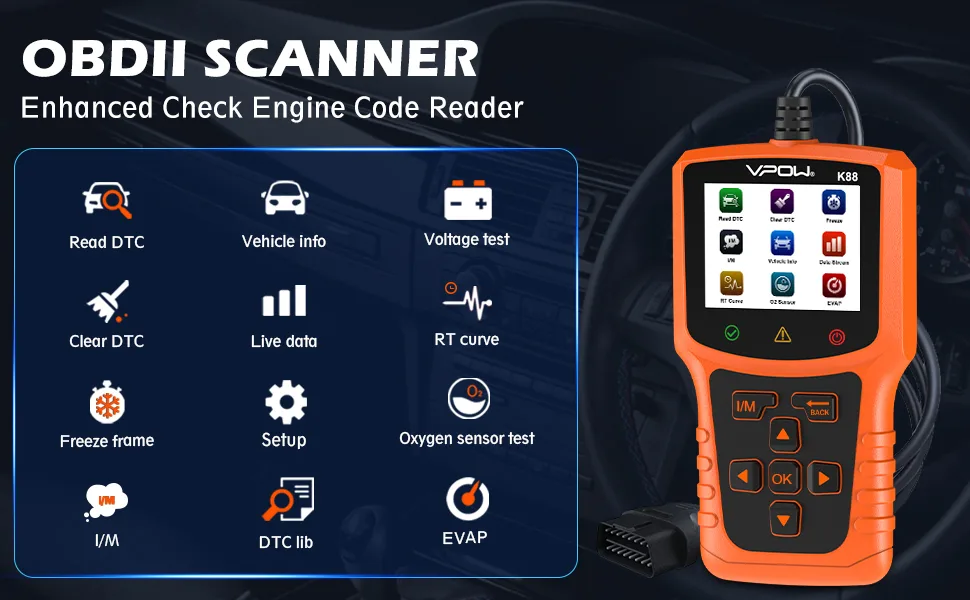
Buy an OBD-II scanner for emissions codes. Plug it into the port under your dashboard. It reads fault codes from the engine computer.
Check tire tread with a penny. If Lincoln's head shows, replace the tire. Test brake pads by listening for squealing or feeling a soft pedal.
Look at all lights monthly. Walk around the car with someone pressing the brake and turn signals. These steps take ten minutes and cost nothing.
Emissions in Iowa: What You Need to Know (Even Without Testing)
Iowa's 1995 EPA waiver keeps testing off the books. The state met federal air quality standards through other means.
Transportation makes up a big share of Iowa's CO2 output. The state ranks 28th nationally per the U.S. Energy Information Administration.
Non-inspection states average 10 to 15 percent higher vehicle emissions.
You can still cut your footprint. Fix a rough idle fast. Replace a clogged air filter.
Keep tires inflated to spec.
The Environmental Protection Agency explains that waivers require meeting clean air goals without tests. Iowa uses fuel standards and cleaner refinery rules instead. Unlike Iowa, some states add extra EV fees at renewal.
Moving to Iowa? Here's What Changes for Your Car
You drop the inspection step completely when you switch residency. Just bring your title, insurance, and payment to the county treasurer.
If you move from Illinois or Missouri, you leave their testing behind. No need to pass one last check before Iowa plates go on.
You may notice different registration math than your old home. Our coverage of fees based on age shows how other states structure costs instead.
Military families get similar breaks in some states. Florida offers out of state service exemptions worth knowing if you relocate often.
Buying or Selling a Car in Iowa: Inspection-Free Pros and Cons
Sellers win the most here. You list the car, meet the buyer, sign the title, and done. No failed test can block the deal.
Buyers take on more risk. Without a state check, you must verify the brakes, frame, and emissions yourself. A pre-purchase look by a trusted shop costs far less than a hidden defect later.
Older vehicles move easily here. A 30-year-old pickup needs no cert, unlike stricter antique rules elsewhere. Florida's historical vehicle tags show how other states handle classics.
Common Mistakes Iowa Drivers Make Without Inspections
Many assume a smooth ride means a safe car. Worn suspension and thin brake rotors hide well until they fail.
Skipping the warning light is another big one. That check engine lamp often points to an emissions fault that hurts the air you breathe.
People also forget tire dates. Rubber ages even with good tread. Rotate and replace on schedule, not just when metal hits pavement.
How to Stay Compliant When Driving Out of State
Know the rules before you cross the border. If you park in Chicago for a month, Illinois wants an emissions test.
Some states sell temporary permits for visitors. Carry one in the glove box if you travel often.
Keep your Iowa registration current and insurance card handy. Officers in other states will check those first, not your inspection status.
Iowa's Clean Air Act Waiver: Why It Exists and What It Covers
The EPA granted Iowa a waiver in 1995. The state proved it met National Ambient Air Quality Standards without tests.
The waiver relies on fuel rules and cleaner refinery blends. Iowa also monitors ozone through the Department of Natural Resources.
If air quality slipped, the EPA could pull the waiver. That would force inspections overnight, so the state works hard to stay in bounds.
Should You Still Get a Voluntary Inspection in Iowa?
Yes, a voluntary check is worth it for most drivers. The state skips the mandate, but your safety shouldn't depend on luck.
A trusted shop can spot brake wear and suspension issues. They will also read emissions codes with a scanner. This catches problems before they become breakdowns.
Cost runs $30 to $80 at most independent garages. That is close to what other states charge for mandated tests. Some insurers reward the habit with a small discount.
If you drive an older car or commute daily, book one yearly. The renewal savings in other states come from longer cycles, not skipped tests. In Iowa, you build that safety margin yourself.
Final Verdict: Is Iowa's No-Inspection Policy Good or Bad?
It is good for careful owners and risky for careless ones. The policy saves money and time for millions of drivers.
On the plus side, you avoid fees and station visits. Rural residents gain the most from that freedom. The state still meets air quality goals under its EPA waiver.
On the downside, neglected cars stay on the road longer. Emissions and safety faults slip through unnoticed. If you skip basic maintenance, the lack of oversight hurts you.
Our take is simple. The rule works if you act like your own inspector. Use the checks we covered and stay alert out of state.
Frequently Asked Questions
Do I need an inspection to register a car in Iowa?
No inspection is required for passenger vehicles in Iowa. You only need the title, insurance proof, and fees. Commercial vehicles follow federal rules instead.
The state has held this policy since its 1995 EPA waiver.
Can I drive my Iowa car in Illinois without an inspection?
Short visits are fine, but long stays trigger local rules. Illinois requires emissions testing for most 1996 and newer cars registered there. Fines range from $50 to $200 if you ignore it.
Always check the host state's grace period.
Do older cars in Iowa need emissions testing?
No, Iowa exempts all personal vehicles from emissions tests regardless of age. The Clean Air Act waiver covers the whole state. Pre-1996 cars have no federal OBD rules anyway.
You still must keep the exhaust legal at a basic level.
What vehicles are exempt from Iowa's no-inspection rule?
Personal cars, trucks, SUVs, motorcycles, and trailers face no inspection. The exemption is broad for non commercial use. Only commercial trucks over 10,000 pounds and passenger buses need annual FMCSA checks.
School buses follow the same strict path.
How do I check emissions without a test in Iowa?
Use an OBD-II scanner from any auto parts store. Plug it into the dashboard port and read the fault codes. A clean code list means the engine runs within spec.
Pair that with a visual exhaust check for a solid home assessment.