ByMax Lee
Kansas 90-Day Registration Deadline for New Residents
Bing (Web (fair-use with source credit))
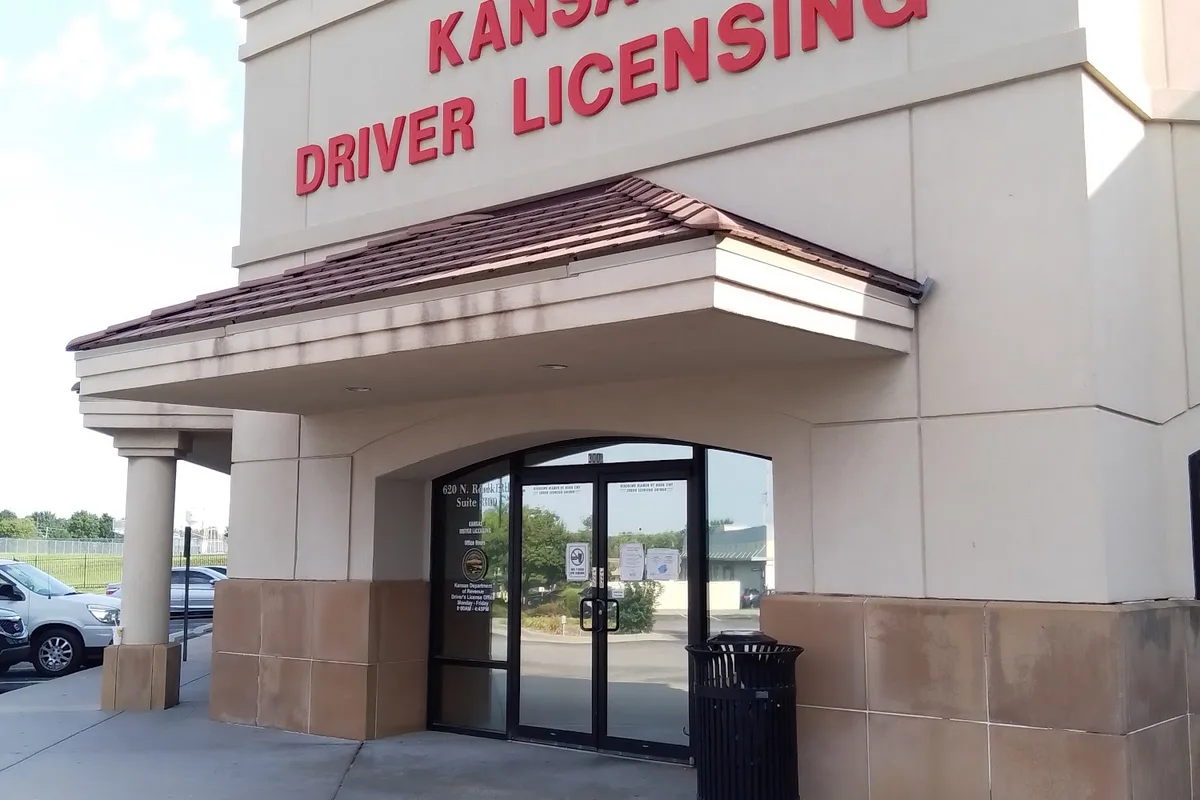
Moving to Kansas means you’ve got a hard deadline to register your car. The Kansas 90 day registration deadline for new residents moving to state is real, and missing it can cost you. The rule applies the moment you establish residency, whether that’s through a new job, lease, or utility setup.
Per Kansas Department of Revenue guidelines, you’ll need to transfer your title and registration within that window. The process is straightforward if you know the steps, but the clock starts ticking as soon as you call Kansas home.
Quick Answer
The Kansas 90 day registration deadline for new residents moving to state is strict. You must register your vehicle within 90 days of becoming a resident. This applies to all passenger vehicles.
Missing the deadline can result in fines.
Who the 90-Day Rule Applies To (and Who Gets a Pass)
The 90-day rule kicks in when you establish residency in Kansas. That means signing a lease, starting a job, or enrolling kids in school. Once you do any of these, the countdown begins.
Some groups get exceptions. Active-duty military stationed in Kansas don’t have to register their vehicles if they’re keeping their home state’s plates. Full-time students can also delay registration if they maintain out-of-state residency.
Temporary workers may qualify for exemptions, but they’ll need to prove their stay is short-term.
What Happens If You Miss the Deadline
Drive past the 90-day mark without registering, and you’re technically breaking the law. Kansas law enforcement can issue a citation for an unregistered vehicle. The fine varies by county, but it’s usually around $100 or more.
Worse, if you’re pulled over for another reason, an expired out-of-state registration can lead to additional penalties. Insurance companies may also see this as a red flag, potentially affecting your rates.
The Exact Documents You’ll Need Before You Go
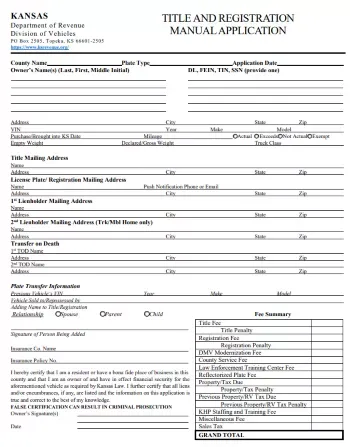
You can’t just show up empty-handed. Kansas requires specific paperwork to process your registration. Here’s the checklist:
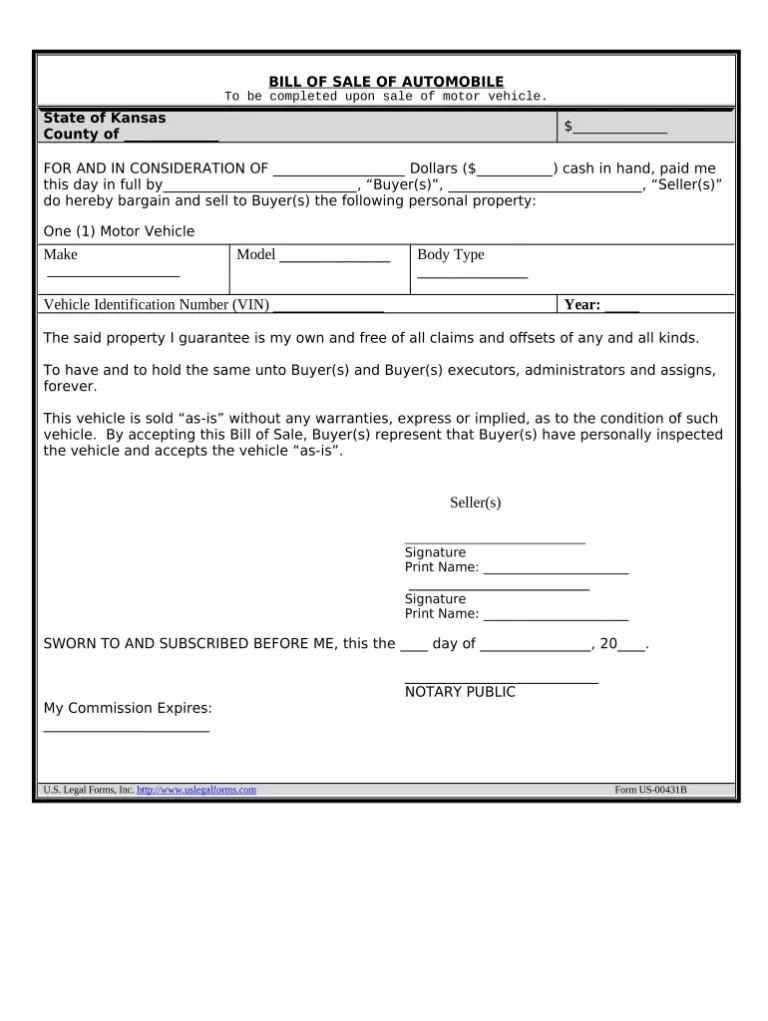
- Proof of ownership: Your out-of-state title or current registration.
- Proof of insurance: A Kansas-approved policy in your name.
- Proof of residency: A utility bill, lease agreement, or mortgage statement with your Kansas address.
- Identification: A valid driver’s license or state-issued ID.
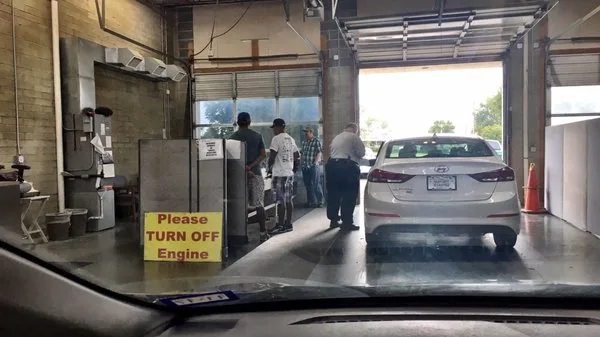
- VIN inspection: Some counties require a vehicle identification number inspection if your title isn’t from Kansas.
Bing (Web (fair-use with source credit))
If your title is still in another state, you’ll need to transfer it first. Without the title, you won’t be able to register. Double-check that your name matches across all documents to avoid delays.
Step-by-Step: How to Register Your Car as a New Kansas Resident
The process is the same whether you’re in Wichita or a small rural town. Start by gathering your documents. Then, decide whether you’ll visit a Kansas DOV office or use the online system if eligible.
If You’re Doing It In Person
Find your nearest Kansas Division of Vehicles office. Appointments aren’t always required, but they can save you time. Bring all your documents, and be prepared to pay the registration fees.
The clerk will process your paperwork and issue your new plates and registration on the spot.
Bing (Web (fair-use with source credit))
If You’re Trying to Do It Online
Kansas offers limited online registration for certain situations. As of 2026, you can renew your registration online, but new residents typically need to visit in person for the initial transfer. Check the Kansas DOV website for the latest updates on online services.
Military, Students, and Temporary Residents: Different Rules
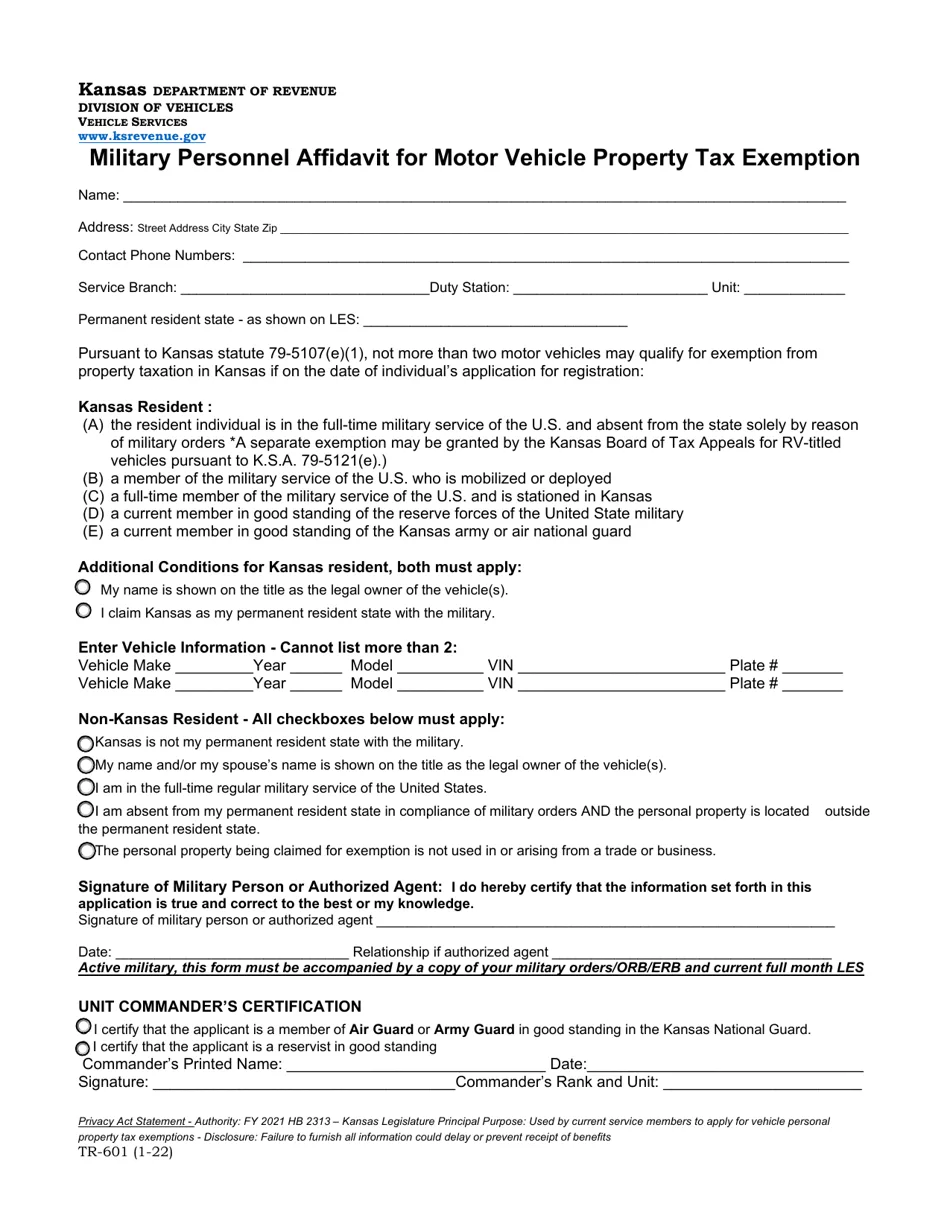
Active-duty military personnel stationed in Kansas don’t face the same 90-day deadline. If you’re in the military and maintain legal residency in another state, you can keep your home state’s plates and registration. Just carry proof of your active-duty status and out-of-state residency.
Full-time students are another exception. If you’re attending college in Kansas but still claim residency elsewhere, you’re not required to register your vehicle. The same goes for temporary workers, but you’ll need documentation proving your stay is short-term.
Bing (Web (fair-use with source credit))
Kansas Registration Fees and Costs to Expect
Registration fees in Kansas vary by vehicle type and weight. Passenger vehicles typically cost between $30 and $50 for a one-year registration. Trucks and larger vehicles may have higher fees based on their gross weight.
There’s also a title fee, which is usually around $10. If you need new plates, that’s an additional $8 to $15. Some counties add local taxes or service fees, so check with your local DOV office for the exact total.
Common Mistakes That Get Your Application Rejected
Missing documents are the top reason applications get denied. Forgetting your title, proof of insurance, or residency documents will send you back to the start. Double-check the list before you leave home.
Another common issue is mismatched information. If your name doesn’t match across all documents, the clerk can’t process your registration. Bring a marriage certificate or court order if your name has changed.
What to Do If You’re Still Waiting on Your Out-of-State Title
If your title is tied up in another state, you’ll need to request a duplicate. Contact your previous state’s DMV to expedite the process. Some states offer rush processing for a fee.
Kansas may issue a temporary registration while you wait. This allows you to drive legally for a limited time. Ask the DOV office about this option if your title delay is unavoidable.
FAQs About Kansas’ 90-Day Registration Rule
Do I need a Kansas driver’s license before registering my car?
No, you can register your vehicle without a Kansas license. But you’ll need to provide valid ID and proof of residency. Getting your license first can simplify the process.
Can I register my car online as a new resident?
As of 2026, new residents must visit a DOV office in person. Online registration is typically reserved for renewals.
What’s the penalty for late registration?
You’ll likely face a fine starting around $100. The exact amount depends on how long you’ve been overdue and your county’s policies.
Do I need a VIN inspection?
Some Kansas counties require a VIN inspection for out-of-state vehicles. Call your local DOV office to confirm.
Can I use a PO box as proof of residency?
No, Kansas requires a physical address on your proof of residency documents. A utility bill or lease with your street address works.