ByMax Lee
Kansas Blue & Red Light Ban for Private Vehicles
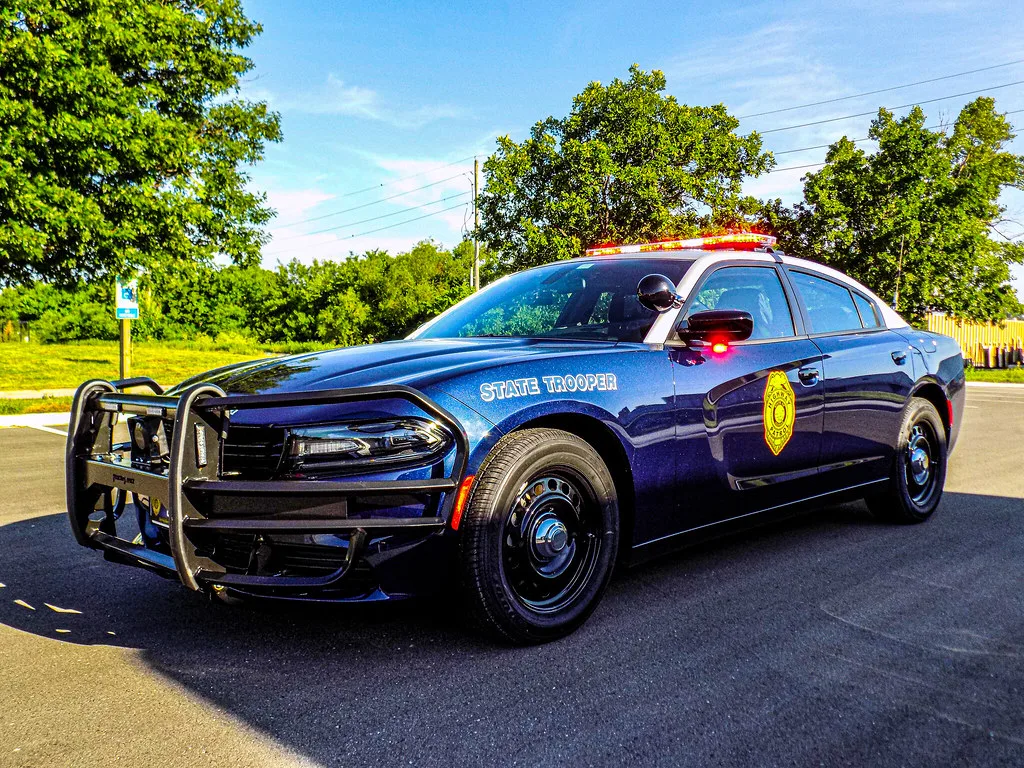
Kansas blue and red light prohibition for private motor vehicles is strict, private cars can’t legally display these colors under state law. The rules exist to prevent confusion with emergency vehicles and maintain road safety for everyone.
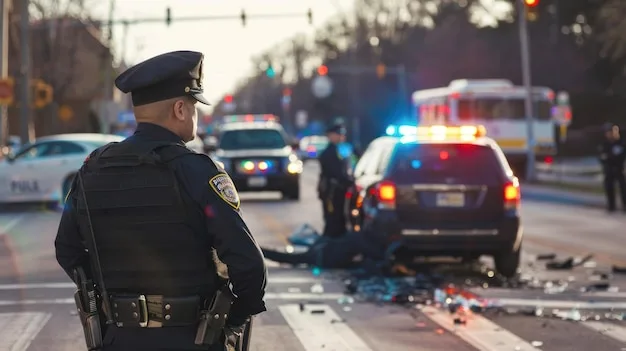
Per Kansas Statute 8-1720, only authorized vehicles like police cars, fire trucks, and ambulances are permitted to use blue or red lights. If you’re driving a private vehicle, even aftermarket installations can land you in legal trouble.
Bing (Web (fair-use with source credit))
Quick Answer
Kansas bans blue and red lights on private vehicles. Only emergency and authorized service vehicles may use them. Violations can result in fines.
The law applies to all non-exempt drivers.
The Exact Legal Rules (Kansas Statute Breakdown)
Kansas Statute 8-1720 explicitly prohibits the use of blue or red lights on any vehicle that isn’t classified as an emergency or authorized service vehicle. This includes private cars, trucks, and motorcycles, regardless of intent.
Bing (Web (fair-use with source credit))
The statute defines emergency vehicles as those operated by law enforcement, fire departments, and emergency medical services. It also covers certain government and utility vehicles under specific conditions. The law doesn’t make exceptions for personal preference or aesthetic modifications.
For the full legal text, refer to the Kansas Legislature’s official statutes.
Who’s Exempt? Authorized Vehicles That Can Use Blue or Red Lights
Not all vehicles are subject to the prohibition. The following are typically exempt under Kansas law:
- Police cars and law enforcement vehicles
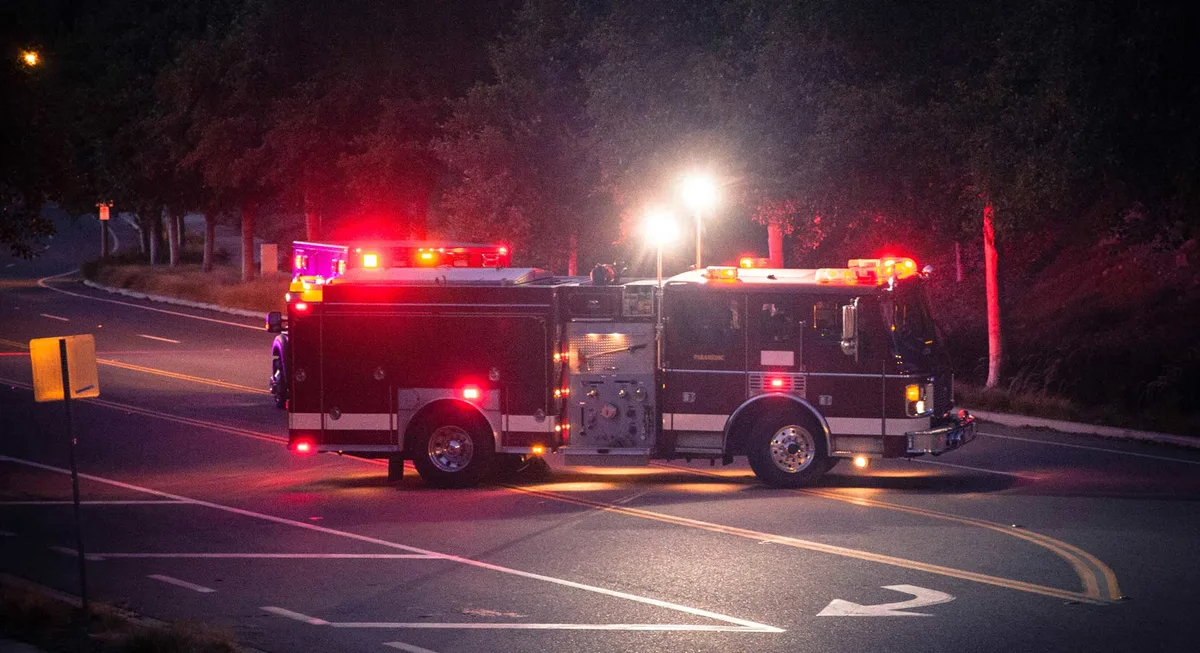
- Fire trucks and rescue vehicles
- Ambulances and emergency medical transport
- Certain government and utility service vehicles (with proper authorization)
- Volunteer firefighter vehicles (when responding to emergencies, with permits)
Bing (Web (fair-use with source credit))
Exemptions are granted based on the vehicle’s function, not ownership. Even if you own a former police car, you can’t legally use its emergency lights unless you’re an active, authorized officer.
Some tow trucks and construction vehicles may use amber lights, but blue and red remain off-limits unless explicitly permitted.
Why These Restrictions Exist (Safety & Legal Reasons)
The primary purpose of these laws is to prevent confusion on the road. Blue and red lights are universally recognized as signals for emergency vehicles, which need unobstructed paths to respond quickly.
When private vehicles use these colors, it can lead to dangerous situations. Drivers may mistakenly pull over for what they assume is an emergency vehicle, creating unnecessary hazards. It can also enable impersonation of law enforcement, which is a serious public safety risk.
These restrictions also help maintain the authority of emergency signals. If too many vehicles use blue or red lights, the urgency of real emergencies could be diminished.
What Happens If You Break the Law? Fines and Penalties
Unauthorized use of blue or red lights in Kansas is classified as a traffic infraction. As of 2026, the fine for a first offense can reach up to $250, though the exact amount may vary by jurisdiction.
Wikimedia Commons / Illegitimate Barrister (CC BY-SA)
Repeat offenses can lead to higher fines and even misdemeanor charges in some cases. Beyond the financial penalty, you may also face points on your driving record, which could affect insurance rates.
Law enforcement officers have the discretion to issue citations if they observe non-compliant lighting during traffic stops or routine patrols. The penalty applies whether the lights are in use or simply installed on the vehicle.
How to Check If Your Vehicle’s Lights Are Legal
Start by reviewing the Kansas Department of Revenue’s vehicle equipment guidelines. Their website lists permitted light colors and placements for private vehicles.
Amber and white are generally safe for non-emergency use, but blue and red are restricted. If you’ve added aftermarket lights, remove any that violate the statute.
For a definitive answer, consult a local law enforcement agency or a licensed vehicle inspector. They can confirm whether your setup complies with current regulations.
Aftermarket Lights: What’s Allowed and What’s Not
Kansas permits certain aftermarket lights, but only in approved colors and positions. Amber lights are often allowed for turn signals or hazard warnings.
Blue and red lights are off-limits for private vehicles, even if they’re not in use. This includes LED strips, underglow kits, or interior lighting visible from outside.
If you’re unsure, stick to white or amber. Non-compliant lights can be confiscated during inspections, and you may still face fines.
Out-of-State Drivers: Does Kansas Enforce This for Visitors?
Yes, Kansas enforces its light restrictions for all vehicles operating on its roads. This includes out-of-state drivers passing through or visiting.
If your vehicle has blue or red lights legal in your home state, you must disable or cover them while in Kansas. Ignorance of the law isn’t a valid defense.
Law enforcement officers can issue citations to non-residents just as they would to Kansas drivers. The same penalties apply regardless of where your vehicle is registered.
FAQs About Kansas Emergency Light Laws
Can I use blue lights on my private vehicle for off-road use?
No. Kansas prohibits blue lights on private vehicles even if you only use them off public roads.
Are there any exceptions for volunteer emergency workers?
Yes, but only with proper authorization. Volunteer firefighters and rescue personnel may use red or blue lights when responding to emergencies, but they must have permits and follow specific guidelines.
What about amber lights on my truck?
Amber lights are generally permitted for private vehicles in Kansas. They’re often used for turn signals, hazard warnings, or construction vehicles.
Can I get a permit to use blue or red lights on my car?
No. Kansas does not issue permits for private vehicles to use blue or red lights.
What should I do if I see someone using illegal lights?
Report it to local law enforcement. Unauthorized use of emergency lights can create dangerous situations.
Where to Find the Official Rules (Verified Sources)
The Kansas Legislature’s website hosts the full text of Kansas Statute 8-1720. This is the primary legal reference for light restrictions.
The Kansas Department of Revenue’s Vehicle Services division also provides guidance on equipment standards. Their site clarifies what’s permitted for private vehicles.
For the most current interpretation, contact your local county sheriff’s office or Kansas Highway Patrol.
Common Mistakes That Get Drivers in Trouble
Many drivers assume aftermarket lights are fine if they’re not flashing. Kansas law prohibits the colors themselves, regardless of how they’re used.
Some believe volunteer status automatically grants exemptions. Without proper permits and vehicle classification, even volunteers can be cited.
Others think out-of-state plates protect them. Kansas enforces its light laws for all vehicles on its roads, no matter where they’re registered.
Final Recommendation
Remove any blue or red lights from your private vehicle. It’s the simplest way to avoid fines and legal trouble.
If you’re part of an emergency service, verify your exemptions with the Kansas Department of Revenue. Don’t assume your role qualifies you.
When in doubt, stick to white or amber lighting. These colors are universally permitted for private vehicles in Kansas.