ByMax Lee
Kansas Car Seat Laws for Kids Under 8: What Parents Need
Kansas child restraint law and car seat requirements for ages 8 and under can feel confusing, but the rules are clear once you break them down. The state mandates specific restraints based on age, height, and weight to keep kids safe in vehicles. As of 2026, failing to follow these laws can result in fines and, more importantly, put your child at risk.
The Kansas Child Passenger Safety Act (Statute 8-1344) sets the standard, and it aligns with national safety guidelines from organizations like the NHTSA.
Bing (Web (fair-use with source credit))
Quick Answer
Kansas child restraint law and car seat requirements for ages 8 and under require children under 4 to use a child safety seat. Kids aged 4 to 7 must use a booster seat or child safety seat. Children 8 and under must remain in a booster or car seat if they are under 4'9" tall or weigh less than 80 lbs.
Fines for non-compliance typically range from $60 to $100.
Why These Rules Exist (And Why They Matter)
Car crashes are a leading cause of injury and death for children in the U.S. Kansas child restraint laws exist to reduce these risks by ensuring kids are properly secured. According to the NHTSA, correctly used child safety seats can reduce the risk of fatal injury by up to 71% for infants and 54% for toddlers.
These laws aren’t just about avoiding fines. They’re about protecting children whose bodies aren’t yet strong enough to handle the forces of a crash with just a seat belt.
Kansas Car Seat Requirements by Age, Height, and Weight
Kansas law breaks down requirements by age, but height and weight also play a critical role. Here’s how it works:
| Age | Requirement | Height/Weight Considerations |
|---|---|---|
| Under 4 | Child safety seat (rear or forward-facing) | Must meet seat’s height/weight limits |
| 4 to 7 | Booster seat or child safety seat | Until 4'9" tall or 80 lbs |
| 8 and under | Booster or car seat if under 4'9" or 80 lbs | Seat belt alone only if fit test passes |
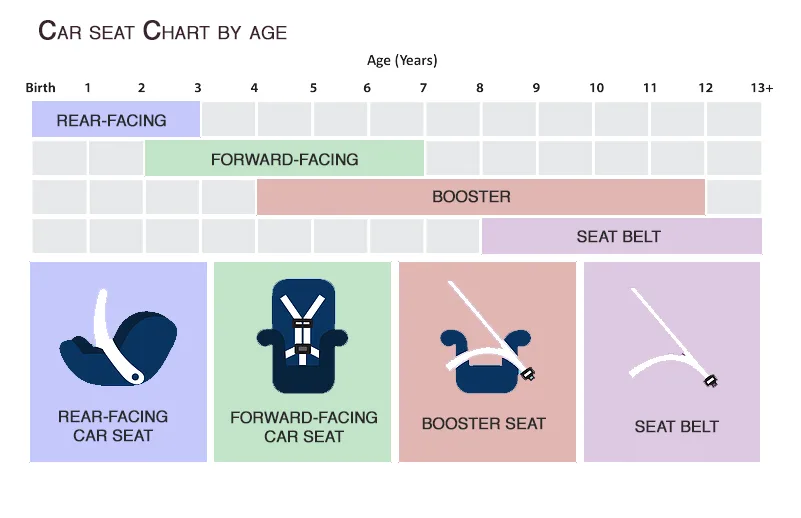
The law doesn’t specify rear-facing vs. forward-facing for infants, but safety experts strongly recommend keeping kids rear-facing as long as possible. The American Academy of Pediatrics advises rear-facing until at least age 2, or until the child outgrows the seat’s height or weight limit.
The 3 Stages of Child Restraints in Kansas
Stage 1: Rear-Facing Seats (Birth to At Least Age 2)
Rear-facing seats are the safest option for infants and toddlers. They support the head, neck, and spine in a crash, reducing the risk of severe injury. Most rear-facing seats accommodate children up to 22, 40 lbs, but some models go higher.
Bing (Web (fair-use with source credit))
Manufacturer specs confirm that rear-facing seats should be used until the child reaches the maximum height or weight limit for the seat. Even if your child turns 2, if they still fit in their rear-facing seat, it’s safer to keep them in it.
Stage 2: Forward-Facing Seats (Age 2 to 4+)
Once a child outgrows their rear-facing seat, they should transition to a forward-facing seat with a 5-point harness. This stage typically covers kids from 22, 65 lbs, depending on the seat. The harness distributes crash forces across the strongest parts of the body, like the shoulders and hips.
Forward-facing seats must be installed in the back seat of the vehicle. Never place a forward-facing seat in the front seat, especially if the vehicle has a passenger-side airbag.
Stage 3: Booster Seats (Ages 4–8 or Until Seat Belt Fits)
Booster seats lift a child up so the vehicle’s seat belt fits correctly. Kansas law requires booster seats for children aged 4 to 7, but they’re also necessary for kids 8 and under who haven’t reached 4'9" tall or 80 lbs. Booster seats come in two types: high-back and backless.
High-back boosters provide additional head and neck support, while backless boosters are typically used for older kids in vehicles with headrests.
When Can a Child Use Just a Seat Belt in Kansas?
A child can use just a seat belt in Kansas once they meet all of the following criteria:
- They are 8 years old or older
- They are at least 4'9" tall
- They weigh at least 80 lbs
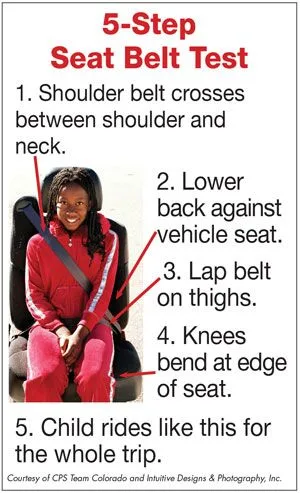
Even if a child meets the age requirement, they must still pass the seat belt fit test. The lap belt should lie snugly across the upper thighs, not the stomach. The shoulder belt should cross the chest and collarbone, not the neck or face.
Bing (Web (fair-use with source credit))
If the seat belt doesn’t fit correctly, the child should remain in a booster seat.
Kansas Law vs. Safety Best Practices: What’s the Difference?
Kansas law sets the minimum legal requirements, but safety experts often recommend going further. The AAP advises keeping kids in rear-facing seats until they outgrow the height or weight limit, which may be well past age 2. NHTSA guidelines also stress using the right restraint for the child’s size, not just their age.
For example, Kansas allows forward-facing seats at age 4, but many seats support rear-facing up to 50 lbs or more. Following the manufacturer’s limits is safer than switching at the legal minimum.
Common Mistakes That Put Kids at Risk (And How to Avoid Them)
Using the Wrong Seat for the Child’s Size
A common error is moving a child to the next seat stage too soon. If the child’s head is less than an inch from the top of the car seat, it’s time to switch. Otherwise, they should stay in their current seat.
Loose Installation
A car seat should not move more than an inch side to side or front to back when tested at the belt path. Many parents don’t pull the seat belt or LATCH strap tight enough. Always use your full weight to press down on the seat while tightening.
Incorrect Harness Position
The chest clip should be at armpit level, not on the stomach or neck. The harness straps should be snug enough that you can’t pinch any excess strap at the child’s shoulder.
What Happens If You Break the Law? Fines and Consequences
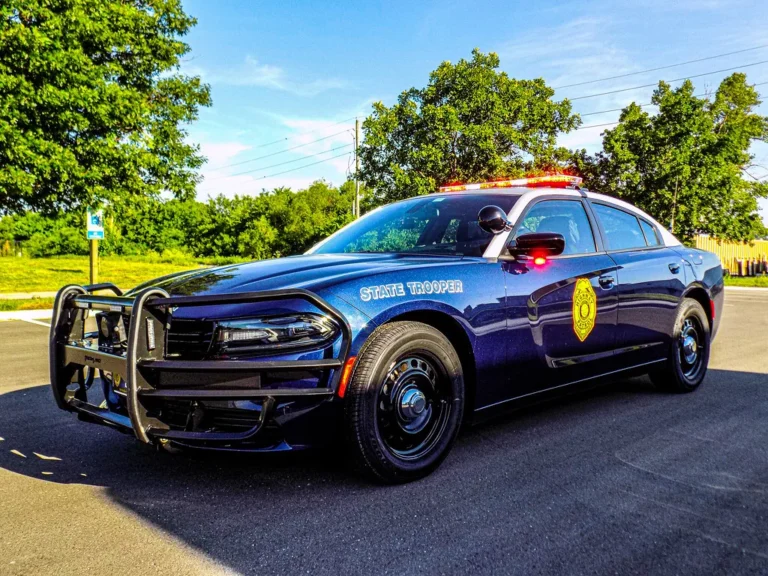
Kansas enforces child restraint laws with fines that typically range from $60 to $100. The exact amount can vary by jurisdiction, but the cost is secondary to the safety risk. A ticket is the least of your concerns if a child is injured in a crash.
Law enforcement officers can pull you over solely for a child restraint violation. Courts may also require proof of a properly installed car seat before dismissing the fine.
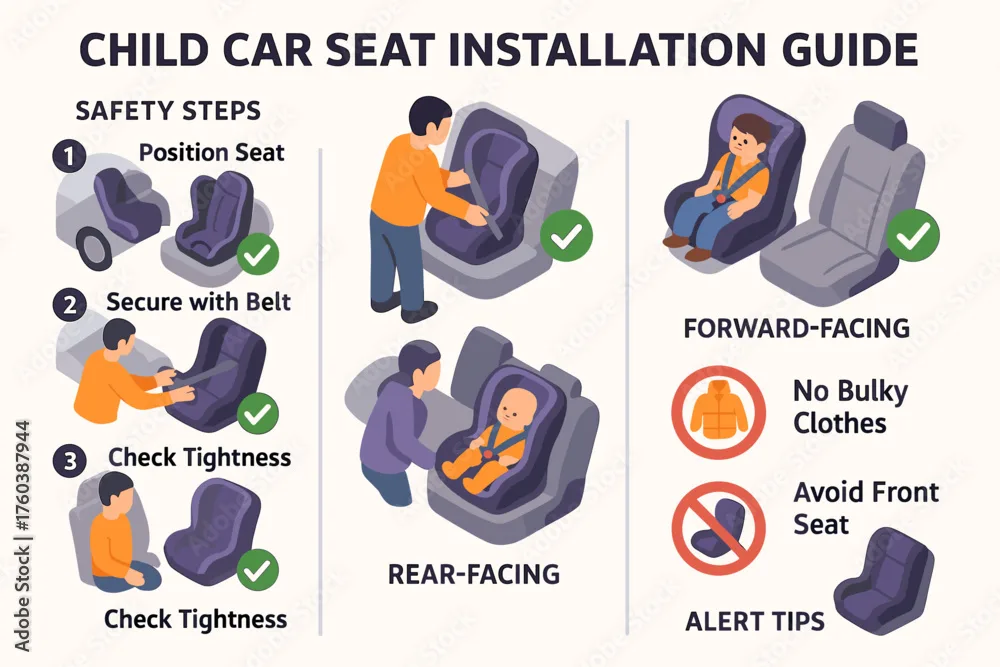
How to Install a Car Seat Correctly (Step-by-Step)
Using the LATCH System
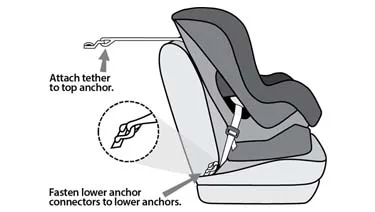
The LATCH system makes installation easier by using built-in anchors in your vehicle. Most cars have lower anchors in the back seat crease and top tether anchors behind the seat. Check your vehicle manual for their exact location.
Bing (Web (fair-use with source credit))
Attach the car seat’s lower connectors to the vehicle’s anchors. Press down firmly on the seat while tightening the strap to remove slack. Then, connect the top tether if your seat has one.
Using the Seat Belt
If your vehicle doesn’t have LATCH or the seat isn’t LATCH-compatible, use the seat belt. Thread it through the car seat’s belt path and buckle it. Pull the belt all the way out to engage the locking mechanism, then feed the excess back in.
Final Checks
After installation, perform the inch test. Grab the car seat at the belt path and pull side to side and front to back. If it moves more than an inch, it’s not tight enough.
Also, ensure the seat is at the correct recline angle for rear-facing seats. Most seats have built-in indicators to help.
Where to Get Your Car Seat Checked in Kansas
Many fire stations, police departments, and hospitals offer free car seat checks. Certified Child Passenger Safety Technicians (CPSTs) will inspect your installation and ensure it meets safety standards. You can find a local inspection station through the NHTSA’s search tool.
Some locations require appointments, while others offer walk-in services. Always call ahead to confirm availability.
FAQs About Kansas Child Restraint Laws
Can my 7-year-old use just a seat belt if they’re tall for their age?
No. Kansas law requires children under 8 to use a booster or car seat unless they are at least 4'9" tall and weigh 80 lbs. Height and weight matter more than age alone.
What’s the fine for not using a car seat in Kansas?
The fine is typically between $60 and $100. Courts may waive it if you provide proof of a properly installed car seat.
Can I use a secondhand car seat?
Only if it hasn’t been in a crash, isn’t expired, and has all its original parts. Check the manufacturer’s expiration date, usually stamped on the seat.
Do taxis and rideshares have to follow the same rules?
Yes. Kansas law applies to all vehicles, including taxis and rideshares. You’re responsible for providing and installing the correct restraint for your child.
When can my child sit in the front seat?
Kansas law doesn’t specify an age, but safety experts recommend keeping kids in the back seat until at least age 13. The back seat is safer in a crash.
Final Checklist: Are You Following Kansas Law?
Use this quick checklist to confirm you’re compliant:
- Children under 4 are in a child safety seat
- Children 4, 7 are in a booster or child safety seat
- Children 8 and under are in a booster or car seat if under 4'9" or 80 lbs
- The seat is installed tightly with no more than 1 inch of movement
- The harness or seat belt fits correctly (lap belt on thighs, shoulder belt on chest)
- The car seat isn’t expired or recalled
If you can check all these boxes, you’re following Kansas law and keeping your child safe.