ByMax Lee
Kansas Special License Plate Rules & Eligibility
Kansas special interest license plate eligibility and restricted usage rules can be confusing, especially when you just want the right plate for your vehicle. Whether you’re restoring a classic car or supporting a cause, knowing the exact requirements saves time and avoids rejections at the DMV.
As of 2026, Kansas offers over 100 special interest plate designs, but each has strict eligibility criteria and usage limits. The rules change depending on the plate type, so what works for one won’t always apply to another.
Quick Answer
Kansas special interest license plate eligibility and restricted usage rules depend on the plate type. Antique plates require vehicles 35+ years old. Military plates need veteran status verification.
Specialty plates often support nonprofits or causes. Restricted usage may limit driving to parades or shows.
Do You Qualify for a Kansas Special Interest License Plate?
You qualify if your vehicle meets the age, type, or ownership criteria for the specific plate. For example, antique plates are for vehicles at least 35 years old, while military plates require proof of service.
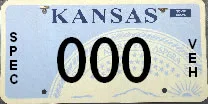
Wikimedia Commons / Cloud County Treasurers Office, Kansas (CC BY-SA)
Not all plates are open to everyone. Some are reserved for organizations, veterans, or specific vehicle classes. The Kansas Division of Vehicles verifies eligibility before approval, so double-check your vehicle’s classification before applying.
What Counts as a “Special Interest” Plate in Kansas?
Kansas defines special interest plates as those representing causes, organizations, or vehicle categories beyond standard registration. These include antique, classic, military, and nonprofit plates.
Each category has its own rules. Antique plates are for historical vehicles, while military plates honor service members. Nonprofit plates often require a donation or membership proof.
The 3 Types of Special Interest Plates and Who Can Get Them
| Plate Type | Eligibility | Restricted Usage |
|---|---|---|
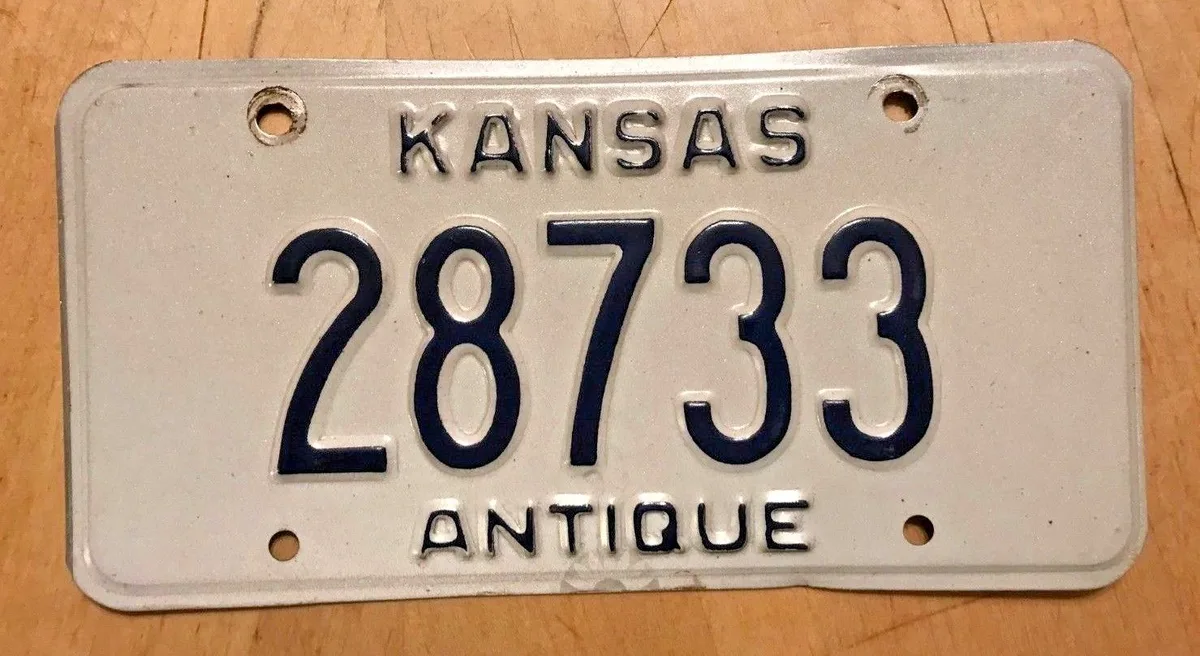
| Antique | Vehicles 35+ years old | Limited to parades, shows, and occasional pleasure driving |
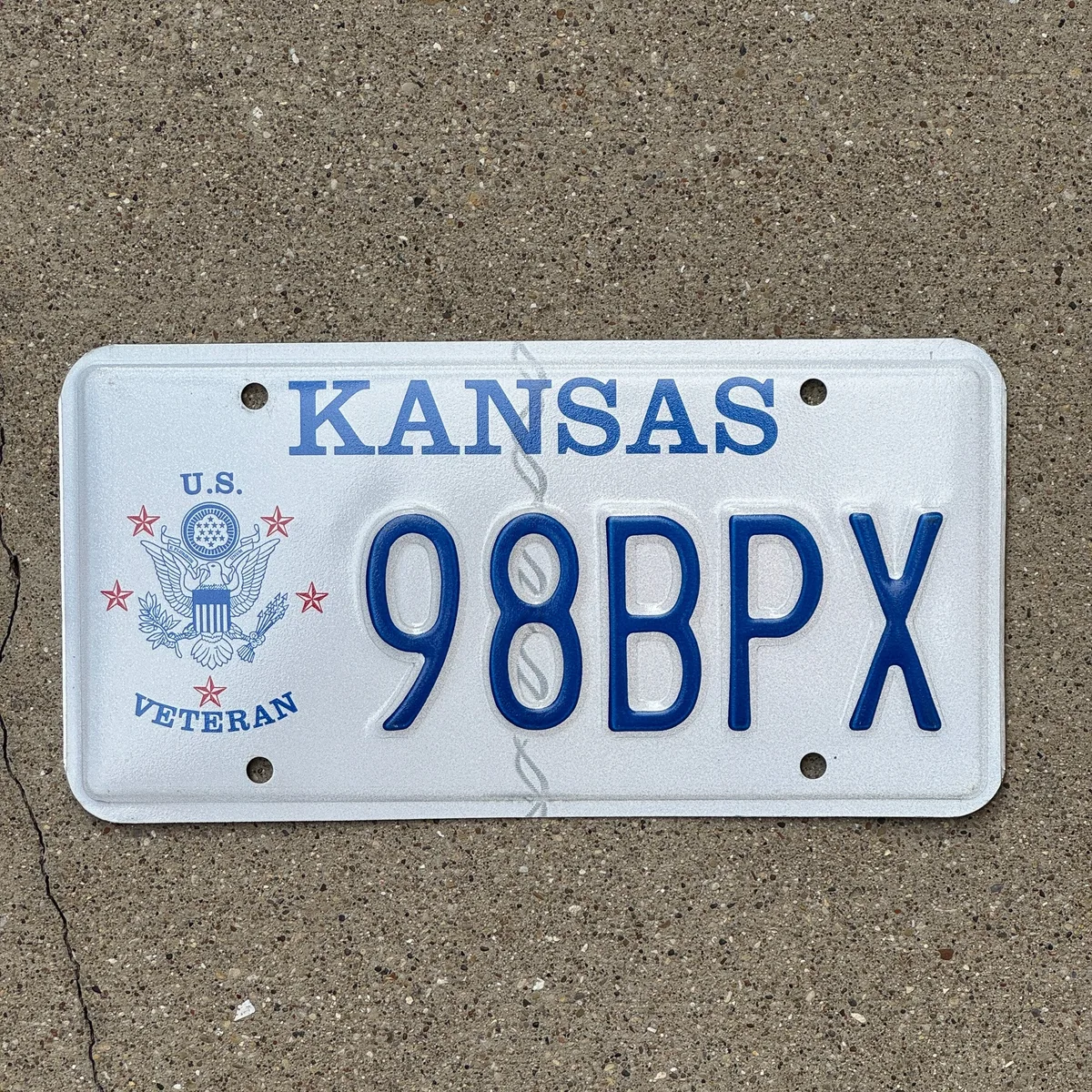
| Military | Active duty or veterans | No driving restrictions, but requires proof of service |
| Nonprofit | Donation or membership | Standard usage, but may require annual verification |
Bing (Web (fair-use with source credit))
Antique plates are the most restricted. If your vehicle qualifies, you can’t use it for daily commuting. Military plates, on the other hand, have no usage limits but require documentation from the Kansas Department of Revenue.
Kansas’ Restricted Usage Rules—What You Can’t Do With These Plates
Antique plates prohibit daily driving. If you’re caught using one for regular transportation, you risk fines or plate revocation. Military and nonprofit plates typically have no usage restrictions, but always confirm with the DOV.
For antique vehicles, the rule is clear: no commercial use, no daily commuting. These plates are for display and occasional recreational driving only.
Step-by-Step: How to Apply for a Special Interest Plate in Kansas
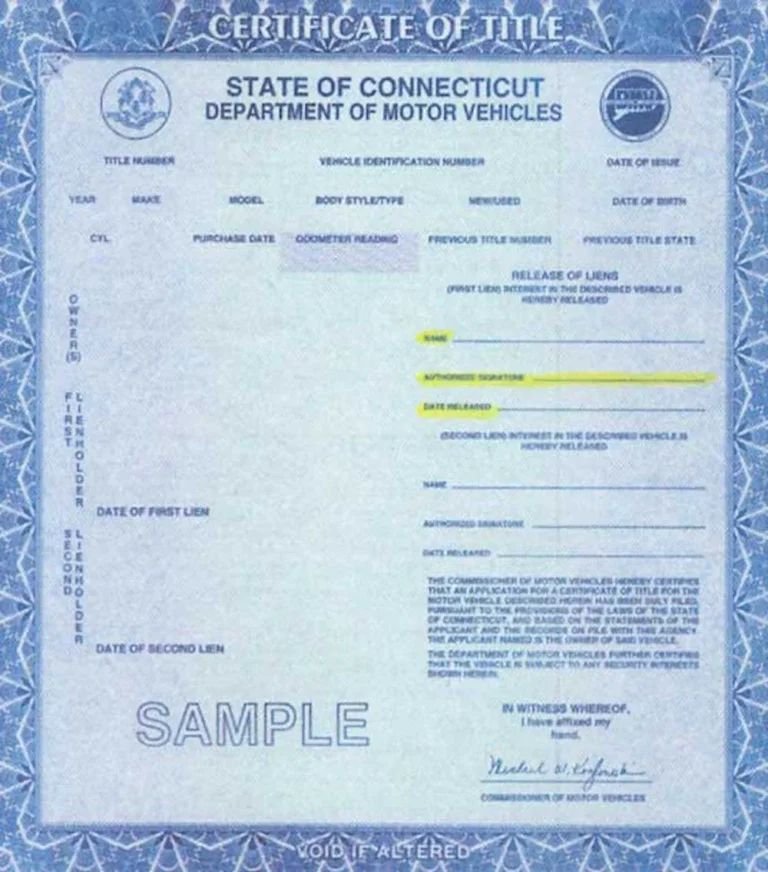
First, confirm your eligibility. Check the DOV’s list of approved plates and their requirements. Gather your vehicle title, proof of insurance, and any special documentation like military discharge papers.
Bing (Web (fair-use with source credit))
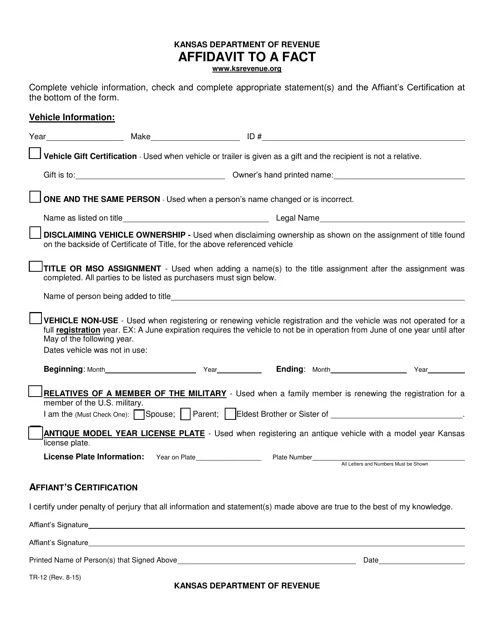
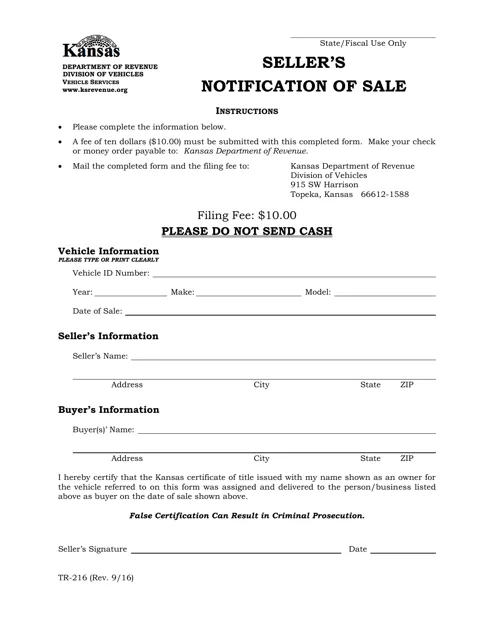
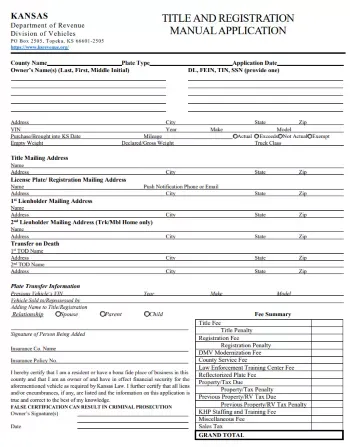
Next, complete the application. You can submit it online, by mail, or in person at a local DOV office. Processing times average 2 to 3 weeks, so apply early if you need the plate by a specific date.
Required Documents and Where to Get Them
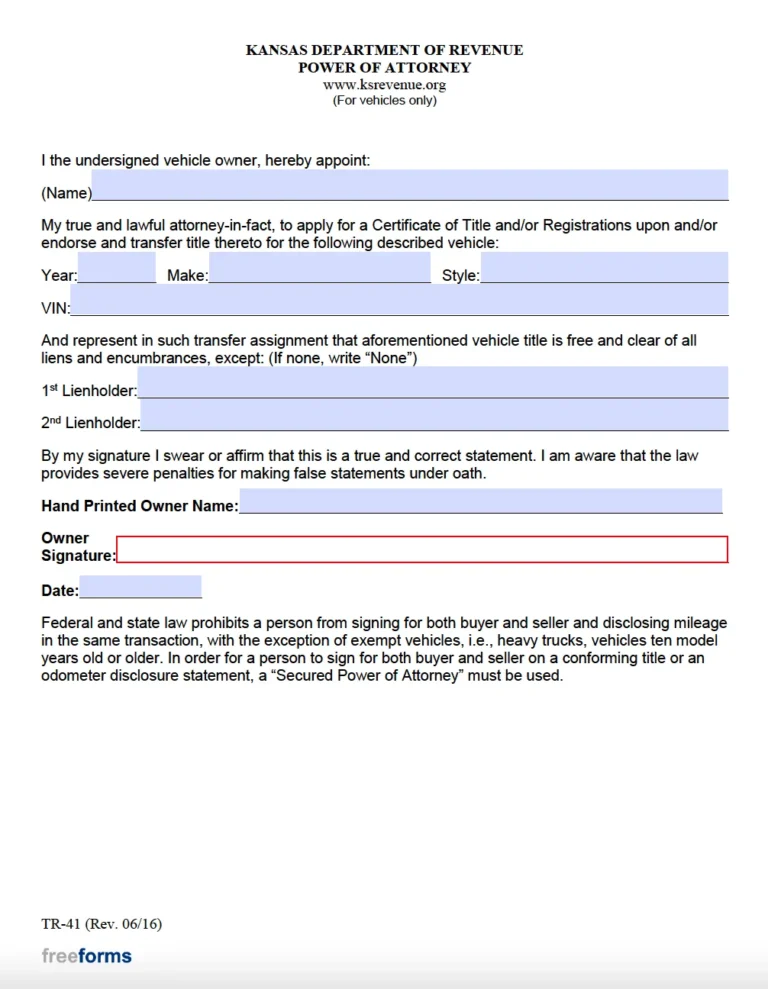
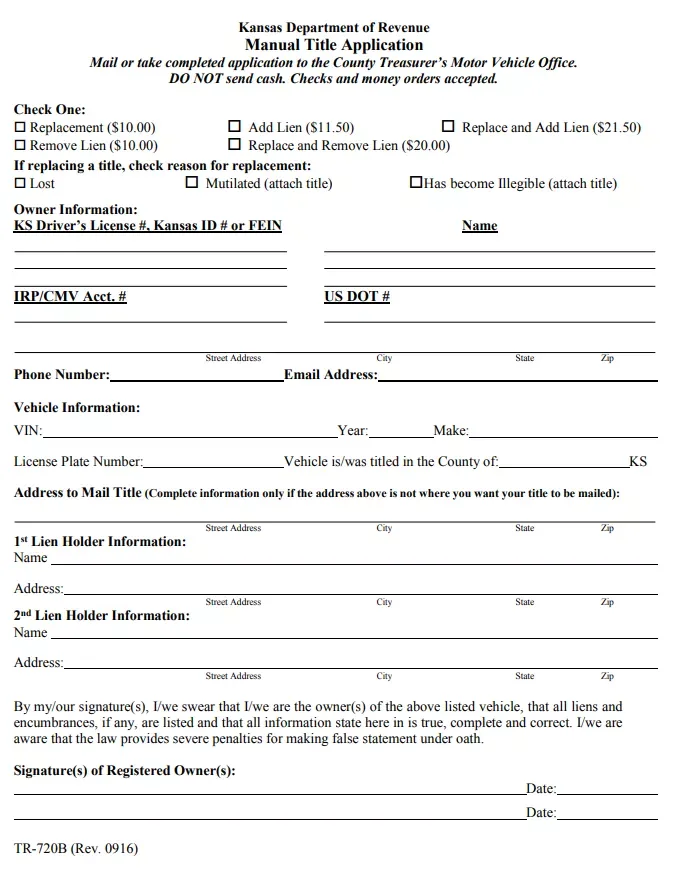
You’ll need your vehicle title, proof of Kansas insurance, and a completed Application for Certificate of Title and Registration. Antique plates require a vehicle inspection form from a licensed dealer or law enforcement officer.
For military plates, bring your DD Form 214 or active duty orders. Nonprofit plates may need a donation receipt or membership verification.
Fees and Renewal Costs for Kansas Special Interest Plates
Standard special interest plates cost $40.50 initially, with a $35.50 renewal fee. Antique plates are $10.50 for the first year, then $5.50 annually. Military plates are free for veterans, but active duty may pay standard fees.
Additional fees apply for personalized plates. These start at $40.50 plus the base plate cost. Check the Kansas DOV fee schedule for the latest rates.
Common Reasons Applications Get Rejected (And How to Fix Them)
Missing documents are the top cause. Double check you’ve included title, insurance, and any special forms. Incomplete applications get sent back without processing.
Vehicle classification errors are another issue. If your car doesn’t meet the age requirement for antique plates, you’ll need to apply for a different type.
Can You Drive Your Special Interest Vehicle Daily? The Hard Rules
No. Antique plates restrict use to parades, shows, and occasional pleasure driving. Daily commuting or commercial use is prohibited.
Military and nonprofit plates have no usage restrictions. You can drive these vehicles normally as long as you maintain valid registration and insurance.
Military, Nonprofit, and Other Specialty Plates—Key Differences
| Plate Type | Cost | Eligibility | Usage Rules |
|---|---|---|---|
| Military | Free for veterans | DD Form 214 or active duty orders | No restrictions |
| Nonprofit | $40.50 initial | Donation or membership proof | No restrictions |
| Antique | $10.50 initial | Vehicle 35+ years old | Limited to shows/parades |
Bing (Web (fair-use with source credit))
Military plates honor service members with no additional fees for veterans. Nonprofit plates support organizations but require ongoing verification. Antique plates are the most restricted but cost the least.
What Happens If You Break the Rules? Penalties and Fixes
Using an antique plate for daily driving can result in a $100 fine. The DOV may also revoke the special plate and require you to switch to standard plates.
If you receive a citation, correct the issue by registering the vehicle with standard plates. Repeat violations may lead to additional fines or registration suspension.
Pro Tips to Speed Up Approval and Avoid Hassles
Submit all documents at once to prevent delays. Missing paperwork is the most common reason for rejection.
For antique vehicles, get the inspection done before applying. This ensures your car meets the age and condition requirements. Military applicants should verify their DD Form 214 is legible and complete.
Frequently Asked Questions
Can I transfer my special interest plate to another vehicle?
Yes, but you must reapply and meet the eligibility requirements for the new vehicle. The DOV will verify the transfer is valid.
How long does it take to get a special interest plate?
Processing typically takes 2 to 3 weeks. Mail applications may take longer, so apply in person for faster service.
Are there any age exemptions for antique plates?
No. The vehicle must be at least 35 years old. There are no exceptions to this rule.
Can I get a refund if my application is denied?
No. Fees are non-refundable, even if your application is rejected. Double check eligibility before paying.
Do I need a front plate for special interest vehicles?
Yes. Kansas requires both front and rear plates for all vehicles, including special interest plates.
Can I personalize my special interest plate?
Yes, but it costs extra. Personalized plates start at $40.50 plus the base plate fee.