ByMax Lee
Kentucky CDL Rules: Requirements & Guidelines
Getting a commercial driver’s license in Kentucky isn’t just paperwork, it’s a legal requirement with serious consequences if you skip a step. The Kentucky commercial driver license rules cover everything from medical certifications to vehicle class restrictions, and missing one detail can mean failed tests or even fines.
As of 2026, Kentucky follows federal FMCSA standards, which means you’ll need to pass both knowledge and skills tests before hitting the road. The process starts with understanding which CDL class and endorsements apply to your situation.
Quick Answer
Kentucky commercial driver license rules require passing written and skills tests. You must be at least 18 for intrastate or 21 for interstate driving. A Commercial Learner’s Permit is mandatory before testing.
Medical certification is required for all CDL holders.
Why Kentucky CDL Rules Matter (And What Happens If You Get Them Wrong)
Operating a commercial vehicle without the proper license isn’t just risky, it’s illegal. Kentucky enforces FMCSA regulations, and violations can lead to fines, license suspension, or even criminal charges. If you’re caught driving a Class A truck with only a Class C license, you could face penalties that derail your career.
Bing (Web (fair-use with source credit))
Employers also check compliance closely. Many won’t hire you without a valid CDL, and some require specific endorsements for certain jobs. For example, hauling hazardous materials without an H endorsement can void insurance and leave you liable for damages.
Kentucky CDL Classes: Which One Do You Actually Need?
Kentucky offers three CDL classes, each covering different vehicle types and weight limits. The class you need depends on what you plan to drive.
- Class A: Required for vehicles towing trailers over 10,000 lbs (e.g., tractor-trailers). This is the most versatile and in-demand for long-haul trucking.
- Class B: Covers single vehicles over 26,001 lbs (e.g., dump trucks, buses). Doesn’t allow towing heavy trailers.
- Class C: For vehicles under 26,001 lbs designed to transport 16+ passengers or hazardous materials (e.g., small HAZMAT trucks, passenger vans).
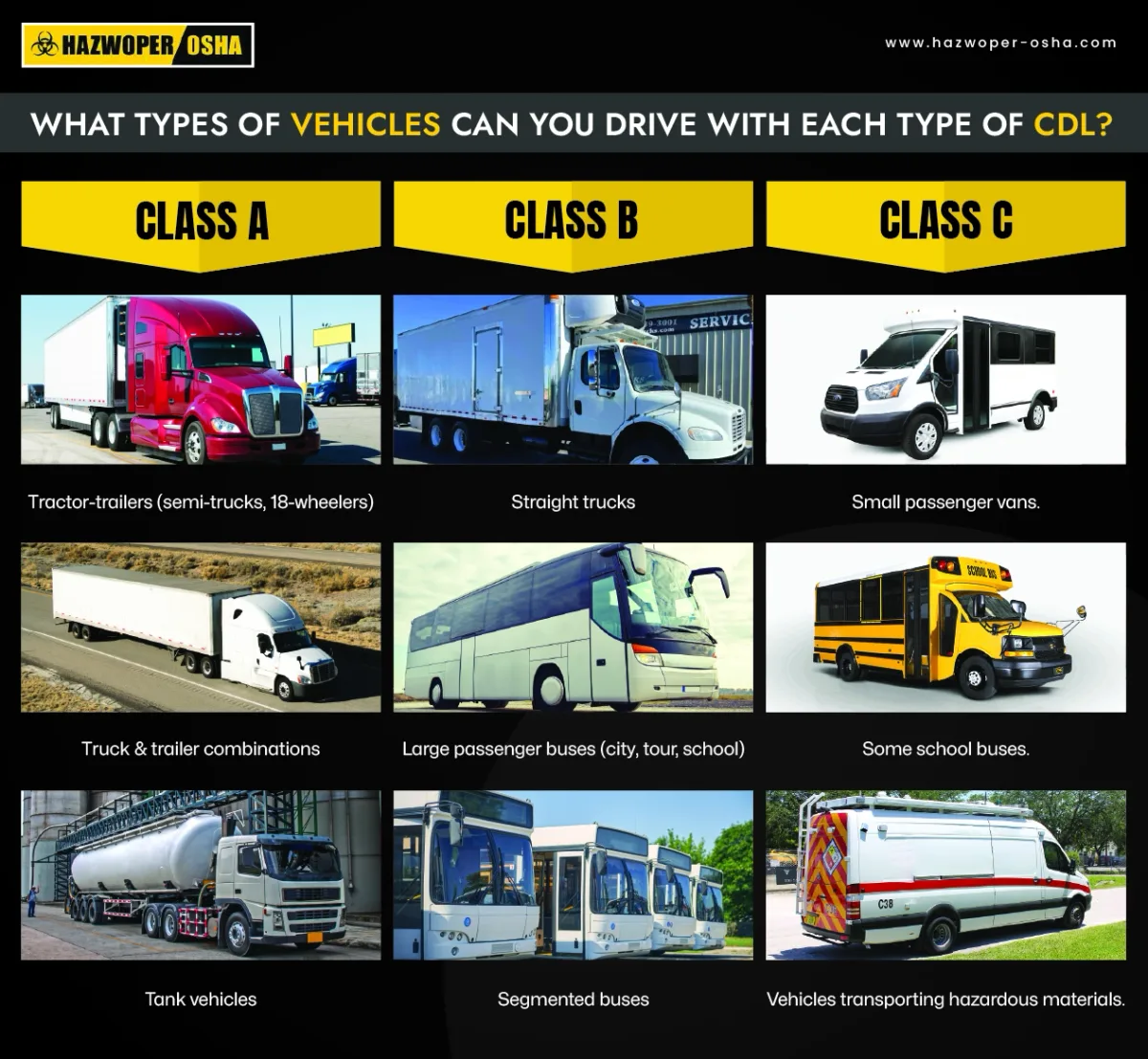
Bing (Web (fair-use with source credit))
If you’re unsure, start with the vehicle you’ll drive most often. For example, if you’re aiming for a job driving a school bus, a Class B with a P (passenger) endorsement is typically required. For more on vehicle classifications, the FMCSA’s official guidelines provide detailed breakdowns.
Kentucky CDL Endorsements Explained (And Which Ones Pay More)
Endorsements expand your CDL to cover specialized vehicles or cargo. Each requires additional testing and, in some cases, background checks.
| Endorsement | What It Covers | Test Required | Extra Requirements |
|---|---|---|---|
| H | Hazardous materials | Written test | TSA background check |
| N | Tank vehicles | Written test | None |
| P | Passenger vehicles | Written + skills test | None |
| S | School buses | Written + skills test | Background check |
| T | Double/triple trailers | Written test | None |
| X | Tank + HAZMAT | Written test | TSA background check |
The H and X endorsements often pay the most because they’re in high demand for specialized hauling. However, they also come with stricter regulations, including mandatory security screenings.
Kentucky CDL Requirements: Age, Medical, and Legal Must-Haves
Before you can even apply, you’ll need to meet Kentucky’s basic eligibility criteria. These are non-negotiable and apply to all CDL classes.
- Age: 18 for intrastate (Kentucky only) driving, 21 for interstate (crossing state lines).
- Medical Certification: A DOT physical from a certified medical examiner. This must be kept current, most expire every 1, 2 years.
- Legal Status: You must be a U.S. citizen or lawful permanent resident. Non-citizens may need additional documentation.
- Driving Record: No serious traffic violations (e.g., DUI, reckless driving) in the past 3, 5 years, depending on the offense.
Your medical certificate is tied to your CDL. If it expires, your license is no longer valid for commercial driving. Kentucky uses the FMCSA’s National Registry of Certified Medical Examiners, so make sure your provider is listed there.
The Kentucky CDL Process Step by Step (No Guesswork)
Here’s the exact order to follow, with no shortcuts. Each step builds on the last, and skipping one can set you back weeks.
Study the Kentucky CDL Manual The official KYTC CDL manual covers all the material for the knowledge tests. Focus on the sections for your class and endorsements.
Get Your Commercial Learner’s Permit (CLP) Pass the written knowledge tests for your CDL class and any endorsements. You’ll need to provide proof of identity, Social Security card, Kentucky residency, and a medical examiner’s certificate.
Hold Your CLP for at Least 14 Days Kentucky requires a minimum 14-day waiting period before you can take the skills test. Use this time to practice driving the vehicle you’ll test in.
Pass the CDL Skills Test This includes three parts: pre-trip inspection, basic vehicle controls, and on-road driving. You must pass all three in the same vehicle class you’re testing for.
Kentucky CDL Knowledge Test: What to Study and How to Pass
The written test covers general CDL knowledge plus any endorsements you’re adding. Each section has its own passing score, and you must pass all required tests to get your CLP.
Focus on the Kentucky CDL manual’s chapters for your class and endorsements. The general knowledge test includes questions on safe driving practices, air brakes, and combination vehicles. Endorsement tests dive deeper into specific topics like HAZMAT handling or passenger safety.
You’ll take the test at a KYTC Driver Licensing office or an approved third-party tester. Bring your required documents and be prepared to pay the testing fee.
Kentucky CDL Skills Test: Pre-Trip, Controls, and Road Test Breakdown
The skills test is hands-on and divided into three parts. You must pass all three in the same vehicle class you’re testing for.
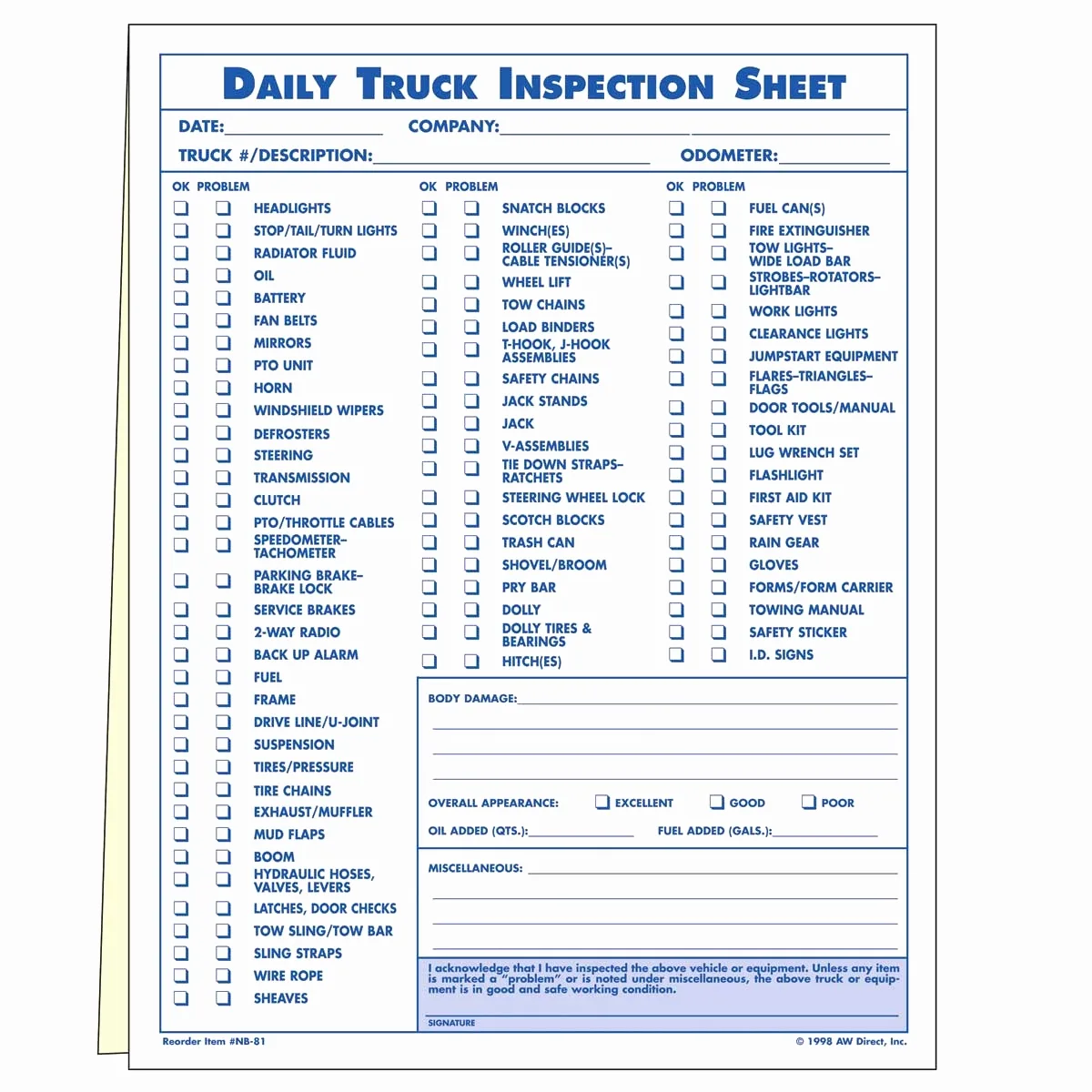
Bing (Web (fair-use with source credit))
Pre-Trip Inspection
You’ll need to inspect key components like brakes, tires, lights, and coupling systems. The examiner will ask you to explain what you’re checking and why it matters.
Basic Controls Test
This evaluates your ability to maneuver the vehicle in tight spaces. You’ll be asked to perform tasks like backing up, alley docking, or parallel parking.
On-Road Test
You’ll drive in real traffic while the examiner scores your ability to handle turns, lane changes, and stops.
Kentucky CLP: Your Temporary License Before the Full CDL
The Commercial Learner’s Permit lets you practice driving a commercial vehicle under supervision. It’s valid for 6 months and can be renewed once.
To get your CLP, you must pass the written knowledge tests and provide the required documents. You’ll also need to pay the CLP fee, which is separate from the CDL fee.
While holding your CLP, you can only drive a commercial vehicle with a licensed CDL holder in the passenger seat.
Costs and Fees for a Kentucky CDL (2026 Pricing)
Here’s what you can expect to pay as of 2026. Fees are set by the Kentucky Transportation Cabinet.
| Fee Type | Cost |
|---|---|
| CLP Application | $11 |
| CDL Application | $40 |
| Skills Test | $60 |
| Endorsement (each) | $5–$10 |
| CDL Renewal | $40 |
Some third-party testers may charge additional fees for the skills test. Always confirm pricing before scheduling.
Common Kentucky CDL Mistakes (And How to Avoid Them)
Failing to prepare for the knowledge test is a top reason applicants don’t pass. The manual is your best study tool, and practice tests can help you gauge your readiness.
Another common mistake is showing up for the skills test in the wrong vehicle class. If you’re testing for a Class A CDL, you must take the test in a Class A vehicle.
Not keeping your medical certificate current is another pitfall. If your medical card expires, your CDL is no longer valid for commercial driving.
Keeping Your Kentucky CDL Valid: Renewals, Medical Cards, and Updates
Your CDL expires every 4 years, but your medical certificate may need renewal sooner. Kentucky ties your CDL to your medical status, so an expired medical card means your license is no longer valid for commercial driving.
Renewing your CDL requires passing a vision test and providing an updated medical examiner’s certificate. You’ll also need to pay the renewal fee and confirm your personal information is current.
If you let your CDL lapse, you may need to retake the knowledge and skills tests.
Kentucky CDL vs. Other States: What’s Different?
Kentucky follows federal FMCSA standards, but some state-specific rules apply. For example, Kentucky requires a 14-day CLP holding period before testing, while some states allow testing sooner.
Another difference is the testing process. Kentucky offers both state-administered and third-party CDL testing. Some states only allow state testing, which can mean longer wait times.
If you’re moving to Kentucky from another state, you’ll need to transfer your CDL within 30 days. You may need to pass additional tests if your out-of-state license has restrictions.
Kentucky CDL for Military, Farmers, and Special Cases
Active-duty military personnel may qualify for a CDL waiver under the FMCSA’s Military Skills Test Waiver Program. This allows service members with relevant experience to skip the skills test.
Farmers and agricultural workers have some exemptions, but these are limited. For example, you may not need a CDL for farm-related transport within 150 air miles of your farm. However, this exemption doesn’t apply to HAZMAT or passenger vehicles.
Where to Take Your Kentucky CDL Test (Official Locations)
You can take your CDL knowledge test at any KYTC Driver Licensing office. Skills tests are available at select KYTC locations and approved third-party testers.
Bing (Web (fair-use with source credit))
Third-party testers often have more flexible scheduling, but they may charge higher fees. Always confirm the tester is approved by the Kentucky State Police.
To find the nearest location, use the KYTC’s office locator tool. Some rural areas have limited testing availability, so plan ahead.
FAQs About Kentucky CDL Rules
How old do I need to be to get a Kentucky CDL?
You must be at least 18 for intrastate driving. For interstate driving, the minimum age is 21.
Can I take the CDL test in a rental truck?
No. You must provide your own vehicle for the skills test, and it must match the class you’re testing for.
How long is the Kentucky CLP valid?
The Commercial Learner’s Permit is valid for 6 months and can be renewed once.
What happens if I fail the CDL skills test?
You can retake the test, but you’ll need to wait at least 1 day before retrying. Some testers may require a longer wait.
Do I need a CDL to drive a farm truck in Kentucky?
It depends. If you’re transporting farm products within 150 air miles of your farm, you may be exempt. However, this doesn’t apply to HAZMAT or passenger vehicles.