ByMax Lee
Kentucky Seat Belt Laws: What You Need to Know
Kentucky seat belt laws require all drivers and front-seat passengers to buckle up, with specific rules for children based on age, height, and weight. These laws exist to reduce injuries and fatalities, and violating them can result in fines.
As of 2026, Kentucky enforces seat belt use under KRS 189.125, with primary enforcement for front seats and secondary enforcement for back seats. Understanding these rules helps you stay compliant and safe on the road.
Bing (Web (fair-use with source credit))
Quick Answer: Are Seat Belts Required in Kentucky?
Yes. Kentucky seat belt laws mandate seat belt use for all drivers and front-seat passengers. Back-seat passengers 16 and older must also wear seat belts under secondary enforcement.
Children under 8 or under 57 inches tall require a child restraint system. Fines apply for non-compliance.
How Kentucky’s Seat Belt Laws Work
Kentucky’s seat belt laws are outlined in KRS 189.125. The law requires all drivers and front-seat passengers to wear seat belts. For back-seat passengers, the rule applies to those 16 and older, but enforcement is secondary.
This means police can only cite you for not wearing a seat belt in the back if they’ve pulled you over for another violation. The primary goal is to reduce injuries and fatalities in crashes. According to the National Highway Traffic Safety Administration, seat belts reduce the risk of fatal injury by about 45%.
Primary vs. Secondary Enforcement: What’s the Difference?
Primary enforcement means police can pull you over solely for not wearing a seat belt. In Kentucky, this applies to drivers and front-seat passengers. If you’re stopped and not buckled up, you can be ticketed immediately.
Secondary enforcement means police can only cite you for not wearing a seat belt if they’ve already stopped you for another violation. This applies to back-seat passengers 16 and older in Kentucky.
Bing (Web (fair-use with source credit))
For example, if you’re speeding and a back-seat passenger isn’t wearing a seat belt, the officer can issue a citation for both the speeding and the seat belt violation.
Kentucky’s Child Passenger Safety Laws (By Age & Size)
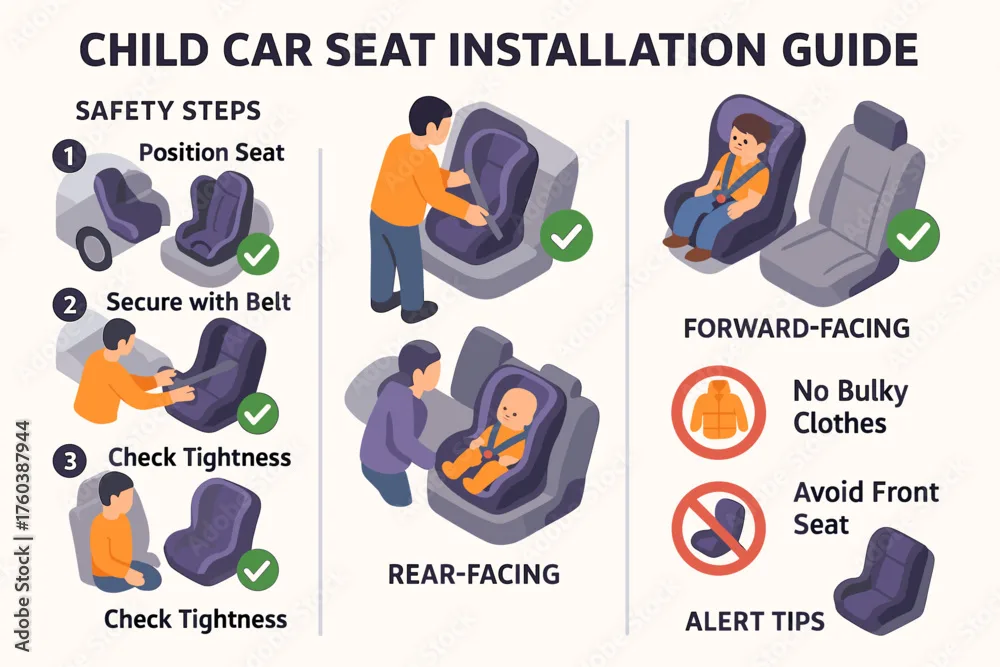
Kentucky’s child passenger safety laws are designed to protect children based on their age, height, and weight. These rules are outlined in KRS 189.1252 and require the use of appropriate child restraint systems.
Infant & Toddler Seats (Under 2)
Children under 2 must be secured in a rear-facing car seat. This is the safest position for infants and toddlers, as it supports their head, neck, and spine in a crash.
Convertible & Forward-Facing Seats (2–4)
Children aged 2 to 4 must use a forward-facing car seat with a harness. These seats are designed to restrain the child securely and reduce the risk of injury.
Booster Seats (Under 8 or Under 57 Inches)
Children under 8 years old or under 57 inches tall must use a booster seat. Booster seats elevate the child so the vehicle’s seat belt fits properly across their chest and lap.
Seat Belts for Older Kids (8+ or 57+ Inches)
Once a child reaches 8 years old or 57 inches tall, they can use the vehicle’s seat belt. However, it’s crucial to ensure the seat belt fits correctly, with the lap belt low across the hips and the shoulder belt across the chest.
Bing (Web (fair-use with source credit))
Who’s Exempt from Kentucky’s Seat Belt Laws?
Kentucky’s seat belt laws include a few exemptions. These are specific situations where seat belt use is not required.
- Medical Exemptions: A licensed physician can certify that a person cannot wear a seat belt due to a medical condition.
- Emergency Vehicles: Drivers and passengers in emergency vehicles, such as ambulances and fire trucks, are exempt while responding to emergencies.
- Delivery and Postal Vehicles: Drivers of vehicles used for delivering newspapers, mail, or other small packages may be exempt if they frequently stop and exit the vehicle.
- Reverse Gear: Seat belts are not required when a vehicle is moving in reverse.
Penalties for Breaking Kentucky Seat Belt Laws
Violating Kentucky’s seat belt laws results in a fine. For adults not wearing a seat belt, the penalty is $25. If a child under 8 isn’t properly restrained, the fine increases to $50.
These fines are in addition to any other citations you may receive. Courts may also waive the fine if you provide proof of purchasing a child restraint system.
Why Seat Belts Matter: Safety Stats & Real-World Impact
Seat belts save lives. The NHTSA reports that seat belts reduce the risk of fatal injury by 45% and moderate to critical injury by 50%. In 2022, seat belts saved nearly 15,000 lives nationwide.
In Kentucky, seat belt use has steadily increased, but there’s still room for improvement. Wearing a seat belt is one of the simplest ways to protect yourself and your passengers in a crash.
Common Mistakes (And How to Avoid Them)
Many drivers and passengers make mistakes with seat belt use. One common error is wearing the shoulder strap behind the back or under the arm. This can cause serious injury in a crash.
Another mistake is using a seat belt that’s too loose. The lap belt should fit snugly across the hips, not the stomach. The shoulder belt should cross the chest, not the neck.
For children, a frequent issue is transitioning to a seat belt too soon. Keep kids in booster seats until they’re tall enough for the seat belt to fit properly, usually around 4’9”.
How to Check if Your Child’s Seat Is Installed Correctly
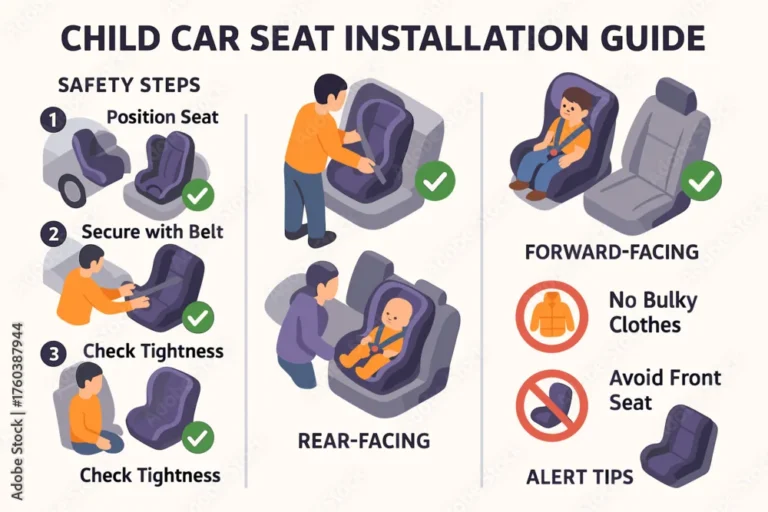
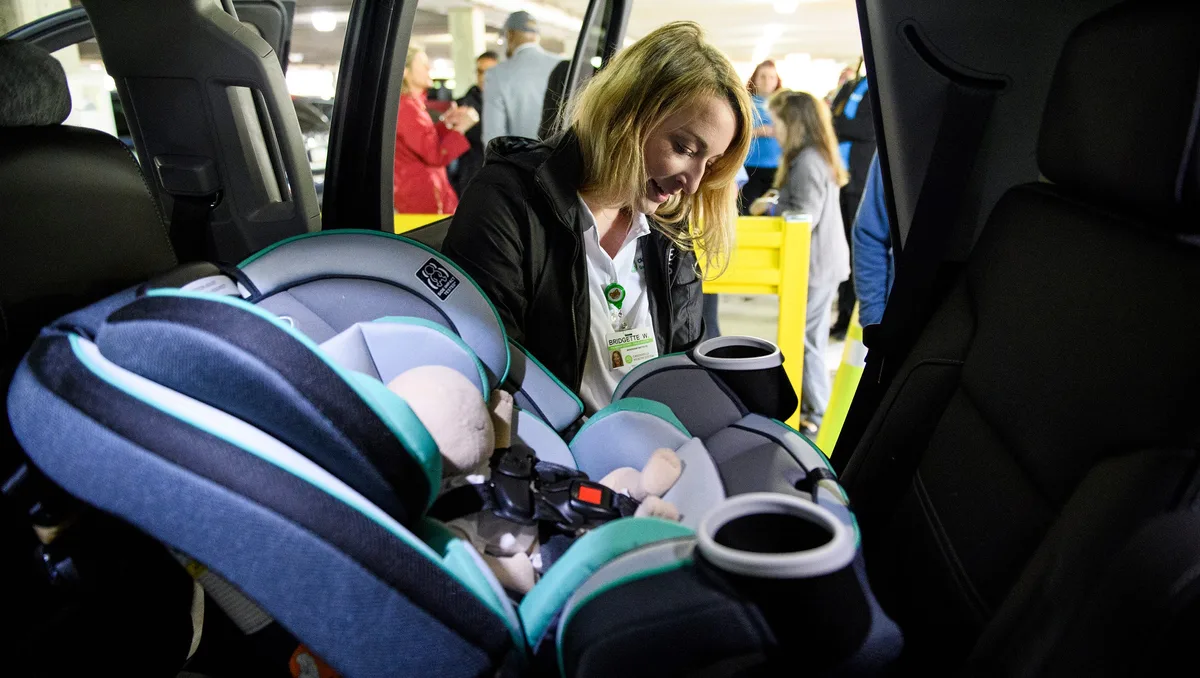
A properly installed car seat shouldn’t move more than an inch side to side or front to back. The harness straps should be snug enough that you can’t pinch any excess strap at the shoulder.
The chest clip should be at armpit level to ensure the straps are in the right position. If you’re unsure, many fire stations and police departments offer free car seat checks.
Bing (Web (fair-use with source credit))
Kentucky also has certified Child Passenger Safety Technicians who can help. You can find a local inspection station through the Kentucky Transportation Cabinet.
Kentucky’s “Click It or Ticket” Enforcement
Kentucky participates in the national “Click It or Ticket” campaign. This high-visibility enforcement period aims to increase seat belt use through education and stricter enforcement.
During these campaigns, law enforcement agencies step up patrols and set up checkpoints to catch unbelted drivers and passengers. The goal is to remind everyone that seat belts are the law and a lifesaving habit.
FAQs About Kentucky Seat Belt Laws
Do I have to wear a seat belt in the back seat in Kentucky?
Yes, if you're 16 or older. Back-seat passengers under 16 must use a child restraint system or seat belt as required by their age and size.
What’s the fine for not wearing a seat belt in Kentucky?
The fine is $25 for adults not wearing a seat belt. For children under 8 not properly restrained, the fine is $50.
When can my child stop using a booster seat in Kentucky?
Children can stop using a booster seat at age 8 or when they reach 57 inches tall. The seat belt must fit properly across the chest and lap.
Are there any medical exemptions to Kentucky’s seat belt laws?
Yes. A licensed physician can certify that a person cannot wear a seat belt due to a medical condition. This exemption must be documented.
Can I be pulled over just for not wearing a seat belt in Kentucky?
Yes, for front-seat passengers. Police can stop you solely for not wearing a seat belt in the front seat. For back-seat passengers 16 and older, it’s secondary enforcement.
What’s the “Click It or Ticket” campaign?
It’s a national enforcement effort to increase seat belt use. Kentucky participates by stepping up patrols and checkpoints during designated periods.