Kentucky farm vehicle regulations exist to keep rural roads safe while letting farmers move equipment efficiently. These rules cover everything from lighting to licensing, and ignoring them can mean fines or worse. As of 2026, Kentucky enforces specific requirements for slow-moving vehicles, weight limits, and visibility standards.
The Kentucky Transportation Cabinet (KYTC) sets these rules, and they apply differently depending on whether you're on a county road or a highway. One wrong assumption about exemptions could cost you.
Quick Answer
Kentucky farm vehicle regulations require SMV emblems for slow-moving equipment. Farm vehicles must have proper lighting for night travel. Weight limits apply to agricultural machinery on public roads.
Exemptions exist for implements of husbandry.
Why Kentucky Farm Vehicle Regulations Matter (And What Happens If You Get Them Wrong)
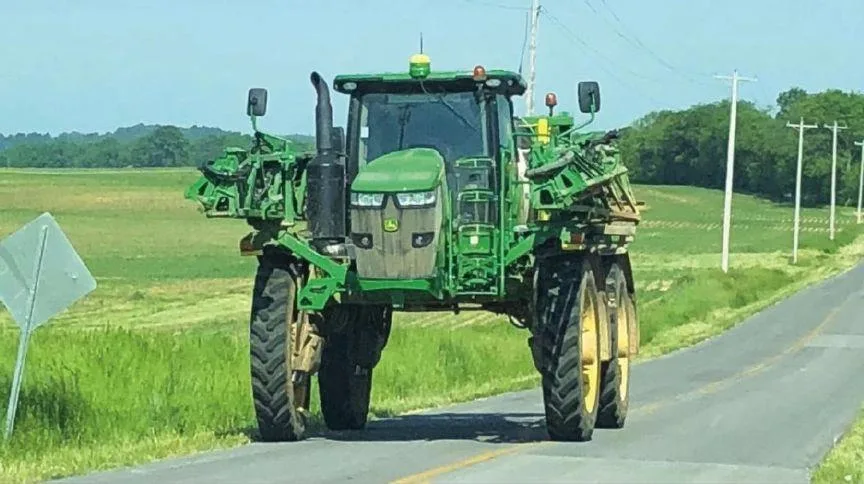
Farm vehicles are essential for Kentucky agriculture, but they share roads with faster traffic. Without clear rules, accidents increase, and farmers risk citations for non-compliance.
Violations can lead to fines up to $250 per offense. Worse, improperly marked equipment can cause collisions, especially at dawn or dusk. Following the rules isn’t just legal, it’s a safety necessity.
The Quick Rules: What You Must Do to Stay Legal
Here’s the non-negotiable checklist for Kentucky farm vehicles:
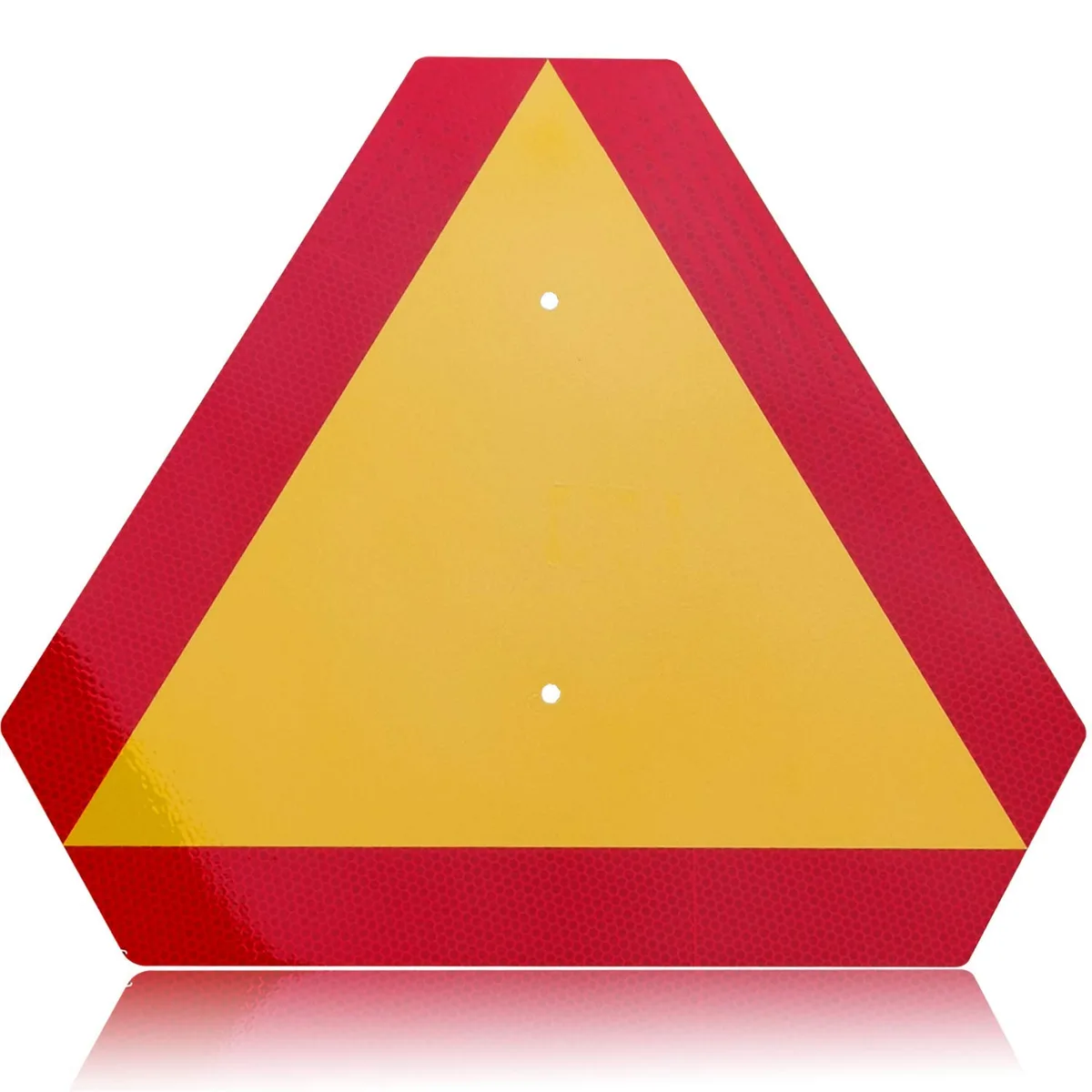
- SMV Emblem: Display a bright orange triangle on any vehicle traveling under 25 mph.
- Lighting: Two white headlights, two red taillights, and reflectors for night visibility.
- Weight Limits: Single axle: 20,000 lbs; tandem axle: 34,000 lbs (unless exempt).
- Licensing: Farm plates required for vehicles used primarily for agricultural purposes.
- Speed: Stay under 25 mph if towing wide or heavy loads.
Skip any of these, and you’re risking a ticket, or a crash.
Kentucky’s Farm Vehicle Definition: What Counts (And What Doesn’t)
Kentucky classifies farm vehicles under implements of husbandry (IoH) and agricultural equipment. This includes tractors, combines, harvesters, and wagons used exclusively for farming.
What’s covered:
- Tractors and self-propelled farm machinery
- Trailers designed for agricultural transport
- Implements like plows or sprayers when towed
What’s not:
- Pickup trucks (unless registered as farm vehicles)
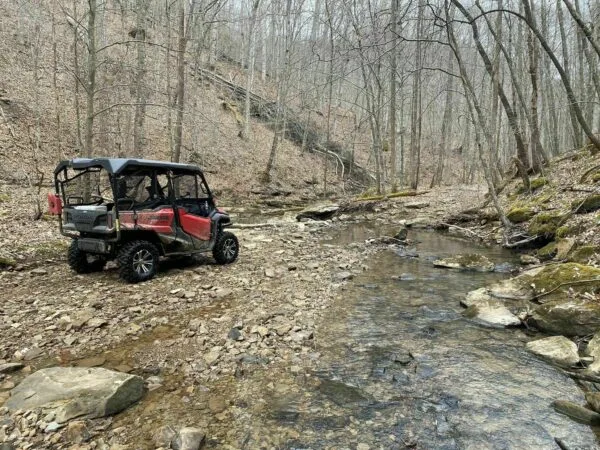
- ATVs or UTVs (unless used solely for farming)
- Modified non-farm vehicles
If your equipment doesn’t fit the IoH definition, standard vehicle laws apply.
Licensing & Registration: Do You Need Farm Plates?
Farm plates are optional but beneficial. They exempt vehicles from certain registration fees and allow travel between farms without standard licensing. However, you must still register the vehicle with the county clerk.
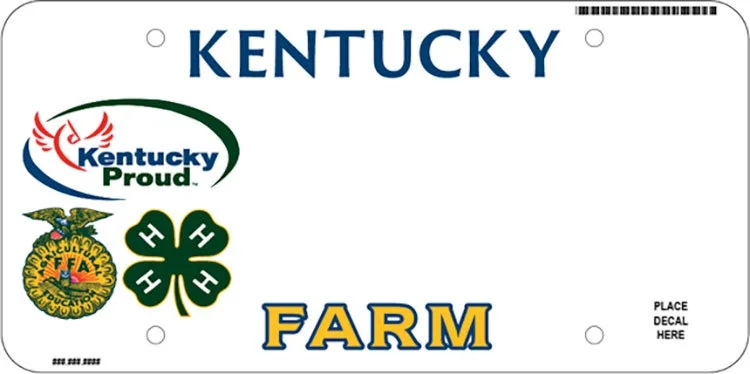
Requirements for farm plates:
- Vehicle used primarily for agricultural purposes
- Owned by a farmer or agricultural business
- Not used for commercial hauling
Cost: $10 annually as of 2026.
Where to apply: Your local county clerk’s office handles registration.
Slow-Moving Vehicle (SMV) Laws: The Orange Triangle Rule
Kentucky law (KRS 189.115) mandates that any vehicle traveling under 25 mph display a slow-moving vehicle (SMV) emblem. This bright orange triangle must be:
- Mounted 2, 6 feet above the road surface
- Visible from 500 feet in daylight
- Clean and unobstructed
When it’s required:
- Tractors and combines on public roads
- Any farm equipment moving slower than 25 mph
- Implements of husbandry being towed
When it’s not:
- Vehicles capable of 25+ mph (though lighting rules still apply)
- Stationary equipment
Penalty for non-compliance: Up to $100 fine.
Lighting & Visibility Requirements for Day and Night
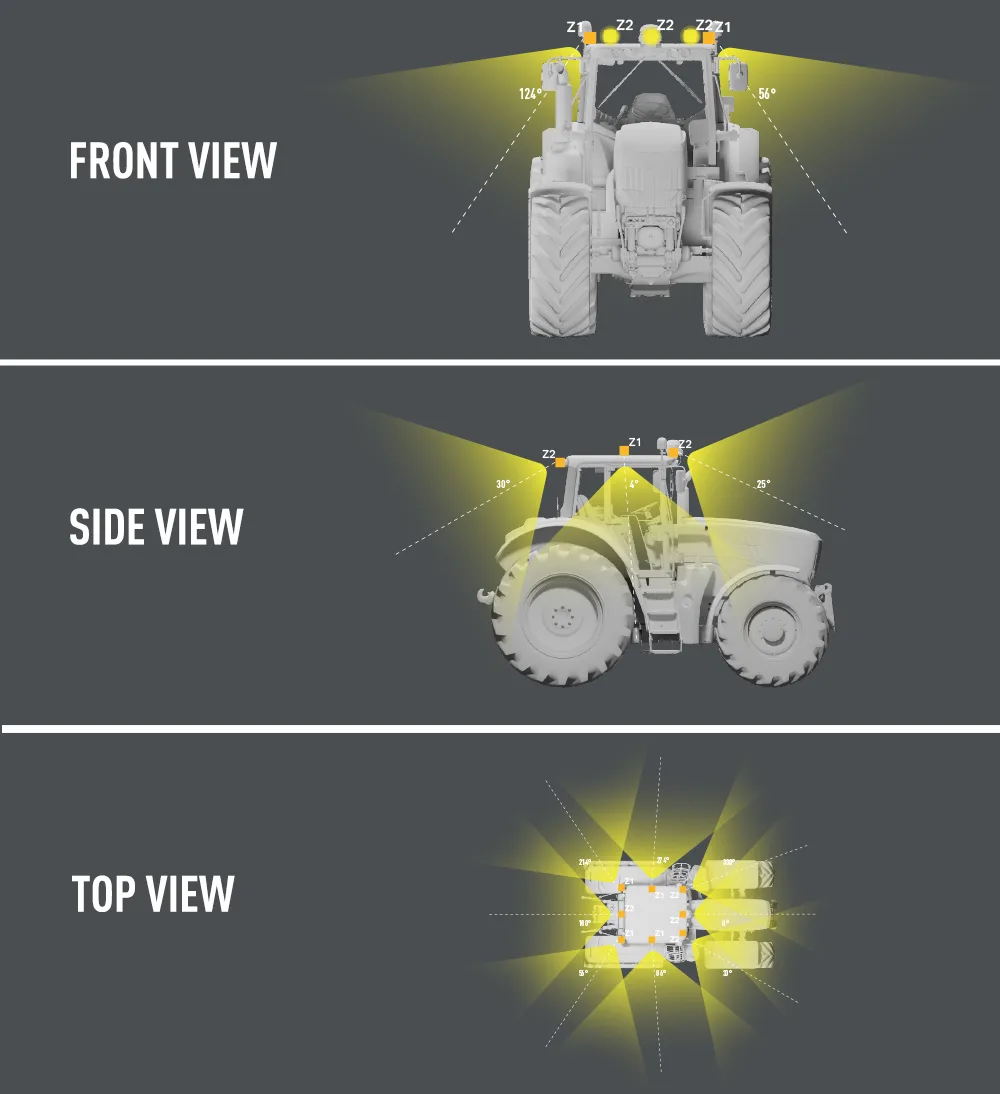
Kentucky requires farm vehicles to be visible at all times. During daylight, the SMV emblem handles most of the warning. At night, you need working lights.
Minimum lighting for farm vehicles on public roads:
- Two white headlights (front)
- Two red taillights (rear)
- Two red reflectors (rear)
- Amber reflectors (sides)
Additional rules for wide loads:
- If your equipment extends beyond the vehicle width, add amber lights at the widest points.
- For loads over 12 feet wide, you need an escort vehicle with flashing lights.
Weight, Width, and Height Limits on Kentucky Roads
Kentucky sets clear limits for farm equipment on public roads. Exceed them, and you’ll need a permit.
Standard limits without a permit:
- Width: 8 feet 6 inches
- Height: 13 feet 6 inches
- Length: 50 feet (single vehicle), 75 feet (with trailer)
- Weight: 20,000 lbs (single axle), 34,000 lbs (tandem axle)
Agricultural exemptions:
- Implements of husbandry can exceed width limits during daylight if moving between farms.
- Seasonal restrictions may apply during spring thaw to protect roads.
Check with your county KYTC office for local variations.
Seasonal & Local Restrictions You Might Not Know About
Not all farm vehicle rules are year-round. Kentucky imposes seasonal restrictions to protect roads.
Spring thaw restrictions:
- Some counties limit heavy equipment movement from March to May.
- Weight limits may drop by 10-20% during this period.
Local ordinances:
- Some counties require permits for oversize loads even if state law doesn’t.
- Certain roads may be off-limits to farm equipment entirely.
Time-of-day rules:
- Some areas restrict farm vehicle travel during peak traffic hours.
- Night movement often requires additional lighting and permits.
Always call ahead to the county clerk or KYTC.
Common Mistakes That Get Farmers Fined
Most violations come from simple oversights.
Missing or dirty SMV emblem. The orange triangle must be clean and visible.
Improper lighting at night. Many farmers assume daylight rules apply after dark.
Exceeding width without a permit. Even short trips require compliance.
Using farm plates for non-farm use. Hauling gravel for a neighbor is commercial use.
Ignoring local restrictions. State law allows counties to add their own rules.
Step-by-Step: How to Register a Farm Vehicle in Kentucky
1. Gather your documents.
You’ll need proof of ownership and a completed application.
2. Visit your county clerk’s office.
Bring all paperwork and payment.
3. Request farm plates (optional).
If you qualify, ask for agricultural plates.
4. Pay the fees.
Standard registration fees vary by weight.
5. Display your plates and decals.
Mount them immediately.
Processing time: Most registrations are completed on the spot.
When You Don’t Need to Follow Standard Vehicle Laws
Kentucky grants specific exemptions for agricultural equipment.
Implements of husbandry are exempt from:
- Standard vehicle registration if used only for farming
- Brake requirements for towed equipment under certain weights
- Some lighting rules during daylight hours
The catch:
- Exemptions only apply when moving between farms or fields
- Equipment must not be used for commercial hauling
- Local ordinances can override state exemptions
If you’re unsure, assume standard rules apply.
Safety Best Practices for Moving Farm Equipment on Roads
Even when legal, farm vehicles create hazards.
Before you move:
- Check all lights and reflectors
- Secure loads to prevent shifting
- Plan your route to avoid busy roads
On the road:
- Use hazard lights in low-visibility conditions
- Pull over regularly to let traffic pass
- Never travel faster than your equipment can safely handle
At intersections:
- Make eye contact with other drivers
- Signal early and clearly
- Assume other drivers don’t see you
What to Do If You’re Pulled Over or in an Accident
If pulled over:
- Stay calm and pull over safely
- Have your registration and proof of insurance ready
- Explain you’re moving farm equipment if asked
If in an accident:
- Move equipment off the road if possible
- Call 911 immediately if there are injuries
- Document the scene with photos
- Exchange information with other drivers
Reporting requirements:
- Any accident with injury, death, or over $500 damage must be reported
- File a report with the Kentucky State Police within 10 days
Where to Check for Updates (Official Sources Only)
Primary sources:
- Kentucky Transportation Cabinet for state-wide rules
- Your county clerk’s office for local ordinances
- Kentucky State Police for enforcement questions
Legal references:
- Kentucky Revised Statutes Chapter 189 (Motor Vehicles)
- KRS 189.115 (Slow-Moving Vehicle Requirements)
Frequently Asked Questions
Do I need a CDL to drive farm equipment on Kentucky roads?
No, a standard driver’s license is sufficient for most farm vehicles. A CDL is only required for commercial hauling or vehicles over 26,000 lbs.
Can I drive my tractor on the interstate in Kentucky?
Generally no. Farm vehicles are prohibited on interstates unless specifically permitted.
What’s the fine for missing an SMV emblem?
The fine is up to $100.
Do farm vehicle exemptions apply to rented equipment?
Yes, as long as the equipment meets the definition of implements of husbandry.
How often do I need to renew farm plates?
Farm plates in Kentucky must be renewed annually. The fee is $10 as of 2026.