ByMax Lee
Kentucky Speeding Ticket Fines & Penalties Guide
Bing (Web (fair-use with source credit))
Kentucky speeding penalties can hit your wallet and license harder than you expect. Whether you’re a local driver or just passing through, the fines, points, and long-term costs add up fast. As of 2026, even a minor speeding violation can mean 3 points on your license, and 12 points in 24 months triggers a suspension.
The real pain often comes later, when insurance rates climb.
Quick Answer
Kentucky speeding penalties start at $20 for minor offenses. Fines rise with speed, often $1, $5 per mph over the limit. You’ll get 3, 6 points on your license depending on how fast you were going. 12 points in 24 months means a suspended license.
How Kentucky Speeding Laws Actually Work
Kentucky sets speed limits by road type. Urban areas default to 35 mph unless posted otherwise. Rural highways typically run 55, 70 mph, while interstates max out at 70 mph in most zones.
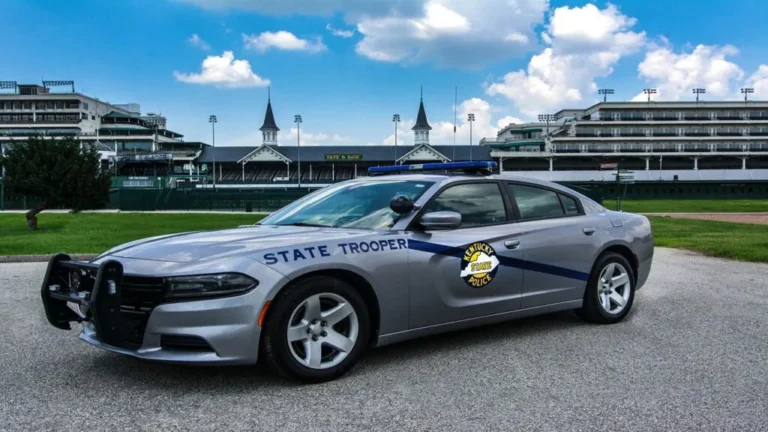
School zones drop to 20 mph, and work zones often enforce reduced limits like 45 mph. These aren’t suggestions, they’re legally enforced, with radar and LIDAR used to catch violators. The Kentucky State Police and local law enforcement don’t differentiate between residents and out-of-state drivers when issuing citations.
How Much Will a Kentucky Speeding Ticket Cost You?
Bing (Web (fair-use with source credit))
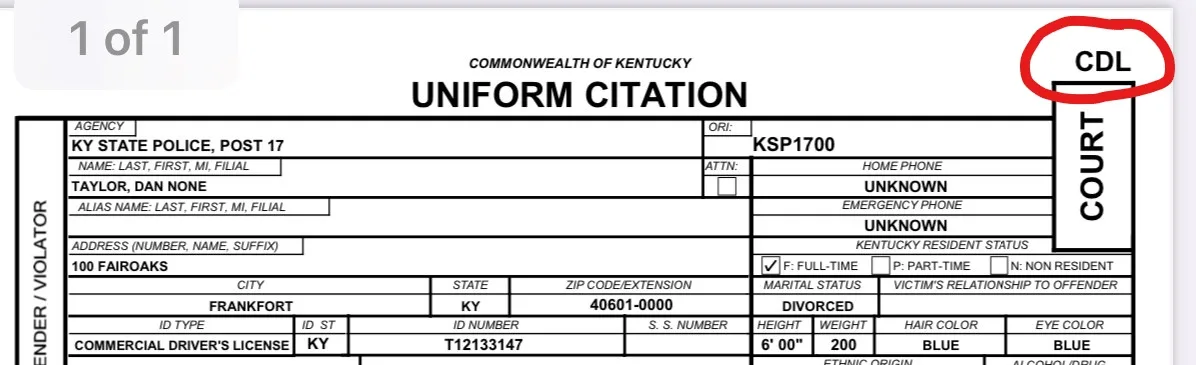
The base fine for speeding in Kentucky starts around $20 for 1, 10 mph over the limit. From there, costs escalate quickly. For 11, 19 mph over, expect $50, $100, and 20+ mph over can push fines to $200 or more.
County courts add their own fees, so the total can vary. Work zones often double the standard fine, and school zones may carry additional penalties. For the most accurate and up-to-date fee schedules, you can refer to the Kentucky Court of Justice.
Here’s a general breakdown of what you might pay:
| Speed Over Limit | Base Fine Range | Points Assessed |
|---|---|---|
| 1–10 mph | $20–$50 | 3 |
| 11–19 mph | $50–$100 | 4 |
| 20+ mph | $100–$200+ | 6 |
The Point System: How Speeding Affects Your License
Bing (Web (fair-use with source credit))
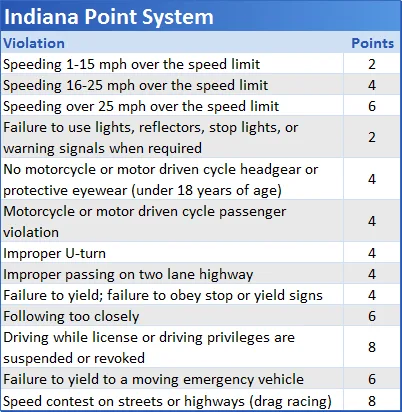
Kentucky uses a demerit point system to track violations. Speeding tickets add points to your driving record, and too many points lead to a suspended license.
- 3 points for speeding 1, 10 mph over the limit
- 4 points for speeding 11, 19 mph over
- 6 points for speeding 20+ mph over
Accumulate 12 points within 24 months, and your license will be suspended for 30 days. Hit 18 points in the same period, and the suspension extends to 90 days. Points stay on your record for 3, 5 years, affecting insurance rates the whole time.
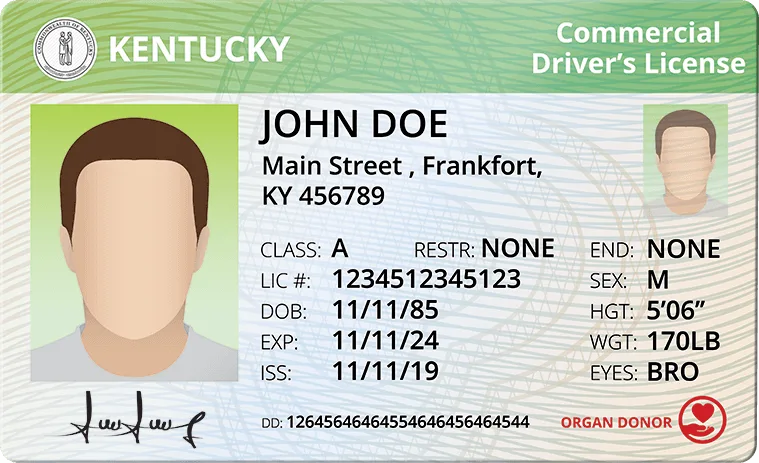
For commercial drivers, the stakes are even higher. CDL holders face stricter penalties, including potential disqualification for serious offenses. The Kentucky Transportation Cabinet provides full details on how points impact different license types.
When Speeding Becomes Reckless Driving (And Why That’s Worse)
In Kentucky, speeding can cross into reckless driving territory if you’re going fast enough. Generally, 20+ mph over the limit may trigger a reckless driving charge, but the threshold can vary by county.
Reckless driving is a more serious offense than a standard speeding ticket. It often comes with higher fines, more points (typically 6), and even potential jail time in extreme cases. A reckless driving conviction can also lead to a mandatory court appearance, where you’ll need to explain your actions to a judge.
Unlike a regular speeding ticket, reckless driving can have long-term consequences beyond just points and fines. It may appear on background checks and could impact employment opportunities, especially for jobs that require a clean driving record.
What Happens If You Ignore the Ticket?
Ignoring a Kentucky speeding ticket won’t make it disappear. The court will issue a failure-to-appear notice, and your fine will likely increase. Eventually, the state may suspend your license until you resolve the citation.
If you’re from out of state, Kentucky reports unpaid tickets to your home state’s DMV. That means you could face penalties there too, including license suspension. The Kentucky Court of Justice can also send the debt to collections, which hurts your credit score.
How to Fight a Speeding Ticket in Kentucky
You have the right to contest a speeding ticket in court. First, check the citation for errors like incorrect speed, location, or vehicle details. If the officer didn’t show up or the radar equipment wasn’t calibrated, you might get the ticket dismissed.
To fight the ticket, request a court date by the deadline on your citation. You can represent yourself or hire a traffic attorney. In court, present your evidence, such as photos, witness statements, or GPS data.
The judge will decide whether to uphold, reduce, or dismiss the charge.
Traffic School: Can You Get Points Removed?
Kentucky allows some drivers to take a defensive driving course to reduce points. If eligible, completing an approved course can remove up to 3 points from your record. This option is typically available once every 12 months.
Not all violations qualify, and you’ll need court approval. Check with the Kentucky Transportation Cabinet for a list of approved courses. Even if you can’t remove points, traffic school may still help with insurance discounts.
The Hidden Costs: Insurance, CDL Risks, and Long-Term Impact
A speeding ticket doesn’t just mean a fine. Your car insurance rates will likely go up, often by 10, 30% depending on your provider and driving history. Points on your license can keep those rates high for years.
For commercial drivers, the consequences are even steeper. A speeding ticket can lead to CDL disqualification, especially for serious offenses. Employers may also view a poor driving record as a red flag, affecting your job prospects.
Work Zones and School Zones: The Steepest Penalties
Bing (Web (fair-use with source credit))
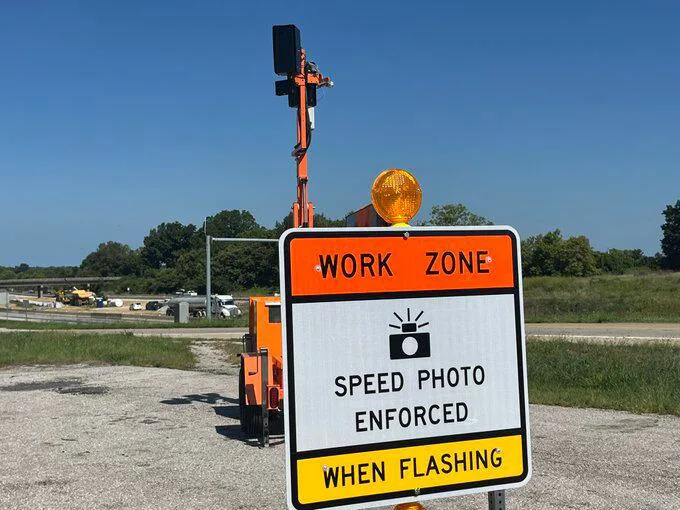
Speeding in work zones or school zones carries some of the harshest penalties in Kentucky. Fines are often doubled in these areas, and the points assessed can be higher than for standard speeding violations.
Work zones are especially risky. Kentucky enforces reduced speed limits to protect workers, and violations can lead to hefty fines plus 6 points on your license. School zones are just as strict, with 20 mph limits and zero tolerance for speeding.
These rules are in place to keep children and road crews safe, and courts take them seriously.
Out-of-State Drivers: Does Kentucky Report Your Ticket?
Yes, Kentucky reports speeding tickets to your home state. Most states participate in the Driver License Compact or Non-Resident Violator Compact. This means your home state will likely apply its own penalties, including points on your license.
You can’t ignore a Kentucky ticket just because you don’t live there. Failing to pay or appear in court can lead to a suspended license in your home state. Always address the citation to avoid bigger problems down the road.
Kentucky Speeding Ticket FAQs
How long do points stay on my Kentucky driving record?
Points remain on your Kentucky driving record for 3 to 5 years. They count toward license suspension if you accumulate 12 points within 24 months. Completing a defensive driving course may remove up to 3 points once every 12 months.
Can I pay my Kentucky speeding ticket online?
Yes, many Kentucky counties allow online payment for speeding tickets. Check the citation for instructions or visit the county court’s website. Paying the fine is an admission of guilt, so only do this if you don’t plan to contest the ticket.
What happens if I get 12 points on my Kentucky license?
Accumulating 12 points within 24 months results in a 30-day license suspension. At 18 points, the suspension extends to 90 days. You’ll need to complete a driver improvement program to reinstate your license after a suspension.
Do speeding tickets in Kentucky affect my insurance?
Yes, a speeding ticket in Kentucky will likely increase your car insurance premiums. The exact impact depends on your provider and driving history. Expect rates to rise by 10 to 30 percent for several years after the violation.
Is speeding in a work zone a criminal offense in Kentucky?
Speeding in a work zone is typically a traffic violation, not a criminal offense. However, the fines are often doubled, and the points assessed can be higher. In extreme cases, excessive speeding in a work zone could lead to reckless driving charges.
When to Lawyer Up (And When You Can Handle It Yourself)
You can usually handle a minor speeding ticket on your own. Pay the fine or request a court date to contest it. If the ticket involves reckless driving, excessive speed, or a commercial license, consider hiring a lawyer.
A traffic attorney can help negotiate reduced charges or penalties. They’re especially useful if you’re facing license suspension or significant insurance hikes. For most drivers, the cost of a lawyer may outweigh the benefits for a simple speeding ticket.