If you've ever tossed a coffee cup out the car window or watched a wrapper fly from your truck bed, you need to know the law. Littering Laws: Fines for throwing trash from a vehicle. vary wildly depending on where you are and what you throw. That's not something most drivers realize until they get a ticket.
Our research shows that a single cigarette butt can cost you over $1,000 in some states. As of 2026, the penalties have only gotten stricter across the board. So before you assume it's just a small fine, let's look at why getting this information right matters.
Guide to Littering Laws: Fines for Throwing Trash From a Vehicle.
Why Getting Accurate Information Matters (And Why You Shouldn't Trust a Single Source)
Littering laws aren't uniform. What's a $200 fine in one county can be a $2,500 fine in the next. That's the kind of difference that can ruin your day.
Many online sources list an average fine. But that average is useless if you live in a state that treats littering as a criminal offense. You need specific, up-to-date information from official state websites.
State vehicle codes are the only reliable guide. Trusting a random blog post or social media comment can lead to surprises in court. For example, some states charge court costs on top of the fine.
Others require mandatory community service. And some tack on points to your license.
For more on keeping your car clean and avoiding unnecessary trouble, check out our blog for practical car care tips. The EPA also provides a good overview of how litter impacts the environment on their official site.
Littering from a Vehicle Is a Crime, Not Just a Ticket
Most people think it's just a citation. But in many states, it's a criminal offense.
In Virginia, for example, a first offense for littering from a vehicle is a Class 1 misdemeanor. That means a criminal record. In Texas, it's a Class C misdemeanor.
That's still a crime.
The difference between an infraction and a misdemeanor matters. An infraction usually means no jail time and no criminal record. A misdemeanor can mean both.
Some states even charge it as a felony for large amounts of trash or hazardous materials. That's a whole different level of legal trouble.
| State | Classification | First Offense Penalty |
|---|---|---|
| Virginia | Class 1 Misdemeanor | Up to $2,500 fine, up to 12 months jail |
| Texas | Class C Misdemeanor | Up to $500 fine |
| California | Infraction | Up to $1,000 fine |
| Florida | Moving Violation | $100 fine, 2 points |
What Actually Counts as Littering from a Vehicle
This might surprise you. It's not just bags of trash people get ticketed for.
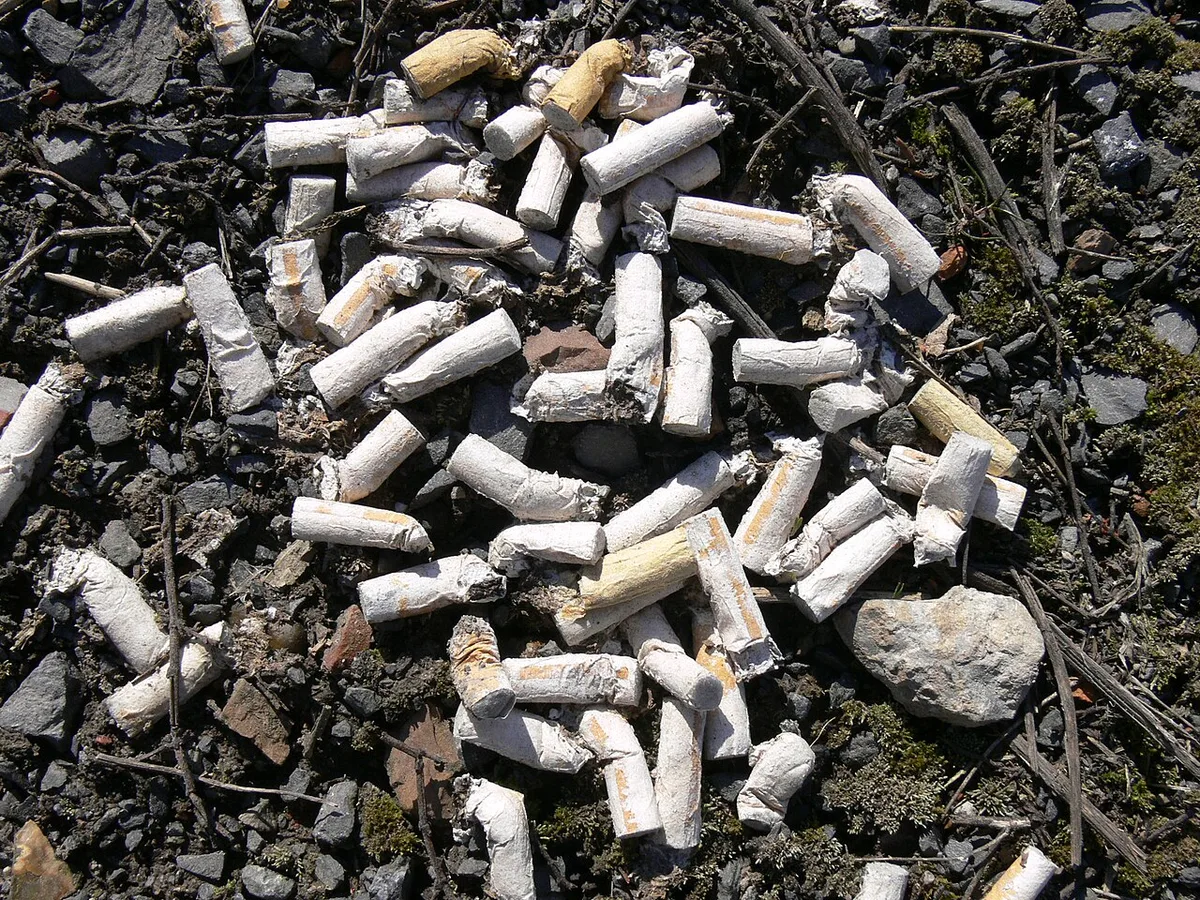
Cigarette butts are one of the most common citations. People flick them out the window without thinking. But in most states, a cigarette butt is litter.
Food wrappers, coffee cups, and soda cans are obvious. But what about an apple core? Yes, organic waste counts too.
Even a banana peel.
Unsecured loads are a big one. If a mattress flies out of your truck and lands on the highway, you can be cited for littering. In some states, you can also be held liable for damage caused.
Hazardous materials like batteries, paint cans, or chemicals carry much higher penalties. These often bump an offense from a fine to a criminal charge.
The Fine Amount Depends on More Than You Think
The base fine is just the start. Court costs can double or triple the total you owe.
First offense versus repeat offense makes a big difference. In California, first offense is $100 to $1,000. Second offense jumps to $200 to $2,000.
The type of litter matters too. A single cigarette butt might cost $50 in one state. A bag of trash could cost $1,000 or more.
Commercial vehicles face higher penalties. If you're driving a company truck, the business can be fined separately. Some states also charge the driver personally.
Mandatory community service is common. Some states require 8 to 40 hours of cleaning up litter as part of the penalty.
| Factor | Typical Fine Range |
|---|---|
| First offense, small item (cigarette butt) | $100 – $500 |
| First offense, moderate litter (wrappers, cups) | $200 – $1,000 |
| Repeat offense | $500 – $4,000 |
| Hazardous materials | $1,000 – $10,000 |
| Commercial vehicle | $500 – $5,000 plus company fine |
Is It a Moving Violation or Not? (And Why That Matters)
This is a crucial distinction. If the offense is a moving violation, it adds points to your driver's license.
Florida treats littering from a vehicle as a moving violation. That means points. Same with California.
Texas does not. It's a non-moving offense in some states.
Points mean higher insurance premiums. A single littering ticket can increase your rates by 10% to 30% for years.
| State | Moving Violation? | Points |
|---|---|---|
| Florida | Yes | 2 points |
| California | Yes | 1 point |
| Texas | No | 0 points |
| Virginia | No (criminal) | 0 points (but criminal record) |
| New York | Yes | 3 points |
State-by-State Fine Ranges and Key Differences
This is where things get real. The fine you pay depends almost entirely on where you are when you toss that wrapper.
Texas has some of the highest fines in the country. A first offense can reach $500. But second offenses jump to $1,000.
And if you're convicted of a third offense, you could face up to $4,000 in fines.
California is aggressive too. First offense fines go up to $1,000. But the state also adds mandatory community service.
You could be picking up trash for 8 to 40 hours.
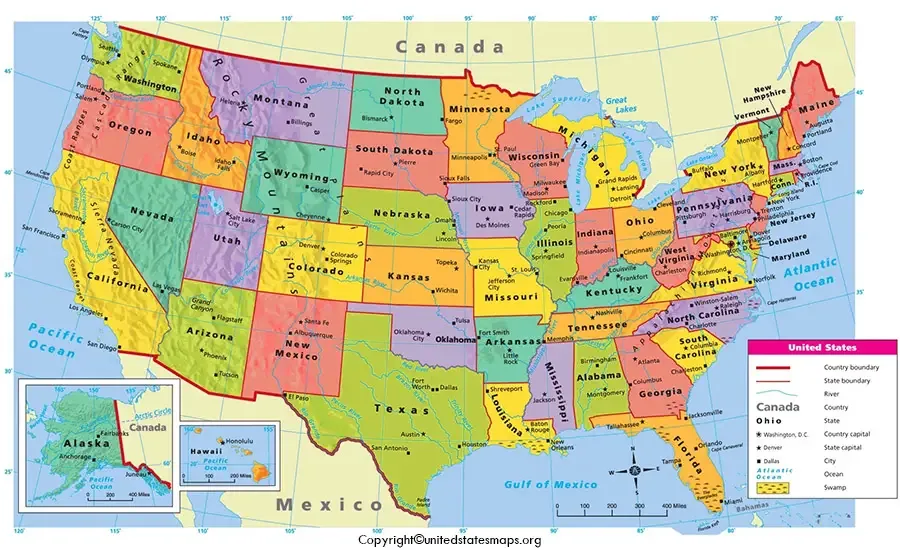
Florida takes a different approach. The fine is relatively low at $100. But it carries 2 points on your license.
Those points can raise your insurance rates for years.
Virginia is one of the strictest. Littering from a vehicle is a Class 1 misdemeanor. The maximum fine is $2,500.
And you can face up to 12 months in jail.
Here's a quick look at the spread:
| State | First Offense Fine | Repeat Offense | Points | Criminal Record? |
|---|---|---|---|---|
| Texas | Up to $500 | Up to $4,000 | No | Yes (Class C) |
| California | Up to $1,000 | Up to $2,000 | 1 point | Infraction only |
| Florida | $100 | $500 | 2 points | No |
| Virginia | Up to $2,500 | Up to $2,500 | No | Yes (Class 1) |
| New York | Up to $300 | Up to $1,000 | 3 points | No |
A few states have county-level variations. Some cities add their own fines on top. Always check local ordinances before you assume the state fine is all you'll pay.
The EPA's official site is a solid starting point for understanding how litter laws connect to environmental protection: EPA Trash Free Waters.
What Happens If You Get a Ticket (Criminal vs. Civil Consequences)
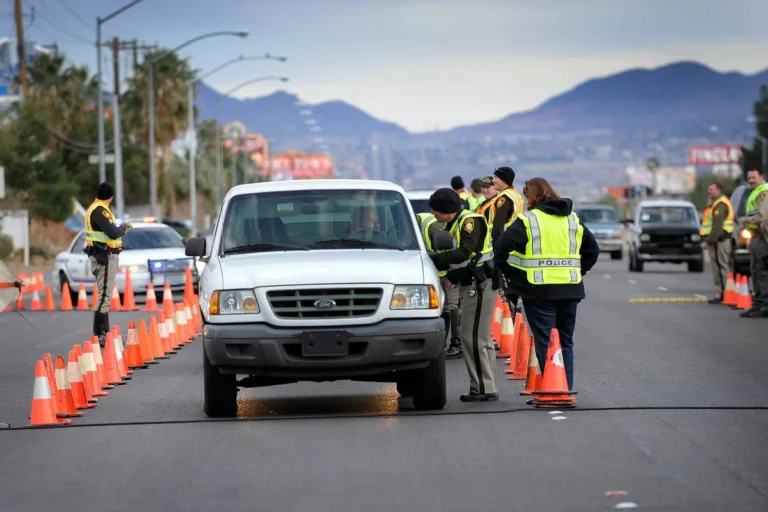
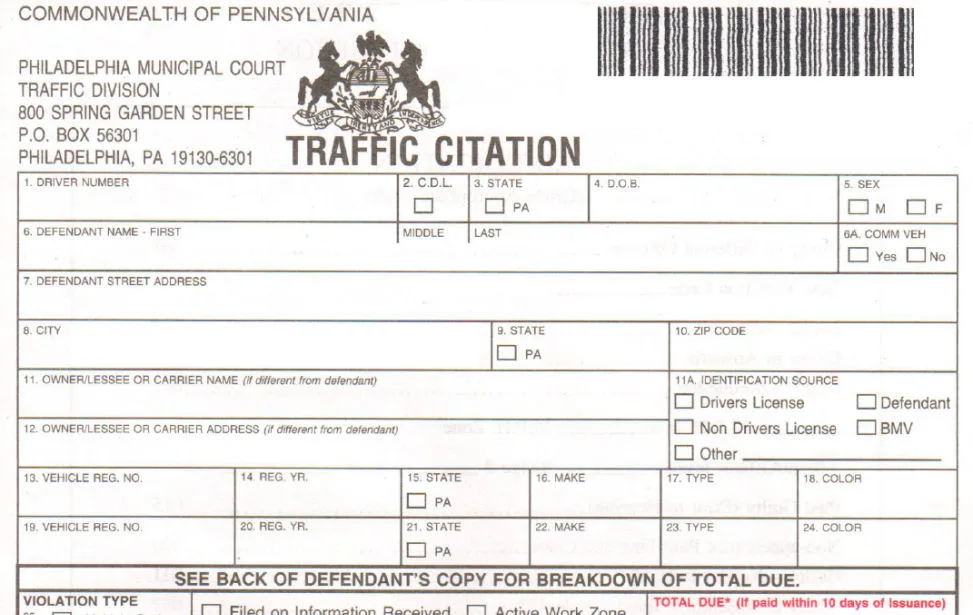
The moment an officer pulls you over for littering, the process begins. What happens next depends on your state's classification.
If it's an infraction, you typically pay a fine and move on. No court appearance required in most cases. You mail the check or pay online.
Done.
If it's a misdemeanor, the stakes are higher. You have to appear in court. A criminal record is possible.
That can affect jobs, housing, and professional licenses.
Some states offer deferred adjudication. That means you plead guilty or no contest, complete the terms (like community service), and the case gets dismissed. If you complete the terms, no conviction shows up.
Felony charges are rare but real. They usually involve large quantities of trash, hazardous materials, or dumping in protected areas. If you're facing a felony, call a lawyer immediately.
The court process varies by jurisdiction. Some handle it in traffic court. Others handle it in criminal court.
The judge's discretion matters too. A clean record can help. A history of littering citations will hurt.
Common Mistakes That Cost Drivers More Money
People make predictable errors that turn a small fine into a big headache.
Thinking organic waste isn't litter is number one. That apple core or banana peel is still litter. It takes months to decompose on the roadside.
Officers ticket for it regularly.
Letting passengers throw things out the window is another mistake. In many states, the driver is liable for everything that leaves the vehicle. Even if you didn't throw it.
Even if you told them not to.
Ignoring out-of-state tickets is dangerous. Some states share enforcement data. Others don't.
But if you don't pay, your home state can suspend your license. That's a costly mistake.
Paying the fine without checking for points is a big one. In some states, paying the ticket is an admission of guilt. You get the points.
You might have had a better option.
Failing to secure a load in your truck bed is common. That mattress, those chairs, that construction debris can fly out. You get cited for littering and possibly for hazardous driving.
Not showing up for court is the worst mistake. The judge issues a bench warrant. Your fines double.
You could face arrest. Always show up or hire someone who can.
Defenses and Ways to Reduce or Fight a Littering Citation
Getting a ticket doesn't mean you have to accept it. There are legitimate ways to fight back.
Proving someone else threw the item is a valid defense. If a passenger tossed a wrapper and you can prove it, the citation may transfer. But you need evidence.
Dashcam footage helps. Witness statements too.
Challenging the officer's observation works sometimes. Did they actually see you throw something? Or did they assume based on finding litter near your car?
Courts require clear evidence.
Requesting defensive driving or a traffic safety course is common in some states. Complete the course. The ticket gets dismissed.
No points. No criminal record.
Deferred adjudication is another option. You agree to terms like community service or a fine. Complete them.
The case gets dismissed. Check if your state offers this.
Hiring an attorney makes sense for higher stakes cases. If you're facing a misdemeanor or felony, don't handle it alone. An attorney can negotiate down or get the charges reduced.
Pleading not guilty forces the court to prove its case. If the officer doesn't show up, the case might get dismissed. That's not guaranteed, but it happens.
Can You Report Someone Else for Littering from a Vehicle?
Yes, in most states you can report littering. The process varies but is generally straightforward.
What you need to report includes the license plate number. The state and plate number are critical. The vehicle description helps too.
Color, make, model.
The location and time are important. Be specific. Which highway.
Which mile marker. What time.
Evidence matters. Dashcam footage is gold. A clear video of the litter leaving the vehicle.
Photos of the litter on the road with the vehicle visible.
Most states have a reporting hotline or online portal. Some have smartphone apps. Check your state's environmental protection or highway patrol website.
What happens after you report depends on the state. Some follow up with a warning letter. Others issue a citation.
A few require an officer to witness the offense for enforcement.
Keep your expectations realistic. One report might not lead to a ticket. But multiple reports from different people can build a case.
Some states use citizen reports to identify problem areas and increase patrols.
For tips on keeping your car clean and avoiding litter in the first place, check out our guide on manual cleaning equipment for car washes.
Quick Answers to Common Questions
Does throwing trash from a parked car count?
Yes. If you're in a parked vehicle and toss something onto the ground, it's still littering. The law doesn't require the vehicle to be moving.
Many citations happen at rest stops, parking lots, and drive-thrus.
Is it littering if something falls out of an unsecured truck bed?
Yes. You are legally responsible for securing your load. If a mattress, chair, or construction debris flies out, you can be cited.
In some states, you can also face civil liability for damage or accidents caused by the debris.
Can you get points on an out-of-state license?
It depends on the state. Some states share conviction data through the Driver License Compact. If your home state participates, they may add points to your license.
Other states don't share that data. Check your home state's policy.
How long does a littering citation stay on your record?
For infractions, it varies. Some states keep it on your driving record for three to five years. For misdemeanors, it stays indefinitely unless you get it expunged.
Criminal convictions show up on background checks permanently in most cases.
What if a passenger throws trash from my car?
In many states, the driver is liable. Even if you didn't throw it. Even if you told them not to.
The best defense is proving you had no control over the passenger's actions, but that's hard to do without evidence.
Can you get jail time for littering from a vehicle?
Yes. In states where it's a misdemeanor, jail time is possible. Virginia allows up to 12 months for a first offense.
Most states reserve jail for repeat offenders or hazardous materials. But it's not off the table.
Frequently Asked Questions
Do littering fines vary by county within the same state?
Yes. Some counties and cities add their own fines on top of the state penalty. Always check local ordinances.
A state fine of $100 could become $250 with local fees added.
Can I contest a littering citation if I didn't throw anything?
Yes. You can plead not guilty and present your case in court. Dashcam footage, witness statements, and photos help.
If the officer can't prove you threw the item, the case may be dismissed.
What should I do if I get a littering ticket in a state I don't live in?
Pay it or contest it. Ignoring it can lead to a suspended license in your home state. Many states allow you to handle the ticket by mail or online.
If you want to fight it, consider hiring a local traffic attorney.
Are there any items that are legally exempt from littering laws?
No. All items are considered litter when discarded improperly, including organic waste like apple cores and banana peels. Some states make exceptions for small amounts of water or ice.
Everything else counts.
Does insurance cover littering fines?
No. Insurance does not cover fines or penalties. It may cover liability if your discarded litter causes an accident.
But the fine itself is your responsibility.
How can I check the exact littering law in my state?
Go to your state's official government website. Look for the vehicle code or transportation code section on littering. Search for "littering from vehicle" plus your state name.
Avoid third-party sites that may be outdated.
Final Take: The One Thing to Remember
The single most expensive mistake drivers make is assuming littering is a cheap, minor offense.
It's not. A cigarette butt in the wrong state can cost you a criminal record. A wrapper from a passenger can put points on your license.
An unsecured load can lead to thousands in fines plus liability.
The fix is simple. Keep a small trash bag in your car. Use it.
Secure everything in your truck bed. Never assume organic waste is okay.
If you do get a ticket, don't pay it blindly. Check if you can take a defensive driving course. Look into deferred adjudication.
If a misdemeanor or felony is on the table, call a lawyer.
The law varies by state, but the consequences are real everywhere. Know your local rules. Drive clean.
Save yourself the headache and the money. For more on taking care of your car the right way, check out our guide on washing a car with ceramic coating.