ByMax Lee
Louisiana Abandoned Vehicle Laws Explained
Louisiana law establishes procedures for reporting, towing, storing, and disposing of abandoned vehicles. If you’ve ever spotted a rusting car taking up space on a street or lot, you’re not alone, these situations are common, and the state has clear rules to handle them. As of 2026, Louisiana’s process ensures abandoned vehicles are removed efficiently while protecting property owners and the public.
The key is knowing when a vehicle is legally considered abandoned and what steps to take next. Louisiana Revised Statutes (RS 32:1261-1267) outline the framework, including timelines for towing, storage, and disposal.
Quick Answer
Louisiana law establishes procedures for reporting, towing, storing, and disposing of abandoned vehicles. A vehicle is abandoned if left on public or private property for over 48 hours without permission. You must report it to local law enforcement or the Louisiana Office of Motor Vehicles.
Authorized tow companies then remove and store it for at least 30 days. If unclaimed, it’s sold at auction or scrapped.
Wikimedia Commons / Mark Heard (CC BY)
Louisiana’s Abandoned Vehicle Law: What You Need to Know
Louisiana defines an abandoned vehicle as one left unattended on public or private property for more than 48 hours without the owner’s consent. This includes cars, trucks, or motorcycles that are inoperable, unregistered, or simply left behind. The law applies statewide, but some parishes may have additional local ordinances.
The goal is to clear public spaces and private lots of eyesores and hazards while giving owners a fair chance to reclaim their property.
When Is a Vehicle Considered Abandoned in Louisiana?
A vehicle is legally abandoned if it’s left on public property for over 48 hours or on private property without the owner’s permission. This includes vehicles with expired tags, missing plates, or no visible registration.
For private property, the owner must post clear "No Parking" or "Towing Enforced" signs to enforce removal. Without proper signage, the towing process can’t begin.
Who Can Report and Remove an Abandoned Vehicle?
Any resident, property owner, or law enforcement officer can report an abandoned vehicle. For private property, the landowner or their authorized agent must initiate the report. Public property reports can come from anyone, including passersby.
Local police or the Louisiana State Police handle the verification process. Only licensed towing companies contracted by the state or parish can legally remove the vehicle.
Step-by-Step: How to Report an Abandoned Vehicle
First, gather details about the vehicle: make, model, color, license plate number, and VIN if visible. Take photos as evidence, especially if it’s on private property.
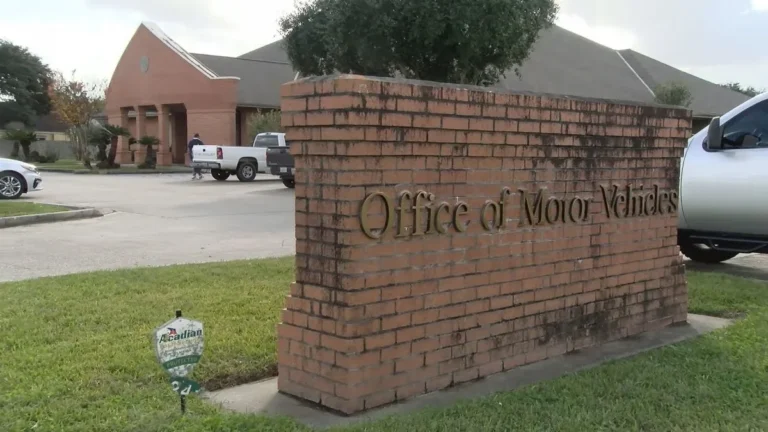
Next, contact your local law enforcement agency or the Louisiana Office of Motor Vehicles (OMV). File a formal report with the vehicle’s description and location.

Wikimedia Commons / U.S. Fish and Wildlife Service Southeast Region
Once the report is filed, law enforcement will verify the vehicle’s status. If confirmed abandoned, they’ll authorize a tow.
The Towing Process: What Happens After a Report?
After authorization, a licensed tow truck arrives to remove the vehicle. The towing company must document the vehicle’s condition before transport to avoid disputes over damage.
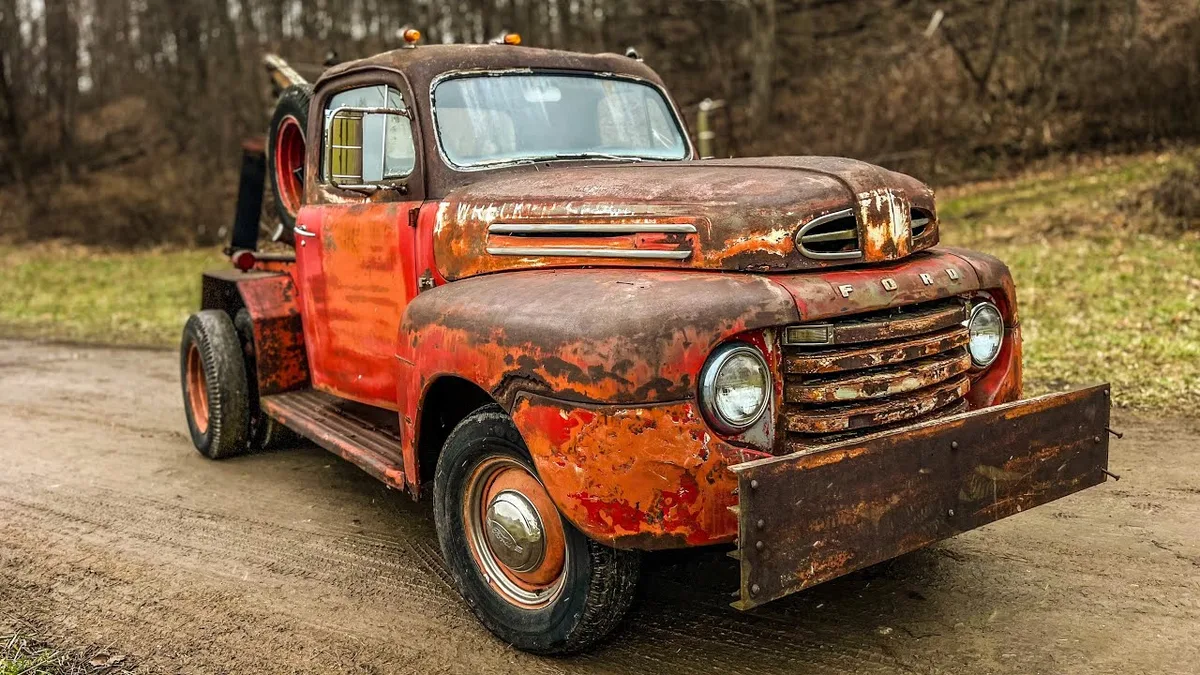
The vehicle is then taken to an approved storage facility. By law, it must be held for at least 30 days to give the owner time to reclaim it.
YouTube / 99 Projects (YouTube thumbnail (fair-use with source credit))
Storage Rules: How Long Is the Vehicle Held?
The vehicle must be stored for at least 30 days after towing. This gives the owner time to locate it and pay the required fees for release.
Daily storage fees apply, and they can add up quickly. As of 2026, these fees are set by local ordinances but typically range from $20 to $50 per day.
How Owners Can Reclaim a Towed Vehicle
To reclaim a towed vehicle, the owner must provide proof of ownership, such as the title or registration. They’ll also need a valid driver’s license and payment for towing and storage fees.
If the owner can’t be located, the towing company must make a reasonable effort to notify them. This includes checking the vehicle’s registration and sending a certified letter to the last known address.
What Happens If the Vehicle Isn’t Claimed?
If the vehicle remains unclaimed after 30 days, the towing company can request a title search from the Louisiana Office of Motor Vehicles. If no one claims it, the vehicle is considered abandoned and can be sold.
The towing company must then publish a notice in a local newspaper for at least 10 days before the sale.
YouTube / Macho Motors (YouTube thumbnail (fair-use with source credit))
Public Auctions vs. Scrap Disposal: How It Works
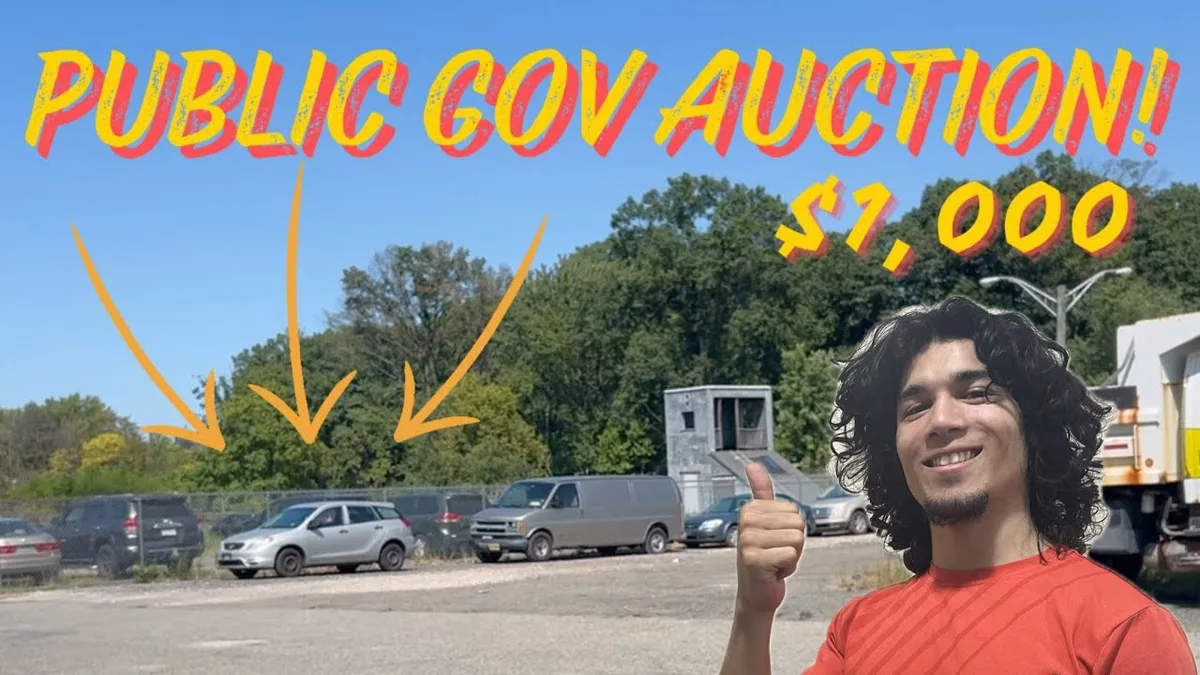
Most abandoned vehicles end up at a public auction. These auctions are open to the public, and the highest bidder takes the vehicle.
If the vehicle is in poor condition and unlikely to sell, it may be sent directly to a scrapyard. The towing company must still follow the legal process, including the 30-day waiting period and public notice.
Costs Involved: Towing, Storage, and Fees
Towing fees vary by company but usually range from $100 to $250 for a standard vehicle. Larger vehicles, like trucks or RVs, can cost significantly more.
Storage fees accumulate daily, and the total can exceed the vehicle’s value if left unclaimed for months. Some parishes cap the total fees, but others do not.
Common Mistakes to Avoid (For Owners & Property Owners)
Property owners often skip posting proper "No Parking" signs before towing. Without clear signage, the tow may be illegal, and the vehicle owner could sue for wrongful removal.
Owners sometimes wait too long to reclaim their vehicle. After 30 days, the towing company can sell it at auction, and you lose all rights.
Louisiana-Specific Rules: Parish Differences & Exceptions
New Orleans has stricter rules for abandoned vehicles in residential areas. The city requires a 72-hour notice before towing, unlike the state’s 48-hour rule.
Hurricane-prone areas like Lafayette and Lake Charles often see more abandoned vehicles after storms. Local governments may temporarily suspend normal procedures to clear debris quickly.
Legal Risks: What You Can (and Can’t) Do
You cannot tow a vehicle from private property without following the legal process. Doing so could result in fines or a lawsuit from the vehicle owner.
Towing companies must provide a detailed receipt for all fees. If they overcharge or refuse to itemize costs, you can dispute the charges with the Louisiana Public Service Commission.
FAQs About Abandoned Vehicles in Louisiana
How long before a car is considered abandoned in Louisiana?
A vehicle is abandoned after 48 hours on public property or immediately on private property without the owner’s permission.
Can I tow a car parked on my property without notice?
No. You must post visible "No Parking" or "Towing Enforced" signs and follow the legal process.
What happens to the money from an abandoned vehicle auction?
The proceeds first cover towing and storage fees. Any remaining funds go to the state after a set period.
How do I find my towed car in Louisiana?
Contact your local police department or the Louisiana State Police. Provide the VIN, license plate, and vehicle description.
Can I buy an abandoned vehicle at auction?
Yes. Public auctions are open to anyone. You’ll need to pay the winning bid plus any administrative fees.
Where to Get Help (Official Contacts & Resources)
For reporting an abandoned vehicle, contact your local sheriff’s office or police department. They’ll guide you through the process and verify the vehicle’s status.
The Louisiana Office of Motor Vehicles (OMV) provides forms and additional resources. Visit their website for the latest updates. The Louisiana State Police can also assist with questions about towing and disposal procedures.