ByMax Lee
Louisiana Motorcycle Helmet Law: What You Need to Know
Image source: Wikimedia Commons / U.S. Navy photo by Chief Journalist David Rush
Louisiana requires all motorcycle operators and passengers to wear approved helmets. This law exists to reduce fatalities, as head injuries are a leading cause of motorcycle crash deaths. The state enforces this rule strictly, with no exceptions for age, experience, or trip length.
Per Louisiana Revised Statute 32:190, helmets must meet DOT FMVSS No. 218 standards. The National Highway Traffic Safety Administration reports that helmets reduce the risk of death by about 37% and head injury by 69%.
Quick Answer
Louisiana requires all motorcycle operators and passengers to wear approved helmets. The law mandates DOT-certified headgear for everyone on the bike. Non-compliance can result in fines.
Helmets must display a DOT certification label.
Why This Law Exists and Why It Matters
Motorcycle crashes are disproportionately deadly. Head injuries are the leading cause of fatalities in these accidents. Louisiana’s helmet law aims to cut these risks by requiring DOT-approved protection.
The NHTSA estimates helmets save over 1,800 lives annually in the U.S. DOT-certified helmets undergo rigorous testing for impact resistance, retention strength, and penetration protection. Without this standard, riders face far higher odds of severe injury or death.
The Quick Answer: Who Must Wear a Helmet in Louisiana
Every person on a motorcycle must wear a helmet. This includes operators and passengers, with no exceptions.
The law applies on all public roads, regardless of trip length or speed. Officers can pull over riders solely for helmet violations.
What Counts as an “Approved” Helmet

Image source: YouTube / ARSP Link (YouTube thumbnail (fair-use with source credit))
An approved helmet meets DOT FMVSS No. 218 standards. Look for the DOT symbol on the back, usually with the manufacturer’s name and model.
Key features of a compliant helmet:
- Thick inner liner (1, 1.5 inches of polystyrene foam)
- Sturdy chin strap with a metal buckle or D-ring
- Weight of about 3 pounds
- Manufacturer’s labeling inside
Louisiana only recognizes DOT certification for legal compliance. Other standards like ECE or Snell may offer additional protection but aren’t required by state law.
How to Check if Your Helmet Meets Louisiana’s Standards
Start by locating the DOT sticker on the back of the helmet. It’s typically a white label with black text and the DOT symbol.
Next, inspect the inner liner. DOT-approved helmets have thick, firm foam designed to absorb impact. The chin strap should have a metal buckle or D-ring, not plastic clips.
For verification, refer to the NHTSA’s helmet safety guidelines. If your helmet lacks any of these features, it’s not legal for use in Louisiana.
Penalties for Riding Without a Compliant Helmet
Louisiana treats helmet violations as primary offenses. Officers can pull you over solely for not wearing one.
The fine for a first offense is typically around $50, but it can increase for repeat violations. Court costs and fees may push the total penalty higher. Riding without a helmet can also void certain legal protections if you’re injured in a crash.
Common Mistakes That Get Riders in Trouble
Many riders assume any helmet will do. Novelty helmets with thin shells and no DOT label are illegal in Louisiana.
Others forget to fasten the chin strap, which is required by law. Wearing a helmet that’s cracked, loose, or past its expiration date is another common issue. DOT helmets are designed to last about 5, 7 years under normal use.
How to Properly Fit and Wear Your Helmet
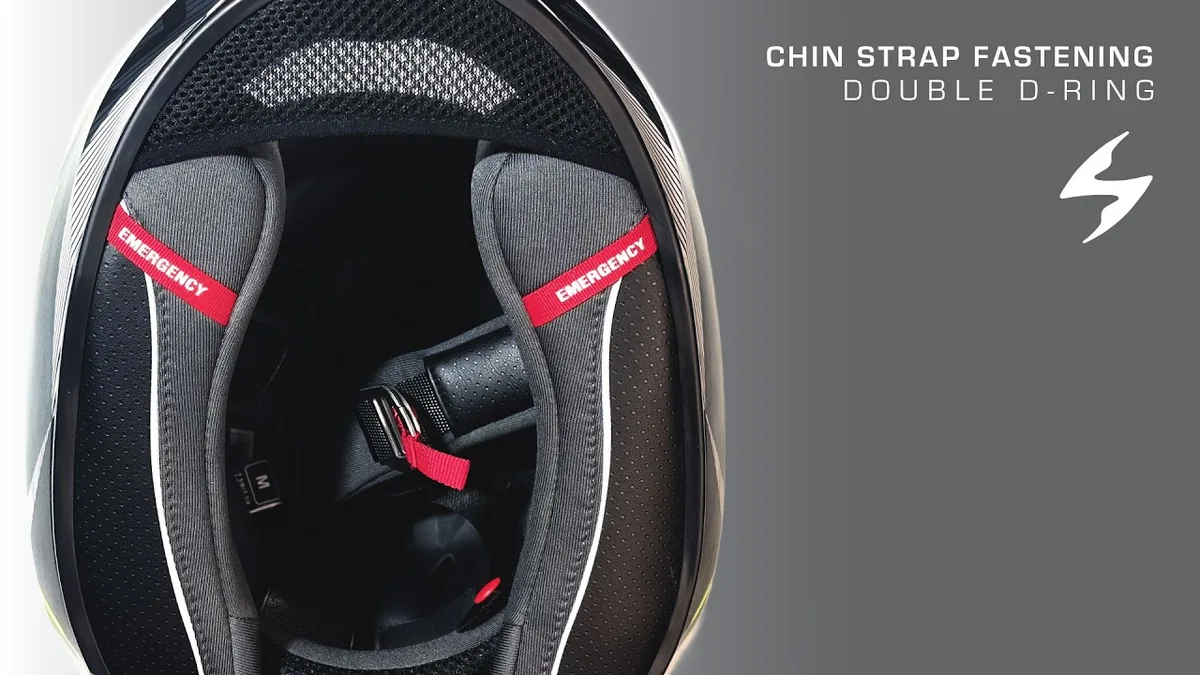
Image source: YouTube / ScorpionEXO (YouTube thumbnail (fair-use with source credit))
A helmet should sit snugly on your head without wobbling. The top of the helmet’s eye port should be just above your eyebrows. The chin strap must be tight enough that you can’t pull the helmet off by tugging the back.
Test the fit by trying to roll the helmet forward and backward. If it moves more than an inch in either direction, it’s too loose. A proper fit ensures maximum protection in a crash.
When to Replace Your Helmet (Even If It Looks Fine)
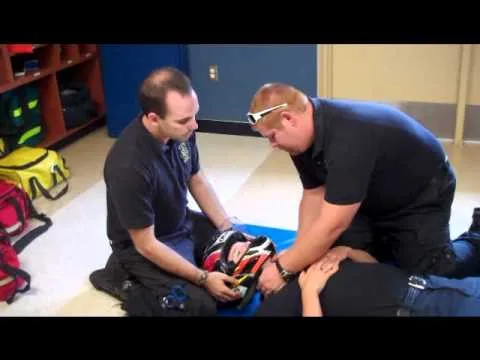
Image source: YouTube / mrmaxstorey (YouTube thumbnail (fair-use with source credit))
Replace your helmet after any impact, even a minor drop. The foam liner can compress or crack internally, reducing its ability to absorb shock.
Age matters too. The adhesives and materials in helmets break down over time. Most manufacturers recommend replacing a helmet every 5, 7 years, regardless of visible damage.
FAQs About Louisiana’s Motorcycle Helmet Rules
Does Louisiana require helmets for all motorcycle riders?
Yes. The law applies to operators and passengers on all public roads. There are no age or experience exemptions.
What happens if my helmet doesn’t have a DOT sticker?
It’s not legally compliant. Officers can issue a fine, and the helmet may not provide adequate protection in a crash.
Can I wear a half-helmet in Louisiana?
Only if it’s DOT-approved. Half-helmets must still meet the same federal standards as full-face models. Check for the DOT label.
Are there any medical exemptions to the helmet law?
No. Louisiana does not grant medical or religious exemptions for motorcycle helmet use.
How do I know if my helmet is still safe to use?
Inspect it regularly for cracks, loose padding, or a frayed strap. Replace it after any impact or after 5, 7 years of use.
Final Takeaway: Stay Safe and Stay Legal
Wearing a DOT-approved helmet isn’t just the law in Louisiana, it’s a critical safety measure. The right helmet can mean the difference between walking away from a crash and suffering life-altering injuries.
Always check for the DOT label, ensure a proper fit, and replace your helmet after any impact or every 5, 7 years. It’s a small step that offers major protection.