ByMax Lee
Louisiana Child Car Seat Laws: Age & Size Rules
Louisiana child-restraint laws require children age 9 and younger to use age- and size-appropriate safety restraints. This isn’t just a recommendation, it’s the law, and breaking it can mean fines or, worse, putting a child at serious risk in a crash. As of 2026, Louisiana aligns with federal safety standards to ensure every child is secured properly for their height and weight.
The rules are clear, but the details matter. For example, a 9-year-old who’s under 4’9” still needs a booster seat, even if they’ve outgrown a harness. Get this wrong, and you’re not just risking a ticket, you’re risking their safety.
Quick Answer
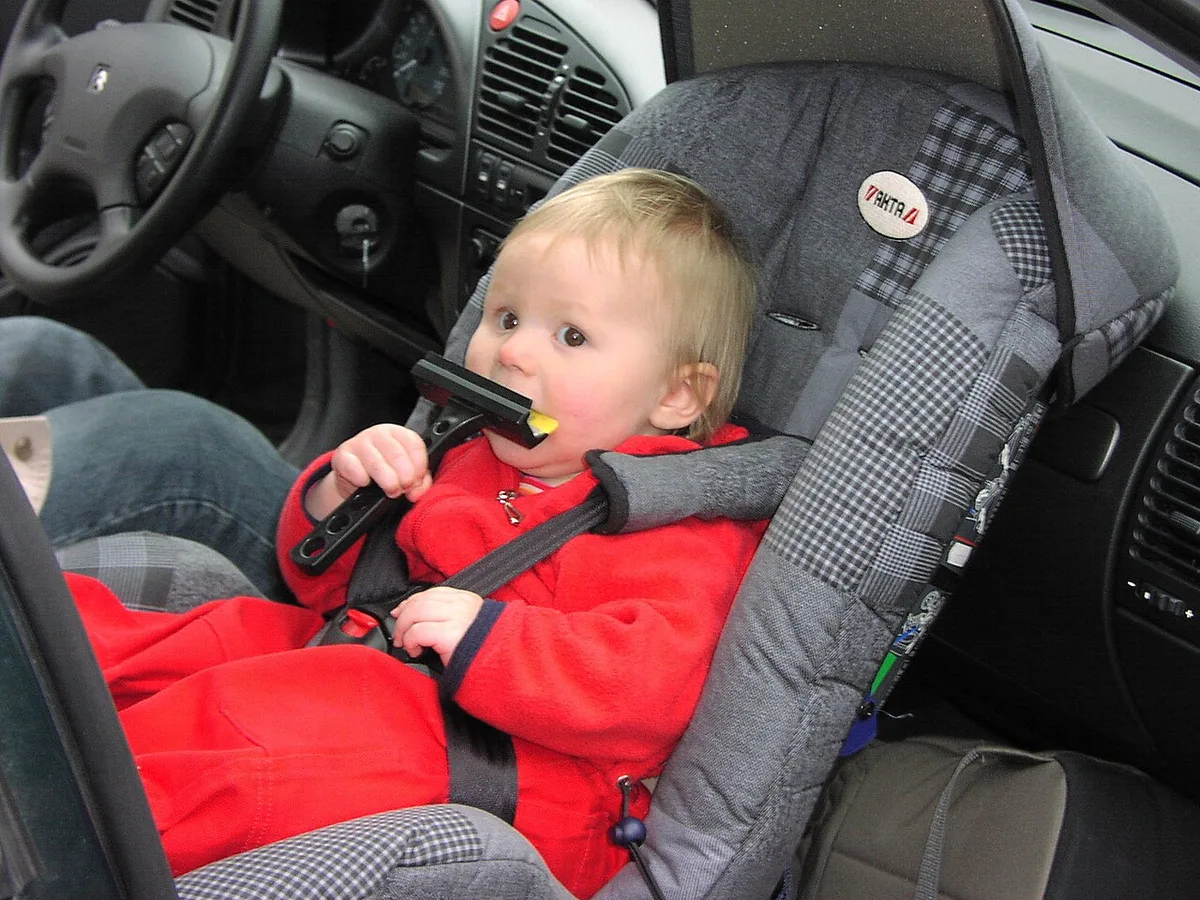
Louisiana child-restraint laws require children age 9 and younger to use age- and size-appropriate safety restraints. This includes rear-facing seats, forward-facing seats, or booster seats. Seat belts alone are not enough until a child passes the fit test.
The law applies to all vehicles, and violations can result in fines.
Wikimedia Commons / Pieter Kuiper (CC BY-SA)
Why This Law Exists (And Why It Matters)
Car crashes are a leading cause of injury and death for children. Louisiana’s law exists to reduce those risks by ensuring kids are secured in restraints designed for their size. Per NHTSA data, proper car seat use reduces the risk of fatal injury by 71% for infants and 54% for toddlers.
This isn’t about convenience, it’s about physics. A seat belt designed for an adult can cut across a child’s neck or abdomen in a crash, causing severe injury. The law removes the guesswork by setting clear age and size requirements.
Who It Applies To: Age, Height, and Weight Requirements
The rule is simple: if a child is 9 years old or younger, they must be in a restraint. But age alone isn’t enough. Louisiana follows federal guidelines, which means the restraint must also fit the child’s height and weight.
Here’s the breakdown:
- Rear-facing seats: Birth until at least age 2 (or until they reach the seat’s height/weight limit).
- Forward-facing seats: After outgrowing rear-facing, up to at least age 5 or 40, 65 lbs (depending on the seat).
- Booster seats: When they outgrow forward-facing seats, typically until they’re 4’9” tall (usually between ages 8, 12).
- Seat belts: Only after passing the 5-step seat belt fit test.
If a child doesn’t meet the height or weight requirements for their age group, they must stay in the previous stage. No exceptions.
Types of Restraints Allowed (And When to Use Each)
Not all car seats are created equal. Louisiana law requires the restraint to be appropriate for the child’s age, height, and weight.
Rear-Facing Car Seats
Best for infants and toddlers. These seats cradle the child’s head, neck, and spine in a crash. Keep them rear-facing as long as possible, at least until age 2, but ideally until they hit the seat’s maximum height or weight limit.
Forward-Facing Car Seats
Used after a child outgrows the rear-facing seat. These have a 5-point harness to secure the child. Most seats accommodate kids up to 65 lbs, but check the manufacturer’s specs.
Booster Seats
For kids who’ve outgrown forward-facing seats but aren’t ready for seat belts alone. Boosters lift the child so the seat belt fits properly across the chest and hips. High-back boosters are best for vehicles without headrests.
Seat Belts
Only for kids who pass the fit test:
- Knees bend at the edge of the seat.
- Feet touch the floor.
- Lap belt sits low on the hips.
- Shoulder belt crosses the chest (not the neck).
- Child can sit all the way back without slouching.
YouTube / Stephanie Hajal (YouTube thumbnail (fair-use with source credit))
Step-by-Step: How to Install a Car Seat Correctly
A car seat is only as good as its installation. Even the best seat won’t protect a child if it’s not secured properly.
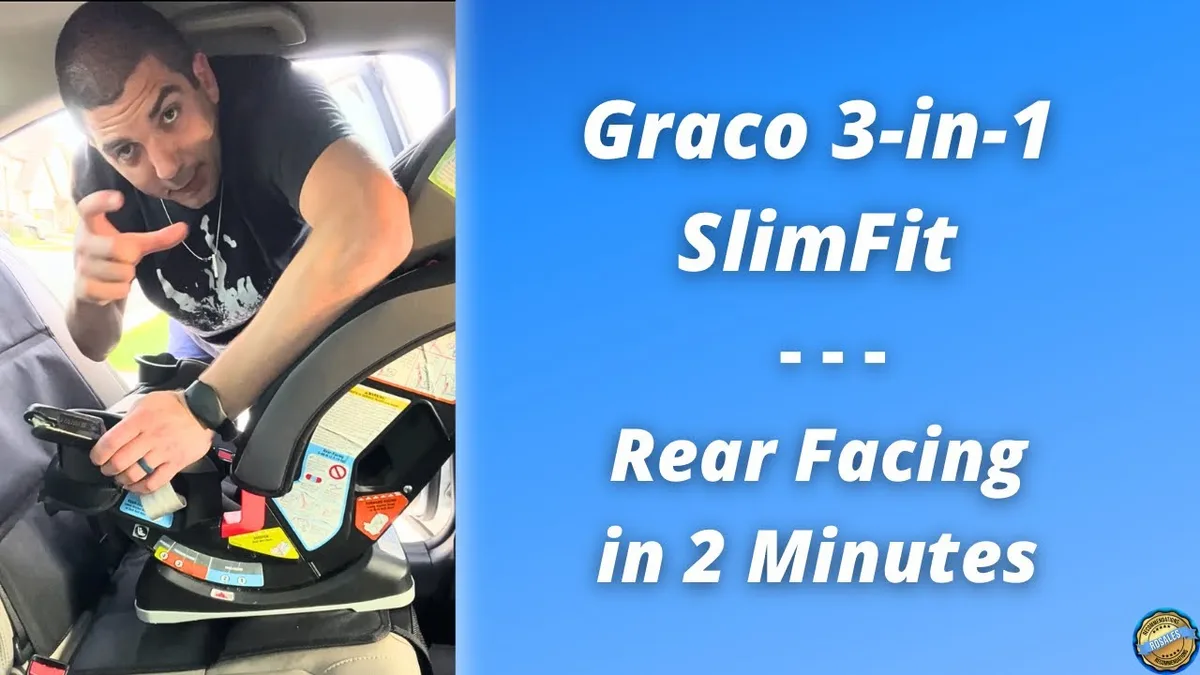
- Choose the right spot: The back seat is safest. The middle is ideal, but if you’re using LATCH, check your vehicle’s manual for approved positions.
- Read the manuals: Both the car seat and your vehicle have specific instructions.
- Secure the seat: , LATCH system: Use the lower anchors and tether. Pull the strap tight, there should be less than 1 inch of movement side-to-side at the belt path.
, Seat belt: Thread it through the correct path and lock it. Pull until there’s no slack.
- Check the angle: Rear-facing seats often have an indicator to show the correct recline. Forward-facing seats should be upright.
- Test the fit: After installing, give the seat a firm tug at the belt path. If it moves more than an inch, it’s not tight enough.
YouTube / Justin & Megan Rosales (YouTube thumbnail (fair-use with source credit))
How to Tell If Your Child Is Ready for the Next Stage
Move to the next restraint type only when the child exceeds the current seat’s height or weight limit. Check the label on the side of the car seat for exact numbers.
The 5-step seat belt fit test is the final check before ditching the booster. If the child can’t sit still with the belt low on the hips and the shoulder strap centered on the collarbone, they need the booster longer.
Louisiana’s Legal Consequences for Non-Compliance
Drivers can be fined for each unrestrained child under 9. The exact penalty varies by parish but typically starts around $50 and increases for repeat offenses.
YouTube / Tucson Police Department (YouTube thumbnail (fair-use with source credit))
More importantly, an improperly restrained child is up to 3 times more likely to suffer serious injury in a crash. The law exists to prevent that risk.
Common Mistakes That Put Kids at Risk
Using a seat that’s been in a crash is dangerous even if it looks fine. Most manufacturers require replacement after any moderate or severe collision.
Other frequent errors include:
- Loose installation (more than 1 inch of movement at the belt path)
- Harness straps too loose (you shouldn’t be able to pinch excess strap at the shoulder)
- Chest clip positioned on the belly or neck instead of the sternum
- Transitioning to a booster or seat belt too soon
When Can a Child Ride in the Front Seat?
The back seat is safest for all children under 13. Louisiana law doesn’t explicitly ban front-seat riding for kids under 9, but the restraint rules still apply.
If a child must ride in front, push the seat as far back as possible and disable the passenger airbag if the vehicle allows it. Never place a rear-facing seat in front of an active airbag.
Exemptions and Special Cases
Medical exemptions exist but require a doctor’s note. This might apply to children with certain disabilities or conditions that prevent standard restraint use.
Taxis and rideshares aren’t exempt. If you’re transporting a child under 9 in Louisiana, you’re responsible for providing and installing the correct restraint. Some services offer car seats for an extra fee, but it’s on the driver to confirm proper installation.
Where to Get Your Car Seat Checked for Free
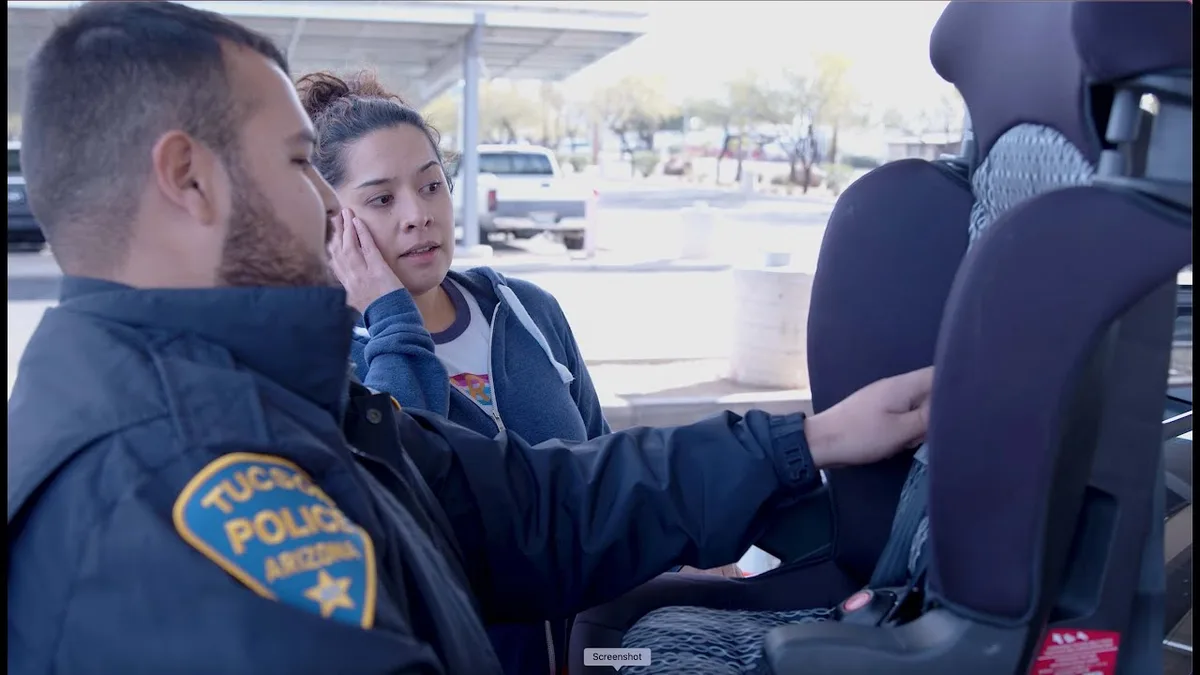
Louisiana offers free car seat inspections at various locations. Fire stations, police departments, and hospitals often host events where certified technicians verify installations.
The Louisiana Passenger Safety Task Force maintains a list of permanent fitting stations. These checks take about 20 minutes and ensure the seat is installed correctly for your child’s size and your vehicle.
FAQs About Louisiana’s Child Restraint Laws
Does the law apply to all vehicles?
Yes. The requirement covers all passenger vehicles, including personal cars, trucks, vans, and rideshares. There are no exceptions for vehicle type.
What if my child is over 9 but under 4’9”?
The law focuses on age, but safety experts recommend keeping kids in boosters until they pass the seat belt fit test. Height and weight matter more than age alone.
Can I use a secondhand car seat?
Only if it hasn’t been in a crash, isn’t expired, and has all original parts. Check the manufacturer’s guidelines for expiration dates, typically 6 to 10 years from production.
Are there income-based programs for free car seats?
Some Louisiana parishes offer assistance programs for low-income families. Contact your local health department or the Louisiana DOTD for details.
What’s the penalty for breaking the law?
Fines start around $50 but can increase for repeat violations. The real cost is the risk to your child’s safety.
Final Checklist: Are You Following the Law?
- Child is 9 or younger: restraint required
- Restraint matches age, height, and weight
- Seat is installed tightly with minimal movement
- Harness straps are snug with chest clip at armpit level
- Child passes the 5-step seat belt test before ditching the booster
- Seat hasn’t expired or been in a crash
Double-check these points every time you buckle up. It takes two minutes and could save a life.