ByMax Lee
Louisiana Minimum Car Insurance Requirements Explained
Louisiana requires minimum liability insurance coverage of $15,000/$30,000/$25,000. This is the legal baseline for all drivers in the state, and falling short can mean fines, license suspension, or trouble registering your vehicle. As of 2026, these numbers represent the minimum financial protection you must carry to cover others if you’re at fault in a crash.
The $15,000 covers bodily injury per person, $30,000 covers bodily injury per accident, and $25,000 handles property damage. These limits are set by Louisiana law, and they’re not just suggestions, they’re requirements.
Quick Answer
Louisiana requires minimum liability insurance coverage of $15,000/$30,000/$25,000. This means $15,000 for bodily injury per person. $30,000 is the max for all injuries per accident. $25,000 covers property damage per accident. These are the state-mandated minimums for all drivers.
What the $15,000/$30,000/$25,000 Numbers Actually Mean
These three numbers represent the split-limit structure of Louisiana’s liability insurance requirements. The first number, $15,000, is the maximum your insurance will pay for bodily injury to one person in an accident you cause. The second, $30,000, is the total payout for all bodily injuries in that same accident, no matter how many people are hurt.
The third, $25,000, covers property damage, like repairs to another driver’s car or a damaged fence.
YouTube / Auto Coverage Explained (YouTube thumbnail (fair-use with source credit))
This structure is designed to protect other drivers and property owners, not you or your vehicle. If damages exceed these limits, you could be personally responsible for the difference. For example, if you total a $40,000 luxury car, your $25,000 property damage limit won’t cover the full cost.
Why Louisiana Mandates This Coverage
Louisiana’s insurance laws exist to ensure drivers can cover the costs of damage or injuries they cause. Without these minimums, at-fault drivers might leave victims with unpaid medical bills or repair costs. The state’s Louisiana Department of Insurance enforces these rules to keep roads safer and reduce financial burdens on innocent parties.
The at-fault system in Louisiana means the driver who causes the accident is financially responsible. Minimum liability insurance ensures that responsibility doesn’t fall entirely on the victim.
Who Needs to Follow These Rules
Every driver in Louisiana must carry at least the minimum liability coverage to legally operate a vehicle. This includes:
- New residents registering a car in Louisiana
- Teen drivers with a learner’s permit or license
- Out-of-state drivers who establish residency
- Rideshare drivers (though they may need additional coverage)
Even if you own your car outright and don’t have a loan, you’re still required to maintain this insurance. The only exception is if you qualify for self-insurance, which is rare and typically reserved for individuals or businesses with significant assets.
What Happens If You Don’t Have Minimum Coverage
Driving without the required insurance in Louisiana comes with serious consequences. If you’re pulled over or involved in an accident, you could face:
- A fine of $100 to $500 for a first offense
- License and registration suspension
- Reinstatement fees to get your license back
- An SR-22 requirement, which means you’ll need to prove financial responsibility for three years
YouTube / Jeffery Harris (YouTube thumbnail (fair-use with source credit))
Worse, if you’re at fault in an accident and uninsured, you could be personally sued for damages.
How the No-Pay, No-Play Rule Affects You
Louisiana’s no-pay, no-play rule means uninsured drivers can’t collect the first $15,000 in bodily injury damages or $25,000 in property damage from an at-fault driver. This applies even if the other driver was uninsured too. The rule is designed to discourage driving without insurance.
YouTube / Charles Lavis | Louisiana Injury & Insurance Law (YouTube thumbnail (fair-use with source credit))
If you’re uninsured and hit by an at-fault driver, you’re barred from recovering those initial damages. You can still sue for amounts above those thresholds. But the financial burden of the first $15,000 or $25,000 falls on you.
When Minimum Liability Isn’t Enough
The state’s minimums are just that, the bare legal requirement. If you cause an accident with injuries or damages exceeding your limits, you’re on the hook for the difference. Medical bills and car repairs can quickly outpace $15,000 or $25,000.
For example, a single hospital stay after a serious crash can cost tens of thousands. A totaled luxury car might require $50,000 or more in repairs. Higher liability limits or additional coverage like uninsured motorist protection can fill these gaps.
How to Prove You’re Insured in Louisiana
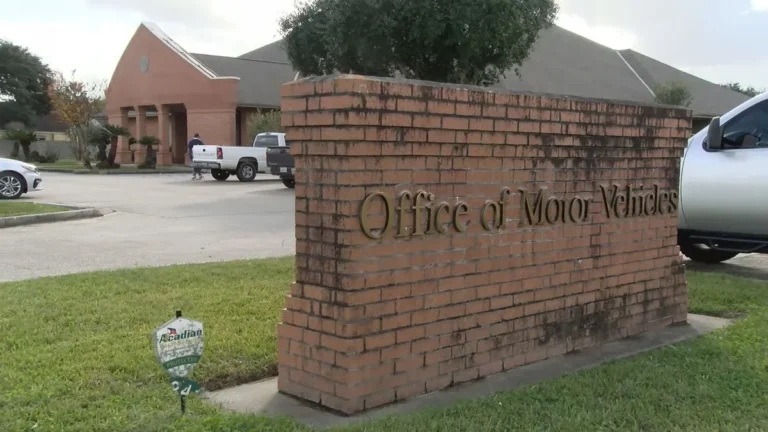
You must carry proof of insurance whenever you drive. This can be a physical insurance card, a digital copy on your phone, or an electronic verification through your insurer’s app. Louisiana’s Office of Motor Vehicles (OMV) may request this during traffic stops or after an accident.
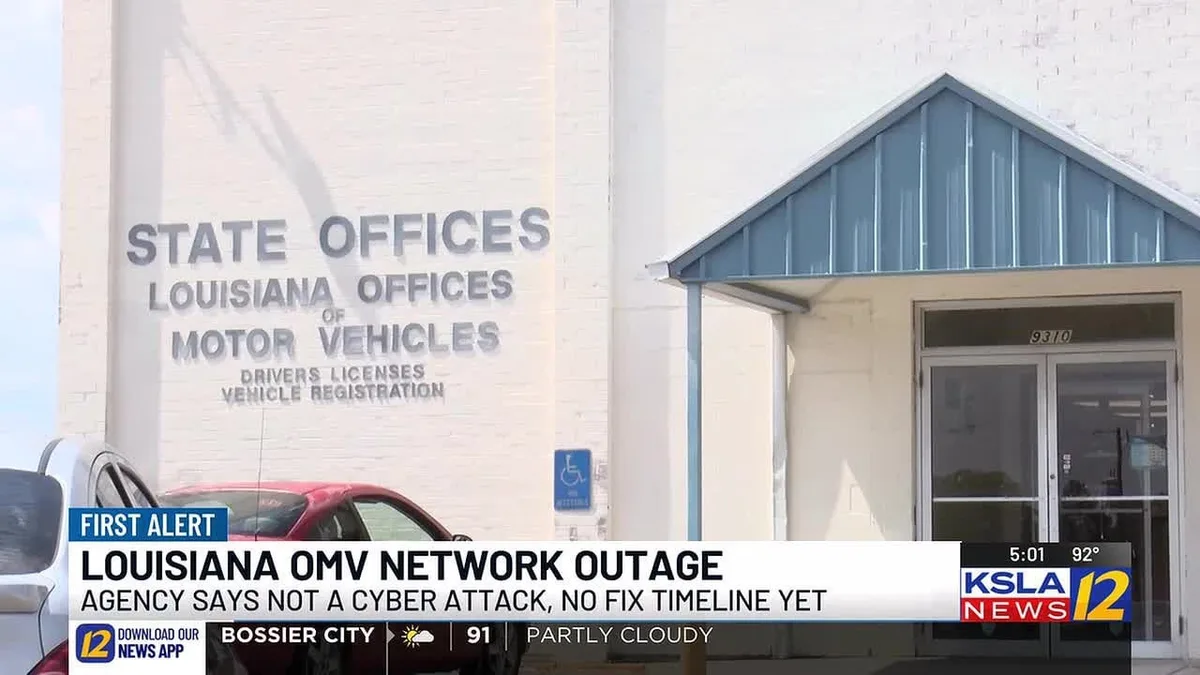
YouTube / KSLA News 12 (YouTube thumbnail (fair-use with source credit))
If you’re pulled over without proof, you could face fines even if you’re insured. Always update your proof when switching policies or vehicles.
How Much Minimum Coverage Costs in Louisiana
The average cost for minimum liability coverage in Louisiana is around $500 to $1,000 per year. But rates vary widely based on your age, driving record, location, and the insurer. Urban areas like New Orleans or Baton Rouge tend to have higher premiums than rural areas.
Drivers with clean records typically pay less. Younger drivers or those with past violations may see rates double or more. Shopping around and comparing quotes can help you find the best rate while meeting the state’s requirements.
How to Get the Right Policy Without Overpaying
Start by getting quotes from multiple insurers. Louisiana’s Department of Insurance offers resources to compare providers. Look for companies with strong financial ratings and good customer service reviews.
Consider bundling auto insurance with home or renters insurance for discounts. Ask about safe driver discounts, low mileage discounts, or discounts for completing a defensive driving course. Always confirm the policy meets or exceeds the $15,000/$30,000/$25,000 minimums.
Common Mistakes Louisiana Drivers Make
Many drivers assume the state minimum is enough coverage. It’s not. Medical bills and repair costs often exceed these limits, leaving you exposed.
Another mistake is letting coverage lapse between policies. Even a one-day gap can trigger penalties. Always confirm your new policy starts before the old one ends.
Some drivers also forget to update their insurance after moving to Louisiana. You typically have 30 days to register your car and show proof of Louisiana-compliant insurance.
Where to Check the Official Rules
The Louisiana Department of Insurance is the best source for current requirements. Their website lists the latest minimum coverage limits and explains the no-pay, no-play rule in detail.
The Louisiana Office of Motor Vehicles also provides guidance on insurance verification and registration rules. For legal specifics, you can review Louisiana Revised Statute 32:861 and Civil Code 22:1406 directly.
FAQs About Louisiana’s Insurance Requirements
What happens if I’m caught driving without insurance in Louisiana?
You’ll face fines starting at $100 for a first offense. Your license and registration may be suspended. You’ll also need to file an SR-22 to reinstate your driving privileges.
Can I drive with just the minimum coverage in Louisiana?
Yes, but it’s risky. The minimums only cover others, not your own injuries or car damage. If you cause a serious accident, you could owe thousands out of pocket.
Does Louisiana require full coverage insurance?
No. Full coverage is optional. The state only mandates liability insurance with the $15,000/$30,000/$25,000 limits.
How do I prove I have insurance in Louisiana?
Carry a physical or digital insurance card. The OMV also verifies coverage electronically. You must show proof if requested by law enforcement.
What is the no-pay, no-play rule?
It bars uninsured drivers from collecting the first $15,000 in bodily injury or $25,000 in property damage from an at-fault driver. It applies even if the other driver was uninsured.
Can I get insurance with a suspended license in Louisiana?
Yes, but you’ll need an SR-22 filing. This proves you have the required coverage. It’s often more expensive than standard insurance.