ByMax Lee
Louisiana Farm-Truck Registration Rules & Limits
Louisiana farm-truck registration is limited to qualifying agricultural vehicles and restricted farm-related use. If you’re running a farm or hauling crops, this special registration can save you money and paperwork, but only if your truck meets strict state rules. Louisiana’s Office of Motor Vehicles (OMV) enforces these limits, and misuse can lead to fines or registration revocation.
As of 2026, the program applies to vehicles used exclusively for agricultural purposes, with weight and operation restrictions. Here’s how to tell if your truck qualifies and what you need to do next.
Quick Answer
Louisiana farm-truck registration is limited to qualifying agricultural vehicles and restricted farm-related use. Only trucks used for farming can get these plates. They cannot be used for non-farm errands.
Weight limits apply. Misuse voids the registration.
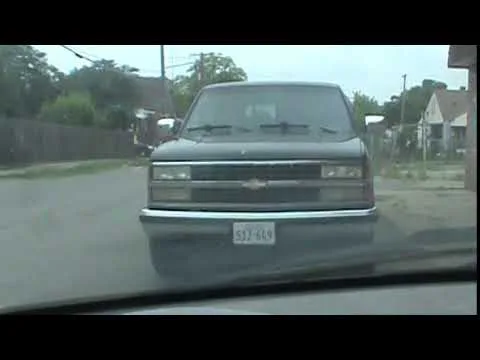
YouTube / Joseph Normand Grinnell (YouTube thumbnail (fair-use with source credit))
Does Your Truck Qualify for Louisiana Farm Registration?
Not every truck can get farm plates. The Louisiana OMV requires your vehicle to be used primarily for agricultural work. This includes transporting crops, livestock, or farm equipment.
Trucks must also meet weight restrictions. Most farm-registered vehicles have a Gross Vehicle Weight Rating (GVWR) under 26,000 pounds. Larger trucks may need commercial registration instead.
Louisiana’s Farm-Truck Use Restrictions Explained
Farm plates come with strict rules. You can only use the truck for farm-related tasks, like hauling produce to market or moving equipment between fields. Personal use, like grocery runs or commuting, is not allowed.
The OMV may ask for proof of agricultural use. This could include farm ownership documents, lease agreements, or a letter from your employer if you’re a farm worker.
Step-by-Step: How to Register a Farm Truck in Louisiana
First, gather your documents. You’ll need the truck’s title, proof of insurance, and proof of agricultural use. A completed application form from the OMV is also required.
Next, visit your local OMV office. Some parishes allow online submissions, but most require in-person visits for farm registrations.
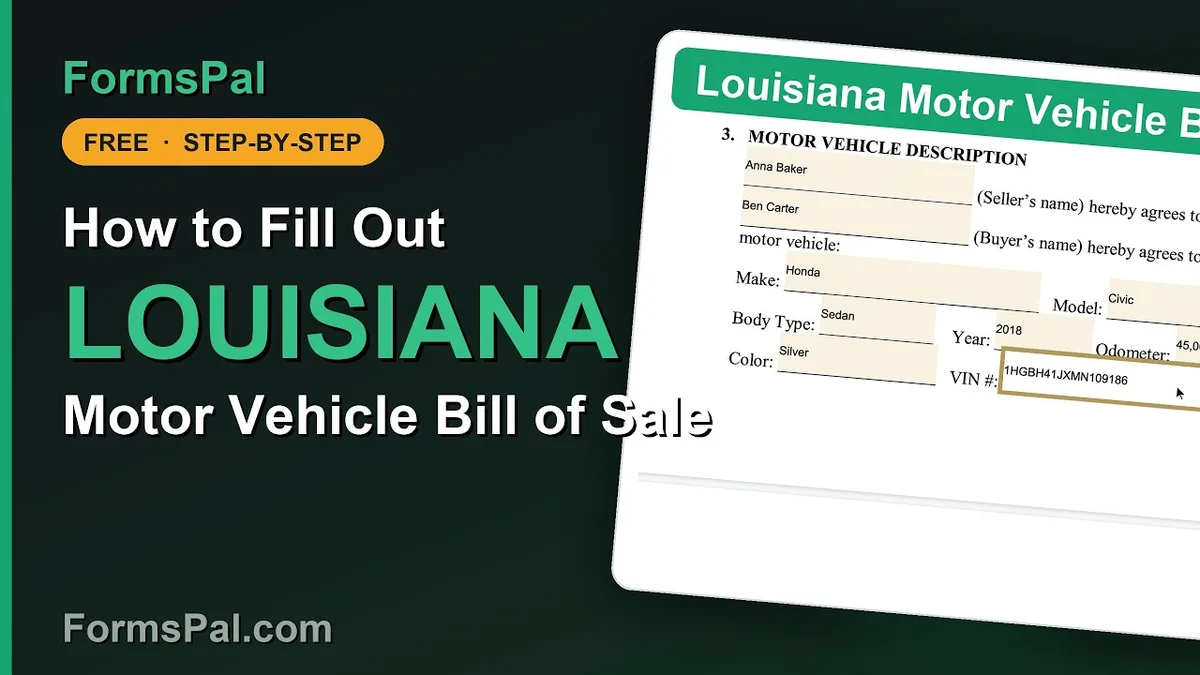
YouTube / FormsPal (YouTube thumbnail (fair-use with source credit))
Pay the registration fee. As of 2026, farm-truck fees are lower than commercial rates, but exact costs vary by parish. You’ll receive your farm plates and registration documents on the spot if approved.
Required Documents and Proof of Agricultural Use
The OMV needs specific paperwork to process your application. Here’s what you’ll typically need:
- Vehicle title (must be in your name or the farm’s name)
- Proof of insurance (minimum liability coverage)
- Proof of agricultural use (farm ownership, lease, or employer letter)
- Completed OMV application form (available online or at the office)
If your truck is leased or financed, you may need additional documents from the lender. Always check with your local OMV for parish-specific requirements.
Weight Limits, GVWR, and Other Key Rules
Louisiana sets clear weight limits for farm-registered trucks. Most must stay under 26,000 pounds GVWR to qualify. Heavier trucks typically need commercial registration instead.
The OMV also restricts where you can drive. Farm trucks are usually limited to rural roads and farm-to-market routes. Highways and urban areas may be off-limits unless you have special permits.
YouTube / WALB News 10 (YouTube thumbnail (fair-use with source credit))
Seasonal restrictions may apply. Some parishes allow temporary farm plates for harvest seasons only.
Where and How You’re Allowed to Drive a Farm-Registered Truck
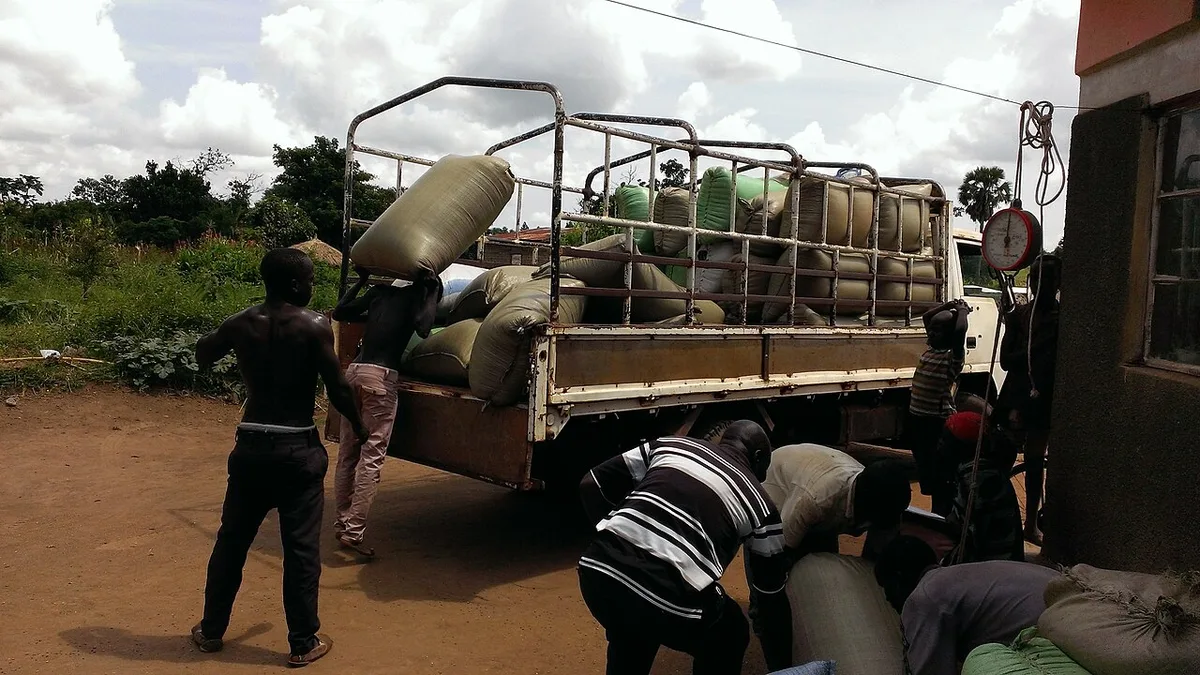
Farm trucks are meant for agricultural use only. This includes transporting crops, livestock, or equipment between fields and markets. Personal trips or non-farm business use are not permitted.
You can typically drive on public roads that connect farms to markets. However, some highways and urban areas may be restricted.
Wikimedia Commons / Gole Andrew (CC BY-SA)
If you need to travel farther, you may need a special permit. The OMV can provide details on temporary or extended-use permits for farm vehicles.
Costs and Fees for Louisiana Farm-Truck Registration
Farm-truck registration fees are lower than commercial rates. As of 2026, expect to pay between $20 and $50 for most agricultural vehicles. Exact costs vary by parish and vehicle weight.
Additional fees may apply for special plates or permits. Some parishes charge extra for temporary or seasonal registrations. Payment is usually required at the time of registration.
Common Mistakes That Get Applications Denied
Using a farm truck for non-agricultural purposes is the top reason for denial. The OMV checks usage closely. Even one personal trip can disqualify your application.
Missing or incomplete paperwork is another common issue. Always bring the title, proof of insurance, and proof of agricultural use. Double-check that all documents are current and accurate.
Weight limit violations can also cause problems. If your truck exceeds the GVWR for farm registration, you’ll need commercial plates instead.
What Happens If You Misuse a Farm Truck Plate?
Misusing farm plates can lead to fines. Louisiana law treats this as a serious violation. You may also face registration revocation.
The OMV can conduct random checks. If they find a farm truck being used for non-agricultural purposes, they can issue penalties. Repeat offenses may result in higher fines or legal action.
To avoid issues, stick to farm-related use only. Keep records of your trips and purposes.
Farm Truck vs. Commercial Registration: Which Do You Need?
Farm registration is for agricultural use only. If your truck hauls crops or livestock between fields and markets, farm plates are the right choice.
Commercial registration is required for non-farm business use. This includes delivery services, contracting work, or any paid hauling that isn’t tied to farming. Commercial plates have different fees and insurance requirements.
If you’re unsure, ask the OMV. They can review your intended use and vehicle specs to confirm which registration applies.
Parish-Specific Rules and Local Considerations
Some parishes have additional rules for farm trucks. For example, areas with heavy agricultural traffic may allow wider use of farm plates. Others may restrict them to certain roads or times of year.
Local OMV offices enforce these rules. Always check with your parish office before applying. Seasonal variations may also apply, with some parishes offering temporary farm registrations during harvest seasons.
Expert Tips to Keep Your Registration Compliant
Keep detailed records of your farm truck’s use. Log dates, destinations, and purposes for each trip. This documentation can help if the OMV ever questions your compliance.
Avoid mixing personal and farm use. Even occasional non-agricultural trips can jeopardize your registration. Renew your registration on time, as farm plates typically expire annually.
Frequently Asked Questions
Can I use my farm truck for personal errands?
No. Farm registration is strictly for agricultural use. Personal trips are not allowed.
Misuse can lead to fines or registration revocation.
How do I prove agricultural use to the OMV?
You’ll need documents like farm ownership papers, lease agreements, or a letter from your employer. The OMV may also ask for logs of your farm-related trips.
What’s the maximum weight for a farm-registered truck?
Most farm trucks must stay under 26,000 pounds GVWR. Heavier vehicles typically require commercial registration.
Can I drive my farm truck on highways?
It depends. Some highways allow farm trucks, while others restrict them to rural or farm-to-market roads. Confirm local rules with the OMV before driving on new routes.
How often do I need to renew my farm-truck registration?
Farm registrations usually expire annually. Some parishes offer multi-year options for certain vehicles. Check with your local OMV for renewal timelines.