
ByMax Lee
Puerto Rico Trailer Registration: 5 vs 10-Year Options
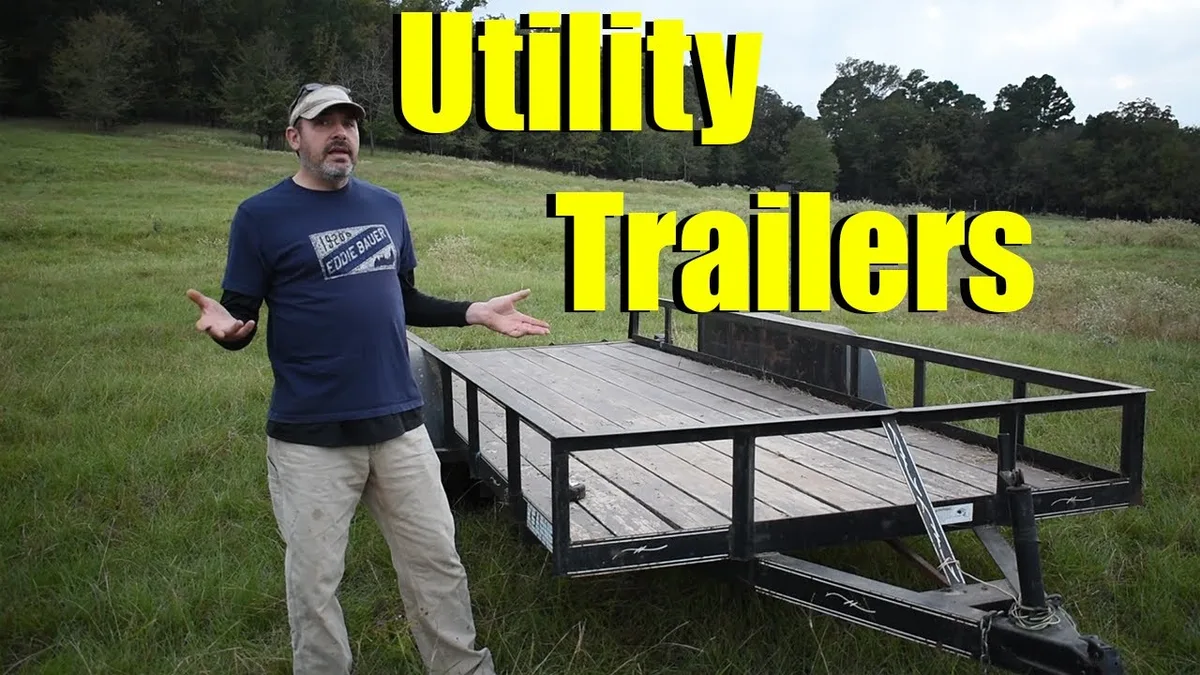
If you own a utility trailer in Puerto Rico, you likely don't want to renew your registration every year. The Puerto Rico 5 year and 10 year registration options for utility trailers both exist to help you avoid that hassle. The right choice comes down to your trailer's weight, how you use it, and how long you plan to keep it.
As of 2026, the Department of Transportation and Public Works (DTOP) manages all trailer registrations on the island. Most trailers need a title, proof of ownership, and a registration decal. The process looks straightforward, but the details matter.
Here's what you need to know before you pick a term.
Puerto Rico offers 5-year and 10-year registration options for utility trailers
Quick Answer
The 5-year and 10-year utility trailer registration options in Puerto Rico skip annual renewal. The 5-year term covers most utility trailers. The 10-year term is for lighter, non-commercial trailers.
Fees scale with trailer weight. Both require a title and proof of ownership.
How to Pick Your Trailer's Registration Term
Start with your trailer's GVWR. That stands for Gross Vehicle Weight Rating, and it's the maximum loaded weight your trailer can handle. You'll find it on a metal plate attached to the trailer frame.
DTOP uses that number to decide which registration terms you qualify for.
Here's the simple decision logic:
- If your trailer is light and used for personal hauling, the 10-year term makes sense.
- If your trailer is heavy or used for commercial work, plan on the 5-year term.
- If you might sell the trailer within a few years, the 5-year term is flexible enough.
The 10-year option costs more upfront, but it saves you trips to DTOP over the long run. The 5-year option costs less initially, and it's easier to exit if you sell early.
Comparison of 5-year and 10-year registration terms for utility trailers
For context on how other states handle trailer classifications, Michigan’s towing regulations offer a useful point of comparison, as they also use weight-based rules for safety and registration.
Key Factors That Determine Your Eligibility
Your trailer's GVWR is the biggest factor. DTOP generally limits the 10-year term to lighter trailers. Heavier trailers, especially those with a GVWR above the light-duty threshold, usually only qualify for the 5-year option.
Commercial use also matters. Even if your trailer is lightweight, DTOP may restrict it to a 5-year registration if you use it for business. The 10-year term is mainly for non-commercial, personal-use trailers.
Where you bought the trailer matters too. If you're bringing a trailer from the mainland, you may need to prove ownership with a title and bill of sale. Some states require a VIN verification before transfer, and Puerto Rico can ask for the same documentation.
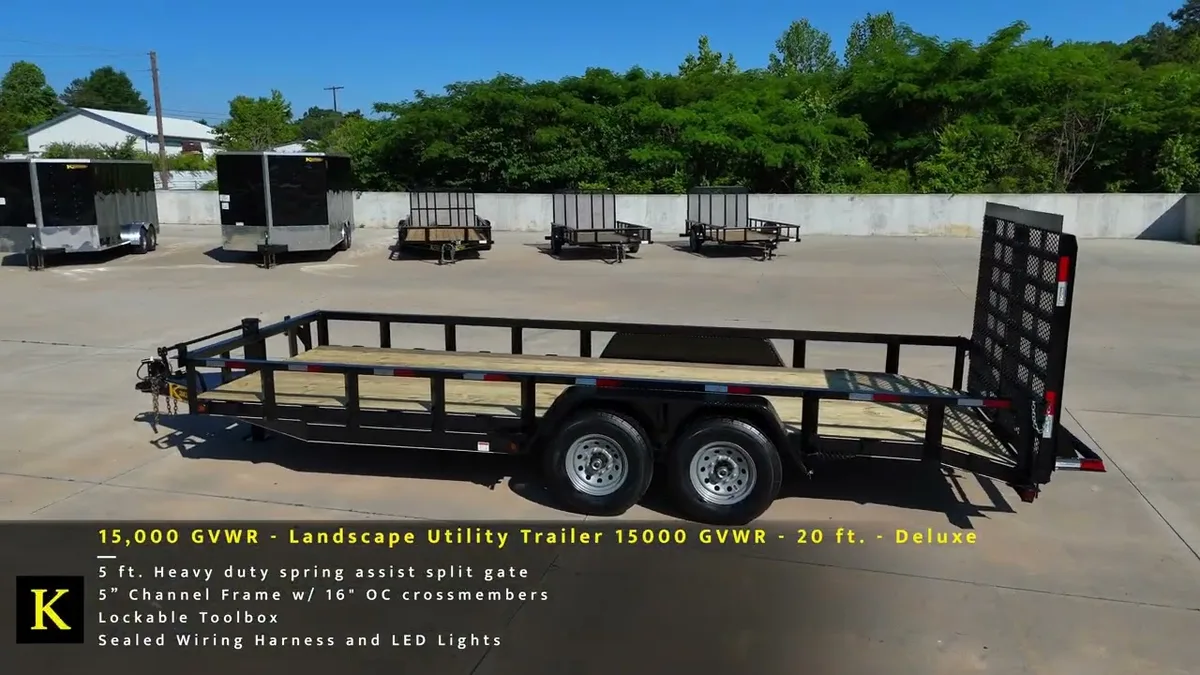
GVWR label on a utility trailer frame
In practice, a common mistake is assuming that a trailer’s weight on the title matches the GVWR plate—always double-check the physical label. For additional clarity on vehicle weight classifications, the U.S. Department of Transportation provides federal guidelines that align with many local regulations.
Step-by-Step: Registering Your Utility Trailer in Puerto Rico
The registration process is the same whether you choose the 5-year or 10-year term. Follow these steps:
- Gather your documents. You'll need the trailer title, bill of sale, a valid ID, and proof of a Puerto Rico address.
- Check your GVWR. Look at the manufacturer's plate on the trailer frame. This confirms which registration term you can choose.
- Visit a DTOP office or authorized agent. Bring your original documents plus photocopies. Some offices accept appointments, so check DTOP's official site first.
- Complete the application. DTOP staff can help if you have questions about the form.
- Pay the registration fee. The amount depends on your trailer's weight and the term you select.
- Get your decal and registration certificate. Affix the decal to the trailer so it's visible from the side.
DTOP handles most in-person registrations the same day when the paperwork is complete. If anything is missing, you'll need to come back.
If you’re towing across state lines, it’s worth reviewing Maryland’s vehicle registration fees by GVWR to understand how other jurisdictions structure their costs.
DTOP office process for trailer registration in Puerto Rico
Understanding the Costs: Fees for 5-Year and 10-Year Options
DTOP sets its fees based on trailer weight, and the amounts change from time to time. As of 2026, the official fee schedule is published on DTOP's website. You can also ask for a printed copy at any DTOP office.
The important thing to understand is that you're not buying the same product for two different prices. The 10-year term is a separate classification. If your trailer doesn't qualify, you can't pay extra to make it fit.
Here's a quick comparison of what each term offers:
| Factor | 5-Year Registration | 10-Year Registration |
|---|---|---|
| Upfront cost | Lower | Higher |
| Renewals over 10 years | 2 | 1 |
| Best for | Medium and heavy trailers, commercial use | Light, non-commercial trailers |
| Long-term value | Less convenient | Usually a better deal if you keep the trailer |
The 5-year option is cheaper on day one. The 10-year option usually saves you money over time, but only if you actually keep that trailer for a decade.
For a deeper dive into how registration fees are structured, Maryland’s car registration fees provide a useful reference for comparing weight-based systems.

Sample fee schedule for Puerto Rico trailer registration
Additional Considerations for Trailer Owners
Trailer Safety and Compliance
Beyond registration, ensuring your trailer meets safety standards is critical. This includes proper lighting, reflectors, and safety chains. For example, Michigan’s trailer towing safety chain and lighting rules outline requirements that are often similar to those in Puerto Rico. Always verify that your trailer’s lighting and reflectors are functional before hitting the road.
Transferring Registration from Another State
If you’re moving a trailer to Puerto Rico from the mainland, you’ll need to transfer its registration. This typically involves a VIN inspection and proof of ownership. Some states, like Maryland, have specific deadlines for registration after purchase, which can serve as a helpful reference. For more on this, see Maryland’s vehicle registration deadline after purchase.
Insurance Requirements
While Puerto Rico does not mandate insurance for utility trailers, the tow vehicle must carry liability insurance. For additional protection, consider comprehensive coverage for your trailer, especially if it’s high-value. To understand how insurance interacts with registration, Maryland’s mandatory liability insurance limits offer a useful comparison.
Mistakes to Avoid When Registering a Trailer in PR
People run into trouble when they skip the small details. Here are the most common mistakes and how to avoid them:
- Registering without checking GVWR. The number on the title isn't always the same as the plate on the frame. Always verify your trailer's actual GVWR.
- Assuming commercial trailers qualify for the 10-year term. They usually don't. If you use your trailer for work, expect the 5-year option.
- Forgetting the title or bill of sale. DTOP won't register a trailer without proof of ownership. Original documents matter.
- Waiting until the decal has expired. Late renewals can lead to fines and more paperwork.
- Towing without your registration paperwork. Police can request proof of registration at checkpoints. Keep a copy in your tow vehicle.
Also remember that the vehicle towing the trailer needs its own valid registration and liability insurance. State laws can vary, and it's worth knowing your local trailer rules before you hit the road. Michigan's trailer registration rules, for example, work differently than Puerto Rico's.
Expired trailer registration decal on a utility trailer
When to Choose Annual Registration Instead
Multi-year registration isn't always the right answer. Annual registration can be a smarter choice in a few situations:
- You rarely use the trailer. If it sits in your yard most of the year, annual registration keeps your upfront costs low.
- You plan to sell soon. A 5-year term makes sense if you might sell in two years. A 10-year term is a waste of money if you won't keep it.
- Your trailer is commercial. Many commercial trailers don't qualify for the 10-year option anyway. Annual or 5-year registration gives you more flexibility if you upgrade equipment often.
- You're unsure about your long-term plans. Annual registration lets you reassess each year without losing prepaid fees.
The downside is obvious. You'll visit DTOP or renew online more often, and total costs are higher over time. But flexibility has value.
Frequently Asked Questions
How does DTOP classify utility trailers?
DTOP classifies trailers by GVWR. That rating is printed on the manufacturer's plate attached to the trailer frame. Lighter trailers qualify for longer registration terms, while heavier trailers are typically limited to the 5-year option.
Can I get a 10-year registration for a commercial trailer?
Usually not. The 10-year term is meant for non-commercial, personal-use trailers. Commercial trailers almost always need the 5-year registration, even if the weight falls within the lighter range.
What documents do I need to register a trailer in Puerto Rico?
You need the trailer title, a bill of sale, a valid photo ID, and proof of your Puerto Rico address. If the trailer is new, the dealer provides the title paperwork. Bring both originals and photocopies to your DTOP appointment.
Do I need insurance for a utility trailer in Puerto Rico?
The vehicle towing the trailer must have liability insurance. DTOP may ask for proof during registration. Personal trailer insurance isn't required by law, but it can protect against theft, fire, and damage while parked or on the road.
How long does trailer registration take?
In-person registration at a DTOP office can be completed the same day if your documents are correct. If you apply through an authorized agent or mail, expect a longer wait. Check with your local DTOP office for current processing times.
What happens if I lose my trailer registration decal?
If your decal is lost, stolen, or damaged, you must request a replacement from DTOP. There may be a small fee for a new decal, and you’ll need to provide proof of registration. Always keep a copy of your registration certificate in your tow vehicle as backup.
Can I register my trailer online in Puerto Rico?
As of 2026, DTOP offers limited online services for trailer registration. Check their official website for the most current options. In-person visits are still required for first-time registrations and certain transactions.
Are there any restrictions on trailer size or type for the 10-year registration?
Yes. The 10-year registration is typically restricted to trailers under a specific GVWR threshold (often 3,000 lbs or less) and used exclusively for non-commercial purposes. Trailers exceeding this weight or used for business generally do not qualify.
Final Verdict: Which Option Is Right for You?
If you plan to keep a light, personal-use trailer for a long time, the 10-year option is the better deal. If your trailer is heavier, used commercially, or likely to be sold soon, the 5-year term is the safer choice.
Still unsure? Start with your GVWR. That one number makes the decision much easier.
And if any part of your paperwork feels off, contact DTOP before you submit. A short call now beats a long correction later. For additional peace of mind, review Maryland’s vehicle registration renewal options to see how other regions handle similar processes.
