Massachusetts boat and trailer registration requirements and fees can feel confusing, but the rules are straightforward once you know the basics. Whether you're launching a kayak on Walden Pond or towing a bass boat to the Cape, the state has clear guidelines on what needs registering and what doesn’t.
As of 2026, all motorized boats and most trailers must be registered with the Massachusetts Environmental Police, while non-motorized vessels under 14 feet are typically exempt. The process changes based on boat type, size, and how you plan to use it.
Quick Answer
Massachusetts requires registration for all motorized boats. Non-motorized boats under 14 feet are exempt. Fees vary by boat length and trailer weight.
Registration is valid for one or two years.
Do You Need to Register Your Boat or Trailer in Massachusetts?
You must register your boat in Massachusetts if it’s motorized, regardless of size. Non-motorized boats 14 feet or longer also need registration. Trailers must be registered separately if they’re used on public roads.
The Massachusetts Environmental Police handle boat registrations, while the Registry of Motor Vehicles (RMV) manages trailer registrations. This split system means you’ll deal with two different agencies depending on what you’re registering.
How Massachusetts Boat Registration Works
Boat registration rules depend on three key factors: propulsion, length, and water type. Motorized boats always require registration, even if they’re small. Non-motorized boats only need registration if they’re 14 feet or longer.
Saltwater and freshwater boats follow the same registration process, but some local rules may apply for specific waterways. The state doesn’t distinguish between them for registration purposes.
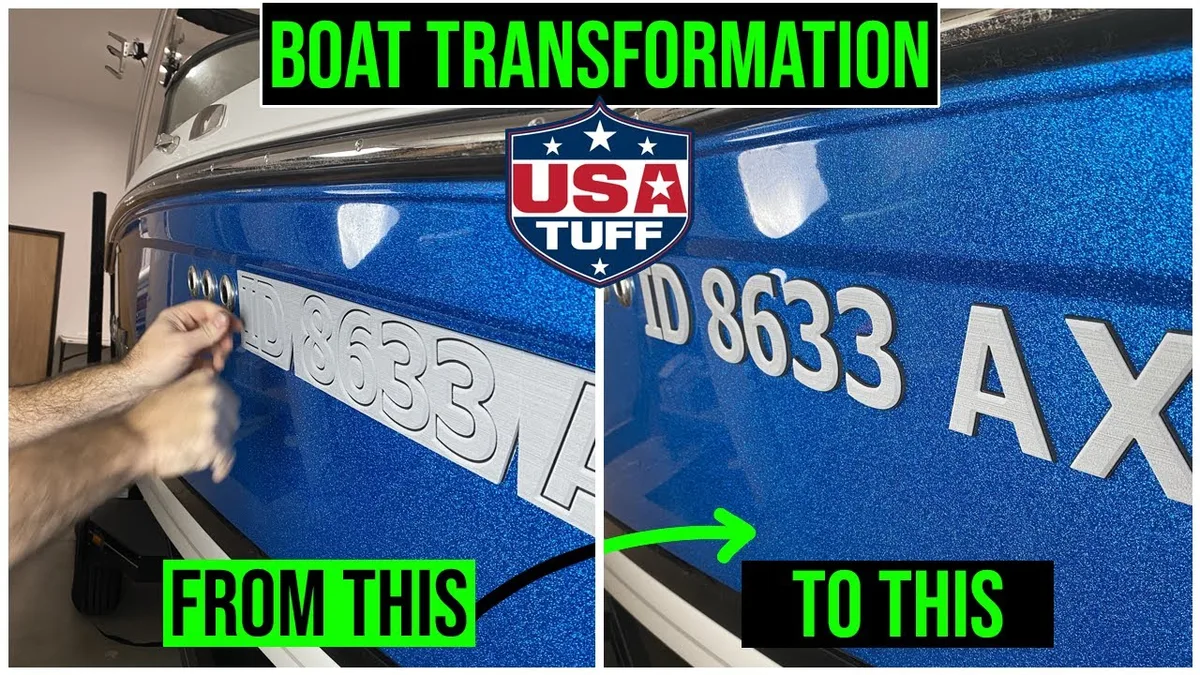
Motorized vs. Non-Motorized Rules
Motorized boats of any size must be registered. This includes electric trolling motors. The only exception is if the boat is documented with the U.S.
Coast Guard, which applies to larger commercial vessels.
Non-motorized boats under 14 feet are exempt from registration. This covers most kayaks, canoes, and rowboats. Once a non-motorized boat hits 14 feet, it must be registered.
Saltwater vs. Freshwater Differences
Massachusetts treats saltwater and freshwater boats the same for registration. The same fees and processes apply. However, some coastal towns may have additional local permits for launching or mooring.
Boat Length and Type Thresholds
| Boat Type | Length Threshold | Registration Required? |
|---|---|---|
| Motorized | Any size | Yes |
| Non-motorized | Under 14 ft | No |
| Non-motorized | 14 ft or longer | Yes |
| Sailboats | Any size with auxiliary motor | Yes |
| Sailboats | No motor, under 14 ft | No |
Massachusetts Trailer Registration: What’s Required
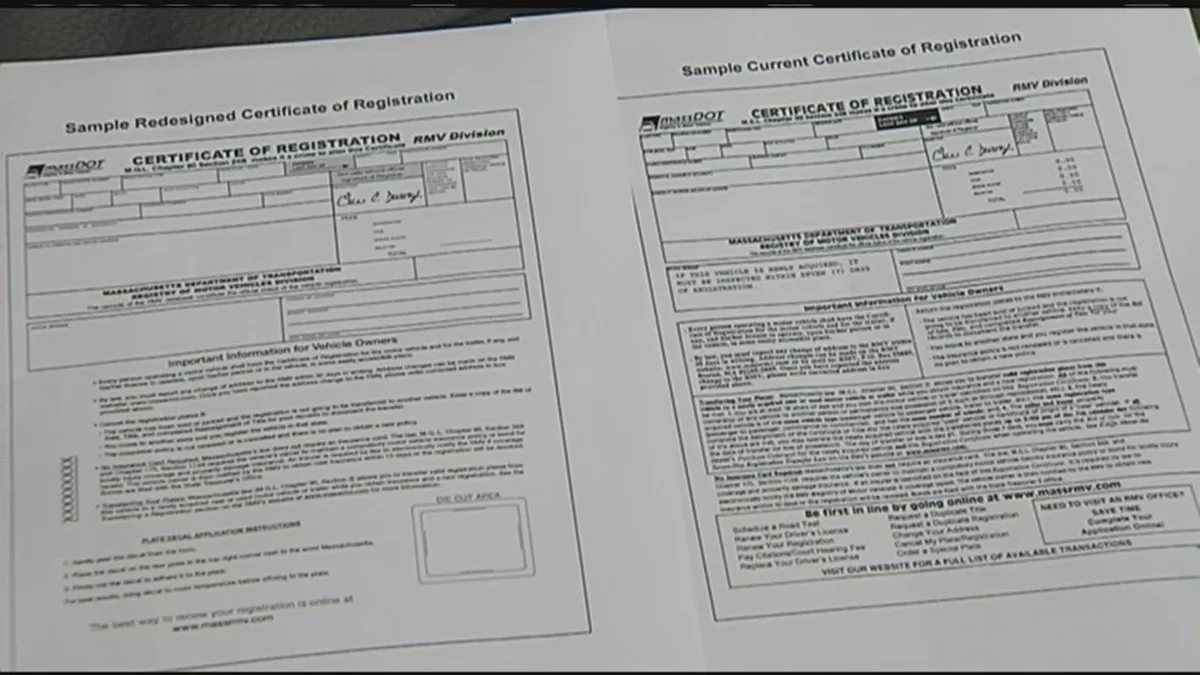
Trailers in Massachusetts must be registered if they’re used on public roads. This includes boat trailers, utility trailers, and campers. The registration is separate from the boat’s registration.
The Registry of Motor Vehicles (RMV) handles trailer registrations, not the Environmental Police. This means you’ll need to visit or contact the RMV for trailer-related paperwork.
When a Trailer Needs Its Own Registration
Any trailer with a gross vehicle weight rating (GVWR) over 3,000 lbs must be registered. Trailers under 3,000 lbs are exempt unless they’re used for commercial purposes. Boat trailers typically fall under this rule if they’re towing a vessel.
Even if your trailer is exempt from registration, it must still meet safety standards. This includes working lights, brakes (if over a certain weight), and proper coupling.
Weight Classes and Fees
| Trailer Weight Class | Fee |
|---|---|
| Under 3,000 lbs | $20 |
| 3,000–5,000 lbs | $30 |
| 5,001–10,000 lbs | $50 |
| Over 10,000 lbs | $75 |
Step-by-Step: How to Register Your Boat in Massachusetts
Registering your boat in Massachusetts is a straightforward process if you have the right documents. You’ll need to gather some key information before you start.
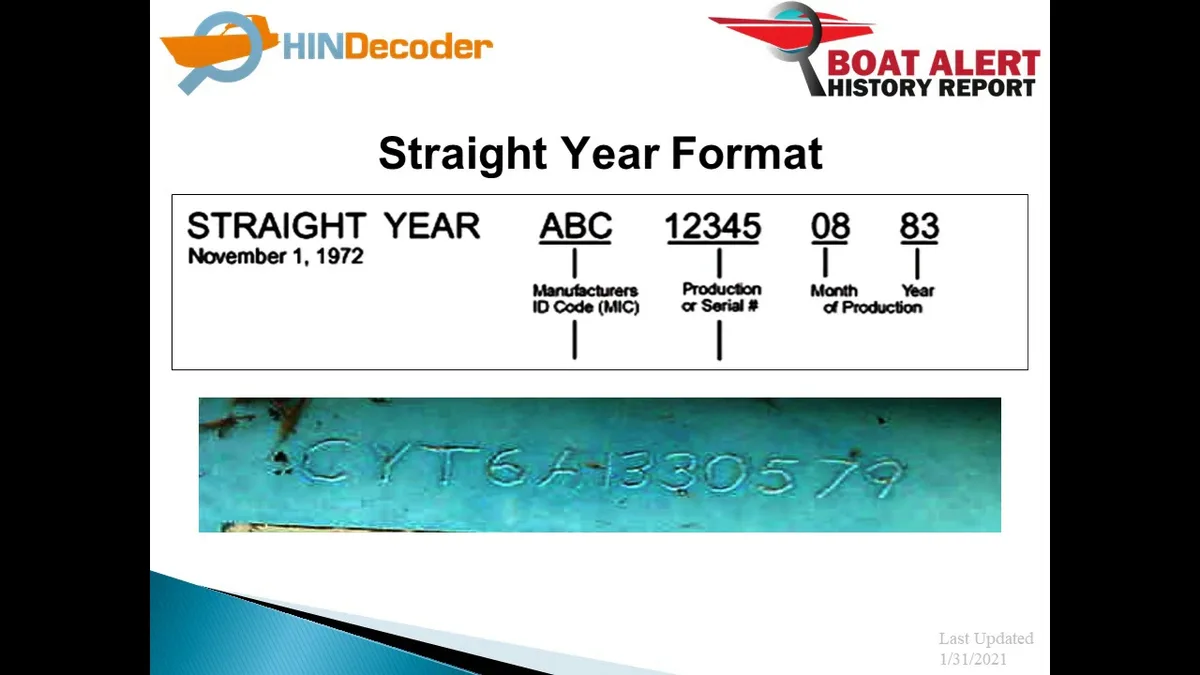
First, locate your boat’s Hull Identification Number (HIN). This is a 12-character serial number usually found on the transom (rear) of the boat. It’s similar to a VIN on a car and is required for registration.
Documents You’ll Need
To register your boat, you’ll need the following:
- Completed Application for Boat Registration (Form B-1)
- Proof of ownership (title, manufacturer’s certificate of origin, or bill of sale)
- Payment for registration fees
- For used boats: previous registration or title signed over to you
If your boat is homemade, you’ll need to provide additional documentation, including photos and a notarized affidavit of ownership. The state may also require an inspection.
Where and How to Apply
You can apply for boat registration in three ways:
- Online through the Massachusetts Environmental Police portal
- By mail to the Environmental Police Boat Registration Bureau
- In person at select Environmental Police offices
Online applications are processed fastest, typically within 5, 7 business days. Mail-in applications can take 2, 3 weeks. In-person submissions are immediate if all documents are in order.
Inspection Requirements (For Homemade Boats)
Homemade boats require an inspection before registration. You’ll need to schedule this with the Environmental Police. The inspection verifies the boat’s construction and safety features.
During the inspection, an officer will check for:
- Proper flotation
- Structural integrity
- Required safety equipment (e.g., life jackets, fire extinguishers)
- Compliance with Massachusetts boating laws
Step-by-Step: How to Register Your Trailer in Massachusetts
Trailer registration is handled through the RMV, not the Environmental Police. You’ll need the trailer’s Vehicle Identification Number (VIN) and proof of ownership to start.
First, complete the Application for Registration and Title (Form TAU). If the trailer is new, you’ll need the manufacturer’s certificate of origin. For used trailers, provide the previous owner’s title signed over to you.
Submit your application in person at an RMV service center or by mail. Online registration isn’t available for trailers. Processing typically takes 1, 2 weeks for mail-in applications.
Massachusetts Boat and Trailer Registration Fees (2026)
Fees are based on boat length and trailer weight. Boat registration fees are set by the Environmental Police, while trailer fees come from the RMV.
Here’s the current boat registration fee structure:
| Boat Length | 1-Year Fee | 2-Year Fee |
|---|---|---|
| Under 16 ft | $40 | $75 |
| 16–26 ft | $60 | $115 |
| 26–40 ft | $80 | $155 |
| Over 40 ft | $100 | $195 |
Trailer fees range from $20 to $75 depending on weight class. Late fees add $20 to boat registrations and $10 to trailer registrations.
Renewing, Transferring, or Replacing Registration
Boat registrations expire every one or two years, depending on the option you chose. The Environmental Police send renewal notices by mail about 60 days before expiration.
To renew, you can use the online portal, mail in your notice with payment, or visit an Environmental Police office. If you don’t receive a notice, you’re still responsible for renewing on time.
Renewal Process and Timelines
Renewals are fastest online. You’ll need your registration number and HIN. Payment can be made by credit card or electronic check.
Mail-in renewals take longer. Include your renewal notice, payment, and any required documents. Allow at least 2 weeks for processing.
Transferring Ownership
When selling a boat or trailer, the buyer and seller must complete the transfer section on the registration certificate. The buyer then submits this to the appropriate agency (Environmental Police for boats, RMV for trailers) with the required fee.
For boats, the fee is $25. For trailers, it’s $25 plus any applicable sales tax. The new owner receives a new registration certificate and decals.
Replacing Lost Decals or Certificates
If you lose your registration decal or certificate, request a replacement immediately. For boats, contact the Environmental Police. For trailers, visit the RMV.
The replacement fee is $10 for boat decals and $5 for trailer decals. You’ll need to provide your registration number and proof of identity.
Common Mistakes to Avoid
Mixing up boat and trailer registration is a frequent error. Remember, boats go through the Environmental Police, while trailers are handled by the RMV. Submitting paperwork to the wrong agency will delay your registration.
Another common issue is missing the HIN or VIN. These numbers are critical for registration. Double-check that you’ve recorded them correctly before submitting your application.
Mixing Up Boat and Trailer Registration
Boat registration and trailer registration are separate processes. Boat registration covers the vessel itself, while trailer registration covers the vehicle that transports it. You may need both if you’re towing your boat.
The agencies, forms, and fees are different. Boat registration is through the Environmental Police, while trailer registration is through the RMV. Keep the two processes distinct to avoid confusion.
Missing Deadlines or Documents
Late registrations incur penalties. Boat registrations late by 30 days or more add a $20 fee. Trailers late by the same period add $10.
Missing documents are another common delay. Ensure you have proof of ownership, the correct application form, and payment ready. Incomplete applications are rejected.
Incorrect Classification (Motorized vs. Non-Motorized)
Misclassifying your boat can lead to registration issues. A boat with any motor, even an electric trolling motor, is considered motorized. Non-motorized boats under 14 feet are exempt.
If you’re unsure, check the boat’s specifications or consult the Environmental Police. Incorrect classification can result in fines or registration denial.
Massachusetts Boating Laws You Should Know
Operating a boat in Massachusetts requires more than just registration. The state has specific safety and legal requirements all boaters must follow.
A Massachusetts boating safety certificate is mandatory for anyone born after January 1, 1980, operating a motorboat. The course covers navigation rules, safety equipment, and state laws. You can take it online or in person.
Safety Certificate Requirements
The safety certificate is valid for life and doesn’t need renewal. However, you must carry it with you whenever operating a motorboat. Environmental Police can request to see it during inspections.
Minors under 12 can operate a motorboat only if directly supervised by someone 18 or older with a valid safety certificate. Those 12 to 15 can operate alone but must have completed the safety course.
Mandatory Equipment Onboard
Massachusetts requires specific safety gear on all boats. The exact requirements vary by boat size and type.
All motorboats must carry a USCG-approved life jacket for each person onboard. Boats 16 feet or longer need at least one Type IV throwable flotation device. Fire extinguishers are required on motorboats and any boat with a fuel tank.
Age and Operation Restrictions
No one under 16 can operate a personal watercraft (PWC) like a Jet Ski. Operators 16 and 17 must have a safety certificate and cannot carry passengers under 12.
Alcohol limits are stricter on the water than on the road. Operating a boat with a blood alcohol concentration of 0.08% or higher is illegal. Penalties include fines, jail time, and mandatory boating safety courses.
FAQs About Massachusetts Boat and Trailer Registration
Do I need to register my kayak in Massachusetts?
No, non-motorized kayaks under 14 feet don’t require registration. If you add a motor, even a small electric one, registration becomes mandatory.
How much does it cost to register a boat in Massachusetts?
Fees range from $40 to $100 for a one-year registration, depending on boat length. Two-year registrations cost more upfront but save money long term.
Can I register my boat online in Massachusetts?
Yes, the Environmental Police offer online registration for boats. Trailers must be registered in person or by mail through the RMV.
What happens if I don’t register my boat?
Operating an unregistered boat can result in fines up to $200. You may also be denied access to public boat ramps.
How do I transfer boat registration to a new owner?
Complete the transfer section on the registration certificate. The buyer submits it to the Environmental Police with the $25 transfer fee.
Final Checklist: Are You Ready to Register?
Gather all required documents before starting. For boats, you’ll need the HIN, proof of ownership, and payment. For trailers, have the VIN and title ready.
Check your boat and trailer measurements. Fees depend on length and weight, so accurate numbers ensure you pay the correct amount.
Submit your application through the correct agency. Boats go to the Environmental Police, trailers to the RMV. Double-check all forms for completeness to avoid delays.
Gather all required documents before starting. For boats, you’ll need the HIN, proof of ownership, and payment. For trailers, have the VIN and title ready.
Check your boat and trailer measurements. Fees depend on length and weight, so accurate numbers ensure you pay the correct amount.
Submit your application through the correct agency. Boats go to the Environmental Police, trailers to the RMV. Double-check all forms for completeness to avoid delays.