If your car’s exhaust sounds louder than it should, you’re probably wondering about the Massachusetts muffler and exhaust noise level regulations for passenger cars. The state has clear rules, and breaking them can mean a failed inspection or a fine. These laws exist to keep noise pollution in check while still letting drivers modify their vehicles within reason.
In Massachusetts, the standard for measuring exhaust noise is the SAE J1169 test, which sets a maximum decibel limit for most passenger cars. As of 2026, the rules haven’t changed much, but enforcement can vary by location. Here’s what you need to know to stay on the right side of the law.
Quick Answer
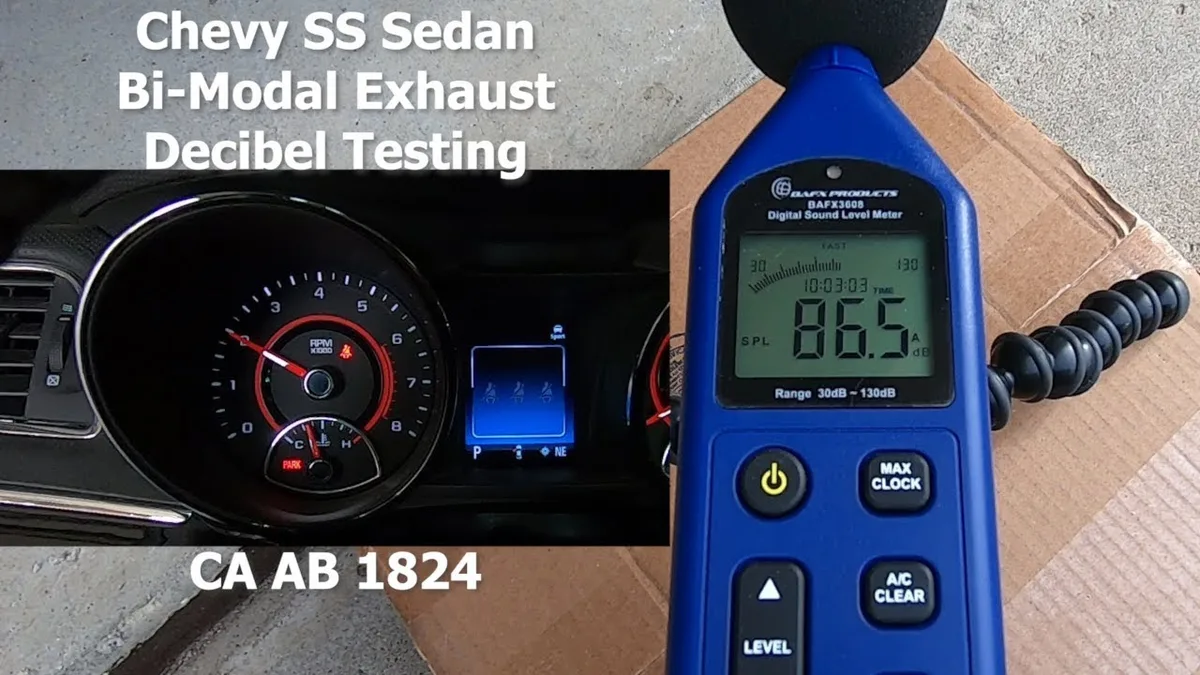
Massachusetts limits passenger car exhaust noise to 92 decibels under the SAE J1169 test. This applies to most vehicles during state inspections. The test measures noise at 50 feet while the engine runs at three-quarters of its redline.
Exceeding this limit can result in a failed inspection or a fine.
What Massachusetts Law Says About Exhaust Noise for Passenger Cars
The primary regulation comes from Massachusetts General Laws Chapter 90, Section 16, which prohibits excessive or unusual noise from vehicle exhaust systems. The state also follows 540 CMR 4.00, which outlines vehicle equipment standards, including mufflers and exhaust systems.
These laws require that all passenger cars have a working muffler and exhaust system that doesn’t emit noise above the legal limit. The rules apply to both stock and modified vehicles, and they’re enforced during the annual state inspection. If your car fails the noise test, you’ll need to fix the issue before it can pass.
The Legal Limits: Decibel Rules and Test Standards
The 92 dB limit is the key number to remember for most passenger cars in Massachusetts. This limit is based on the SAE J1169 test, which is the industry standard for measuring vehicle exhaust noise.
Here’s how the test works in practice:
- The vehicle is placed on a flat surface with the engine running.
- A decibel meter is positioned 50 feet away at a 90-degree angle from the exhaust outlet.
- The engine is revved to three-quarters of its redline, and the noise level is recorded.
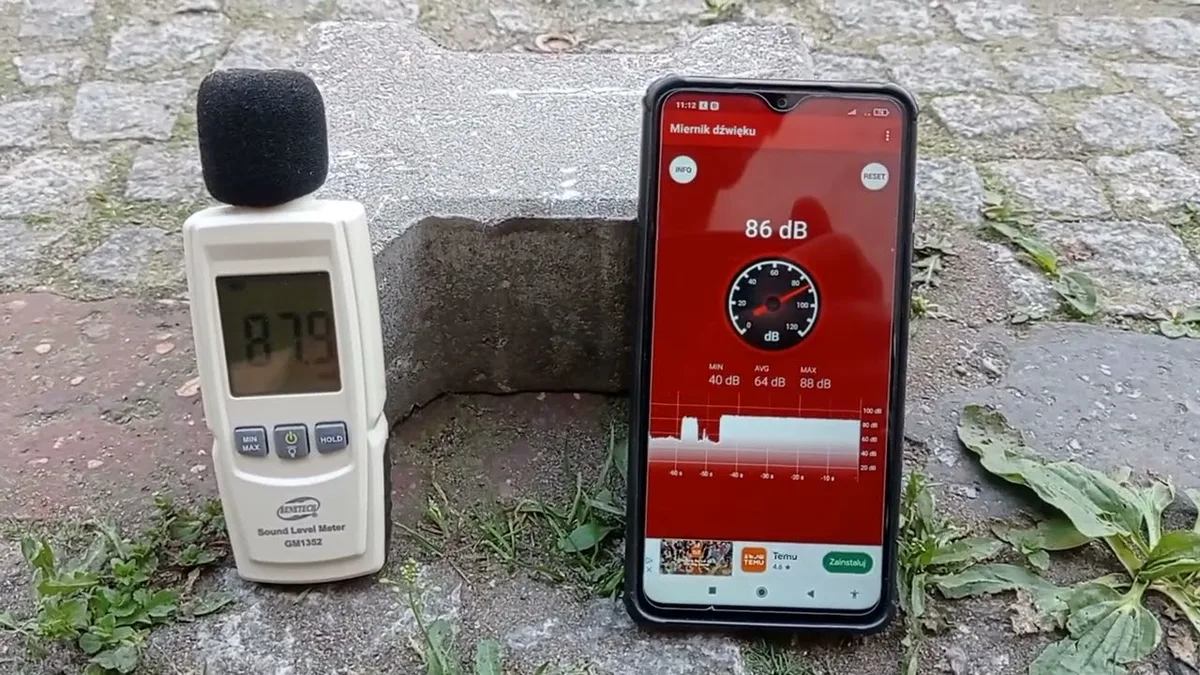
If your car’s exhaust noise exceeds 92 dB during this test, it will fail the inspection. The Massachusetts Registry of Motor Vehicles provides additional details on the inspection process and requirements.
Stock vs. Aftermarket Exhausts—What’s Allowed and What’s Not
Stock exhaust systems are designed to meet Massachusetts noise regulations out of the box. Aftermarket exhausts can be legal if they keep noise under 92 dB and don’t remove required components like catalytic converters.
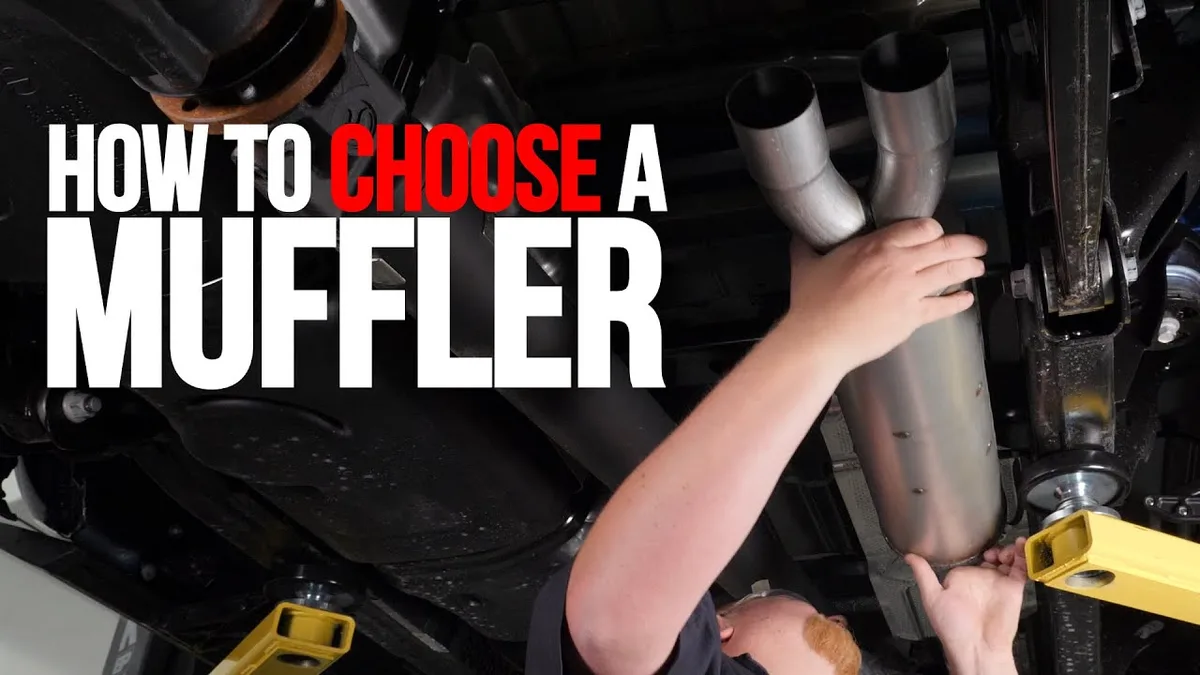
High-flow mufflers and cat-back systems often pass if they’re from reputable brands that certify compliance. Straight pipes or muffler deletes almost always fail because they remove the noise-reduction components entirely.
Muffler Deletes, Straight Pipes, and Other Mods: Legal or Not?
Muffler deletes are illegal in Massachusetts. Removing the muffler violates state law and will cause an instant inspection failure. The same applies to straight-pipe setups that bypass the muffler entirely.
Resonator deletes are a gray area. Some vehicles pass with a resonator delete if the muffler remains intact and noise stays under 92 dB. However, many inspection stations will flag this modification as non-compliant.
What Happens If Your Exhaust Is Too Loud?
If your car fails the noise test during inspection, you’ll receive a rejection sticker. You’ll need to repair or replace the exhaust system to meet the 92 dB limit before retesting.
Driving with an excessively loud exhaust can also lead to a traffic stop. Police can issue fines for noise violations, which typically start at $100 and increase for repeat offenses.
How to Check If Your Car Will Pass Inspection
The best way to check is to visit a licensed inspection station for a pre-test. Many stations will perform a noise check for a small fee before the official inspection.
You can also estimate your exhaust noise level using a decibel meter app on your phone. While not as accurate as professional equipment, it can give you a rough idea of whether you’re close to the 92 dB limit.
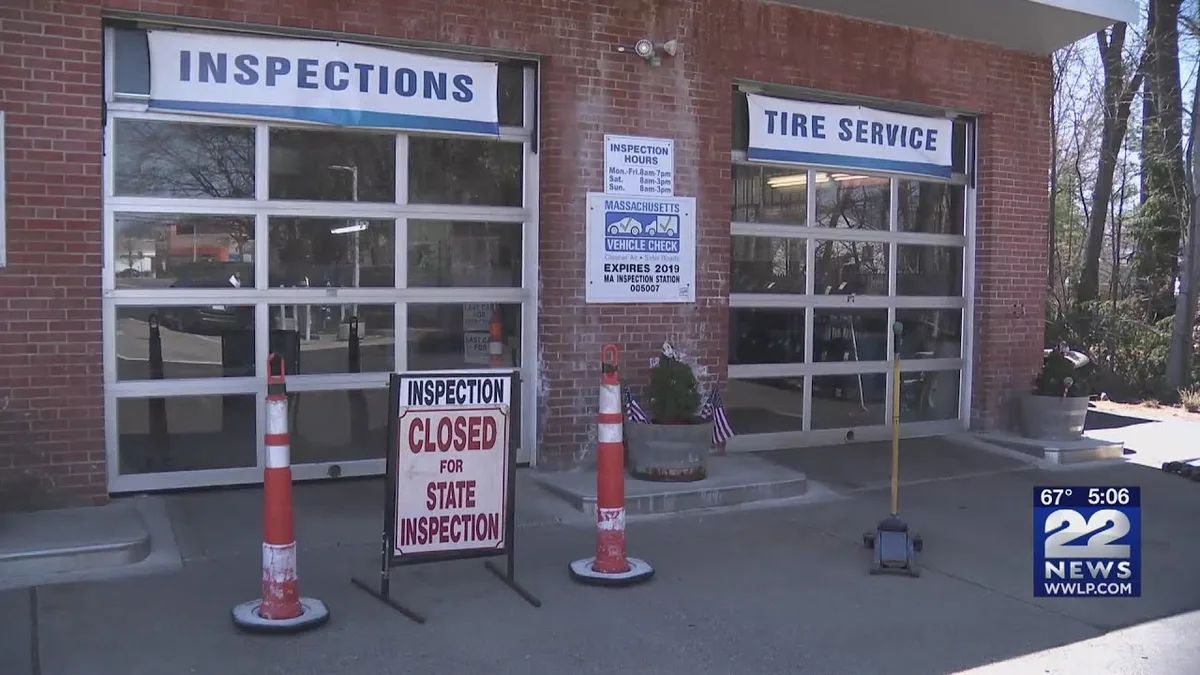
If you’ve recently modified your exhaust, bring receipts or documentation showing the parts are compliant. Some aftermarket manufacturers provide sound test results that can help during inspection.
Common Mistakes That Get Drivers Fined
One of the most common mistakes is assuming that a "high-performance" exhaust automatically meets legal standards. Many aftermarket systems exceed the 92 dB limit, especially when combined with other modifications.
Another frequent issue is ignoring rust or damage to the exhaust system. Holes or leaks can make your car louder than intended, leading to a failed inspection.
Drivers also get fined for removing emissions components like catalytic converters. This is illegal under both state and federal law, and it will result in an immediate inspection failure.
Out-of-State Cars and Massachusetts Noise Laws
Out-of-state vehicles must comply with Massachusetts noise regulations when driven in the state. If your car passes inspection in another state but exceeds 92 dB, it can still fail a Massachusetts inspection.
Temporary visitors typically don’t need to modify their vehicles. However, if you become a Massachusetts resident, your car must meet state standards within a set period after registration.
Expert Tips to Stay Legal Without Sacrificing Sound
Choose aftermarket exhausts labeled as "50-state legal" or "CARB compliant." These are designed to meet noise and emissions standards, including Massachusetts requirements.
Consider a dyno-tuned exhaust system. Some performance shops can adjust the setup to maximize sound quality while staying under 92 dB. Always verify with a decibel test before finalizing modifications.
Frequently Asked Questions
Is a muffler delete legal in Massachusetts?
No. Removing the muffler violates state law and will cause an automatic inspection failure. The muffler is a required component for noise reduction.
How loud can my exhaust be in MA?
The legal limit is 92 decibels measured by the SAE J1169 test. This applies to most passenger cars during state inspections.
Will my car pass inspection with a loud exhaust?
It depends on the decibel level. If your exhaust exceeds 92 dB during the test, it will fail. Many aftermarket systems are louder than stock setups.
Can I get a ticket for a loud exhaust in Massachusetts?
Yes. Police can issue fines for excessive noise, typically starting at $100. Repeat offenses may result in higher penalties.
What’s the difference between a resonator delete and a muffler delete?
A resonator delete removes a secondary noise-reduction component, while a muffler delete removes the primary muffler. Muffler deletes are always illegal, while resonator deletes may pass if noise stays under 92 dB.
Are straight pipes legal in Massachusetts?
No. Straight pipes bypass the muffler entirely, making them non-compliant with state noise regulations. They will fail inspection.