ByMax Lee
Massachusetts School Bus Stop Law on Divided Highways
You’re driving on a divided highway in Massachusetts when a school bus ahead stops with its red lights flashing. Do you stop or keep going? The Massachusetts school bus stop law for all drivers on divided highways depends on which side of the road you’re on.
Get it wrong, and you risk a fine, or worse, a child’s safety.
In Massachusetts, the law is clear: you must stop for a school bus with flashing red lights unless you’re on the opposite side of a divided highway with a physical barrier. As of 2026, fines start at $250 for violations. Let’s break it down so you never second-guess again.
Quick Answer
The Massachusetts school bus stop law for all drivers on divided highways requires you to stop if you’re on the same side as the bus. If you’re on the opposite side of a divided highway with a physical barrier, you don’t have to stop. Flashing red lights always mean stop.
The fine for passing a stopped school bus is $250.
What Massachusetts’ School Bus Stop Law Actually Means on Divided Highways
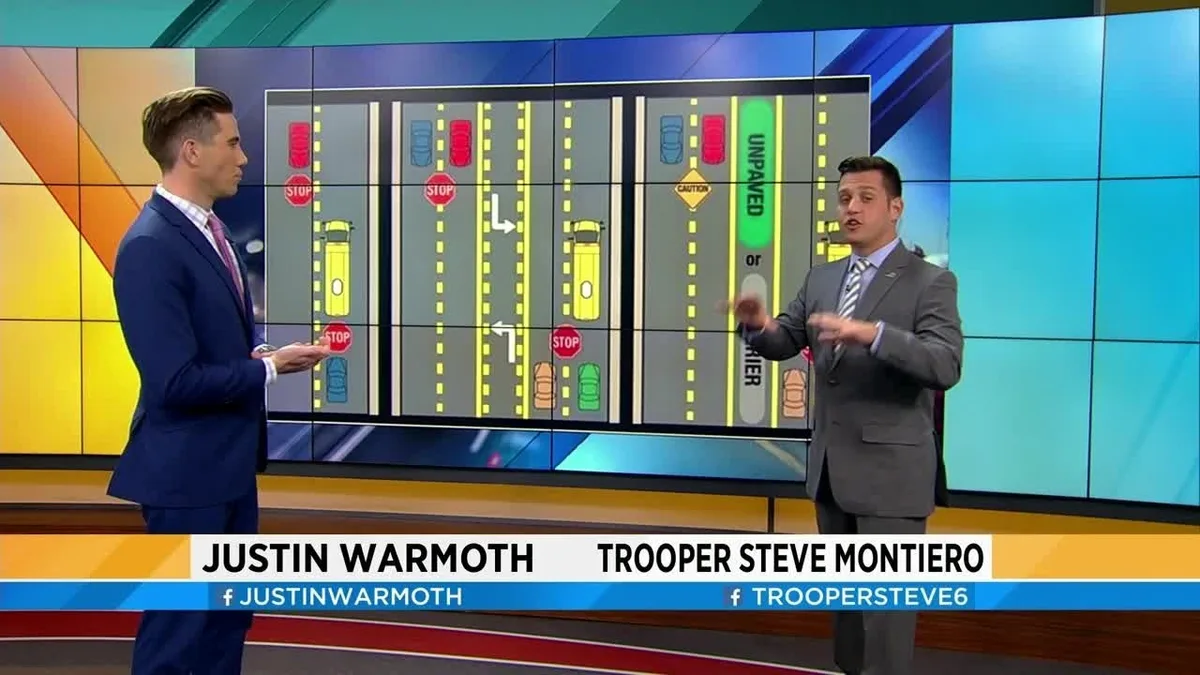
This law exists to protect children boarding or exiting school buses. A divided highway has a physical barrier, like a median, grass strip, or concrete divider, separating traffic moving in opposite directions. On these roads, the rule changes based on your position relative to the bus.
YouTube / WKMG News 6 ClickOrlando (YouTube thumbnail (fair-use with source credit))
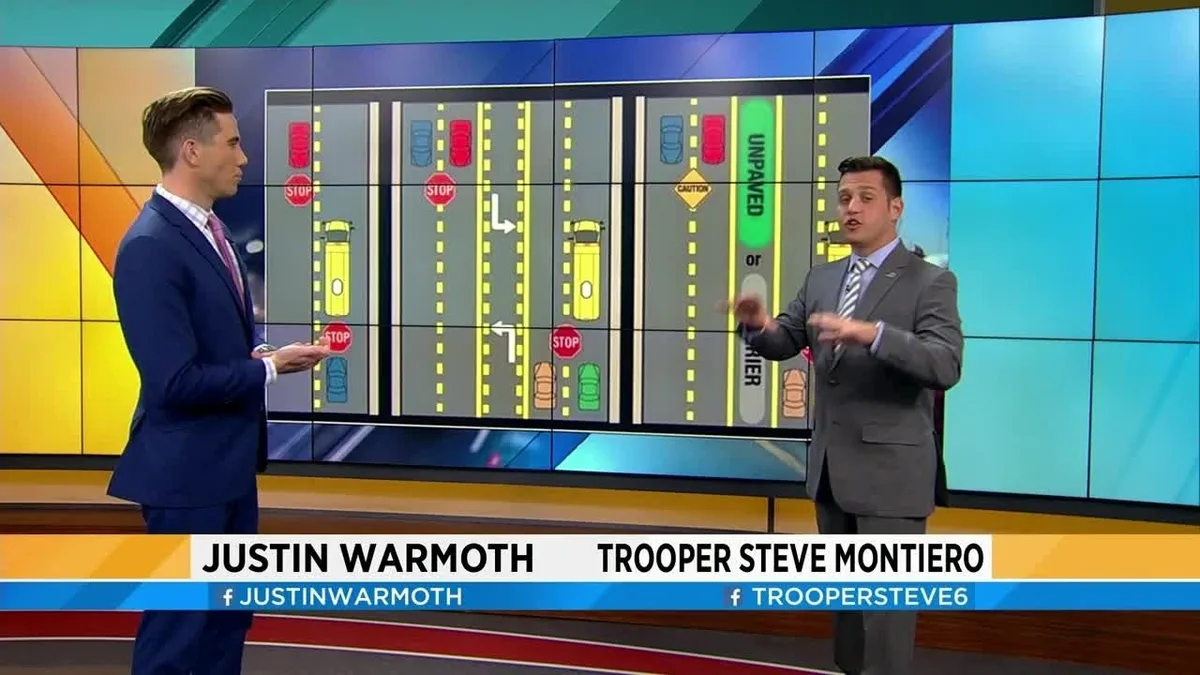
If you’re traveling in the same direction as the bus or on the same side of the divider, you must stop. If you’re on the opposite side of the divider, you can proceed with caution. The key is the physical separation: no barrier means you must stop regardless of direction.
The Exact Law: Massachusetts General Laws, Chapter 90, Section 14
The legal text is straightforward. Per Massachusetts General Laws, drivers must stop for a school bus with flashing red lights unless they’re on the opposite side of a divided highway. The law defines a divided highway as one with a barrier that prevents vehicles from crossing into oncoming traffic.
This statute also covers the use of flashing yellow lights, which signal that the bus is about to stop. Ignoring these signals can result in penalties, as the law treats them as official traffic control devices.
Flashing Lights & Stop Arm: What Each Signal Means
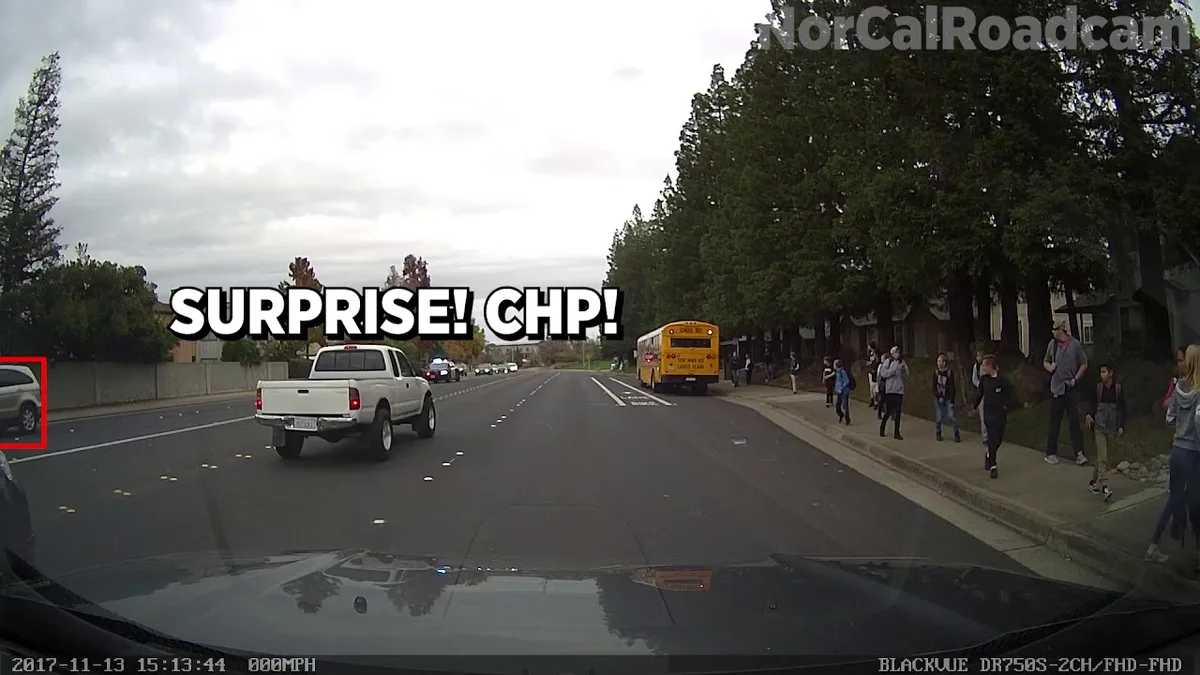
School buses use a universal system of lights and signals to communicate with drivers. Here’s what each one means:
- Flashing Yellow Lights: The bus is preparing to stop. Slow down and be ready to stop.
- Flashing Red Lights + Extended Stop Arm: The bus is stopped to pick up or drop off children. You must stop completely.
- Hazard Lights (Flashing Amber): The bus is loading or unloading in a location where stopping isn’t required, like a school driveway.
YouTube / NorCalRoadcam (YouTube thumbnail (fair-use with source credit))
The stop arm is a mechanical arm that extends from the left side of the bus when it stops. It’s a visual cue that reinforces the flashing red lights. Even if you can’t see the lights clearly, the extended stop arm is your signal to stop.
How Divided Highways Change the Rule
A divided highway is the only scenario where you might not have to stop for a school bus. The physical barrier is what matters, this could be a median, a strip of grass, or a concrete divider.
Openverse / ITB495
Here’s the rule in practice:
- Same Side as the Bus: Stop.
- Opposite Side of a Divided Highway: You can proceed with caution.
- Undivided Highway: Stop no matter which direction you’re traveling.
If you’re unsure whether the highway is divided, err on the side of caution and stop. The safety of children is the priority.
Step-by-Step: What to Do When You See a School Bus
Spot the bus early. If the yellow lights are flashing, slow down and prepare to stop. This is your warning that the bus is about to pick up or drop off children.
When the red lights start flashing and the stop arm extends, come to a complete stop. Stay stopped until the bus turns off its red lights and starts moving again. Never pass a bus with its red lights on, even if you think the coast is clear.
If you’re on the opposite side of a divided highway, you can proceed slowly. But watch for children who might dart across unexpectedly.
When You Don’t Have to Stop (And When You Still Do)
You don’t have to stop if you’re on the opposite side of a divided highway with a physical barrier. That’s the only exception.
YouTube / WKMG News 6 ClickOrlando (YouTube thumbnail (fair-use with source credit))
If the highway has a turn lane or a two-way left turn lane in the center, it’s not considered a divided highway. You must stop in these cases. The same goes for roads with just a painted line or no separation at all.
Some towns may have local ordinances that are stricter than state law. When in doubt, stop.
Penalties for Breaking the Law in Massachusetts
The fine for passing a stopped school bus is $250 for a first offense. Repeat offenses can lead to higher fines and possible license suspension.
If your actions result in injury or death, you could face criminal charges. Civil lawsuits are also possible if you’re found liable for damages.
Massachusetts State Police and local law enforcement actively monitor school bus stops. Cameras on buses can capture license plates of violating vehicles, making it easier to issue citations.
Common Mistakes Drivers Make (And How to Avoid Them)
Many drivers assume they don’t have to stop if they’re going in the opposite direction. That’s only true on divided highways with a physical barrier. On undivided roads, you must stop no matter which way you’re heading.
Another mistake is not stopping far enough back. Massachusetts law requires you to stop at least 25 feet from the bus. This gives children a safe zone to enter or exit the bus.
Some drivers try to pass the bus before it fully stops. This is illegal and dangerous. The flashing yellow lights are your signal to slow down and prepare to stop, not to speed up and pass.
Why This Law Exists: The Safety Risk You Might Not See
Most school bus-related child fatalities happen outside the bus. Children are at risk when crossing the street to board or after exiting. Drivers who pass stopped buses put these children in direct danger.
The flashing lights and stop arm are designed to be unmistakable. They’re bright, visible from a distance, and standardized across the country.
Real-Life Scenarios: Divided vs. Undivided Highway Examples
You’re on Route 9 in Framingham, a divided highway with a grass median. A school bus stops ahead with red lights flashing. Since you’re on the opposite side of the median, you can proceed with caution.
Now imagine you’re on Main Street in Worcester, an undivided two-lane road. The same bus stops with red lights. You must stop no matter which direction you’re traveling.
Some roads have a two-way left turn lane in the center. This doesn’t count as a divided highway. If a bus stops here, you must stop regardless of your direction.
FAQs About Massachusetts School Bus Laws
Do I have to stop for a school bus on a divided highway in Massachusetts?
No, you don’t have to stop if you’re on the opposite side of a divided highway with a physical barrier. If you’re on the same side as the bus or the highway isn’t divided, you must stop.
What’s the fine for passing a stopped school bus in Massachusetts?
The fine is $250 for a first offense. Repeat offenses can lead to higher fines and possible license suspension.
Can I pass a school bus with flashing yellow lights?
No. Flashing yellow lights mean the bus is about to stop. You should slow down and prepare to stop.
How far back do I need to stop from a school bus?
Massachusetts law requires you to stop at least 25 feet from the bus.
Are school bus stop laws the same in all states?
No. Each state has its own laws. Massachusetts requires stopping on undivided highways and the same side of divided highways.
Other states may have different rules.
Final Takeaway: The One Rule to Remember
Stop for a school bus with flashing red lights unless you’re on the opposite side of a divided highway with a physical barrier. That’s the rule in Massachusetts.
When in doubt, stop. It’s the safest choice and the one the law expects you to make.