ByMax Lee
Maine Boat & Trailer Registration Guide & Fees
YouTube / Boat Alert (YouTube thumbnail (fair-use with source credit))
Maine boat and trailer registration requirements and fees can feel confusing, but the rules are straightforward once you know the basics. Whether you're launching a fishing boat on Sebago Lake or towing a trailer to the coast, Maine has clear cutoffs for what needs registering and what doesn’t.
As of 2026, all motorized boats must be registered with the Maine Department of Inland Fisheries & Wildlife, while non-motorized craft under 12 feet are exempt. Trailers have their own weight-based rules, and missing a step can mean fines or delays at the ramp.
Quick Answer
Maine requires registration for all motorized boats and most trailers. Non-motorized boats under 12 feet are exempt. Fees start at $6 for small non-motorized boats and $10 for trailers under 2,000 lbs.
Registrations last 1-2 years.
Do You Need to Register Your Boat or Trailer in Maine?
Yes, if your boat has a motor or your trailer exceeds 3,000 lbs GVWR. The Maine Department of Inland Fisheries & Wildlife handles boat registrations, while the Bureau of Motor Vehicles (BMV) manages trailer registrations.
For boats, the rule is simple: if it’s motorized, it must be registered. Non-motorized boats like canoes, kayaks, and rowboats under 12 feet are exempt. For trailers, registration depends on weight and use.
All trailers used on public roads must be registered, but only those over 3,000 lbs GVWR require a title.
What Boats Must Be Registered in Maine (and Which Are Exempt)
All motorized boats, regardless of size, must be registered in Maine. This includes personal watercraft like jet skis. Non-motorized boats 12 feet or longer also require registration.
YouTube / Boat Alert (YouTube thumbnail (fair-use with source credit))
Exemptions include:
- Non-motorized boats under 12 feet (canoes, kayaks, rowboats)
- Boats registered in another state but used in Maine for less than 60 consecutive days
- Boats documented with the U.S. Coast Guard
If your boat falls into a gray area, check with the Maine IFW. They can confirm whether your specific vessel needs registration based on its type, size, and intended use.
What Trailers Must Be Registered (and When You Need a Title)
In Maine, any trailer used on public roads must be registered with the BMV. This includes boat trailers, utility trailers, and homemade trailers.
Wikimedia Commons / Lav Ulv from Viby J, Denmark (CC BY)
Trailer title requirements:
- Trailers with a gross vehicle weight rating (GVWR) of 3,000 lbs or more require a title.
- Trailers under 3,000 lbs do not need a title but must still be registered.
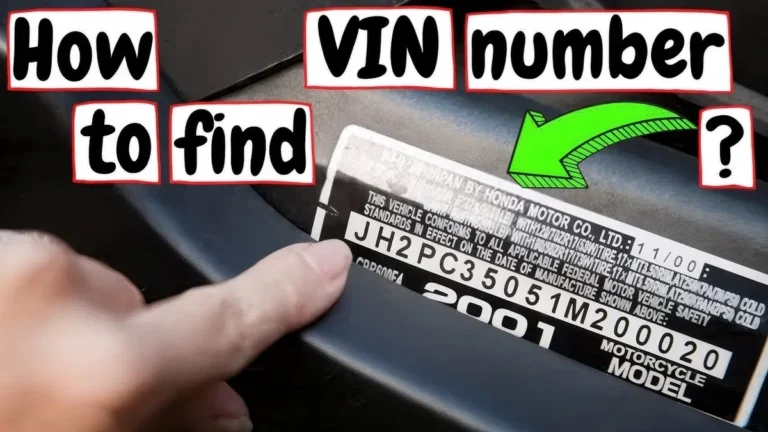
If your trailer doesn’t have a VIN, you’ll need to apply for one through the BMV. Homemade trailers may require an inspection to verify weight and safety compliance before registration.
Step-by-Step: How to Register a Boat in Maine
Registering a boat in Maine is a straightforward process, but you’ll need the right documents and information to avoid delays.
YouTube / Boat Alert (YouTube thumbnail (fair-use with source credit))
Step 1: Gather required documents
- Proof of ownership (title, bill of sale, or manufacturer’s certificate)
- Hull Identification Number (HIN)
- Valid photo ID
Step 2: Complete the application
- Fill out the Maine Boat Registration Application (available online or at BMV offices).
- Provide accurate details about the boat, including make, model, length, and engine specifications.
Step 3: Pay the fee
Boat registration fees in Maine are based on length:
- Under 16 feet: $10
- 16 to 26 feet: $20
- 26 to 40 feet: $30
- Over 40 feet: $50
Step 4: Receive your registration
Once processed, you’ll receive a registration certificate and decals. The decals must be affixed to both sides of the boat’s bow, and the certificate must be on board whenever the boat is in use.
Maine Boat and Trailer Registration Fees (2024)
Boat registration fees in Maine are based on length. Motorized boats under 16 feet cost $10. Boats 16 to 26 feet are $20, and 26 to 40 feet are $30.
Anything over 40 feet runs $50.
Trailer fees depend on gross vehicle weight rating:
- Under 2,000 lbs: $10
- 2,000 to 6,000 lbs: $20 to $40
- Over 6,000 lbs: $40+
Homemade trailers add a $10 inspection fee.
Late fees apply if you miss the renewal deadline. Boats incur a $5 penalty after 30 days. Trailers get a $25 fine after the same period.
How to Renew Your Maine Boat or Trailer Registration
You’ll get a renewal notice by mail before your registration expires. If you don’t, check the expiration date on your current certificate.
Renew online through the Maine BMV portal, by mail, or in person at a BMV office. Have your registration number and payment ready. Fees match the original registration cost.
If your registration lapsed, you’ll pay the renewal fee plus any late penalties. Some offices let you renew up to 6 months early to avoid gaps.
Transferring Ownership: Selling or Buying a Boat/Trailer in Maine
The seller must sign the title or registration over to the buyer. Both parties complete the transfer section on the back of the certificate.
The buyer then submits the signed document to the BMV or IFW within 15 days. A $5 transfer fee applies for boats. Trailers follow the same process but may require a new title if over 3,000 lbs.
If the title is lost, the seller must apply for a duplicate before the transfer. This adds a $5 fee and a few extra days to the process.
Common Mistakes (and How to Avoid Fines or Delays)
Forgetting to register a motorized boat is the most common error. Even small outboards require registration. Non-motorized boats over 12 feet also need it.
Trailer owners often overlook the GVWR threshold. A 3,000 lb trailer needs a title, but many assume registration alone is enough.
Missing the HIN or VIN on your application will delay processing. Double check these numbers before submitting. Incorrect measurements on homemade trailers can trigger inspections.
Homemade Trailers and Special Cases
Homemade trailers must pass a weight inspection before registration. Bring the trailer to a BMV office or authorized station. They’ll verify the GVWR and assign a VIN if needed.
If your trailer lacks a manufacturer’s plate, you’ll need to provide a weight slip from a certified scale. This proves the GVWR for registration purposes.
Non-residents using Maine waters for more than 60 days must register their boats here. Temporary permits are available for shorter stays.
Non-Residents: Temporary Registration for Visitors
Non-residents can use their boat in Maine for up to 60 consecutive days without registering here. After that, you must register with the Maine IFW.
A temporary registration is available for shorter visits. This costs $20 and is valid for 30 days. It’s ideal for vacationers or seasonal anglers.
If you’re towing a trailer, standard Maine registration rules apply. Non-resident trailers must be registered in their home state but don’t need a Maine registration unless staying long-term.
Where to Register: BMV Offices, Online, or by Mail
Boat registrations go through the Maine IFW. You can apply online, by mail, or at select BMV offices that handle boat registrations.
Trailer registrations are handled by the BMV. Visit any BMV office or use their online portal. Mail-in forms are also accepted.
For in-person visits, bring all required documents. Some offices require appointments, so check ahead. Online processing is fastest for renewals.
FAQs About Maine Boat and Trailer Registration
Do I need to register my kayak in Maine?
No, if it’s under 12 feet and non-motorized. Larger non-motorized boats or any with a motor must be registered.
How long does boat registration last in Maine?
Most boat registrations are valid for 1 year. Some larger vessels may have 2-year options.
What happens if I don’t register my boat in Maine?
You’ll face fines starting at $100. Law enforcement can also impound unregistered boats at launch sites.
Can I register my boat online in Maine?
Yes, through the Maine IFW’s online portal. First-time registrations may require in-person verification.
Do I need a title for my boat trailer in Maine?
Only if the trailer’s GVWR is 3,000 lbs or more. All trailers need registration regardless of weight.
Final Checklist: Are You Ready to Register?
Gather your proof of ownership and ID. For boats, locate the HIN. For trailers, confirm the VIN and GVWR.
Check if your vessel or trailer qualifies for exemptions. Non-motorized boats under 12 feet and short-term visitors may be off the hook.
Pay the correct fee based on size and type. Double check the amounts to avoid underpayment or overpayment.
Submit your application through the proper channel. Boats go to IFW, trailers to BMV. Keep copies of all documents for your records.