ByMax Lee
Maine Farm Truck Registration Rules & Restrictions
YouTube / WKBW TV | Buffalo, NY (YouTube thumbnail (fair-use with source credit))
Maine farm truck registration eligibility and restricted usage rules can save you money and headaches if you’re hauling for agricultural work. The state offers special plates for vehicles used primarily for farming, but the rules on where and how you can drive are strict.
Per Maine Bureau of Motor Vehicles guidelines, farm trucks must stay under 26,000 pounds GVWR and are typically restricted to local roads unless exempt. Let’s break down who qualifies and what the limits are.
Quick Answer
Maine farm truck registration eligibility and restricted usage rules apply to vehicles used mainly for agricultural purposes. You must prove farm use to qualify. Restricted plates limit travel to local roads.
Weight limits cap at 26,000 pounds GVWR.
How Maine Defines a Farm Truck
A farm truck in Maine is a vehicle used primarily for agricultural purposes. This includes transporting crops, livestock, feed, or equipment between farms and local markets.
The Maine Bureau of Motor Vehicles classifies these vehicles separately from commercial trucks. To qualify, you’ll need to demonstrate that the truck’s primary use is farm-related, not general hauling or personal transport.
Restricted Usage Rules: Where and How You Can Drive
Farm trucks with restricted plates can’t use interstate highways unless exempt. They’re typically limited to local roads and short distances for agricultural tasks.
Maine also restricts usage to specific purposes like hauling farm products or supplies. Any deviation from these rules can lead to fines or registration revocation.
YouTube / WMTW-TV (YouTube thumbnail (fair-use with source credit))
Weight Limits and Vehicle Classifications
Maine sets a 26,000-pound GVWR cap for farm trucks. Vehicles over this limit usually require commercial registration.
Here’s a quick breakdown of classifications:
| Category | Weight Limit | Usage |
|---|---|---|
| Farm Truck (Restricted) | ≤ 26,000 lbs GVWR | Local agricultural transport |
| Commercial Truck | > 26,000 lbs GVWR | General hauling, interstate |
Exceeding these limits without proper registration can result in penalties.
Step-by-Step: How to Register a Farm Truck in Maine
First, gather proof of farm use, like property deeds or agricultural business documentation. You’ll need this to apply at your local Maine BMV office.
Next, complete the vehicle registration application and pay the required fees. As of 2026, farm plates are cheaper than commercial ones, but exact costs depend on weight and type.
YouTube / Maine Department of the Secretary of State (YouTube thumbnail (fair-use with source credit))
Submit your paperwork in person or by mail. The BMV will review your application and issue farm plates if approved. Keep your registration current, Maine requires renewals, typically annually.
Required Documents and Paperwork
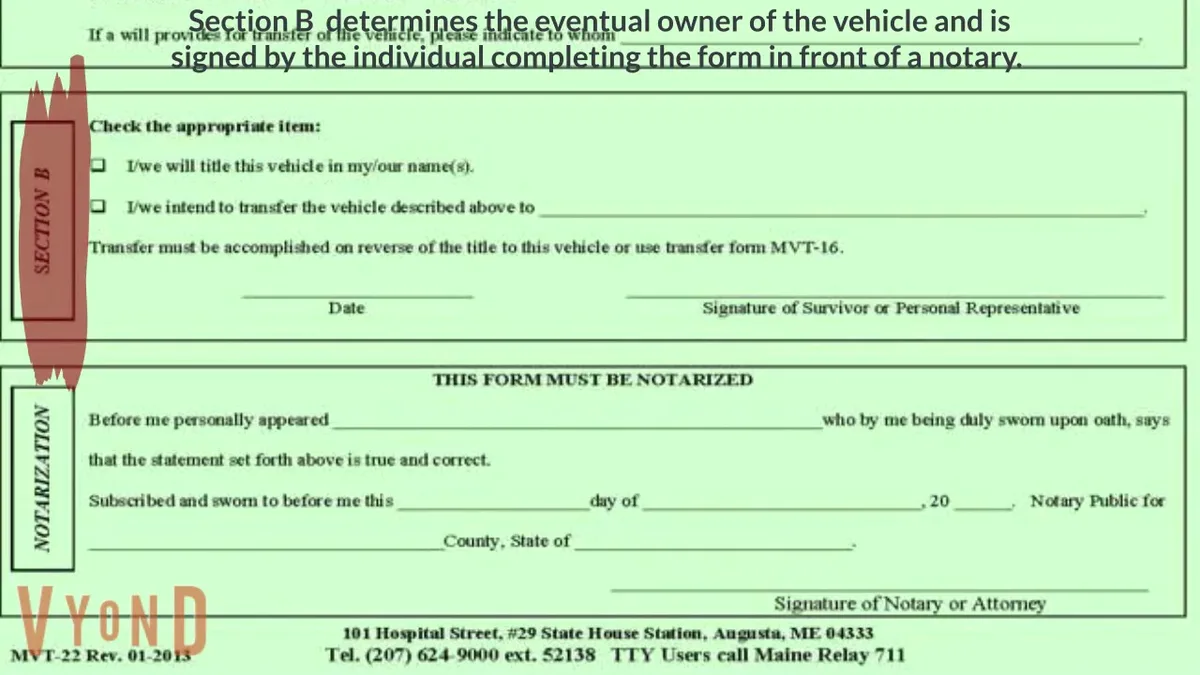
You’ll need proof of ownership like the vehicle title. A completed application form from the Maine BMV is mandatory.
Bring documentation showing farm use, such as a property tax bill for agricultural land or a business license. Without these, the BMV will likely deny your request.
Farm Plates vs. Commercial Plates: Key Differences
Wikimedia Commons / Edward Ardizzone
Farm plates cost less than commercial ones. They also come with usage restrictions that commercial plates don’t have.
Commercial plates allow highway travel and higher weight limits. Farm plates are cheaper but limit you to local roads and agricultural tasks.
Here’s how they compare:
| Feature | Farm Plates | Commercial Plates |
|---|---|---|
| Cost | Lower fees | Higher fees |
| Road Access | Local roads only | All public roads |
| Weight Limit | ≤ 26,000 lbs GVWR | Varies by class |
| Primary Use | Agricultural only | General hauling |
Common Mistakes That Get Applications Rejected
Submitting incomplete paperwork is the top reason for denial. Missing proof of farm use is another common issue.
Using the truck for non-agricultural purposes before approval can disqualify you. Always double-check that your vehicle meets the GVWR limit for farm classification.
Costs and Fees for Farm Truck Registration
Fees vary by weight and vehicle type. As of 2026, farm plates typically range from $20 to $50 for the registration period.
Additional fees may apply for special plates or expedited processing. Check the Maine BMV fee schedule for exact amounts.
Insurance and Legal Requirements
Maine requires liability insurance for all registered vehicles, including farm trucks. Proof of insurance is mandatory at registration.
Farm trucks must also meet state safety inspection standards. Failure to comply can result in fines or registration suspension.
What Happens If You Break the Rules?
Using farm plates for non-agricultural purposes can result in fines. The Maine BMV may also revoke your registration if they find misuse.
Driving on restricted roads without proper classification leads to penalties. Law enforcement can issue citations during routine traffic stops.
Real-Life Scenarios: When Farm Plates Work (and When They Don’t)
Farm plates work well for hauling produce to a local farmers market. They’re ideal for transporting feed between your own properties.
They don’t work for general contracting or landscaping businesses. If you’re hauling materials for non-farm clients, you’ll need commercial registration.
FAQs About Maine Farm Truck Registration
Can I use farm plates for personal errands?
No. Farm plates are strictly for agricultural use. Personal errands require standard registration.
What’s the maximum distance I can travel with farm plates?
Maine typically restricts farm trucks to local areas. Long-distance travel usually requires commercial plates.
Do I need a CDL for a farm truck?
Not usually. Farm trucks under 26,000 lbs GVWR don’t require a CDL. Heavier vehicles may need one.
How often do I need to renew farm truck registration?
Renewal is annual in most cases. Check your registration documents for exact timing.
Can I register a leased truck as a farm vehicle?
Yes, if it’s used primarily for agricultural purposes. You’ll need to provide proof of farm use.
Final Checklist: Are You Ready to Register?
Gather your vehicle title and proof of ownership. Bring documentation showing farm use.
Complete the Maine BMV application form. Pay the required fees based on your vehicle’s weight class.
Double-check that your truck meets the 26,000 lbs GVWR limit. Ensure you understand the restricted usage rules before hitting the road.