Maine annual vehicle registration fee based on vehicle age and type depends on two main factors: your vehicle’s model year and its classification. The state uses a tiered system, so newer cars cost more to register than older ones, and commercial vehicles follow different rules than passenger cars.
As of 2026, the base fee for a standard passenger vehicle starts at $35, but the excise tax, calculated from the manufacturer’s suggested retail price (MSRP) and age, can add hundreds more. Here’s how to figure out what you’ll actually pay.
Quick Answer
Maine annual vehicle registration fee based on vehicle age and type starts at $35 for passenger vehicles. Newer models pay higher excise tax. Fees drop as the vehicle ages.
Commercial and specialty vehicles follow separate rates.
How Maine’s Annual Vehicle Registration Fee Works
Maine doesn’t use a flat rate. Instead, it combines a base registration fee with an annual excise tax. The excise tax is where age and type come into play.
The base fee is straightforward: $35 for most passenger vehicles, $21 for motorcycles, and $10 for trailers under 3,000 lbs. The excise tax is calculated as a percentage of the vehicle’s MSRP, and that percentage shrinks as the car gets older. For example, a brand-new car might be taxed at 2.4% of its MSRP in the first year, while a 10-year-old car could drop to 0.4%.
Municipalities add their own rates on top of the state’s, so your total cost depends on where you live. This means two identical cars registered in different towns can have different fees.
The Fee Breakdown by Vehicle Type
Different vehicle types follow different rules. Here’s how Maine categorizes them:
| Vehicle Type | Base Fee | Excise Tax Notes |
|---|---|---|
| Passenger car | $35 | Based on MSRP and age |
| Motorcycle | $21 | Lower base, same excise tax logic |
| Truck (under 6,000 lbs) | $35 | Same as passenger cars |
| Truck (6,000+ lbs) | Varies | Weight-based, higher excise tax |
| Trailer (under 3,000 lbs) | $10 | No excise tax |
| Trailer (3,000+ lbs) | $25 | Excise tax applies |
| RV/Recreational | Varies | Based on length and type |
| Antique/Collector | $10 | Excise tax exempt after 25 years |
Trucks over 6,000 lbs and commercial vehicles use a weight-based system, which can get expensive quickly. Trailers under 3,000 lbs are the simplest, with a flat $10 fee and no excise tax.
How Vehicle Age Affects Your Registration Cost
The excise tax is where age makes the biggest difference. Maine uses a depreciation schedule to reduce the taxable value of your vehicle each year.
Here’s the standard depreciation rate as of 2026:
| Vehicle Age | % of MSRP Taxed |
|---|---|
| 0–1 years | 100% |
| 2 years | 90% |
| 3 years | 80% |
| 4 years | 70% |
| 5 years | 60% |
| 6–10 years | 50% |
| 11–15 years | 40% |
| 16–20 years | 30% |
| 21–25 years | 20% |
| 26+ years | 0% (antique exempt) |
The tax rate itself is set by your town, but it’s typically around 2.4% for the first few years. So a $30,000 car in its first year might owe $720 in excise tax (2.4% of $30,000). By year 6, that same car would owe $360 (2.4% of 50% of $30,000).
Older vehicles benefit the most. Once a car hits 25 years old, it’s considered an antique in Maine and is exempt from excise tax entirely, though you’ll still pay the $10 antique registration fee.
Maine’s Excise Tax: The Hidden Part of the Fee
The excise tax is often the biggest surprise for new Maine residents. Unlike the registration fee, which goes to the state, the excise tax is a local tax collected by your town or city.
This tax is calculated annually and is due when you register or renew your registration. If you buy a car mid-year, you’ll pay a prorated excise tax for the remaining months. Some towns offer discounts for hybrid or electric vehicles, but this varies.
For example, Maine Revenue Services confirms that certain municipalities reduce the excise tax rate for qualifying clean-energy vehicles. Always check with your local tax assessor’s office for the exact rate.
One common mistake is assuming the excise tax is a one-time fee. It’s not, it’s annual, and you’ll pay it every time you renew your registration.
Step-by-Step: How to Calculate Your Exact Cost
First, find your vehicle’s MSRP. This is usually on the window sticker or your purchase paperwork. If you don’t have it, resources like Kelley Blue Book or Edmunds can provide estimates.
Next, apply the depreciation percentage based on your vehicle’s age. Use the table from the earlier section. Multiply the MSRP by the percentage to get the taxable value.
Then, check your town’s excise tax rate. Most Maine towns use 2.4%, but some vary. Multiply the taxable value by this rate to get your excise tax.
Finally, add the base registration fee for your vehicle type.
Required Documents & Where to Register

You’ll need your vehicle title, proof of insurance, and a completed application form. If the car is new, the dealer usually handles the paperwork. For used cars, bring the previous owner’s title signed over to you.
Maine offers three ways to register: online, by mail, or in person at a BMV office. Online renewal is the fastest, but first-time registrations typically require an in-person visit. Some towns also allow registration at the local tax office.
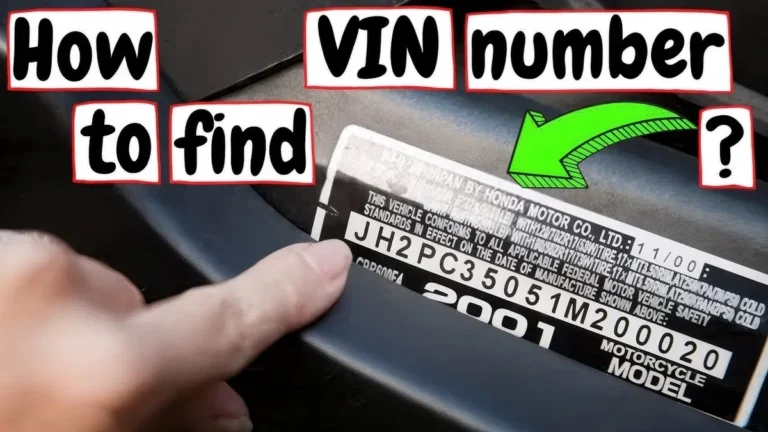
If you’re moving from out of state, you’ll need a VIN verification. This can be done at a BMV office, a law enforcement agency, or some authorized inspection stations.
Common Mistakes That Cost You Extra
Paying late is the most common error. Maine charges a $5 penalty for registrations up to 15 days late, and $25 for anything beyond that. Some towns add their own late fees on top.
Another mistake is ignoring the excise tax bill. Even if you don’t drive much, the tax is due annually. If you don’t pay it, your registration can be suspended.
Some people also forget to update their address. If you move, you have 30 days to notify the BMV. Failing to do so can lead to fines or issues with future registrations.
Town vs. State Fees: What’s the Difference
The state sets the base registration fee, but the excise tax is local. This means your total cost depends on where you live. For example, Portland and Bangor might have different excise tax rates.
The state fee is the same everywhere. Passenger cars pay $35, motorcycles $21, and trailers under 3,000 lbs pay $10. The excise tax, however, is calculated and collected by your town.
This split system can be confusing. You pay the state fee to the BMV, but the excise tax goes to your municipality. Both are required to legally register your vehicle.
Special Cases: Antique, Electric, and Commercial Vehicles
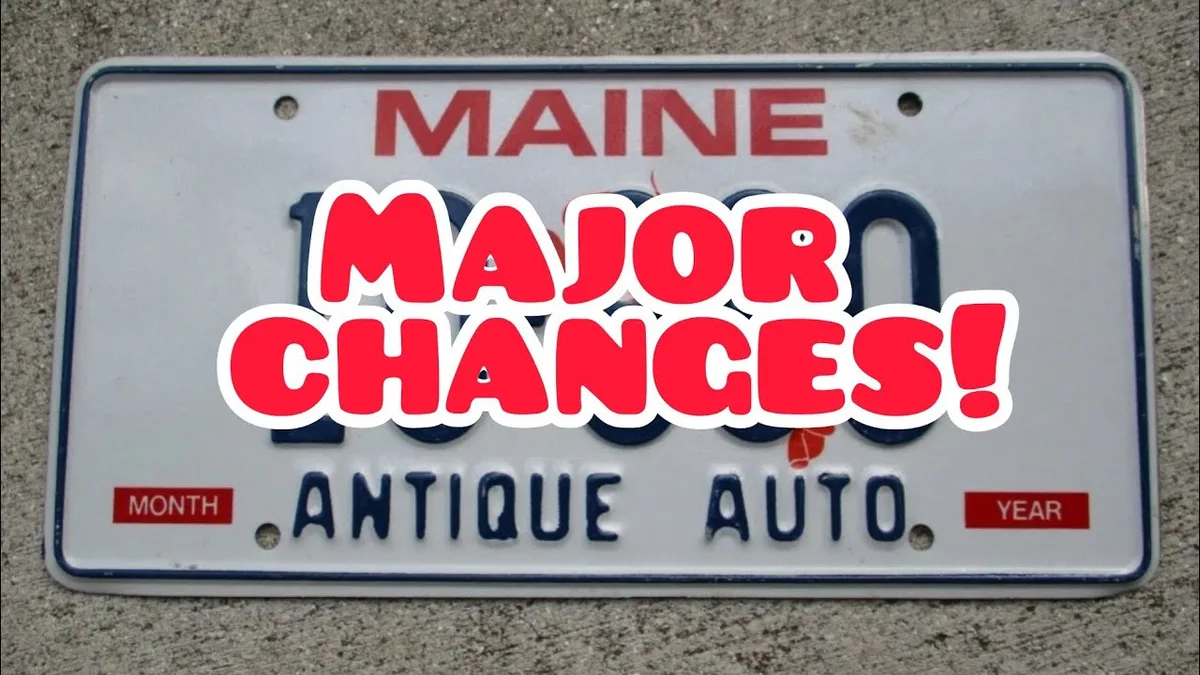
Antique vehicles over 25 years old get a break. They pay a flat $10 registration fee and are exempt from excise tax. However, they can only be driven for parades, shows, or testing, not daily use.
Electric and hybrid vehicles follow the same registration rules as gas-powered cars. Some towns offer excise tax discounts for EVs, but this isn’t statewide. Check with your local assessor’s office.
Commercial vehicles have their own rules. Trucks over 6,000 lbs pay fees based on weight. The heavier the truck, the higher the fee.
Commercial trailers also follow weight-based pricing.
How to Pay & Renew (Online, In-Person, by Mail)
Online renewal is the easiest option if you have your PIN from the BMV. Log in to the Maine BMV portal, enter your details, and pay with a credit card. You’ll get a temporary registration to print immediately.
In-person registration is required for first-time registrations or if you don’t have your PIN. Bring your documents to any BMV branch. Some towns also process registrations at the local tax office.
Mail-in registration works if you prefer paper. Send your application, proof of insurance, and payment to the BMV address listed on their website. Processing takes about 10 business days.
Late Fees & Penalties to Avoid
Maine charges a $5 late fee for registrations up to 15 days overdue. After 15 days, the penalty jumps to $25. Some towns add their own late fees, so the total can be higher.
If you don’t pay your excise tax, your registration can be suspended. Driving with a suspended registration can lead to fines or even vehicle impoundment.
The BMV sends renewal notices, but it’s your responsibility to register on time. If you don’t receive a notice, check your registration expiration date online or call the BMV.
FAQs About Maine Vehicle Registration Fees
How do I find my vehicle’s MSRP?
Check your original purchase paperwork or the window sticker. If you don’t have it, use a pricing guide like Kelley Blue Book or Edmunds. The BMV may also have it on file.
Can I register a car without insurance in Maine?
No. Proof of insurance is required to register any vehicle in Maine. You’ll need to show an active policy that meets the state’s minimum coverage requirements.
What happens if I don’t pay the excise tax?
Your registration will be suspended. You won’t be able to renew your plates until the tax is paid, and you may face additional penalties.
Do I need a VIN inspection for a used car?
Yes, if the car was previously registered out of state. Maine requires a VIN verification for all out-of-state vehicles before registration.
Are there any discounts for electric vehicles?
Some towns offer excise tax discounts for EVs, but this isn’t statewide. Check with your local tax assessor’s office for details.
Final Checklist Before You Register
Gather your title, proof of insurance, and payment method. If you’re new to Maine, bring your out-of-state registration and a VIN verification form.
Double-check your vehicle’s MSRP and age to estimate the excise tax. Use the depreciation table from earlier to calculate your taxable value.
Confirm your town’s excise tax rate. This can vary, so a quick call to the tax assessor’s office can save you from surprises.
Submit your registration on time to avoid late fees. Set a reminder for your renewal date if you’re prone to forgetting.
Gather your title, proof of insurance, and payment method. If you’re new to Maine, bring your out-of-state registration and a VIN verification form.
Double-check your vehicle’s MSRP and age to estimate the excise tax. Use the depreciation table from earlier to calculate your taxable value.
Confirm your town’s excise tax rate. This can vary, so a quick call to the tax assessor’s office can save you from surprises.
Submit your registration on time to avoid late fees. Set a reminder for your renewal date if you’re prone to forgetting.