Maryland farm truck registration eligibility and restricted usage rules can be confusing, especially when you're trying to figure out if your vehicle qualifies. The state has specific criteria for what counts as a farm truck, and the restrictions on where and how you can use it are just as important.
As of 2026, Maryland requires farm trucks to meet weight limits and usage rules that differ from commercial vehicles. If you're hauling agricultural products or equipment, knowing these rules upfront saves you from costly fines or registration denials.
Quick Answer
Maryland farm truck registration eligibility and restricted usage rules apply to vehicles used primarily for agricultural purposes. You must own or lease farmland to qualify. The vehicle’s GVWR must stay under 26,000 lbs for most exemptions.
Restricted farm plates limit travel to local roads unless hauling farm products.
Do You Qualify for Maryland Farm Truck Registration?
You’re eligible if your truck is used exclusively for farming activities on land you own or lease. This includes transporting crops, livestock, feed, or equipment between fields, storage, and local markets.
The Maryland Motor Vehicle Administration defines farm vehicles as those not used for hire or general commercial hauling. If you’re using the truck for non-farm business, you’ll need commercial plates instead.
How Maryland Defines a “Farm Truck”
A farm truck in Maryland must be:
- Owned or leased by a farmer or agricultural business
- Used primarily for farming purposes
- Operated within a 150-mile radius of the farm for most restricted plates
The MVA also recognizes seasonal use. If your truck only hits the road during planting or harvest, you may still qualify. Vehicles over 26,000 lbs GVWR often face stricter rules, even for farm use.
Weight Limits, Distance Rules, and Other Hard Cutoffs
Maryland sets clear thresholds for farm truck eligibility.
| Rule | Limit |
|---|---|
| GVWR for most exemptions | Under 26,000 lbs |
| Travel radius | 150 miles from farm (restricted plates) |
| Maximum width | 102 inches (without special permits) |
| Speed on highways | Must comply with posted limits |
Vehicles over 26,000 lbs may still qualify but often require additional permits or inspections. If you’re hauling heavy loads like grain or livestock, check the Maryland Department of Agriculture for exemptions.
Step-by-Step: How to Register a Farm Truck in Maryland
Start by gathering proof of farm ownership or lease. You’ll need this for the MVA application.
Next, complete the Application for Farm Vehicle Registration (Form VR-005). This form asks for details like your farm’s location, vehicle specs, and intended use. If your truck exceeds standard weight limits, you may need a weight certification.
Submit the form in person at an MVA office or by mail. Fees vary by weight class, but farm plates are typically cheaper than commercial ones. Processing usually takes 1-2 weeks.

What You Can (and Can’t) Do with Farm Plates
Farm plates allow travel on public roads but with strict limits. You can haul farm products, equipment, and supplies between your property and local markets.
You cannot use farm plates for general commercial hauling, passenger transport, or non-farm business. Violations can lead to fines and registration suspension.
Restricted farm plates often limit you to local roads. Highway use is typically allowed only when transporting farm products directly to market or processing facilities.
Farm Trucks vs. Commercial Plates: When to Choose Which
Farm plates are cheaper and have fewer requirements. They’re best for vehicles used exclusively for agricultural work on or near your farm.
Commercial plates are necessary if you’re hauling for hire, transporting non-farm goods, or operating beyond the 150-mile radius. They also apply to vehicles over 26,000 lbs GVWR without farm exemptions.
If your truck serves dual purposes, commercial registration is the safer choice. Mixing farm and non-farm use on farm plates risks legal trouble.
Common Mistakes That Get Applications Rejected
Submitting incomplete paperwork is the top reason for denials. Missing proof of farm ownership or lease agreements will stall your application.
Exceeding weight limits without proper permits is another common issue. Even farm vehicles must comply with Maryland’s GVWR rules.
Using farm plates for non-agricultural purposes will get you flagged. The MVA cross-checks usage, and misuse can lead to revoked registration.
Costs, Fees, and Renewal Rules
Farm truck registration fees in Maryland are lower than commercial rates. As of 2026, fees start around $20 for lighter vehicles and scale up by weight class.
Renewal is typically annual or biennial, depending on the plate type. The MVA sends reminders, but it’s your responsibility to renew on time.
Late fees apply if you miss the deadline. Operating with expired farm plates can result in fines and temporary loss of registration privileges.
Safety and Legal Requirements You Can’t Skip
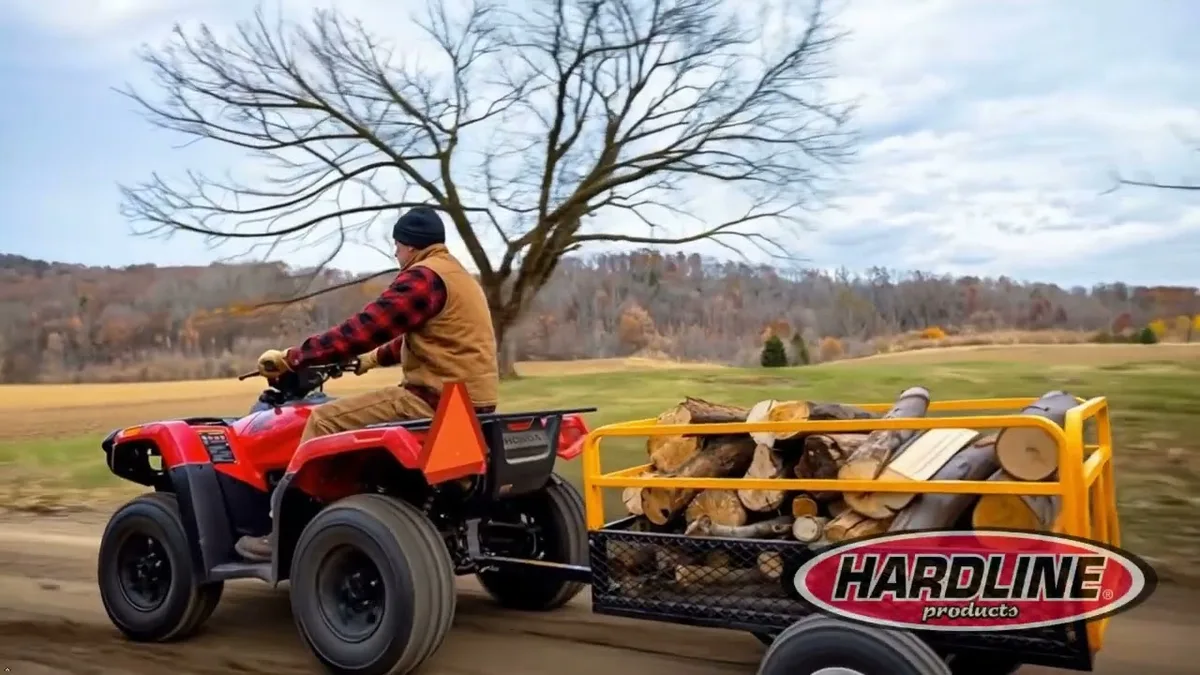
All farm vehicles must display a slow-moving vehicle (SMV) emblem if traveling under 25 mph. This is a Maryland law, not just a recommendation.
Lighting and reflectors are mandatory for nighttime operation. Farm trucks must meet the same visibility standards as other vehicles on public roads.
You must also comply with load securement rules. Unsecured farm equipment or products can lead to accidents and legal liability.
County-Specific Quirks and Local Enforcement
Some Maryland counties add their own rules for farm vehicles. Eastern Shore counties often have more lenient enforcement for agricultural transport.
Western Maryland may have stricter weight limits on rural roads. Always check with your local MVA office for county-specific requirements.
Enforcement varies by region. State police and local sheriffs may interpret farm vehicle rules differently, especially near urban areas.
FAQs About Maryland Farm Truck Registration
Do I need a CDL to drive a farm truck in Maryland?
No, a CDL isn’t required for most farm vehicles under 26,000 lbs GVWR. This exemption applies when the truck is used exclusively for agricultural purposes.
The rule changes for vehicles over 26,000 lbs or those transporting hazardous materials. In those cases, a CDL may be mandatory regardless of farm use.
Can I use farm plates for personal errands?
No, farm plates are strictly for agricultural use. Using them for personal errands or non-farm business violates Maryland law.
If you’re caught misusing farm plates, you could face fines and lose your registration privileges.
What’s the maximum distance I can travel with farm plates?
Most restricted farm plates limit travel to 150 miles from your farm. This applies to hauling farm products, equipment, or supplies.
For longer trips, you may need commercial registration or special permits.
How do I transfer farm plates to a new truck?
Submit a new application to the MVA with the vehicle details. You’ll need to provide proof of ownership and farm use for the new truck.
Fees may apply for the transfer. The process is similar to initial registration but often faster.
Are there weight exemptions for farm vehicles?
Yes, Maryland offers some weight exemptions for farm vehicles. These typically apply to trucks hauling agricultural products directly to market.
Exemptions don’t apply to all situations. Overweight vehicles may still need special permits for certain roads.
Final Checklist: Are You Ready to Register?
Confirm your truck meets the farm use definition. You must own or lease farmland and use the vehicle primarily for agricultural purposes.
Gather all required documents. This includes proof of farm ownership, vehicle details, and completed MVA forms.
Check weight and distance limits. Ensure your truck complies with Maryland’s GVWR and travel radius rules for farm plates.
Review safety requirements. Your vehicle must have proper lighting, reflectors, and an SMV emblem if traveling under 25 mph.
Confirm your truck meets the farm use definition. You must own or lease farmland and use the vehicle primarily for agricultural purposes.
Gather all required documents. This includes proof of farm ownership, vehicle details, and completed MVA forms.
Check weight and distance limits. Ensure your truck complies with Maryland’s GVWR and travel radius rules for farm plates.
Review safety requirements. Your vehicle must have proper lighting, reflectors, and an SMV emblem if traveling under 25 mph.