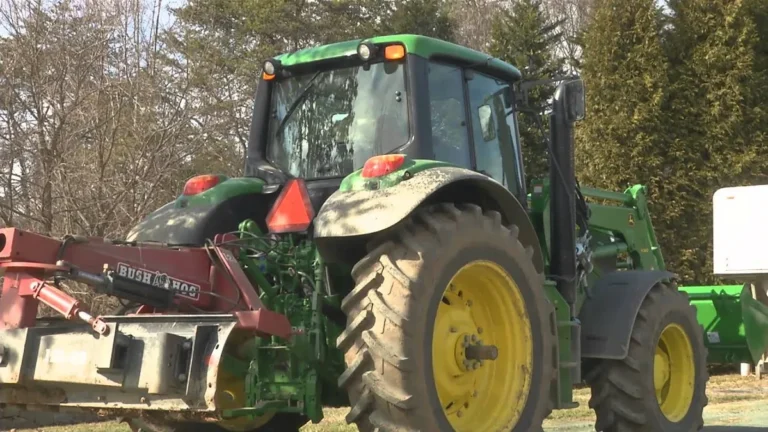
Maryland farm tractor road use laws and flashing light requirements exist to keep everyone safe when agricultural vehicles share public roads. These rules prevent accidents and avoidable fines for farmers moving equipment between fields.
As of 2026, Maryland follows the Slow-Moving Vehicle (SMV) standard, which means any tractor traveling under 25 mph must display an SMV emblem and proper lighting. The specifics get even more detailed from there.
Quick Answer
Maryland requires farm tractors on public roads to have amber flashing lights and an SMV emblem. Daytime travel under 25 mph needs the emblem. Nighttime adds headlights, taillights, and turn signals.
Speed limits often cap at 25 mph for agricultural vehicles.
Maryland’s Core Rules for Farm Tractors on Public Roads
Maryland treats farm tractors as agricultural vehicles under Title 22 of the Transportation Code. This classification comes with special road use rules that don’t apply to regular passenger vehicles.
The state requires all agricultural vehicles to follow general traffic laws while adding provisions for slow-moving equipment. For example, tractors must yield to faster traffic when possible and avoid highways where they can’t maintain minimum speed limits. The Maryland Department of Transportation provides the full legal text.
When Does a Tractor Count as a “Slow-Moving Vehicle”?
A tractor qualifies as a slow-moving vehicle in Maryland when it travels at 25 mph or slower. This threshold triggers the SMV emblem requirement, regardless of the time of day.
The SMV standard comes from the American Society of Agricultural and Biological Engineers (ASABE), which Maryland adopts. Any vehicle designed for off-road agricultural use that can’t maintain normal traffic speeds falls under this category.
Flashing Amber Light Requirements (Day vs. Night)
Daytime operation requires at least one amber flashing light visible from the front and rear. This is separate from the SMV emblem, which is always mandatory for slow-moving vehicles.
At night, the requirements expand. Maryland mandates:
- Two white headlights visible from 1,000 feet
- Two red taillights visible from 1,000 feet
- Amber turn signals if the tractor was manufactured after 1971
- Reflectors on both sides and the rear
The flashing amber light must continue operating at night, working alongside the other lighting.
SMV Emblem Rules: What’s Mandatory in Maryland
The Slow-Moving Vehicle emblem must be mounted on the rear of the tractor. It needs to be visible from at least 500 feet away in daylight, with the reflective orange triangle pointing upward.
This is a legal requirement for any vehicle traveling under 25 mph on public roads. The emblem must be clean and unobstructed at all times. Maryland follows the national SMV standard to reduce rear-end collisions with slow agricultural equipment.
Speed Limits and Road Restrictions for Farm Tractors
Maryland caps farm tractor speeds at 25 mph on most public roads. Some highways prohibit agricultural vehicles entirely if they can’t maintain minimum speed requirements.
County roads and rural routes are typically more accommodating. Always check for posted restrictions, as local ordinances may set lower speed limits or prohibit tractors on certain roads.
Permits: When You Need One (and When You Don’t)
No permit is required for standard farm tractors under typical dimensions. Maryland considers most agricultural equipment exempt if it stays within width, height, and weight limits.
You’ll need a permit if your tractor or attached equipment exceeds:
- 12 feet in width
- 13.5 feet in height
- 80,000 pounds gross weight
The Maryland Department of Transportation handles these applications. Seasonal permits are available for frequent agricultural moves.
Lighting and Visibility: Headlights, Taillights, and Turn Signals
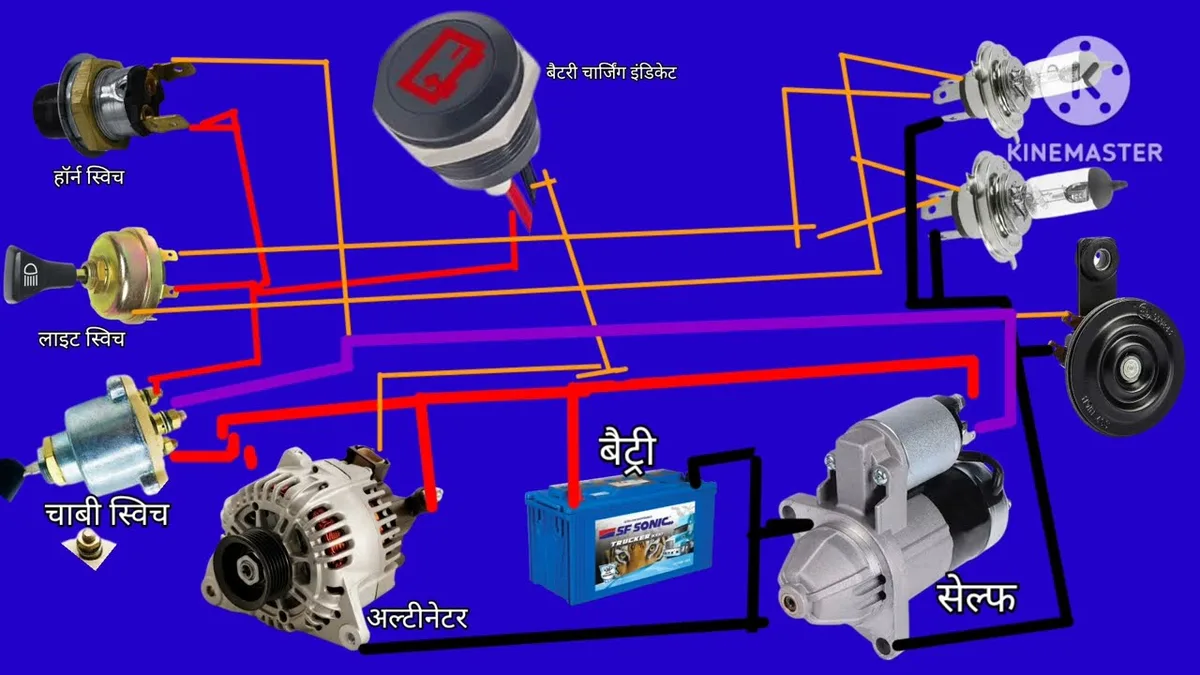
All tractors must have working headlights and taillights when operating at night. The headlights must be white and visible from 1,000 feet, while taillights must be red and equally visible.
Turn signals are required if the tractor was manufactured after 1971. Older models are exempt but still benefit from added visibility. Amber flashing lights must be visible from both front and rear during all operating hours.
Common Mistakes That Get Farmers Fined
The most frequent violation is missing or obscured SMV emblems. A dirty or damaged triangle can lead to a citation just as easily as no emblem at all.
Many operators forget to activate their amber flashing lights during daytime operation. Others assume farm plates exempt them from standard lighting requirements at night. Maryland State Police regularly patrol agricultural areas during harvest season.
Rural vs. Highway Use: Different Rules for Different Roads
Rural roads generally allow farm tractors with standard lighting and SMV emblems. These routes expect slower agricultural traffic, especially during planting and harvest seasons.
Highways present more restrictions. Many interstates and limited-access roads prohibit tractors entirely. Even where allowed, you may need to use designated agricultural crossings or obtain special permits for highway travel.
What Happens If You’re Pulled Over?
You’ll face a citation if your tractor lacks required lighting or the SMV emblem. Maryland State Police can issue fines for each missing or non-compliant element.
The penalties increase for repeat offenses or if the violation contributes to an accident. Courts may require proof of correction before dismissing the citation.
Quick Compliance Checklist Before Hitting the Road
Verify your SMV emblem is clean, mounted correctly, and visible from 500 feet. Check that all amber flashing lights are operational during both day and night.
Test headlights, taillights, and turn signals before each road use. Confirm your speed won’t exceed 25 mph and that your route avoids prohibited highways.
Verify your SMV emblem is clean, mounted correctly, and visible from 500 feet. Check that all amber flashing lights are operational during both day and night.
Test headlights, taillights, and turn signals before each road use. Confirm your speed won’t exceed 25 mph and that your route avoids prohibited highways.
Where to Find the Official Maryland Laws
The Maryland Department of Transportation publishes the full vehicle code online. Title 22 covers agricultural vehicles and their road use requirements.
Local Maryland State Highway Administration offices can provide printed copies of relevant sections. The MDOT website is the most current source for any updates.
Frequently Asked Questions
Do I need a driver’s license to operate a farm tractor on Maryland roads?
Yes, you need a valid driver’s license to operate any vehicle on public roads, including farm tractors. The license class depends on the tractor’s weight and any attached equipment.
Can I drive my tractor on the interstate in Maryland?
No, farm tractors are generally prohibited from interstate highways in Maryland. They’re also restricted from other limited-access roads where minimum speed limits apply.
What’s the fine for missing an SMV emblem in Maryland?
The fine for a missing or improper SMV emblem is typically around $80. The exact amount can vary by jurisdiction and may increase for repeat violations.
Do I need turn signals on my tractor in Maryland?
Turn signals are required if your tractor was manufactured after 1971. Older models are exempt but should still use hand signals when turning.
Can I use my tractor’s work lights instead of standard headlights?
No, work lights don’t meet Maryland’s headlight requirements. You need dedicated white headlights visible from 1,000 feet. Work lights can supplement but not replace standard lighting.