ByMax Lee
Maryland Move Over Law: Rules for Emergency Vehicles
YouTube / Gunner Johnson (YouTube thumbnail (fair-use with source credit))
Maryland’s Move Over Law exists to protect first responders and roadside workers, yet many drivers still don’t know the rules. The Maryland move over law for emergency vehicles on roadside requires you to change lanes or slow down when approaching stopped emergency vehicles with flashing lights. This isn’t just courtesy, it’s the law, and ignoring it puts lives at risk.
As of 2026, violations can cost up to $500, and the law applies to police, fire, EMS, tow trucks, and highway maintenance vehicles. Let’s break down exactly what you need to do to stay safe and compliant.
Quick Answer
The Maryland move over law for emergency vehicles on roadside mandates changing lanes away from stopped emergency vehicles. If you can’t move over, slow down to a safe speed. It applies to vehicles with flashing red, blue, or amber lights.
Fines reach $500 for violations.
Why This Law Exists and Who It Protects
This law saves lives. The National Highway Traffic Safety Administration reports that traffic incidents are a leading cause of death for on-duty police officers.
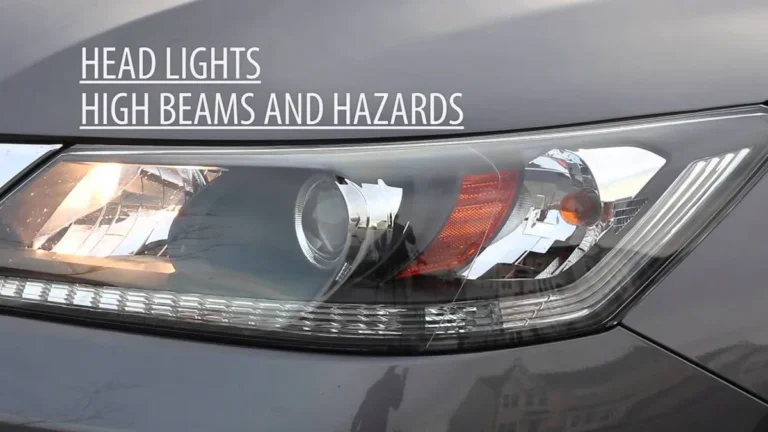
The law covers anyone working on the roadside, including police, firefighters, EMTs, tow truck drivers, and highway maintenance crews. Their vehicles display flashing lights, red and blue for emergency services, amber for tow trucks and maintenance, to signal danger ahead.
The Exact Rules: When and How to Move Over
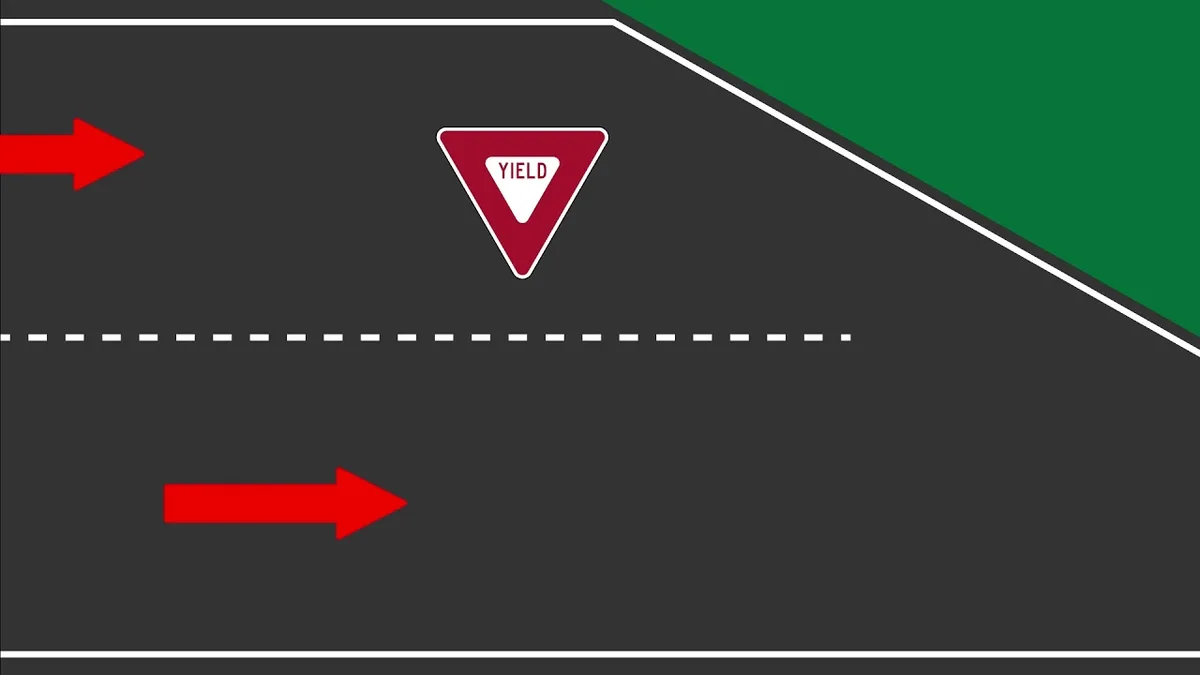
When you see a stopped emergency vehicle with flashing lights, you must move over to a non-adjacent lane if it’s safe to do so. On a multi-lane road, this means switching to the far lane away from the vehicle.
If traffic or road conditions prevent a lane change, you must slow down to a reasonable speed below the posted limit. The key is giving the emergency vehicle as much space as possible.
YouTube / Schaumburg Auto Body (YouTube thumbnail (fair-use with source credit))
This rule applies on all public roads in Maryland, including highways, interstates, and local streets. It doesn’t matter if the emergency vehicle is parked or moving slowly, if the lights are flashing, you must react.
What Counts as an Emergency Vehicle Under Maryland Law
The law applies to any vehicle with flashing lights performing official duties. This includes:
- Police cars (red and blue lights)
- Fire trucks (red lights)
- Ambulances (red and white or red and blue lights)
- Tow trucks (amber lights)
- Highway maintenance vehicles (amber lights)
YouTube / Funny Toys House (Devanshh) (YouTube thumbnail (fair-use with source credit))
Private vehicles with emergency lights, like volunteer firefighters responding to a call, are also covered. The flashing lights are your signal to move over or slow down.
What to Do If You Can’t Safely Change Lanes
If traffic is heavy and you can’t move over, slow down significantly below the speed limit. The goal is to create a buffer zone between your vehicle and the emergency vehicle.
On a two-lane road where moving over isn’t possible, reduce your speed and proceed with caution. Always check your mirrors and blind spots before changing lanes or slowing down.
Never speed up or maintain your speed when passing an emergency vehicle. This is both illegal and dangerous. If you’re unsure whether you can move over safely, err on the side of slowing down.
The Penalties for Breaking the Move Over Law
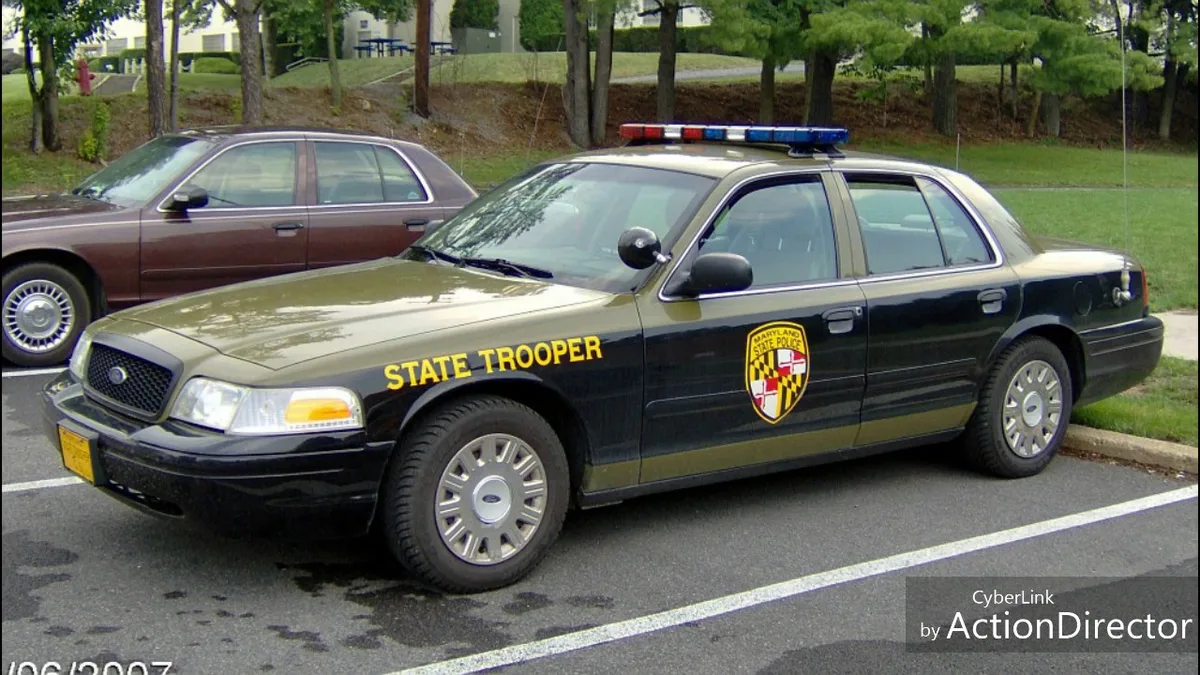
Violating Maryland’s Move Over Law is a primary offense. Police can pull you over and issue a citation even if no other traffic violation occurred.
YouTube / ZEPHRA (YouTube thumbnail (fair-use with source credit))
The fine is up to $500. Points may also be added to your driving record, which can increase insurance premiums. These penalties exist to reinforce the seriousness of protecting roadside workers.
Common Mistakes Drivers Make (And How to Avoid Them)
Many drivers assume the law only applies to police cars. It covers all vehicles with flashing lights, including tow trucks and maintenance vehicles.
Another mistake is slowing down without moving over when possible. The law prioritizes changing lanes first, slowing down second. Always check for safe lane changes before deciding to just reduce speed.
Some drivers fail to react in time because they’re distracted. Stay alert, especially in areas with heavy emergency vehicle activity like construction zones.
Real-Life Scenarios: How the Law Applies on the Road
On a four-lane highway, you must move to the far lane from a stopped police car. If you’re in the lane next to the emergency vehicle, change to the lane furthest away.
On a two-lane road, you can’t move over. Slow down significantly and pass with caution. The law still requires you to create as much space as possible.
In heavy traffic, you may not be able to change lanes immediately. Begin slowing down as soon as you see the flashing lights, then move over when it’s safe.
Maryland vs. Other States: How Move Over Laws Compare
Most states have similar laws, but the details vary. Maryland’s law is stricter than some, with higher fines and broader coverage of vehicle types.
Some states only require slowing down, while Maryland mandates moving over when possible. Others may have lower fines or different definitions of emergency vehicles.
Always check the specific laws when driving in a new state. What’s legal in one place might not be in another.
Expert Tips for Staying Safe and Compliant
Scan the road ahead for flashing lights. The sooner you spot an emergency vehicle, the more time you have to react safely.
Use your turn signal when changing lanes. This alerts other drivers to your intentions and helps prevent accidents.
If you’re unsure whether a vehicle qualifies, treat it as an emergency vehicle. It’s better to be cautious than to risk a violation or worse, an accident.
Frequently Asked Questions
Does the move over law apply to parked emergency vehicles?
Yes. The law applies whether the vehicle is moving slowly or stopped with flashing lights. You must still move over or slow down.
What if there’s no room to change lanes?
Slow down to a safe speed below the limit. The law requires you to create space, even if you can’t change lanes.
Are tow trucks included in Maryland’s move over law?
Yes. Tow trucks with amber flashing lights are covered. Treat them the same as police or fire vehicles.
Can you get a ticket for not moving over in Maryland?
Yes. Police can issue citations for violations. The fine is up to $500.
Does the law apply on highways only?
No. It applies on all public roads in Maryland, including local streets and interstates.
What should you do if an emergency vehicle is moving in traffic?
Move over if safe. If not, slow down and give it space. The law applies to both stopped and moving emergency vehicles with flashing lights.