If your car fails the Massachusetts emissions test, you’re not stuck, there’s a repair waiver, but it comes with strict rules. Understanding Massachusetts failed emissions test repair waivers and compliance standards is the difference between driving legally and facing fines or registration holds.
As of 2026, the state’s Vehicle Check Program requires most vehicles to pass an OBD-II or tailpipe test every one to two years. Fail, and you’ve got 60 days to fix the issue or apply for a waiver if repairs hit the cost threshold.
Quick Answer
Massachusetts allows a repair waiver if your emissions failure can’t be fixed without spending at least $650. The waiver lasts two years but isn’t automatic. You must apply with receipts proving qualifying repairs.
Gross polluters don’t qualify.
What Happens If You Fail the Massachusetts Emissions Test
You’ll get a failure notice with the reason, usually an OBD-II trouble code or high tailpipe emissions. Drive with a failed test, and you risk a $50 to $500 fine if pulled over. Your registration can also be suspended if you don’t resolve it.
The state gives you 60 days to retest for free at the same station. If repairs don’t fix the issue, you can apply for a waiver, but only if you’ve spent the minimum on qualifying work.
How Massachusetts Emissions Testing Works
Massachusetts uses the I/M 240 test, which checks your car’s OBD-II system for readiness and trouble codes. Most 1996 and newer vehicles go through this. Older cars may need a tailpipe test instead.
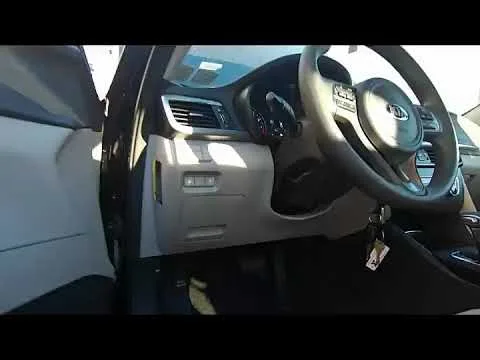
The test looks at components like the catalytic converter, oxygen sensors, and EVAP system. If any monitors aren’t ready or codes are present, you’ll fail. The Massachusetts Department of Environmental Protection (MassDEP) sets the standards, which are stricter than federal EPA requirements.
Why Vehicles Fail the MA Emissions Test
The most common reasons are faulty oxygen sensors, a bad catalytic converter, or an EVAP system leak. A disconnected or tampered OBD-II system is an automatic fail.
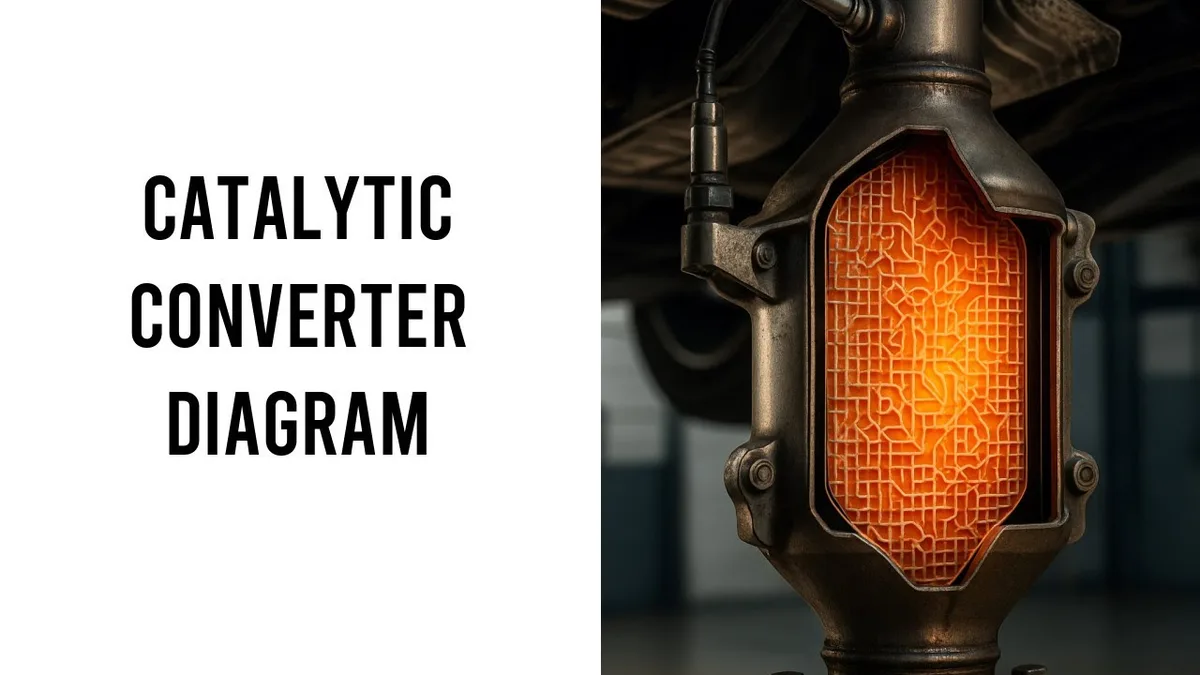
Other culprits include a loose gas cap, worn spark plugs, or a clogged air filter. If your check engine light is on, you’ll almost always fail. Gross polluters, vehicles emitting excessively high levels of HC, CO, or NOx, can’t get a waiver at all.
Massachusetts Emissions Repair Waiver: The Rules
To qualify, your vehicle must fail the initial test, and you must spend at least $650 on repairs at a licensed shop. For 1996 to 1999 models, the minimum is $1,000. You’ll need receipts proving the work was done.
The waiver isn’t guaranteed. MassDEP reviews applications, and if your car is a gross polluter or the repairs don’t meet the criteria, you’ll be denied. Once approved, the waiver is valid for two years, but you’ll still need to pass the next test after it expires.
Step-by-Step: How to Apply for a Massachusetts Emissions Waiver
First, get your vehicle retested after repairs. If it still fails, gather receipts showing you spent at least $650 on qualifying emissions-related fixes. Only work done after the initial failure counts.
Submit your application through the MassDEP website or at a Vehicle Check station. Include the failure notice, repair receipts, and your vehicle registration. Processing takes about 10 business days.
What Counts as a Qualifying Repair for the Waiver?
Repairs must directly address the emissions failure. This includes catalytic converter replacement, oxygen sensor fixes, or EVAP system repairs. Routine maintenance like oil changes doesn’t count.
The work must be done by a licensed repair shop. DIY fixes won’t qualify, even with receipts for parts.
Costs: How Much You’ll Spend to Fix or Waive a Failed Test
The waiver threshold is $650 for most vehicles. For 1996 to 1999 models, it’s $1,000. These are minimums, you’ll still pay for the repairs whether you get the waiver or not.
| Vehicle Year | Waiver Cost Threshold | Waiver Duration |
|---|---|---|
| 2000 and newer | $650 | 2 years |
| 1996-1999 | $1,000 | 2 years |
Some shops offer discounts for emissions-related work. Always ask for an estimate before committing to repairs.
Common Mistakes That Get Your Waiver Denied
Applying without meeting the spending minimum is the top reason for rejection. Every receipt must clearly show the date, repair type, and cost. Generic invoices like “diagnostic fee” won’t cut it.
Another mistake is waiting too long. You have 60 days from the initial failure to apply. Miss that window, and you’ll need to start over with a new test.
What to Do If Your Waiver Application Is Rejected
If denied, MassDEP will explain why. Often, it’s missing paperwork or repairs that don’t qualify. You can resubmit with the correct documents.
If your car is a gross polluter, no waiver will be approved. Your only option is to fix the emissions system until it passes the test.
Driving in Massachusetts With a Failed Emissions Test: The Risks
You can legally drive for 60 days after a failure to get repairs or apply for a waiver. After that, you’re at risk of fines if stopped by law enforcement.
The RMV may also refuse to renew your registration until the issue is resolved. This means you can’t get new plates or transfer ownership.
Exemptions: Who Doesn’t Need to Test (or Can Skip the Waiver)
Vehicles older than 15 years are exempt from testing in most cases. Electric vehicles and some diesels also don’t require emissions tests.
Classic cars registered as antiques may qualify for exemptions. Military vehicles and certain commercial fleets have separate compliance paths.
Massachusetts Emissions Test Retest Rules
You get one free retest within 60 days if you return to the same station. Bring your failure notice and any repair receipts.
If you go to a different station, you’ll pay the full test fee again. The retest uses the same standards as the initial inspection.
Expert Tips to Pass the Retest (or Avoid Needing a Waiver)
Clear any trouble codes with a scan tool before retesting. Then drive for at least 50 to 100 miles to let the monitors reset.
Check your gas cap for cracks or loose seals. A faulty cap is a common reason for EVAP system failures. Replace spark plugs and air filters if they’re worn.
Frequently Asked Questions
How long does a Massachusetts emissions waiver last?
A waiver is valid for two years from the date of approval. After that, you must pass a standard emissions test to renew your registration.
Can I get a waiver if my car is a gross polluter?
No. Gross polluters are automatically denied waivers. You must repair the vehicle until it meets emissions standards.
What’s the minimum repair cost for a waiver?
For most vehicles, it’s $650. For 1996 to 1999 models, the minimum is $1,000. These amounts must be spent on qualifying emissions-related repairs.
Do I need to keep my repair receipts?
Yes. MassDEP requires detailed receipts showing the date, repair type, and cost. Without them, your waiver application will be denied.
Can I apply for a waiver online?
Yes. The MassDEP website allows online submissions. You can also apply in person at a Vehicle Check station.
What happens if I ignore the emissions test failure?
You risk fines up to $500 and registration suspension. Driving without valid registration can lead to additional penalties.