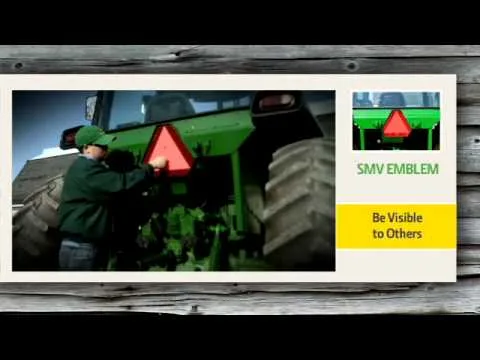
If you’ve ever seen a tractor rolling down a Massachusetts backroad and wondered about the rules, the Massachusetts implements of husbandry definition and road safety regulations spell out exactly what’s allowed. These laws exist to balance farming needs with public safety, and they’re stricter than many assume.
Per Massachusetts General Laws, farm equipment must meet specific visibility and marking standards, like the orange SMV emblem, to legally share the road. Get this wrong, and you risk fines or worse, an accident.
Quick Answer
Massachusetts defines implements of husbandry as farm machinery used for agricultural purposes. They must display an SMV emblem when traveling under 25 mph. Lights and reflectors are required for nighttime or low-visibility travel.
Exemptions exist for certain equipment, but compliance is mandatory.
What Counts as an "Implement of Husbandry" in Massachusetts?
The term isn’t just a fancy way to say "farm equipment." Under MGL Chapter 90, Section 1, it specifically covers machinery designed and used primarily for agricultural purposes. That includes tractors, plows, harvesters, and wagons.
What doesn’t count? Vehicles modified for non-farm use, or equipment that’s no longer serving an agricultural function. The law also excludes standard passenger vehicles, even if a farmer owns them.
Why This Definition Matters for Road Safety
Farm equipment moves slowly, often takes up more space, and isn’t built for highway speeds. Without clear rules, these vehicles create serious hazards for themselves and other drivers.
In Massachusetts, the stakes are high. The state’s mix of rural roads and busy highways means farm machinery often shares space with fast-moving traffic. Proper marking and compliance aren’t just legal requirements, they prevent accidents.
The Legal Definition Under Massachusetts General Laws
The core definition lives in MGL Chapter 90, Section 1. It classifies implements of husbandry as vehicles exclusively used in the conduct of agricultural operations. That’s the key word: exclusively.
If a tractor is also used for non-farm tasks, it may not qualify.
The law also outlines exemptions. For example, these vehicles often don’t need standard registration or licensing. But that doesn’t mean they’re free from all rules.
Which Farm Vehicles Qualify (and Which Don’t)
Not every piece of farm equipment gets the same treatment. Here’s the breakdown:
Qualifies as an implement of husbandry:
- Tractors used solely for farming
- Plows, harvesters, and other agricultural machinery
- Wagon trailers designed for farm use
Does not qualify:
- Modified vehicles used for non-agricultural work
- Equipment no longer in active farm service
- Standard trucks or cars, even if owned by a farmer
When in doubt, check with the Massachusetts Registry of Motor Vehicles (RMV). They’re the final word on whether your equipment meets the legal definition.
Road Rules for Implements of Husbandry in Massachusetts
Once you confirm your equipment qualifies, the next step is understanding how it can legally operate on public roads. The rules are specific, and ignoring them can lead to fines or liability in an accident.
First, speed limits. Implements of husbandry are typically restricted to 25 mph or lower. They must also yield to faster-moving traffic when safe to do so.
Second, travel restrictions. Some roads may prohibit farm equipment entirely, especially during peak traffic hours. Always check local ordinances before moving machinery.
Third, operator requirements. While some farm vehicles don’t require a standard driver’s license, operators must still follow all traffic laws. That includes signaling turns, obeying traffic signs, and avoiding distracted driving.
SMV Emblems, Lights, and Visibility Requirements
The most recognizable safety feature is the Slow-Moving Vehicle (SMV) emblem. This bright orange triangle must be displayed on any implement of husbandry traveling under 25 mph. The emblem must be mounted 3 to 5 feet above the road, facing rearward, and kept clean and visible.
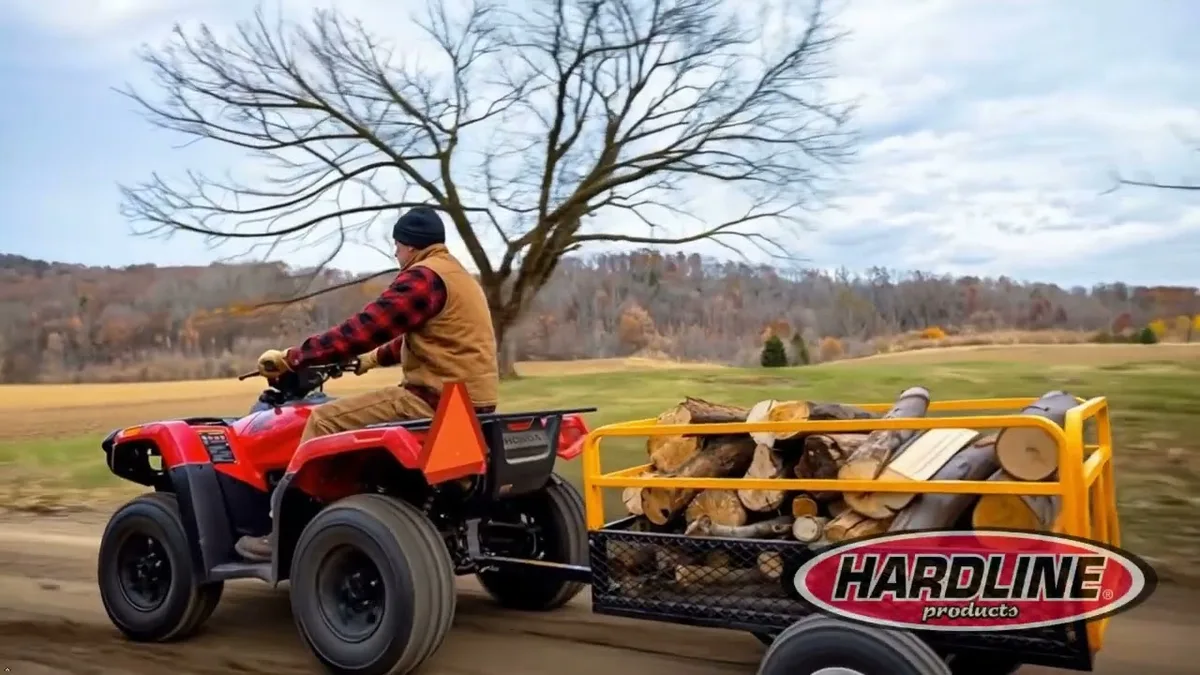
At night or in poor visibility, additional lighting is required. Farm equipment needs at least two white headlights and two red taillights. Reflectors are also mandatory: one white on the front and two red on the rear.
Wider vehicles may need extra amber lights on the sides.
Speed Limits and Travel Restrictions for Farm Equipment
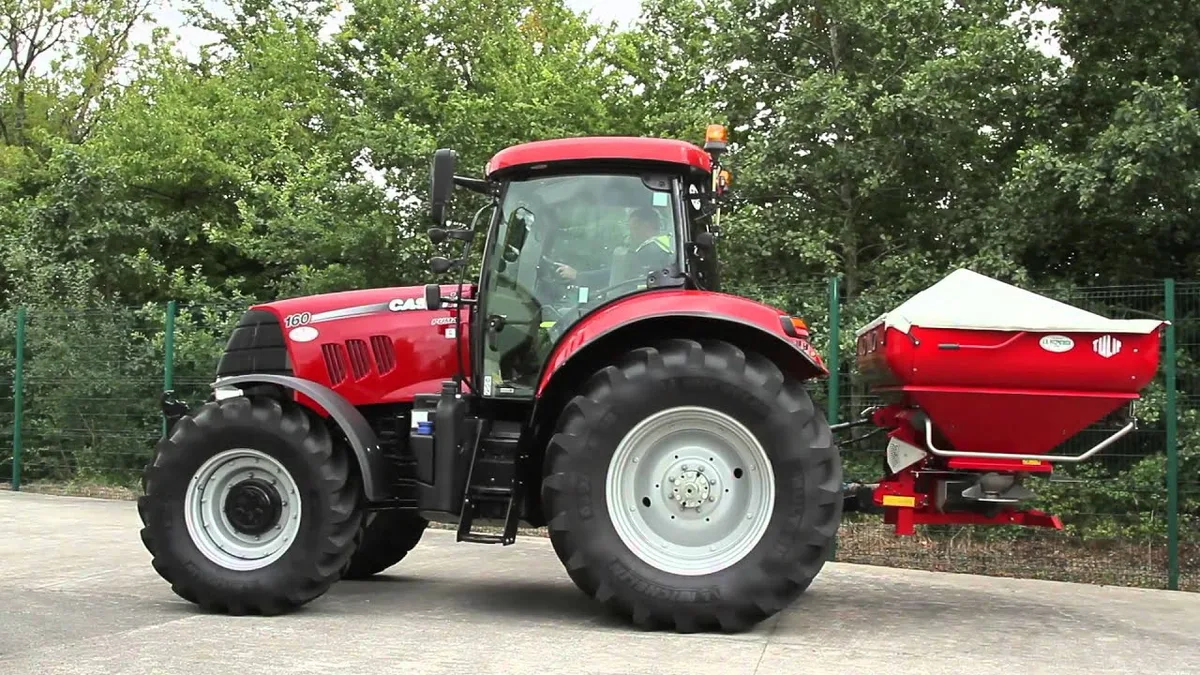
Implements of husbandry are typically limited to 25 mph on public roads. Some local ordinances may impose even stricter limits, especially in residential areas.
Travel during daylight hours is often recommended, but not always required. Nighttime travel is permitted if the vehicle meets all lighting and reflector requirements. Always check with local authorities, as some towns restrict farm equipment on certain roads during peak traffic times.
Permits and Exemptions You Need to Know
Most implements of husbandry are exempt from standard vehicle registration. However, this doesn’t mean they’re exempt from all rules. Operators must still follow traffic laws, and some oversized equipment may require special permits.
The Massachusetts Department of Transportation (MassDOT) provides guidance on permits for wide or heavy loads. If your equipment exceeds standard size limits, you’ll need to apply in advance.
Common Mistakes That Lead to Fines (or Worse)
The most frequent violation is missing or improperly displayed SMV emblems. Without this bright orange triangle, other drivers may not recognize your vehicle as slow-moving, increasing the risk of rear-end collisions.
Another common issue is inadequate lighting. Farm equipment without proper headlights, taillights, or reflectors is nearly invisible at night. Police can and do pull over operators for these violations, and the fines add up quickly.
What Happens If You’re Pulled Over?
If law enforcement stops you, they’ll first check for the SMV emblem and proper lighting. They may also verify that the vehicle qualifies as an implement of husbandry under state law.
Fines vary, but they can reach hundreds of dollars for missing safety equipment. In the worst cases, non-compliance can lead to liability if an accident occurs. The best defense is proactive compliance: double-check your equipment before hitting the road.
How to Stay Compliant: A Quick Checklist
Before moving farm equipment on public roads, run through this checklist. First, confirm your vehicle qualifies as an implement of husbandry under Massachusetts law.
Next, verify the SMV emblem is properly mounted and visible. Check that all required lights and reflectors are functional. Finally, ensure the operator understands speed limits and travel restrictions for the route.
Before moving farm equipment on public roads, run through this checklist. First, confirm your vehicle qualifies as an implement of husbandry under Massachusetts law.
Next, verify the SMV emblem is properly mounted and visible. Check that all required lights and reflectors are functional. Finally, ensure the operator understands speed limits and travel restrictions for the route.
Rural vs. Highway Driving: Different Rules Apply
Rural roads are where farm equipment is most common, and the rules are generally more lenient. Operators can often travel at slower speeds without special permits, provided they meet visibility requirements.
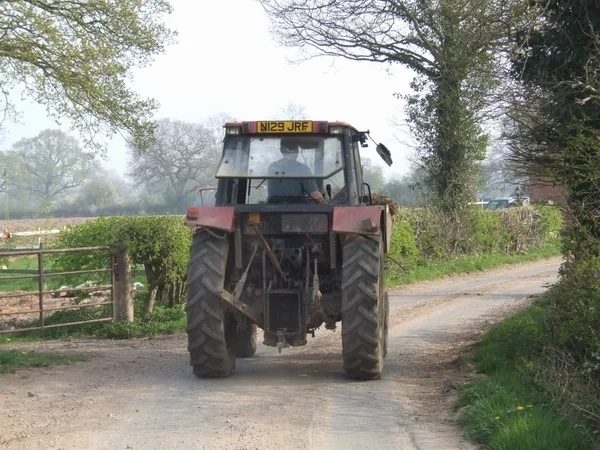
Highways are a different story. Many prohibit slow-moving vehicles entirely or require escorts for wide loads. Always plan your route in advance and check with MassDOT if you’re unsure about highway access.
FAQs About Massachusetts Farm Vehicle Laws
Do I need a driver’s license to operate farm equipment on the road?
A standard driver’s license isn’t always required, but operators must still follow all traffic laws. Some larger or faster-moving equipment may require a commercial license.
What’s the fine for missing an SMV emblem?
Fines can reach $100 or more for missing or improperly displayed emblems. The exact amount depends on the jurisdiction and whether it’s a first or repeat offense.
Can I drive farm equipment at night?
Yes, but only if the vehicle has all required lights and reflectors. Without proper illumination, nighttime travel is illegal and dangerous.
Are there weight limits for farm equipment on public roads?
Standard weight limits apply unless you have a special permit. Oversized or overweight loads may require additional approvals from MassDOT.
Where can I get an SMV emblem?
SMV emblems are available at farm supply stores, tractor dealerships, and online retailers. Ensure the emblem meets ASABE S276.5 standards for reflectivity and size.