ByMax Lee
Massachusetts Long-Term Utility Trailer Registration Guide
YouTube / Ratha Sochenda (YouTube thumbnail (fair-use with source credit))
Massachusetts long-term registration options for utility trailers depend on weight, use, and whether your trailer has a VIN. The rules can feel confusing, but they’re straightforward once you know the thresholds and categories.
As of 2026, the Massachusetts Registry of Motor Vehicles (RMV) offers 1-year, 2-year, and permanent registration for qualifying trailers. The process changes based on your trailer’s size and type, so the first step is figuring out where yours fits.
Quick Answer
Massachusetts long-term registration options for utility trailers include 1-year, 2-year, or permanent plates. Trailers under 3,000 lbs pay $20 for one year or $40 for two. Heavier trailers cost more.
Permanent registration is available for some non-commercial trailers.
How Massachusetts Trailer Registration Actually Works
The RMV treats trailers differently than cars. You don’t need a title for most utility trailers, but you do need registration if you’re using it on public roads. The type of registration you qualify for depends on weight, intended use, and whether the trailer has a manufacturer-assigned VIN.
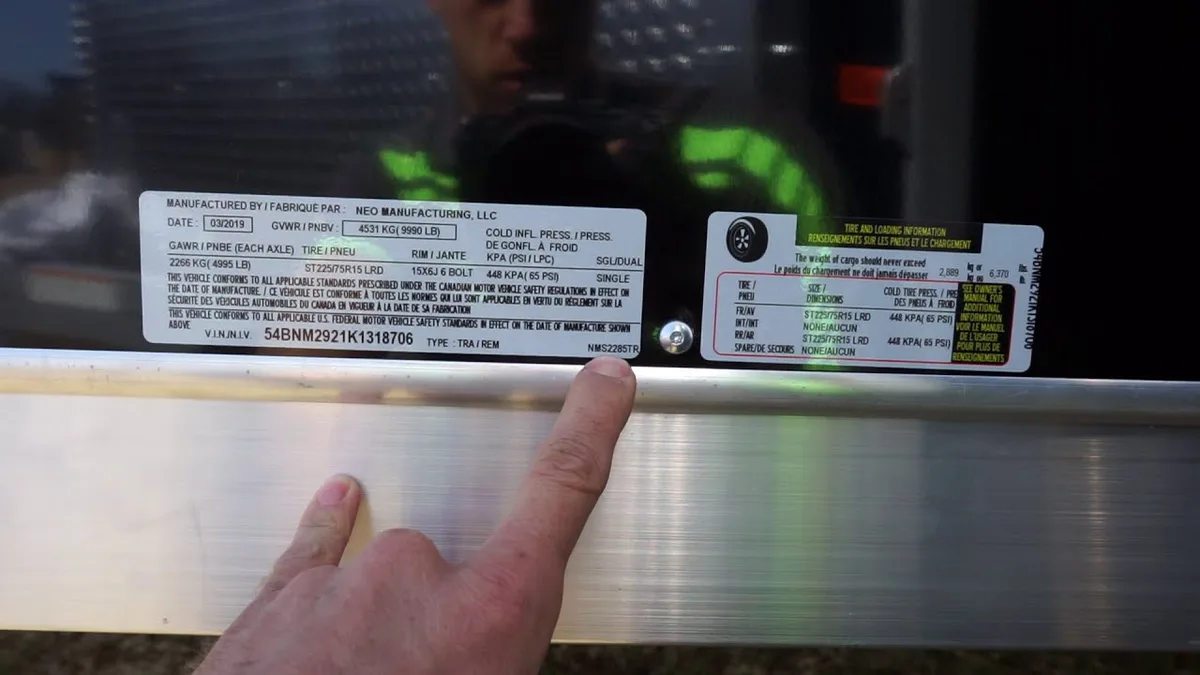
For trailers under 3,000 lbs, the process is simplest. You’ll fill out an application, pay the fee, and get your plates. Trailers over 3,000 lbs may require additional documentation, like a weight certificate.
Homemade trailers need a VIN assigned by the RMV before registration.
The 3 Types of Long-Term Registration (and Which One Fits You)
Massachusetts offers three registration durations for utility trailers. Each has different costs and eligibility rules.
- 1-Year Registration: Best for occasional use. Fees start at $20 for trailers under 3,000 lbs.
- 2-Year Registration: Saves you a renewal trip. Costs double the 1-year fee (e.g., $40 for under 3,000 lbs).
- Permanent Registration: Available for non-commercial trailers under 10,000 lbs. One-time $100 fee, no renewals.
Permanent registration is the most convenient if you qualify. It’s ideal for personal trailers used for hauling boats, ATVs, or landscaping equipment. Commercial trailers typically don’t qualify and must renew annually or biennially.
Weight Matters: How Your Trailer’s Size Changes the Rules
YouTube / Steedster Productions (YouTube thumbnail (fair-use with source credit))
The RMV divides trailers into weight classes, and each has different fees and requirements. Here’s how it breaks down:
| Weight Class | 1-Year Fee | 2-Year Fee | Permanent Fee | Notes |
|---|---|---|---|---|
| Under 3,000 lbs | $20 | $40 | $100 | Most personal utility trailers |
| 3,000–10,000 lbs | $40 | $80 | $100 | May require weight certificate |
| Over 10,000 lbs | $60 | $120 | Not available | Commercial use, additional rules |
Trailers over 3,000 lbs often need a weight slip from a certified scale. You’ll submit this with your application. For trailers over 10,000 lbs, you’re limited to 1-year or 2-year registration, and commercial insurance may be required.
Step-by-Step: How to Register a Utility Trailer in MA
YouTube / WWLP-22News (YouTube thumbnail (fair-use with source credit))
The process varies slightly depending on whether your trailer has a VIN. Here’s what to expect.
If Your Trailer Has a VIN
- Gather Documents: You’ll need the trailer’s title (if available), bill of sale, and your Massachusetts driver’s license.
- Complete the Application: Fill out the RMV’s Trailer Registration Application (Form TRL-1). Include the VIN, make, model, and weight.
- Pay the Fee: Fees depend on weight (see the table above). You can pay online, by mail, or in person at an RMV service center.
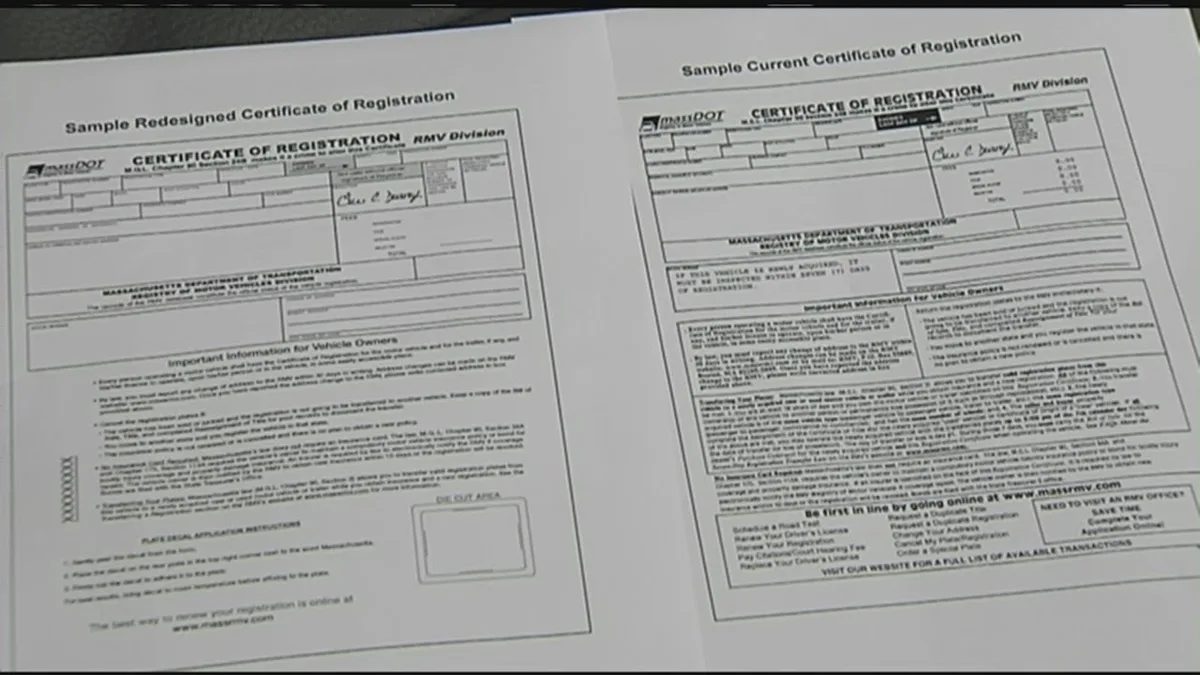
- Receive Plates: You’ll get your registration certificate and plates by mail or on the spot if applying in person.
If Your Trailer Is Homemade (No VIN)
Homemade trailers need a VIN assigned by the RMV before registration. Here’s how it works:
- Build or Modify the Trailer: Ensure it meets Massachusetts safety standards for lights, reflectors, and brakes (if over 3,000 lbs).
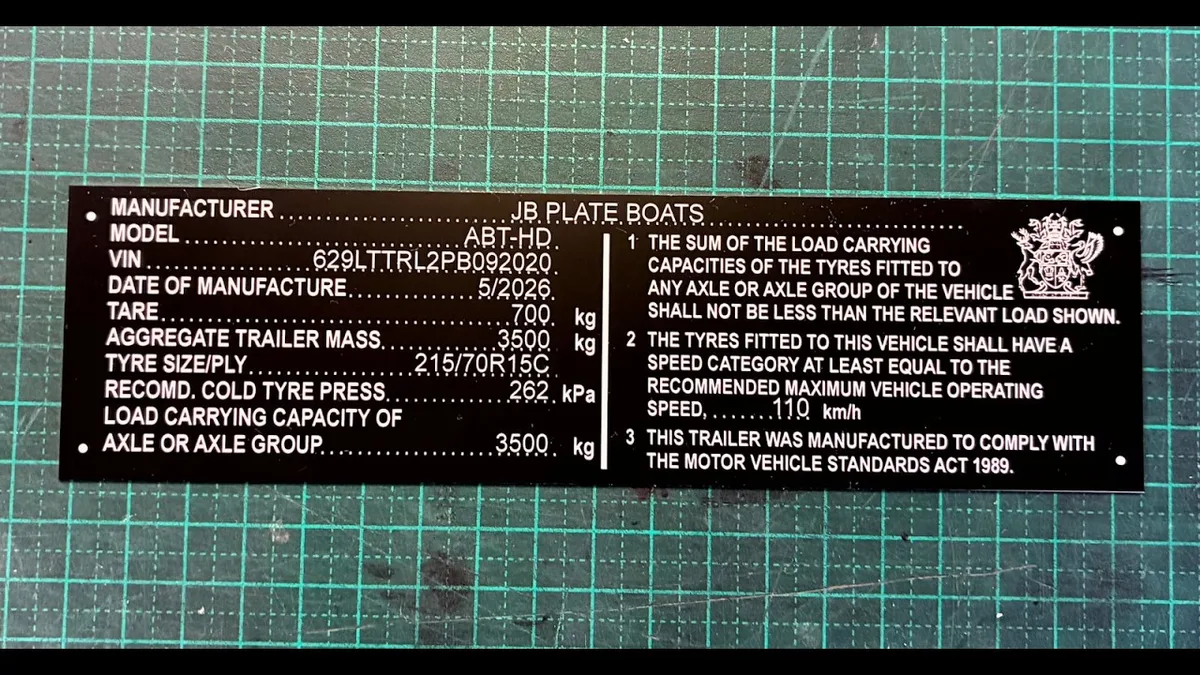
- Request a VIN Inspection: Schedule an appointment at an RMV inspection station. Bring proof of ownership (e.g., receipts for materials) and a completed Application for Assigned VIN (Form TRL-2).
YouTube / Ian Mugan (YouTube thumbnail (fair-use with source credit))
- Receive Your VIN: The RMV will assign a VIN and provide a certificate. This becomes your trailer’s official identification.
- Register the Trailer: Follow the same steps as a VIN-equipped trailer (see above).
If You’re Transferring from Out of State
Out-of-state trailers must be registered in Massachusetts within 30 days of establishing residency. You’ll need:
- The out-of-state title or registration
- A completed Application for Registration and Title (Form TRL-1)
- Payment for fees and any applicable sales tax
If the trailer doesn’t have a title, you’ll need a bill of sale and may require a VIN verification.
Costs Breakdown: Fees by Weight and Registration Type
The RMV sets fees based on trailer weight and registration duration. Here’s what you’ll pay as of 2026:
| Weight Class | 1-Year | 2-Year | Permanent |
|---|---|---|---|
| Under 3,000 lbs | $20 | $40 | $100 |
| 3,000–10,000 lbs | $40 | $80 | $100 |
| Over 10,000 lbs | $60 | $120 | Not available |
Permanent registration is a one-time fee. It’s the best value if you plan to keep the trailer long-term and qualify. For commercial trailers over 10,000 lbs, you’re limited to 1-year or 2-year options.
Additional costs may apply. Homemade trailers need a VIN inspection fee, typically around $25. Out-of-state transfers may require sales tax based on the trailer’s value.
Permanent vs. 1-Year vs. 2-Year Registration—Which Saves You Time and Money?
Permanent registration is the simplest choice if your trailer qualifies. It eliminates renewal hassles and locks in a flat $100 fee. This works best for personal, non-commercial trailers under 10,000 lbs.
1-year registration is ideal for occasional use or if you’re unsure how long you’ll keep the trailer. It’s also the only option for commercial trailers over 10,000 lbs. The upfront cost is lower, but you’ll need to renew annually.
2-year registration splits the difference. You pay double the 1-year fee upfront but avoid renewing every year. This is a good middle ground for trailers you use regularly but don’t want to commit to permanently.
Common Mistakes That Get Your Trailer Flagged (and How to Avoid Them)
Skipping the VIN verification for homemade trailers is a top mistake. Without it, the RMV won’t process your registration. Always get the VIN assigned before applying.
Using the wrong weight class is another common error. If your trailer is 3,200 lbs but you register it as under 3,000 lbs, you’ll face penalties. Weigh it at a certified scale if you’re unsure.
Forgetting to transfer registration after buying a used trailer can lead to fines. The seller must release liability, and you must register it in your name within 7 days of purchase.
What Happens If You Skip Registration?
Driving an unregistered trailer on public roads is illegal in Massachusetts. If stopped, you’ll face a fine starting at $50. The fine increases for repeat offenses or if the trailer is significantly overdue.
Unregistered trailers also create liability issues. If you’re in an accident, insurance may deny claims if the trailer wasn’t properly registered. This can leave you financially responsible for damages.
Police can impound an unregistered trailer. You’ll need to pay towing and storage fees on top of registration costs to get it back.
Special Cases: Farm, Commercial, and Seasonal Trailers
Farm trailers often qualify for exemptions. If used exclusively for agricultural purposes, they may not need registration. Check with the RMV to confirm your trailer meets the criteria.
Commercial trailers have stricter rules. They must be registered annually or biennially, depending on weight. Commercial insurance is typically required, and you may need a USDOT number if operating interstate.
Seasonal trailers, like those for snowmobiles or campers, follow standard registration rules. If it’s on public roads, it needs plates. Some off-road trailers may be exempt, but it’s best to verify with the RMV.
Expert Tips to Make Registration Smooth and Fast
Start with the right paperwork. Have your trailer’s VIN, bill of sale, and proof of ownership ready before visiting the RMV. Missing documents are the top reason for delays.
Use the RMV’s online services when possible. Many registration renewals and simple transfers can be done through the Massachusetts RMV website. This saves time and avoids in-person wait times.
Double-check your weight class. If your trailer is close to a threshold, get it weighed at a certified scale. Paying for the wrong class can lead to fines or registration rejection.
Safety / Legal / Compliance / Warnings
All trailers must meet Massachusetts safety standards. This includes working lights, reflectors, and brakes for trailers over 3,000 lbs. The RMV may inspect your trailer if it appears unsafe.
Commercial trailers often need additional compliance. If you’re using the trailer for business, check if you need a USDOT number or special permits. The FMCSA website has federal requirements.
Never operate an unregistered trailer on public roads. Even short trips can result in fines. If you’re transporting a newly purchased trailer, use a temporary permit if available.
Maintenance / Long-Term Optimization
Keep your registration current. Set a calendar reminder for renewals to avoid late fees. The RMV sends notices, but it’s your responsibility to update your address if you move.
Inspect your trailer regularly. Check lights, tires, and couplings before each use. Well-maintained trailers are safer and less likely to cause issues during inspections.
Store your registration documents with the trailer. If you’re pulled over, you’ll need to show proof of registration. Keep a copy in your vehicle and another at home.
Real Scenarios / Case Examples
A landscaper with a 4,000-lb trailer saved $200 over five years by choosing permanent registration. The one-time $100 fee was cheaper than renewing every two years.
A homeowner with a homemade trailer faced delays by skipping the VIN inspection. After getting the VIN assigned, registration took just one visit to the RMV.
A business owner with a 12,000-lb trailer had to switch to annual registration. The RMV doesn’t offer permanent plates for trailers over 10,000 lbs, so they budgeted for the $60 yearly fee.
Frequently Asked Questions
Do I need a title for my utility trailer in Massachusetts?
No, Massachusetts doesn’t require titles for most utility trailers. You only need registration. However, some states do require titles, so check if you’re transferring from out of state.
Can I register a trailer without a VIN?
Yes, but you’ll need to get a VIN assigned first. Homemade trailers require an inspection at an RMV station. Bring proof of ownership and a completed application.
How do I transfer trailer registration to a new owner?
The seller must release liability on the current registration. The buyer then submits a new application with the title or bill of sale. This must be done within 7 days of purchase.
What’s the fine for an unregistered trailer in Massachusetts?
The fine starts at $50 for a first offense. Repeat offenses or long overdue registrations can lead to higher penalties. Police may also impound the trailer.
Can I get a temporary registration for my trailer?
Massachusetts doesn’t offer temporary trailer plates. You must register the trailer before using it on public roads. Some dealerships provide temporary permits for newly purchased trailers.