ByMax Lee
Massachusetts Winter Driving & Studded Tire Rules
Massachusetts winter driving requirements and studded tire regulations can be confusing, especially when the first snow hits and you’re not sure if your tires are legal. The rules are strict, and using the wrong tires at the wrong time can mean fines or safety risks on icy roads.
As of 2026, Massachusetts allows studded tires only during specific months, and the state also has clear standards for tread depth and tire condition. Here’s what you need to know to stay compliant and safe.
Quick Answer: Massachusetts Studded Tire Rules
Studded tires are legal in Massachusetts from November 1 to April 30. They must have a minimum tread depth of 2/32 of an inch. Using them outside this window can result in a fine.
Always check your tires before winter hits.
YouTube / slonoff (YouTube thumbnail (fair-use with source credit))
Are Studded Tires Legal in Massachusetts?
Yes, but only during the permitted season. The Massachusetts Registry of Motor Vehicles (RMV) enforces this rule to balance safety with road preservation. Studded tires can damage pavement, so the state restricts their use to the coldest months.
YouTube / WWLP-22News (YouTube thumbnail (fair-use with source credit))
If you’re driving in Western Massachusetts or the Berkshires, where ice and snow are common, studded tires can be a smart choice. Just remember to remove them by May 1 to avoid penalties.
When You Can (and Can’t) Use Studded Tires in MA
The legal window for studded tires in Massachusetts is November 1 through April 30. Outside these dates, using them is illegal and can lead to a fine. This timeframe aligns with the state’s typical winter conditions, though weather can vary.
If you’re caught with studded tires in May or October, you could face a citation. The RMV doesn’t make exceptions for early or late snowfalls, so plan accordingly. For the most up-to-date rules, check the Massachusetts RMV.
Massachusetts Winter Tire Requirements Beyond Studs
Studded tires aren’t the only option for winter driving. The state doesn’t mandate winter tires, but it strongly recommends them for safety. Tires with the 3PMSF (Three-Peak Mountain Snowflake) symbol meet severe snow traction standards.
All-season tires with the M+S (Mud and Snow) designation are legal year-round but may not perform as well in deep snow or ice. If you’re unsure, compare the 3PMSF and M+S ratings before buying.
Studded Tires vs. Winter Tires vs. Chains: What’s Best for MA?
Each option has pros and cons depending on your driving needs.
| Option | Best For | Drawbacks |
|---|---|---|
| Studded tires | Icy roads, steep hills | Road damage, seasonal restrictions |
| Winter tires | Snow, slush, cold temps | Higher cost, wear faster in warm weather |
| Tire chains | Emergency use, deep snow | Slow speeds, difficult to install |
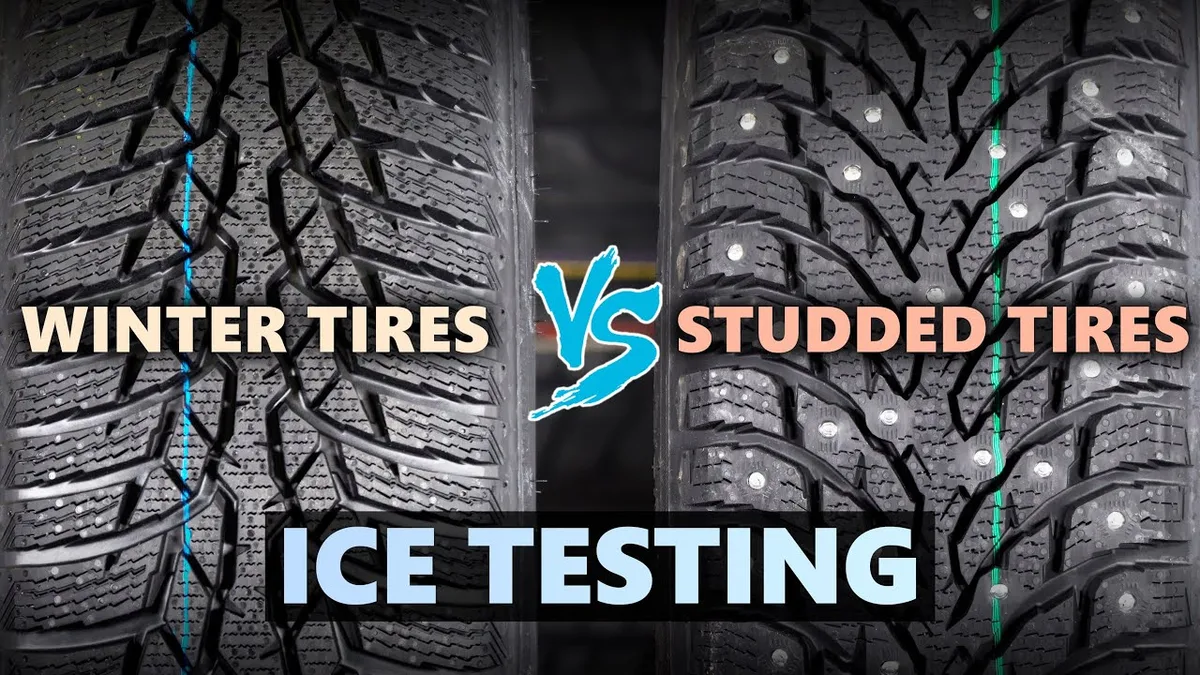
Studded tires offer the best grip on ice but are only legal for part of the year. Winter tires provide consistent performance in cold weather without the seasonal limits. Chains are a temporary solution for extreme conditions but aren’t practical for daily use.
YouTube / Tyre Reviews (YouTube thumbnail (fair-use with source credit))
For most Massachusetts drivers, winter tires are the best balance of safety and convenience. If you frequently drive on icy rural roads, studded tires might be worth the hassle. Chains are a last resort for severe storms.
How to Check If Your Studded Tires Are Legal
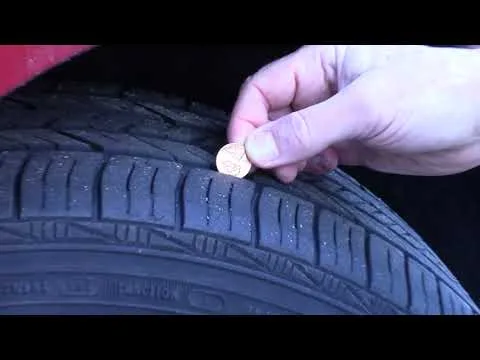
First, verify the date. If it’s between November 1 and April 30, you’re in the legal window. Next, check the tread depth with a penny test.
YouTube / FIX IT Home Improvement Channel (YouTube thumbnail (fair-use with source credit))
Insert a penny into the tread with Lincoln’s head upside down. If you can see the top of his head, your tread is below 2/32" and the tire is unsafe and illegal. Also, ensure the studs are intact and not worn down.
Step-by-Step: Installing and Using Studded Tires the Right Way
Start by confirming your vehicle’s tire size and load rating. Studded tires must match these specs exactly. Have a professional install them if you’re unsure about the process.
Once installed, drive cautiously for the first 100 miles to allow the studs to seat properly. Avoid sudden braking or sharp turns during this break-in period. Check tire pressure regularly, as cold weather can cause it to drop.
Common Mistakes That Get Massachusetts Drivers Fined
The most common mistake is leaving studded tires on past April 30. Even a day late can result in a fine. Another error is using tires with insufficient tread depth, which is both unsafe and illegal.
Mixing studded and non-studded tires on the same vehicle is also prohibited. All four tires must be either studded or non-studded to maintain balanced handling. Ignoring these rules can lead to citations and compromised safety.
Winter Driving Risks in MA (And How Tires Affect Safety)
Massachusetts winters bring black ice, slush, and sudden snow squalls. Studded tires excel on hard-packed snow and ice but perform poorly on bare pavement. Winter tires without studs offer a more balanced performance in mixed conditions.
Poor tire choice can lead to longer stopping distances and reduced control. In rural areas like the Berkshires, where roads are less treated, the right tires can mean the difference between a safe trip and a dangerous slide.
Costs, Fines, and Other Key Numbers to Know
Using studded tires outside the legal window can result in a fine of up to $50. The cost of a set of studded tires varies but typically ranges from $150 to $300 per tire, depending on the brand and size.
Tread depth must be at least 2/32" to be legal. Studs should protrude no more than 1/16" from the tread surface. These measurements ensure both safety and compliance with Massachusetts law.
Expert Tips for Massachusetts Winter Driving
Always carry an emergency kit with a shovel, ice scraper, and traction mats. These tools can get you out of a bind if you’re stuck in snow. Keep your gas tank at least half full to prevent fuel line freeze.
Slow down and increase following distance on icy roads. Even the best tires can’t compensate for reckless driving. Check weather forecasts before long trips and avoid travel during major storms.
Frequently Asked Questions
Can I use studded tires year-round in Massachusetts?
No. Studded tires are only legal from November 1 to April 30. Using them outside this period can result in a fine.
What’s the penalty for illegal studded tire use?
The fine is typically up to $50. Police can issue citations during routine traffic stops or at safety checkpoints.
Do I need winter tires in Massachusetts?
No, but they’re highly recommended. All-season tires with M+S or 3PMSF ratings are legal but may not perform as well in severe winter conditions.
How do I know if my tires are safe for winter?
Check the tread depth with a penny test. If Lincoln’s head is visible, the tread is too low. Also look for cracks or uneven wear.
Are tire chains legal in Massachusetts?
Yes, but only when necessary for safety. They must not damage the road surface and should be removed as soon as conditions improve.
Can I mix studded and non-studded tires?
No. All four tires must be either studded or non-studded to maintain balanced handling and comply with state law.