Michigan boat and trailer registration requirements and fees can feel like a maze if you don’t know the rules. Some boats need permanent registration, others require annual decals, and trailers have their own weight-based system. The good news is the Michigan Secretary of State and DNR make it straightforward once you break it down.
As of 2026, boats over 16 feet get a one-time permanent registration, while smaller craft pay annually. The real confusion starts with trailers, where the weight threshold changes everything.
Quick Answer
Michigan boat and trailer registration requirements and fees depend on length, motorization, and trailer weight. Boats under 16 ft pay $14.25 annually. Boats 16, 26 ft pay $42.25 once.
Trailers under 3,000 lbs cost $15.50 yearly. Trailers 3,000 lbs and over cost $38.50 yearly.
Do You Even Need to Register Your Boat or Trailer in Michigan?
Not every boat or trailer needs registration. Non-motorized canoes and kayaks under 16 ft are exempt. Trailers under 2,500 lbs that stay off public roads also skip registration.
The Michigan DNR enforces watercraft rules, while the Secretary of State handles trailer plates. If you’re only paddling a small kayak on private lakes, you’re likely in the clear. But the moment you add a motor or hit public waters, the rules change.
How Michigan Decides What You Register
Michigan uses three key factors to determine registration needs. Boat length, motorization, and trailer weight each trigger different requirements.
For boats, the cutoff is 16 ft. Below that, it’s annual. Above that, it’s permanent.
For trailers, the line is 3,000 lbs. Below that, fees are lower. Above that, they jump.
Boat Registration Rules: Motorized vs. Non-Motorized, Length, and Exceptions
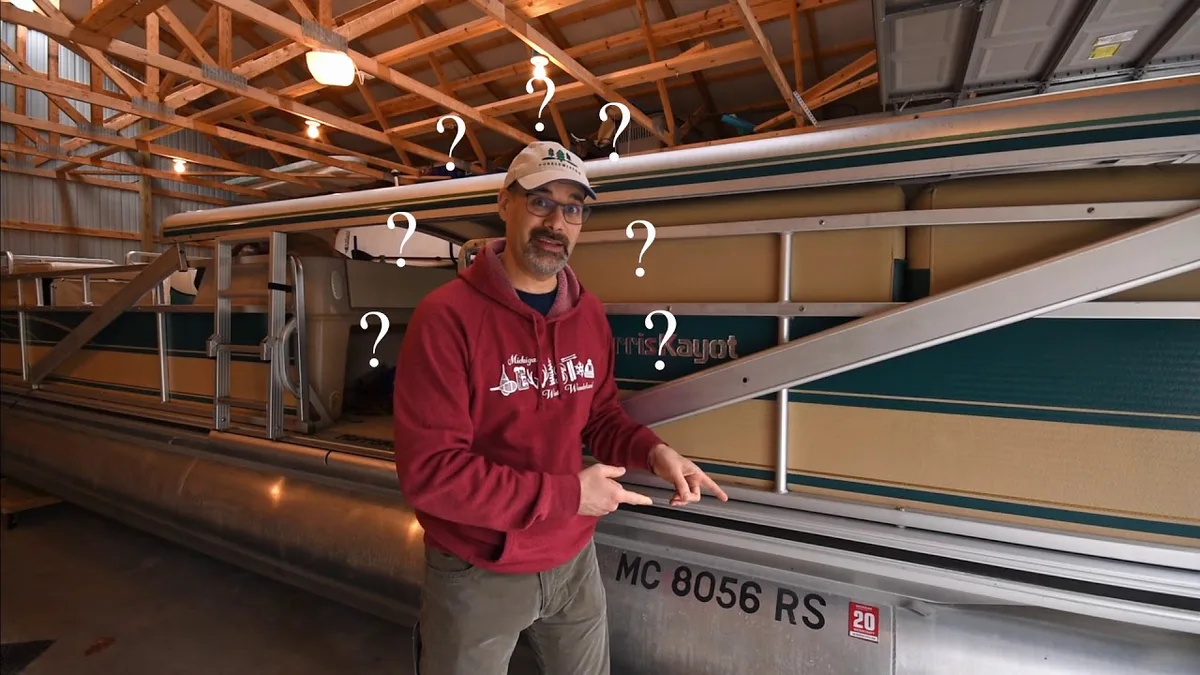
Motorized boats of any size need registration. Non-motorized boats under 16 ft do not. The exception is sailboats over 12 ft, which must register even without a motor.
Here’s the breakdown:
- Motorized boats under 16 ft: Annual registration, $14.25
- Motorized boats 16, 26 ft: Permanent registration, $42.25
- Motorized boats over 26 ft: Permanent registration, $84.50
- Non-motorized boats under 16 ft: No registration required
- Non-motorized boats 16 ft and over: Permanent registration, $42.25
The Michigan DNR provides official guidance on watercraft registration at michigan.gov/dnr. If your boat has a motor, no matter the size, it needs registration. If it’s a small kayak or canoe with no motor, you’re off the hook.
Trailer Registration Rules: Weight, Plates, and When It’s Optional
Trailers in Michigan must be registered if they’re used on public roads. The fee depends on the trailer’s loaded weight.
- Under 3,000 lbs: $15.50 annual
- 3,000 lbs and over: $38.50 annual
If your trailer never leaves private property, registration isn’t required. But if you’re hauling your boat to public launches, you need a plate. The weight is based on the trailer’s gross vehicle weight rating (GVWR), not the boat’s weight.
Check the VIN plate or manufacturer specs to confirm.
Step-by-Step: Registering Your Boat with the Michigan SOS
First, gather your boat’s title and hull identification number (HIN). If you bought it new, the dealer usually handles the initial paperwork. For used boats, you’ll need the signed title from the seller.
Next, visit a Secretary of State branch or use their online portal. Fill out the watercraft registration application. Pay the fee based on your boat’s length.
You’ll receive decals and a registration certificate by mail within two weeks.
If your boat is homemade, you’ll need a HIN inspection from a DNR officer before registration. This ensures it meets safety standards.
Step-by-Step: Registering Your Trailer with the Michigan SOS
Start with the trailer’s title and VIN. If it’s new, the dealer may submit the paperwork for you. For used trailers, bring the signed title and proof of insurance.
At the SOS office, complete the trailer registration form. Provide the GVWR from the VIN plate. Pay the fee based on weight.
You’ll get a license plate and registration sticker on the spot.
If your trailer is homemade, you’ll need a VIN inspection first. This is a one-time process to assign an official identifier.
Michigan Boat and Trailer Registration Fees (2024)
Here’s the current fee structure as of 2026:
| Item | Fee |
|---|---|
| Boat under 16 ft (annual) | $14.25 |
| Boat 16–26 ft (permanent) | $42.25 |
| Boat over 26 ft (permanent) | $84.50 |
| Trailer under 3,000 lbs (annual) | $15.50 |
| Trailer 3,000 lbs and over (annual) | $38.50 |
| Title fee (per item) | $15.00 |
Permanent boat registrations don’t expire. Trailer plates must be renewed every year. Late fees apply if you miss the deadline.
Common Mistakes That Cost You Time and Money
Assuming all small boats are exempt is a big error. Even a 14 ft motorized boat needs annual registration. Another mistake is guessing your trailer’s weight.
Always check the GVWR plate.
Forgetting to transfer the title when buying used can lead to fines. Always complete the paperwork within 15 days of purchase. Also, some owners overlook that non-motorized boats over 16 ft still need registration.
What Happens If You Don’t Register (or Register Wrong)?
Operating an unregistered boat on public waters can result in a fine. The DNR conducts random checks at launches and on the water.
For trailers, driving without a valid plate can lead to a traffic stop and fine. If your trailer is over the weight limit for its registration class, you may face additional penalties. Correct registration ensures you’re covered in case of accidents or inspections.
Special Cases: Out-of-State Boats, Homemade Trailers, and Missing Titles
Non-residents can use their boats in Michigan for up to 90 days without registration. After that, you must register with the SOS. If you move to Michigan, you have 90 days to transfer your boat and trailer registrations.
Homemade trailers need a VIN inspection before registration. Bring the trailer to a SOS branch for this one-time process. You’ll receive a VIN and can then complete registration.
If you bought a boat without a title, you’ll need a surety bond. This proves ownership and allows you to register the boat. The process takes extra time, so start early.
FAQs: Fast Answers to the Most Asked Questions
Do I need to register a kayak in Michigan?
No, non-motorized kayaks under 16 ft don’t need registration. If it has a motor or is 16 ft or longer, registration is required.
How do I find my trailer’s GVWR?
Check the VIN plate on the trailer frame. The GVWR is listed there. If missing, the manufacturer can provide it.
Can I register my boat online?
Yes, the Michigan SOS offers online registration for boats and trailers. You’ll need your title and payment method ready.
What if my boat doesn’t have a HIN?
Homemade boats need a HIN inspection from the DNR. They’ll assign one if your boat qualifies.
How long does boat registration take?
In-person registrations are processed immediately. Online submissions take about two weeks for decals and certificates to arrive by mail.
Final Checklist: Before You Hit the Water or the Road
Confirm your boat’s length and whether it’s motorized. This determines if you need annual or permanent registration.
Check your trailer’s GVWR. This sets your annual fee. Ensure both have valid titles in your name.
Bring all documents to the SOS office or have them ready for online submission. Double-check fees to avoid surprises.
Affix decals and plates as required. Keep registration certificates on board for boats and in the tow vehicle for trailers.
Confirm your boat’s length and whether it’s motorized. This determines if you need annual or permanent registration.
Check your trailer’s GVWR. This sets your annual fee. Ensure both have valid titles in your name.
Bring all documents to the SOS office or have them ready for online submission. Double-check fees to avoid surprises.
Affix decals and plates as required. Keep registration certificates on board for boats and in the tow vehicle for trailers.