Catalytic converter theft in Michigan has skyrocketed, costing vehicle owners thousands in repairs and downtime. The Michigan catalytic converter theft prevention and etching program benefits include free VIN marking, faster recovery rates, and a visible deterrent to thieves.
As of 2026, Michigan State Police report catalytic converter thefts have more than tripled since 2020, with replacement costs averaging $1,500, $3,000 per incident. Here’s how the state’s etching program helps and what else you can do to protect your vehicle.
Quick Answer
The Michigan catalytic converter theft prevention and etching program benefits include free VIN engraving. This makes stolen parts traceable. It deters thieves with visible warning decals.
Police recover marked converters faster. Many events cost nothing to attend.
Why Catalytic Converter Theft Is a Big Problem in Michigan
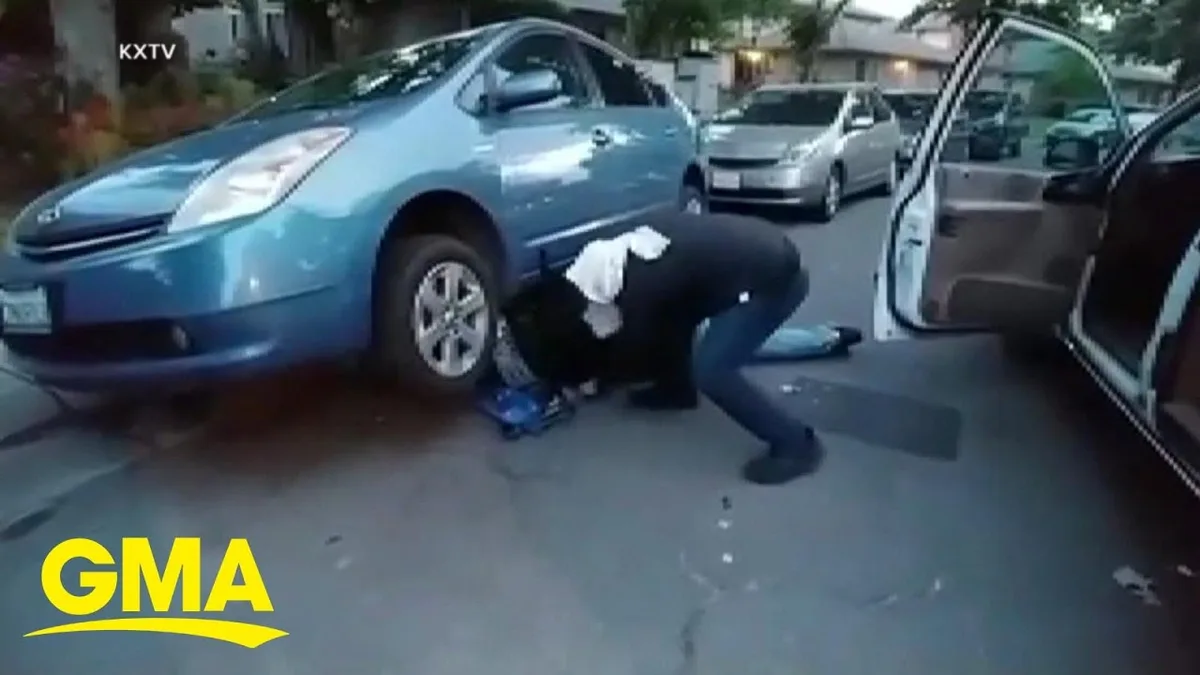
Thieves target catalytic converters for their precious metals: palladium, rhodium, and platinum. A stolen converter can be removed in under two minutes with a battery-powered saw, often from vehicles parked in driveways or public lots overnight.
Michigan’s urban areas see the highest rates, with Detroit, Flint, and Grand Rapids reporting the most incidents. The Michigan Auto Theft Prevention Authority tracks these trends and coordinates prevention efforts statewide.
How Michigan’s Free Etching Program Works
The Michigan Auto Theft Prevention Authority (ATPA) sponsors free etching events across the state. At these events, law enforcement or trained technicians engrave your vehicle’s VIN or license plate number onto the catalytic converter’s metal housing.
The process takes about 10, 15 minutes per vehicle. Technicians use a stencil and acid or an electric engraver to create a permanent, tamper-resistant mark. Once etched, you receive a window decal warning thieves that the part is traceable.
You don’t need an appointment for most events, but some require registration due to high demand. Check your local police department’s website or the ATPA’s official page for schedules.
What Gets Etched and Why It Helps
The etching includes your vehicle’s 17-character VIN or license plate number. This unique identifier links the converter directly to your car, making it harder for thieves to sell it to scrap yards or chop shops.
Scrap dealers in Michigan are required by law to record the seller’s information for all catalytic converters. An etched VIN means stolen parts can be traced back to the original vehicle, increasing the chances of recovery and prosecution.
The visible decal also acts as a psychological deterrent. Thieves often move on to easier targets when they see a marked converter, knowing the risk of getting caught is higher.
The Real Benefits of Etching Your Converter
Etching your catalytic converter through Michigan’s program offers several key advantages:
- Free or low-cost protection: Most ATPA-sponsored events are free, with some charging a small fee for materials.
- Faster recovery: Etched converters are easier for police to track and return if recovered.
- Theft deterrence: The decal signals to thieves that the part is marked, reducing the likelihood of theft.
- Insurance benefits: Some insurers may offer discounts or faster claims processing for vehicles with etched converters.
- Community impact: Widespread etching makes it harder for thieves to profit, reducing overall theft rates in your area.
- Legal support: Etched converters provide clear evidence for prosecutors in theft cases, increasing conviction rates.
While etching doesn’t physically prevent theft, it significantly improves the odds of catching thieves and recovering your property.
What Etching Doesn’t Do (And What Else You Should Consider)
Etching alone won’t stop a determined thief. It’s a deterrent and recovery tool, not a physical barrier. For stronger protection, combine it with other measures.
Park in well-lit areas or garages whenever possible. Thieves prefer easy, unseen targets. If you must park on the street, choose spots with heavy foot traffic or security cameras.
Consider installing a catalytic converter shield or cage. These metal barriers make removal harder and more time-consuming. Some models cost under $200 and can be installed by a mechanic in about an hour.
Motion-sensor lights or a car alarm can also help. While not foolproof, these add layers of security that make your vehicle less appealing to thieves.
How to Get Your Converter Etched in Michigan
The Michigan Auto Theft Prevention Authority partners with local police departments to host etching events. These are typically held at police stations, community centers, or auto repair shops.
No appointment is usually required, but some high-demand locations may ask you to register in advance. Bring your vehicle registration and driver’s license. The process is quick, often taking less than 20 minutes per car.
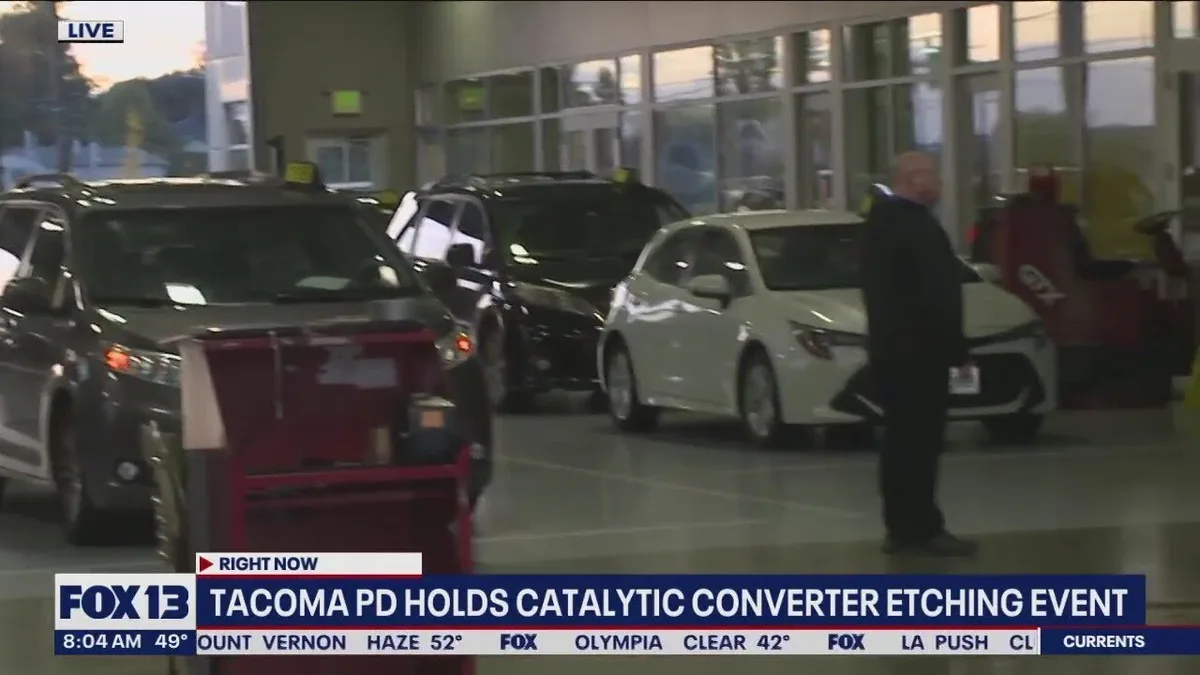
Some departments also offer mobile etching services for fleets or businesses. If you own multiple vehicles, contact your local ATPA representative to arrange a group session.
Costs, Time, and What to Expect at an Etching Event
Most etching events are free, funded by state grants and local partnerships. A few may charge a small fee, usually under $20, to cover material costs. The entire process takes about 15 minutes per vehicle.
You’ll need to drive your car onto a lift or ramp so technicians can access the converter. They’ll clean a small section of the housing, apply the stencil, and engrave the VIN or license plate number. You’ll receive a window decal to display as a deterrent.
There’s no downtime for your vehicle. You can drive away immediately after the etching is complete. The mark is permanent and won’t affect your converter’s performance.
Other Ways to Protect Your Converter in Michigan
If you want extra security beyond etching, consider these options:
- Catalytic converter shields: Metal cages bolted around the converter make removal difficult. Professional installation is recommended.
- Security cameras: Visible cameras near your parking spot can deter thieves.
- Parking strategies: Use garages or well-lit areas. Avoid leaving your car in isolated spots overnight.
Shields are particularly effective for high-risk vehicles like Toyota Prius models, which are frequent targets.
Michigan Laws That Help Fight Catalytic Converter Theft
Michigan has strengthened laws to combat catalytic converter theft. Scrap dealers must now record the seller’s ID and vehicle information for all converter transactions. This makes it harder for thieves to fence stolen parts.
Possessing an unmarked catalytic converter without proof of ownership is illegal. Law enforcement can seize suspicious parts and investigate their origin. These measures have already led to multiple arrests and convictions.
The Michigan Auto Theft Prevention Authority also works with prosecutors to ensure stiff penalties for convicted thieves. This includes fines and potential jail time for repeat offenders.
Common Mistakes That Make Theft Easier
Many vehicle owners unknowingly make their cars easier targets. Parking in dark, secluded areas is a top mistake. Thieves prefer spots where they can work undetected.
Leaving your car running unattended is another risk. Even a quick trip into a store can give thieves enough time to remove a converter. Always turn off your engine and lock your doors.
Ignoring warning signs is also common. If you notice suspicious activity in your neighborhood, report it to local police. Community vigilance helps deter theft before it happens.
FAQs About Michigan’s Etching Program
What vehicles are eligible for free etching?
Most passenger cars, trucks, and SUVs qualify for the state etching events. Fleet vehicles can be served through scheduled group sessions with local police.
Does etching void my vehicle warranty?
Etching does not void manufacturer warranties. The mark is placed on the exterior converter housing, not internal components.
Can I etch my converter myself at home?
You can buy kits, but they lack law enforcement registration. A homemade mark may not be accepted by scrap dealers or police.
How long does the etched mark last?
The engraving is permanent on the metal housing. Michigan winter road salt can dull the surface over years, but the number stays readable.
Will insurance cover a stolen converter if it was etched?
Most comprehensive policies cover theft regardless of etching. Some insurers give a small discount for marked parts as a theft deterrent.
What should I do if my etched converter gets stolen?
File a police report right away with your VIN and decal details. Give officers the etched number so recovered parts can be matched.
Final Verdict: Is Etching Worth It for You?
Etching is worth it for almost every Michigan vehicle owner. The service is free or cheap, takes little time, and helps police recover parts. It also marks your car as a harder target for thieves.
If you drive a high-risk model like a Prius or work truck, pair etching with a shield. Use the state parking guidance to lower your odds further.
Owners of abandoned or unused vehicles should act before storage becomes a theft risk. Review the abandoned vehicle rules for context on local enforcement.
Don’t leave a running car unattended during Michigan winters either. That habit invites quick converter cuts while you step away.