ByMax Lee
Mississippi Blue & Red Light Ban for Cars
Mississippi blue and red light prohibition for private motor vehicles is a common source of confusion for drivers. Many assume decorative or auxiliary lights are fine as long as they’re not flashing, but Mississippi law is explicit about what’s allowed. The rules exist to prevent impersonation of emergency vehicles and maintain road safety.
As of 2026, the state’s statute is clear: private vehicles cannot display blue or red lights visible from the front. This applies to aftermarket LED bars, underglow kits, and even interior lighting that bleeds through windows.
Quick Answer
Mississippi blue and red light prohibition for private motor vehicles bans any visible blue or red lights on the front of non-emergency cars. Authorized vehicles like police, fire, and ambulances are exempt. White and amber auxiliary lights are generally permitted.
Violations can result in fines or misdemeanor charges.
Why Mississippi Bans Blue and Red Lights on Private Vehicles
The prohibition exists to prevent confusion with emergency vehicles. Blue and red lights are reserved for police, fire trucks, and ambulances to ensure they’re immediately recognizable. This helps drivers react appropriately in emergencies.
Mississippi’s law also aims to stop impersonation. Unauthorized use of these colors can mislead other drivers, creating dangerous situations. The restriction applies to all private vehicles, regardless of intent.
YouTube / Özel Gün (YouTube thumbnail (fair-use with source credit))
The Exact Law: Mississippi Code §63-7-13 Explained
Mississippi Code §63-7-13 explicitly prohibits blue or red lights visible from the front of private vehicles. The statute states no person shall drive a motor vehicle with any light emitting these colors. This includes aftermarket additions like LED strips or light bars.
The law does not restrict white or amber lights, which are commonly used for auxiliary lighting. However, any modification must comply with federal lighting standards. Mississippi’s rule is stricter than some neighboring states, which may allow certain red or blue accents.
YouTube / FormsPal (YouTube thumbnail (fair-use with source credit))
Who’s Exempt? Emergency, Agricultural, and Other Authorized Vehicles
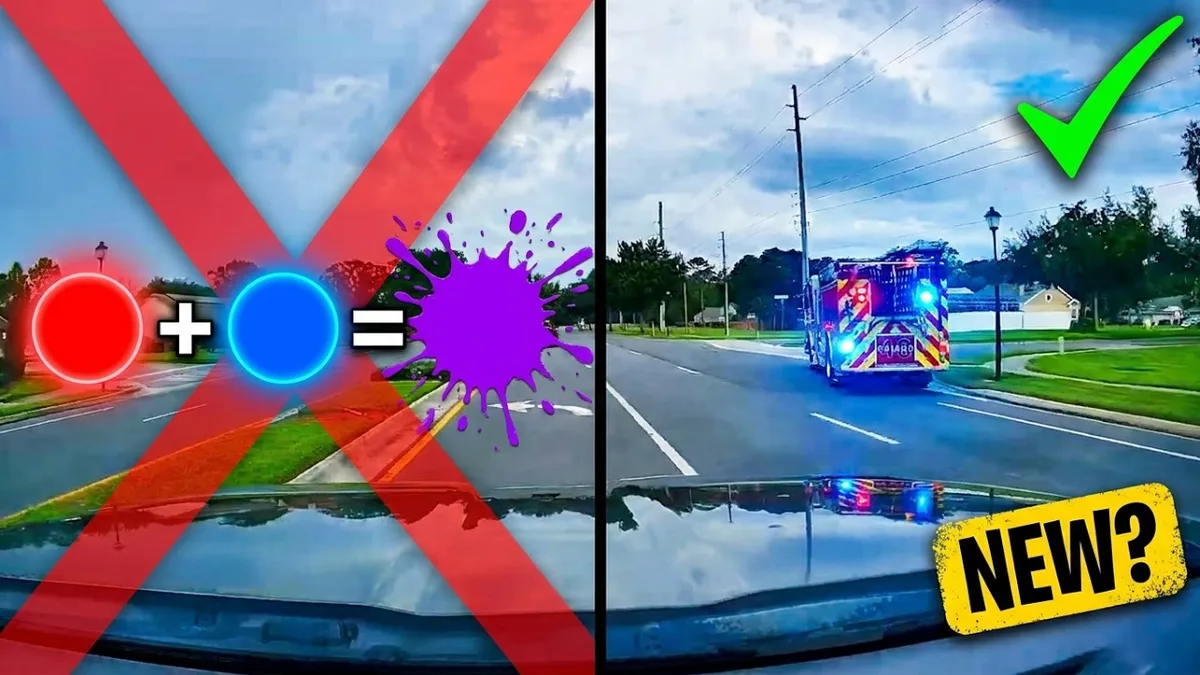
Authorized emergency vehicles are the primary exemption. This includes police cars, fire trucks, and ambulances. Volunteer fire department vehicles may also qualify if properly marked.
Agricultural vehicles may have limited exemptions, but these are rare and typically require special permits. Private vehicles used for farming or other industries do not automatically qualify. Always verify with local authorities before installing non-standard lighting.
YouTube / Firestone Creations (YouTube thumbnail (fair-use with source credit))
What About Amber, White, and Other Colors?
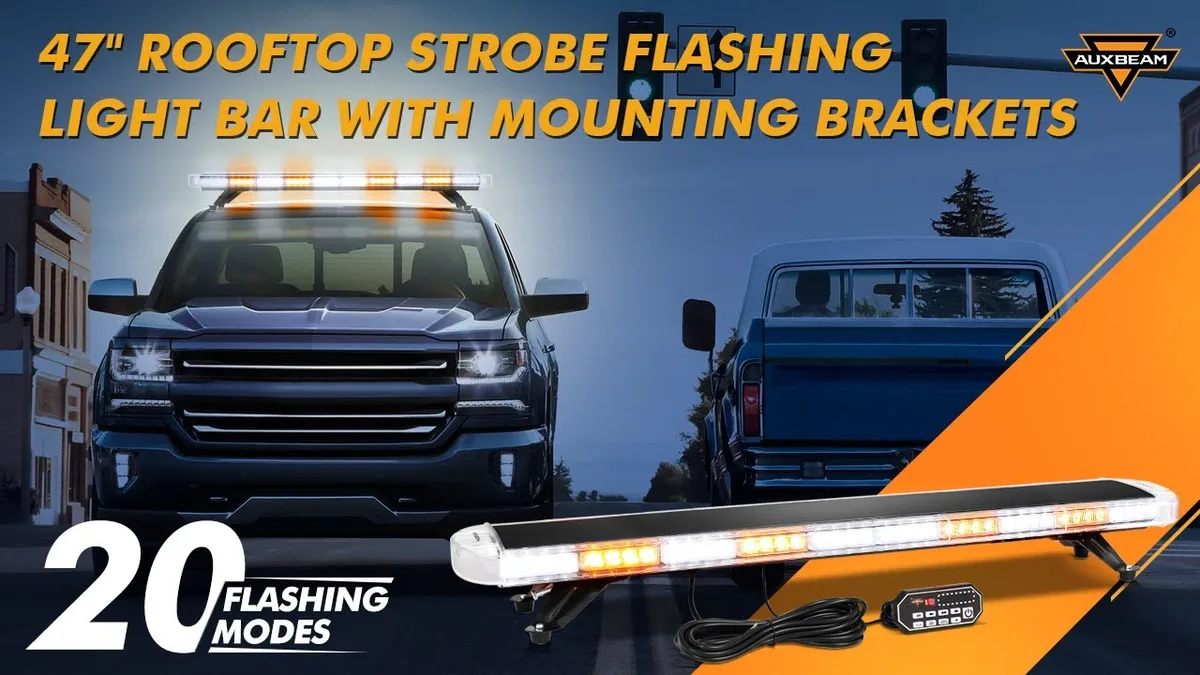
Amber and white lights are generally permitted for private vehicles in Mississippi. These colors are often used for auxiliary driving lights or turn signals. They do not conflict with emergency vehicle identification.
Green and other non-standard colors may also be allowed, but check local ordinances. Some counties have additional restrictions. Always ensure any aftermarket lighting meets federal visibility and placement standards.
YouTube / Auxbeam LED Lighting (YouTube thumbnail (fair-use with source credit))
Common Lighting Setups That Get Mississippi Drivers in Trouble
Several popular aftermarket lighting configurations routinely lead to citations in Mississippi. Understanding these setups helps you avoid costly mistakes.
Underglow LED Kits
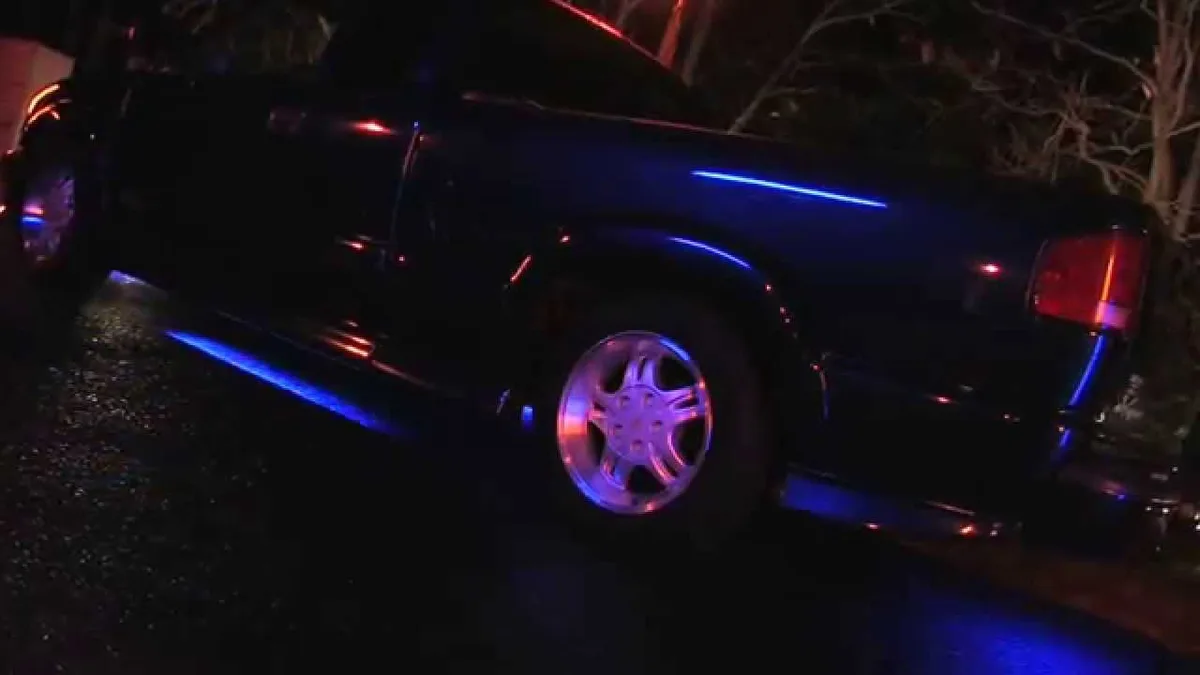
Blue or red undercarriage lighting is one of the most common violations. Even when turned off while driving, the kit can catch a police officer's attention. Some owners leave them on at night, which is an automatic citation under §63-7-13.
Roof-Mounted Light Bars
Off-road light bars are popular among truck owners. White and amber bars are legal for off-road use. Blue or red bars, even if covered during street driving, can still result in a ticket if visible while operating the vehicle publicly.
Interior Ambient Lighting
LED strips inside the cabin that bleed through windows create a visible glow. Blue interior lighting visible from outside the vehicle effectively violates the statute. The law doesn't distinguish between exterior and interior sources when the color is visible externally.
YouTube / LEDGlow (YouTube thumbnail (fair-use with source credit))
Which Configurations Are Riskiest?
The risk level depends on visibility and whether the lights activate while driving.
| Setup | Risk Level | Why It's Problematic |
|---|---|---|
| Blue/red underglow on | High | Direct violation, clearly visible |
| Blue/red underglow off | Medium | Still detectable by officers |
| Amber/white roof bar always on | Low | Legal if meeting federal standards |
| Interior blue LEDs | Medium | Visible through windows violates spirit of law |
How to Check if Your Auxiliary Lights Are Legal
Determining whether your current lighting setup complies with Mississippi law requires a systematic approach. Follow these steps to verify legality.
Step 1: Identify the Light Color
Check the actual emitted color from the front of your vehicle. Blue and red are prohibited. White, amber, and yellow are generally permitted.
Step 2: Determine Visibility Direction
Assess whether the light is visible from the front. Rear-facing blue or red lights on trailers and trucks often face different regulations. The primary prohibition targets front visibility to prevent confusion with oncoming emergency vehicles.
Step 3: Verify Federal Compliance
Ensure your auxiliary lights meet SAE and DOT standards. Legal appearance doesn't guarantee compliance if the lights fail federal safety requirements.
YouTube / Auxbeam LED Lighting (YouTube thumbnail (fair-use with source credit))
Step 4: Check Local Ordinances
Some Mississippi counties and cities impose additional restrictions beyond state law. Municipal ordinances may limit light intensity, placement height, or operational hours.
Step 5: Consult Official Resources
Review the full text of Mississippi Code §63-7-13 on the official legislature site. When in doubt, contact the Mississippi Department of Public Safety for clarification.
What Happens If You’re Pulled Over for Blue or Red Lights?
Being cited for illegal lighting carries real consequences in Mississippi. Understanding the process helps you respond appropriately if stopped.
Immediate Outcomes
An officer who observes blue or red lights will likely initiate a traffic stop. During the stop, expect questions about your vehicle modifications. The officer may issue a citation on the spot or require you to appear in court.
Citation Details
A violation typically cites Mississippi Code §63-7-13. The citation specifies the offense and court appearance date. Ignoring the citation results in a bench warrant and potential license suspension.
YouTube / ABC24 Memphis (YouTube thumbnail (fair-use with source credit))
Potential Penalties
Penalties vary by jurisdiction and circumstances. Typical outcomes include:
- Fines ranging from $50 to $500 depending on county
- Court costs added to the base fine
- Possible misdemeanor classification for repeat offenses
- Requirement to remove or cover illegal lights before re-registration inspection
Corrective Actions
Remove or cover the prohibited lights immediately after receiving a citation. Keep documentation proving compliance going forward. Some courts require proof of correction before dismissing the charge.
Mississippi vs. Neighboring States: How the Rules Compare
Understanding surrounding states' laws helps Mississippi drivers who cross borders frequently. Regulations vary significantly across the region.
| State | Blue/Red Light Ban | Key Differences |
|---|---|---|
| Mississippi | Strict | Full prohibition on front-facing blue/red |
| Alabama | Moderate | Allows some auxiliary colors with restrictions |
| Louisiana | Moderate | Similar to Mississippi but permits certain exemptions |
| Tennessee | Strict | Comparable prohibition with emergency vehicle exceptions |
| Arkansas | Loose | Fewer restrictions on auxiliary lighting colors |
Border Considerations
Drivers near state lines should verify requirements before crossing. A setup legal in Mississippi might violate neighboring state law. When traveling, default to Mississippi standards to avoid complications.
Enforcement Variations
Some border counties enforce lighting laws more strictly than inland areas. Officers near checkpoints monitor for out-of-state violations. Plan your lighting configuration to satisfy the strictest applicable standard.
How to Modify Your Lights Without Breaking the Law
Modifying vehicle lighting legally requires careful planning and informed decisions.
Choose Legal Colors
Stick to white, amber, and yellow for auxiliary lighting. These colors provide visibility without violating state statutes.
Position Lights Correctly
Place auxiliary lights according to manufacturer guidelines. Front-facing lights must meet federal beam pattern requirements. Side-facing markers should comply with Department of Transportation placement standards.
Maintain Original Equipment
Preserve factory lighting systems when adding accessories. Don't disable or replace original headlights with colored alternatives. Stock systems are designed for legal road use.
Document Your Setup
Keep receipts, installation records, and manufacturer certifications. Documentation proves compliance if questioned by law enforcement.
Install Professional Grade Components
Choose lighting products from reputable manufacturers. Quality fixtures meet federal standards and last longer.
When to Consult a Mississippi Traffic Attorney
Most lighting violations resolve through fines and corrective actions. Certain situations require professional legal assistance.
When to Seek Help
Consult an attorney if facing repeated citations. Aggravating circumstances like refusing to comply or disputing the charge warrant legal representation.
What Attorneys Can Do
Qualified traffic attorneys understand local court procedures and judge tendencies. They can negotiate reduced penalties or alternative resolutions.
Frequently Asked Questions
Can I install blue lights on my truck for off-road use only?
No. Mississippi law prohibits blue lights on any vehicle operated on public roads, regardless of intended use. Off-road lighting must be completely covered or removed when driving publicly.
Are red tail lights on the front of my trailer legal?
Red rear-facing lights are generally acceptable on trailers. The key distinction is visibility direction. Front-facing red lights create confusion with emergency vehicles.
What happens if I ignore a lighting violation citation?
Ignoring the citation triggers additional penalties. A bench warrant may be issued for failure to appear. License suspension becomes possible.
Can volunteer firefighters use blue and red lights?
Yes, authorized volunteer fire department vehicles receive exemptions. The vehicle must be officially registered and marked as emergency service equipment.
Do interior blue LEDs violate Mississippi law?
Interior lighting visible through windows likely violates the statute's intent. The prohibition targets any blue or red light perceivable from outside the vehicle.