ByMax Lee
Mississippi Car Seat Law: Requirements for Kids 7 & Under
YouTube / carsales (YouTube thumbnail (fair-use with source credit))
Understanding the Mississippi child restraint law and car seat requirements for ages 7 and under is crucial for every parent and caregiver. These rules exist to protect young passengers in crashes, and breaking them can lead to fines or worse.
In Mississippi, all children under 4 must use a child safety seat. Kids aged 4 to 6 need a booster if they're under 4'9" or 60 lbs. Per NHTSA guidelines, correct restraint use reduces fatal injury risk by up to 71% for infants.
Let's break down the exact requirements.
Quick Answer
Mississippi requires children under 4 to use a child safety seat. Ages 4 to 6 need a booster if under 4'9" or 60 lbs. All under 7 must be properly restrained.
Why These Rules Exist (And Why You Should Follow Them)
Car crashes are a leading cause of death for children. Proper restraints cut that risk dramatically. NHTSA data shows child seats save hundreds of young lives annually.
Mississippi's law reflects these safety findings. The rules aren't just legal requirements. They're life-saving measures backed by crash-test data.
Mississippi’s Car Seat Laws by Age, Height, and Weight
Mississippi uses age, height, and weight to determine restraint needs. The law changes at key milestones: age 4, age 7, and size thresholds.
Children Under 4 Years Old
All children under 4 must ride in a federally approved child safety seat. This includes rear-facing or forward-facing seats with built-in harnesses.
The seat must match the child's age, weight, and height per the manufacturer's label. Booster seats alone are not sufficient for this age group.
Children Ages 4 to 6
Kids aged 4 to 6 must use a booster if they're under 4'9" or 60 lbs. Once they hit either threshold, they may transition to a seat belt if it fits properly.
The lap belt must lie across the upper thighs, not the stomach. The shoulder belt must cross the chest and shoulder, not the neck or face.
Children Age 7 and Under
All children under 7 must be in a child safety seat or booster. This is a blanket rule that closes any gaps.
The only exception is at age 7 or older and 4'9" tall. Until then, the law leaves no room for interpretation.
| Age Group | Required Restraint | Height/Weight Condition |
|---|---|---|
| Under 4 | Child safety seat | Any height or weight |
| 4–6 | Booster seat | Under 4'9" or under 60 lbs |
| Under 7 | Child safety seat or booster | Any height or weight until age 7 |
| 7+ | Seat belt | 4'9" or taller |

YouTube / Baby Company (YouTube thumbnail (fair-use with source credit))
Types of Car Seats Allowed (And When to Use Each)
Mississippi law recognizes several car seat types. Each is designed for specific growth stages.
Rear-Facing Seats
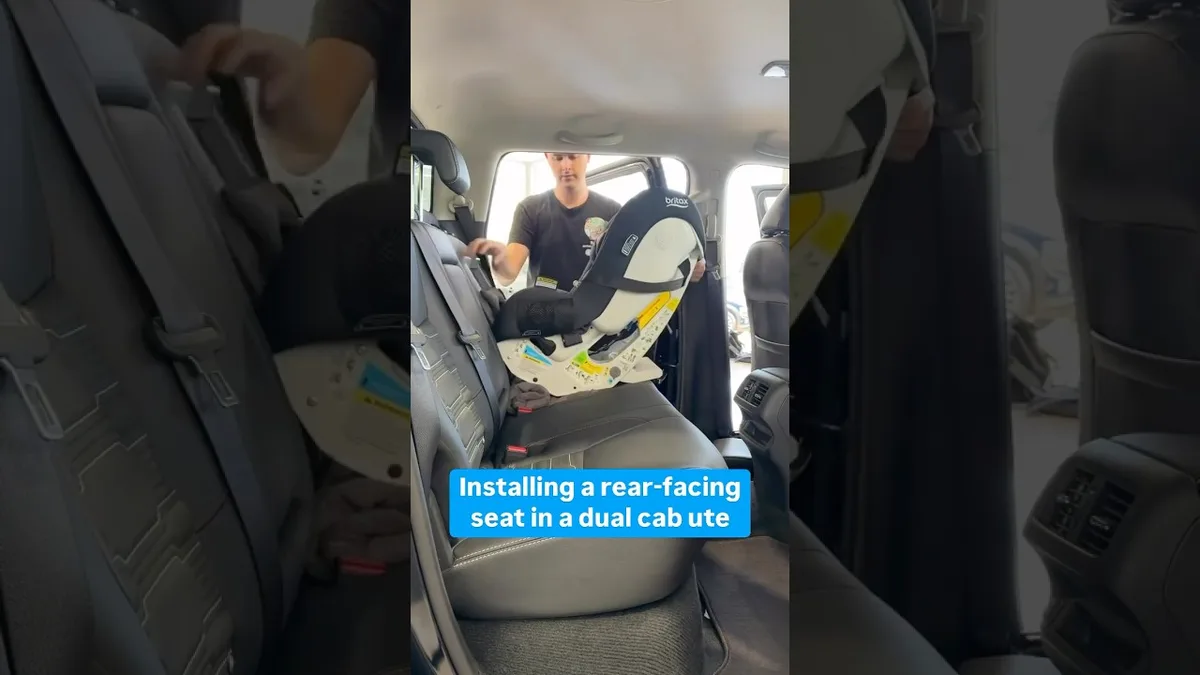
Rear-facing seats are safest for infants and toddlers. They support the head, neck, and spine by distributing crash forces across the shell.
The American Academy of Pediatrics recommends keeping children rear-facing until they reach the seat's maximum weight or height limit. This is often around age 2 or older.
Forward-Facing Seats
Once a child outgrows rear-facing limits, switch to a forward-facing seat with a five-point harness. Most convertible and all-in-one seats offer this option.
Forward-facing seats typically accommodate children from about 2 years old up to 65 lbs or more. Some premium seats allow rear-facing up to 50 lbs or beyond.
Booster Seats
Booster seats help position the vehicle seat belt correctly. They're for kids who've outgrown forward-facing harnesses but still need proper belt fit.
There are two main types:
- High-back boosters provide head and neck support and guide the shoulder belt.
- Backless boosters are lighter but rely on the vehicle's headrest.

YouTube / TaxiBaby (YouTube thumbnail (fair-use with source credit))
Booster Seats (High-Back vs. Backless)
High-back boosters are best for younger or smaller children. They integrate head support and often include side-impact protection.
Backless boosters are compact and portable. They work best in vehicles with high back seats and adjustable headrests.
When to Choose High-Back
Pick a high-back booster if your vehicle has low bench seats or no rear headrests. Also consider it if your child is still within forward-facing harness limits but transitioning.
When to Choose Backless
Pick a backless booster if your vehicle has full-height back seats with adjustable headrests. Also consider it if you need a portable option for travel.
YouTube / Children's Healthcare of Atlanta Strong4Life (YouTube thumbnail (fair-use with source credit))
How to Tell If Your Child Is Ready for a Seat Belt
Use the 5-Step Seat Belt Fit Test:
- Can they sit all the way back with their back touching the vehicle seat?
- Do their knees bend naturally at the seat edge?
- Does the lap belt rest across the upper thighs?
- Does the shoulder belt cross the chest and shoulder?
- Can they maintain this position for the entire ride?
If the answer to any question is no, keep them in a booster.
Step-by-Step: Installing a Car Seat Correctly in Mississippi
Read both the car seat manual and your vehicle owner's manual. Look for recommended installation methods and weight/height limits.
Choose the Right Installation Method
You have two options: LATCH or seat belt. LATCH uses metal anchors built into the vehicle seat. Seat belt installation requires threading the belt through the correct path.
Never use both methods simultaneously. This can overstress the connectors.
Secure the Base Tightly
The base should not move more than 1 inch in any direction. If it does, tighten the LATCH straps or lock the seat belt mechanism.
Adjust the Harness
The harness should be at or below shoulder level for rear-facing seats. For forward-facing seats, it should be at or above shoulder level. The chest clip must sit at armpit level.
YouTube / Buckle Up for Life (YouTube thumbnail (fair-use with source credit))
Common Mistakes That Break the Law (Or Put Kids at Risk)
Turning a seat forward-facing too early is dangerous. Rear-facing is significantly safer for toddlers.
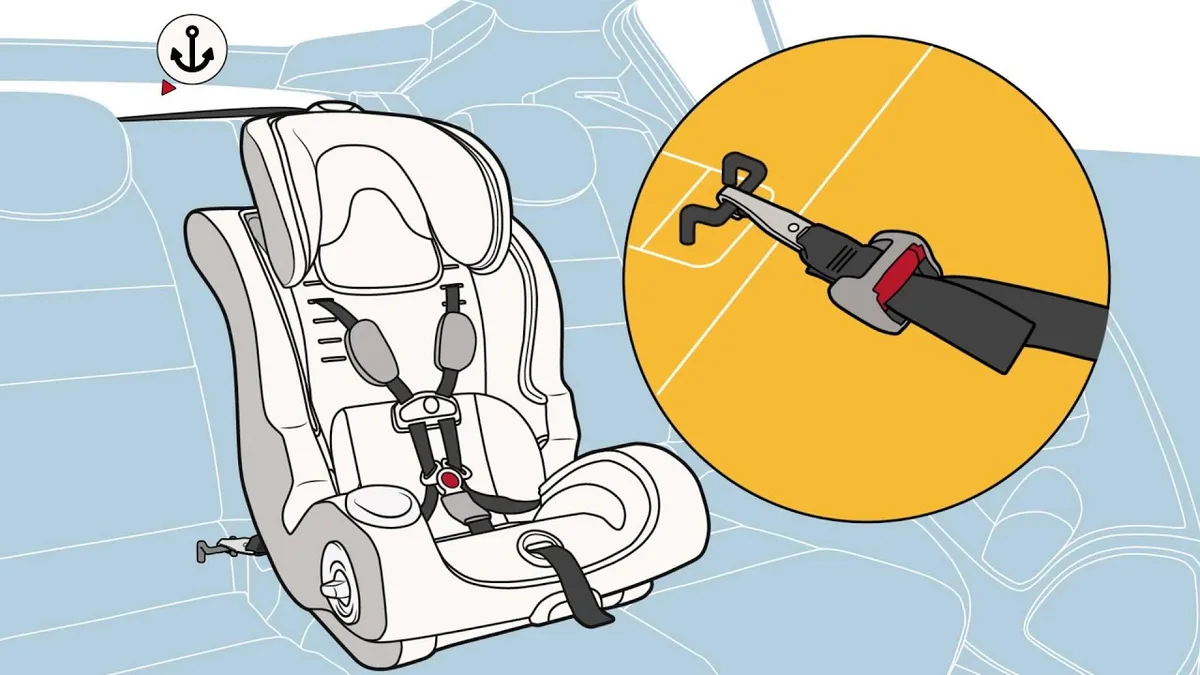
Skipping the tether strap is another common error. Top tether straps reduce head movement by up to 4, 5 inches in a collision.
Using expired or recalled seats is also risky. Car seats have expiration dates, usually 6 to 10 years from the manufacture date.
What Happens If You Don’t Follow Mississippi’s Car Seat Law?
Mississippi enforces its child restraint law as a primary offense. Penalties include a fine of up to $25 for a first offense, plus court costs.
The financial penalty is minor compared to the safety risks. An improperly restrained child is far more likely to suffer serious injury or death in a crash.
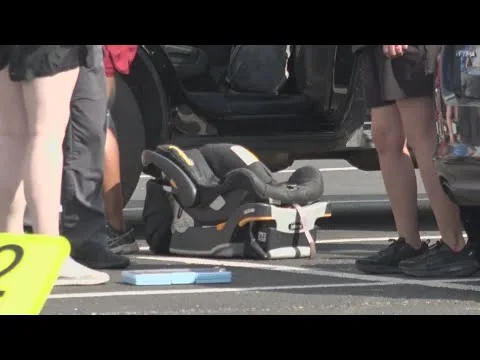
Where to Get a Free Car Seat Check in Mississippi
Mississippi offers free inspections through certified Child Passenger Safety Technicians. Contact your local fire department, hospital, or county health department.
Visit the Safe Kids Mississippi website for scheduled events and stationary check sites.
YouTube / CBS19 (YouTube thumbnail (fair-use with source credit))
Frequently Asked Questions
Can my 7-year-old ride without a booster in Mississippi?
No. Mississippi law requires all children under 7 to use a child restraint or booster. The only exception is at age 7 or older and 4'9" tall.
What if my child is tall for their age?
Height doesn't override age. A 6-year-old who's 4'10" still needs a booster until their 7th birthday.
Are backless boosters legal in Mississippi?
Yes, but only if your child meets the age and size requirements. Backless boosters are legal for kids 4, 6 under 4'9" or 60 lbs, and for all under 7.
Where can I get my car seat checked for free?
Fire stations, hospitals, and health departments often host free checks. Safe Kids Mississippi also lists certified technicians and events.
What’s the fine for breaking Mississippi’s car seat law?
The fine is up to $25 for a first offense, plus court costs. Non-compliance risks your child’s safety in a crash.