ByMax Lee
Missouri Winter Driving & Studded Tire Rules
Missouri winter driving requirements and studded tire regulations can be confusing when snow hits and you’re unsure if your tires are legal. The rules are strict: studded tires are only allowed from November 1 to April 15, and tread depth must meet minimum standards to stay compliant and safe.
As of 2026, Missouri enforces these laws to prevent road damage and accidents. Knowing specifics like the 2/32-inch tread depth minimum can save you from fines or worse.
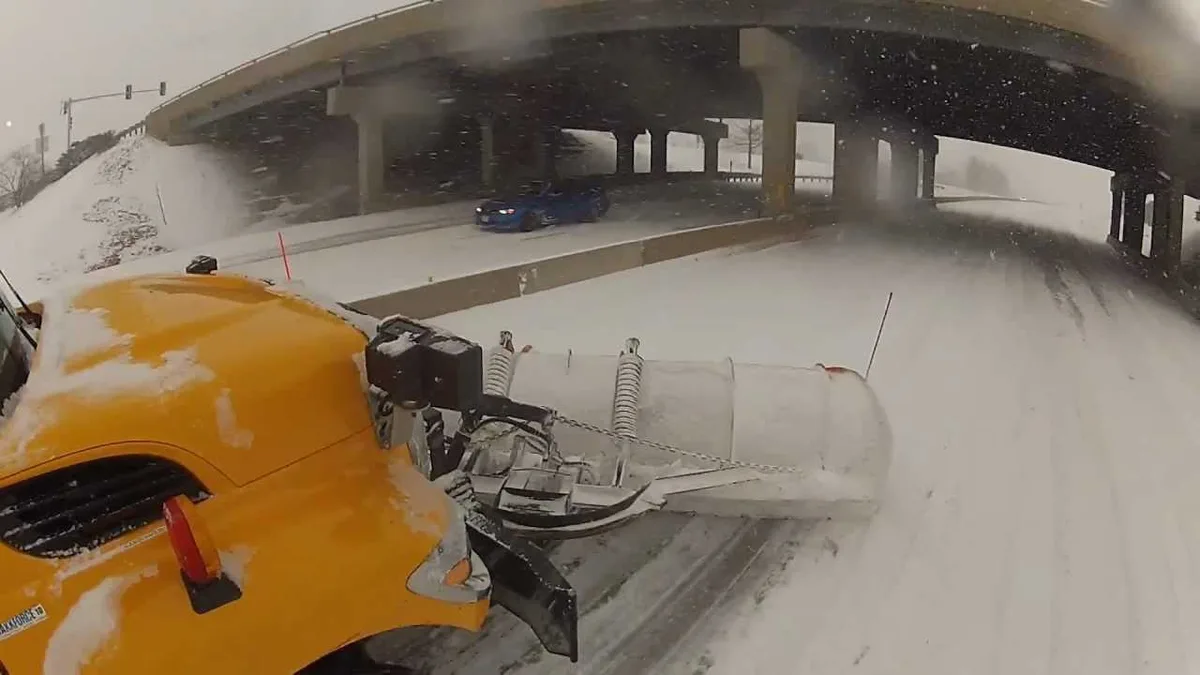
YouTube / MoDOTvideo (YouTube thumbnail (fair-use with source credit))
Quick Answer
Missouri allows studded tires from November 1 to April 15. Minimum tread depth is 2/32 inch. Chains are required on some roads during severe winter conditions.
Fines apply for illegal studded tire use outside the permitted window.
Studded Tire Regulations: Dates, Limits, and Legalities
Missouri’s studded tire season runs from November 1 to April 15. Outside this window, using studded tires is illegal and can result in fines. The law protects road surfaces from damage caused by metal studs during warmer months.
Studded tires must comply with specific limits. The maximum stud protrusion is 0.06 inches (2 mm). The number of studs per tire is regulated to prevent excessive road wear.
The Missouri State Highway Patrol enforces these rules.

YouTube / Anum Pirzada (YouTube thumbnail (fair-use with source credit))
Exceptions exist for emergency vehicles and certain historic or agricultural uses. For most drivers, sticking to the permitted season is the simplest way to avoid penalties.
Required Winter Driving Equipment: Chains, Cables, and Tires
Missouri doesn’t mandate winter tires for all vehicles, but it does require adequate tread depth. The legal minimum is 2/32 inch, though 4/32 inch is recommended for better traction in snow and ice.
Check your tread depth using a gauge or the penny test. Insert a penny into the tread with Lincoln’s head upside down. If you can see the top of his head, your tires are below the legal limit.
For commercial vehicles, the rules are stricter. Chains or cables may be required on certain roads during winter storms, especially in mountainous or rural areas. MoDOT posts signs when chain laws are in effect.
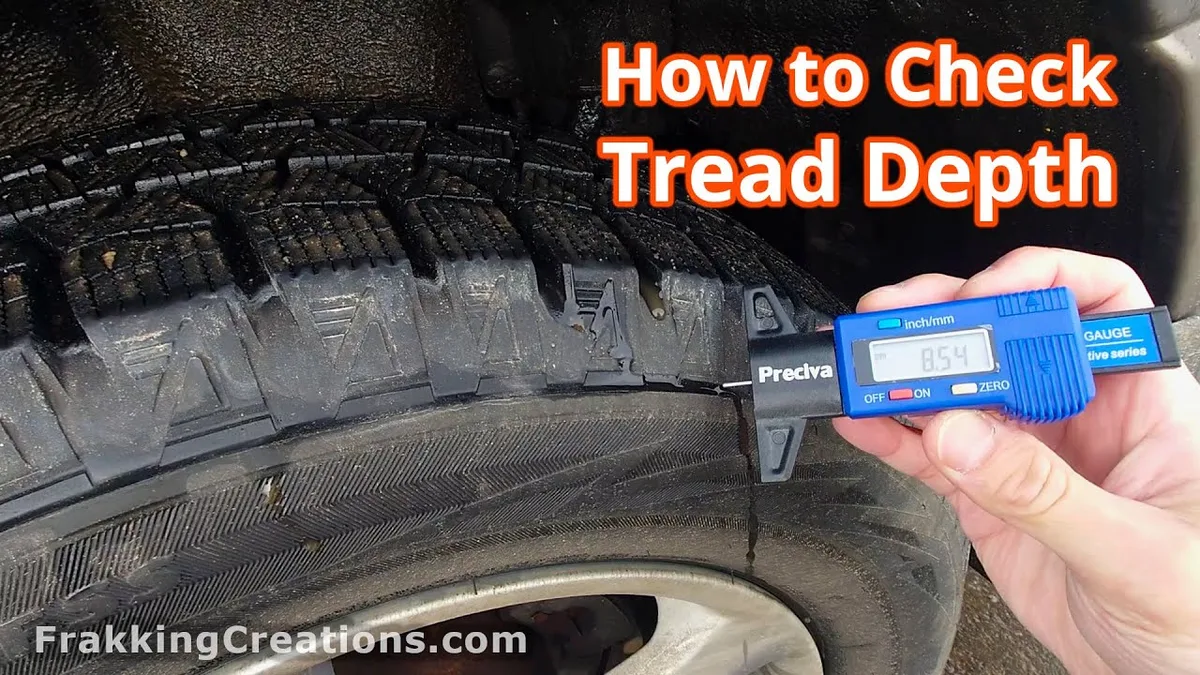
YouTube / Frakking Creations (YouTube thumbnail (fair-use with source credit))
All-season tires are legal but may not provide enough grip in severe winter conditions. Winter tires are designed with softer rubber and deeper treads to perform better in cold weather.
When to Use Chains vs. Winter Tires: MoDOT Guidelines
MoDOT activates chain laws when road conditions become hazardous. These laws typically apply to commercial vehicles, but passenger vehicles may also need chains in extreme cases. Signs will indicate when chains are required.
Chains provide extra traction on packed snow and ice, but they’re not a substitute for proper tires. If you’re using chains, make sure they’re the right size for your tires and that they’re installed correctly. Driving with chains on bare pavement can damage both the chains and the road.
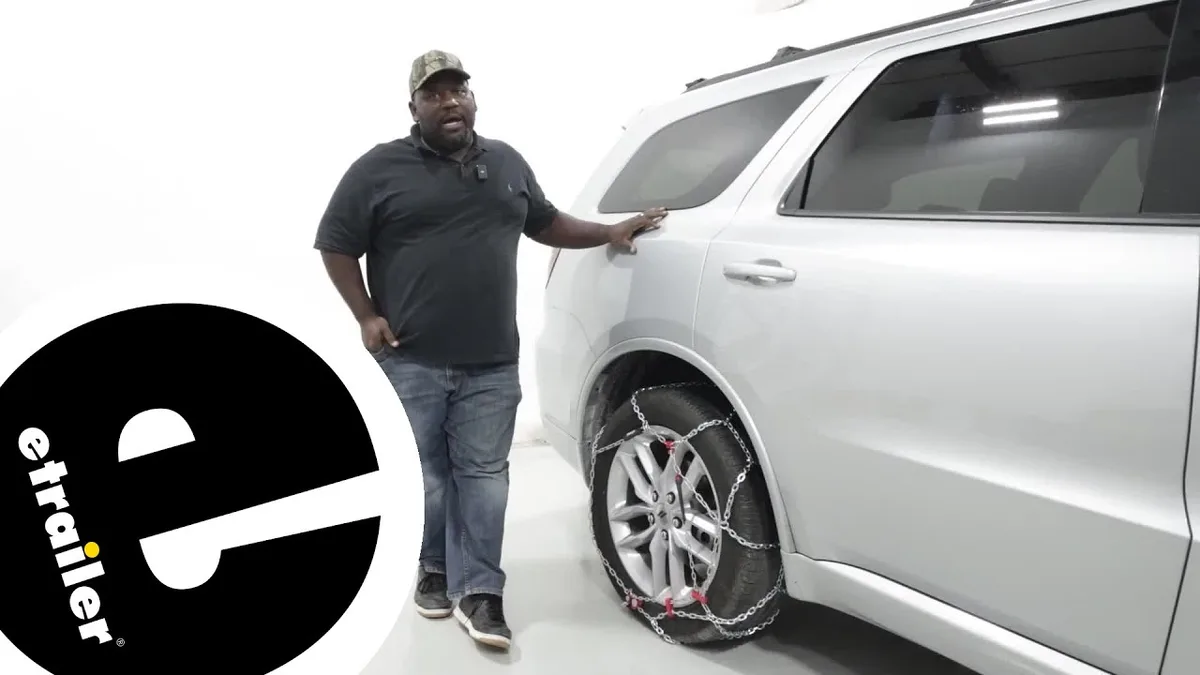
YouTube / etrailer (YouTube thumbnail (fair-use with source credit))
Winter tires are a better long-term solution for most drivers. They handle cold temperatures and provide better grip without the hassle of installing and removing chains. However, even with winter tires, carrying a set of chains is a good idea if you plan to drive in remote or mountainous areas.
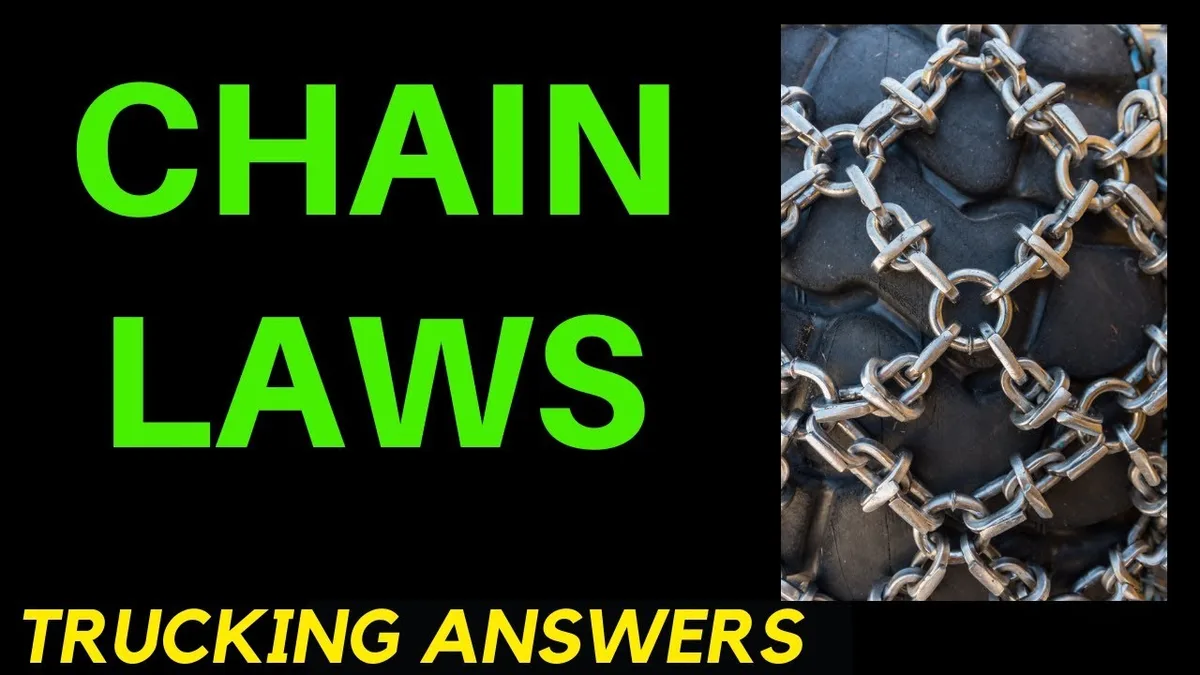
YouTube / Trucking Answers (YouTube thumbnail (fair-use with source credit))
Commercial Vehicle Requirements: CDL Drivers Must Know
Commercial drivers have additional responsibilities under Missouri’s winter driving laws. If you’re operating a truck, bus, or other commercial vehicle, you must carry chains or cables during the winter months. These must be installed when chain laws are in effect.
MoDOT and the Missouri State Highway Patrol conduct inspections to ensure compliance. If your vehicle is found without the required equipment, you could face fines or be prohibited from continuing your route. For CDL holders, these violations can also impact your driving record.
Safe Winter Driving Techniques for Missouri Roads
Black ice forms quickly on Missouri highways, especially on bridges and overpasses. Reduce speed before approaching these areas and avoid sudden braking. If your vehicle starts to skid, steer in the direction of the skid and ease off the accelerator.
Braking distances increase dramatically on ice. At 30 mph, stopping distance can stretch from 75 feet on dry pavement to 500+ feet on ice. Maintain at least three times the normal following distance in winter conditions.
Crosswinds are common on open stretches of I-70 and I-44. Keep both hands on the wheel and be prepared for sudden gusts that can push lighter vehicles off course.
Penalties and Enforcement: Fines for Illegal Winter Equipment
Using studded tires outside the November 1 to April 15 window can result in fines up to $500. Law enforcement may also require you to remove the tires before continuing your trip.
Chain violations carry similar fines. If you’re required to use chains but don’t, you could be cited and potentially prohibited from driving until you comply. Commercial drivers face additional scrutiny, with violations potentially affecting their CDL status.
MoDOT and the Missouri State Highway Patrol conduct random inspections during winter months. They check for proper equipment, tread depth, and compliance with seasonal restrictions.
Common Mistakes Drivers Make with Winter Gear
Many drivers assume winter tires eliminate the need for chains. This isn’t true in extreme conditions. Chains provide extra grip when even the best winter tires struggle.
Using winter tires in warm weather accelerates tread wear. The softer rubber compounds are designed for cold temperatures and can degrade quickly above 45°F. Swap back to all-season or summer tires when winter ends.
Ignoring tire age is another common error. Even with plenty of tread, tires older than six years can have hardened rubber that reduces grip. Check the DOT date code on your tires to confirm their age.
Seasonal Preparation Checklist: Before the Snow Hits
Install winter tires before the first snowfall. The ideal window is late October to early November. This gives you time to adjust to the different handling characteristics.
Check your battery and fluids before winter hits. Cold weather reduces battery capacity by up to 50%. Ensure your antifreeze mixture is correct and your windshield washer fluid is rated for freezing temperatures.
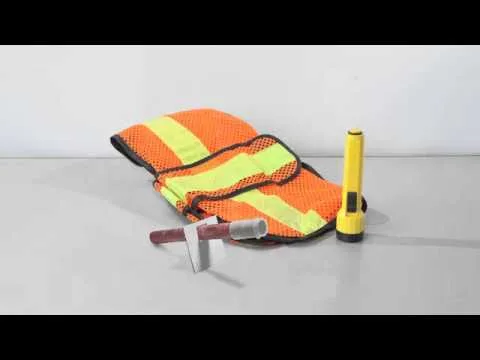
Pack an emergency kit. Include a shovel, sand or cat litter for traction, jumper cables, a flashlight, and warm blankets. A portable phone charger and non-perishable snacks are also smart additions.
YouTube / TransportCanada (YouTube thumbnail (fair-use with source credit))
Monitor MoDOT’s winter road reports. Their website and 511 phone system provide real-time updates on road conditions, closures, and chain requirements.
Install winter tires before the first snowfall. The ideal window is late October to early November. This gives you time to adjust to the different handling characteristics.
Check your battery and fluids before winter hits. Cold weather reduces battery capacity by up to 50%. Ensure your antifreeze mixture is correct and your windshield washer fluid is rated for freezing temperatures.
Pack an emergency kit. Include a shovel, sand or cat litter for traction, jumper cables, a flashlight, and warm blankets. A portable phone charger and non-perishable snacks are also smart additions.
YouTube / TransportCanada (YouTube thumbnail (fair-use with source credit))
Monitor MoDOT’s winter road reports. Their website and 511 phone system provide real-time updates on road conditions, closures, and chain requirements.
Frequently Asked Questions
Are studded tires legal year-round in Missouri?
No. Studded tires are only legal from November 1 to April 15. Using them outside this period can result in fines and mandatory removal.
Can I use tire chains on Interstate highways?
Yes, but only when required by MoDOT or during active winter storms. Driving with chains on bare pavement can damage both the chains and the road surface.
What happens if I’m caught with illegal studded tires?
You’ll face fines up to $500 and may be required to remove the tires before continuing your trip. Repeat offenses can lead to higher penalties.
Do AWD/4WD vehicles need winter tires too?
Yes. All-wheel drive and four-wheel drive improve acceleration but don’t shorten braking distances on ice. Winter tires provide better traction for stopping and turning in all conditions.