North Dakota child restraint law and car seat requirements for ages 8 and under trip up even the most careful caregivers. The state’s rules don’t always match national safety best practices, leaving many parents confused about what’s legal versus what’s safest. State rules set the legal floor, but they’re only the starting point for keeping kids safe on North Dakota roads.
We’ve pulled the latest official guidance from the North Dakota Department of Transportation to clarify exactly what you need to know.
Per National Highway Traffic Safety Administration (NHTSA) testing, 46% of child car seats are installed incorrectly, raising injury risk even when families follow state minimums.
ND Child Car Seat Laws: Requirements for Ages 8 & Under

Quick Answer
North Dakota requires all children 8 and under to use a federally approved car seat or booster. Kids under 8 must ride in the back seat when possible. Children may use only a lap-shoulder seat belt once they hit 4 feet 9 inches tall.
The minimum fine for non-compliance is $25 for a first offense. All car seats must meet Federal Motor Vehicle Safety Standard 213 requirements.
Why These Rules Exist (And Why You Should Follow Them)
These rules aren’t just red tape. They’re built to reduce catastrophic injury risk for kids in crashes. Rear-facing seats cut fatal infant injury risk by 71%.
Forward-facing harness seats cut fatal toddler injury risk by 54%. Booster seats reduce serious injury risk for kids 4 to 8 by 45%. Following state minimums keeps you compliant, but exceeding them where possible adds extra protection.
North Dakota’s Car Seat Requirements by Age, Weight, and Height
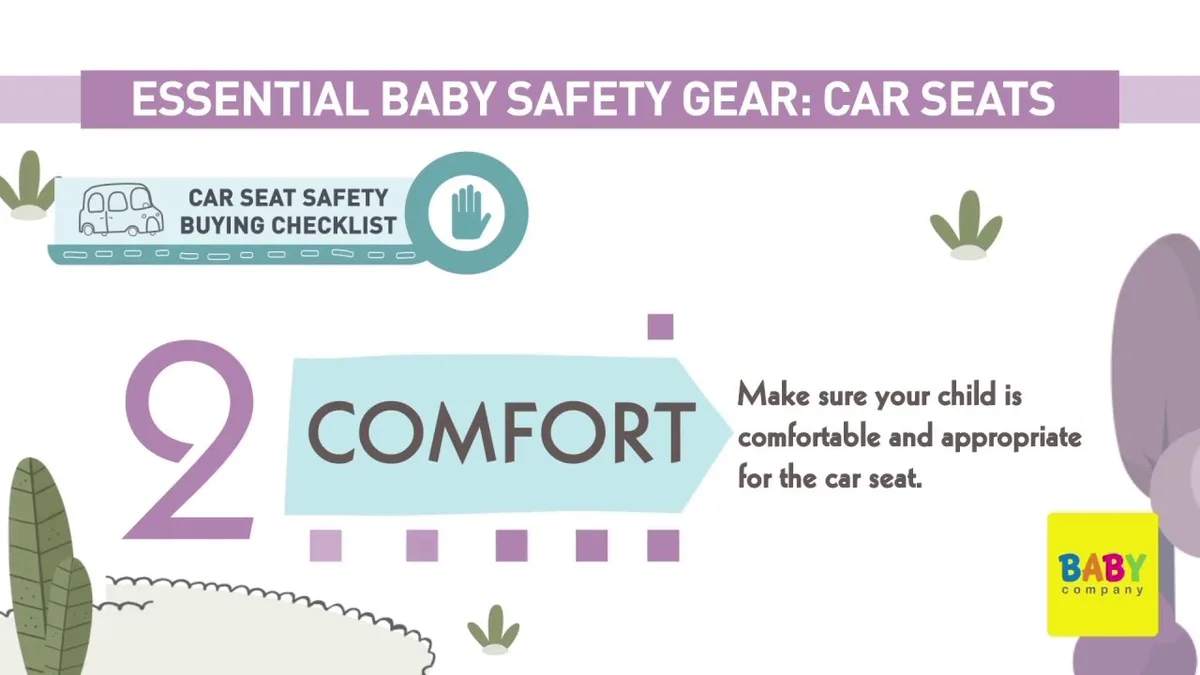
North Dakota child restraint rules are tied directly to three metrics: age, weight, and height. State law sets minimum thresholds for each restraint type for kids 8 and under.
| Restraint Type | Minimum Age | Minimum Weight | Minimum Height | Maximum Age/Size |
|---|---|---|---|---|
| Rear-facing car seat | Birth | 5 lbs | N/A | 2 years old, or until seat’s limit |
| Forward-facing car seat | 2 years old | 20 lbs | N/A | 65–80 lbs, or until seat’s limit |
| Belt-positioning booster seat | 4 years old | 40 lbs | N/A | 4 ft 9 in tall |
| Lap-shoulder seat belt only | 8 years old | N/A | 4 ft 9 in | N/A |
All thresholds are minimums per North Dakota Century Code Chapter 39-21-41, current as of 2026. You can keep your child in a higher restraint type as long as the seat’s manufacturer weight and height limits allow.
Rear-Facing vs. Forward-Facing vs. Booster: When to Switch
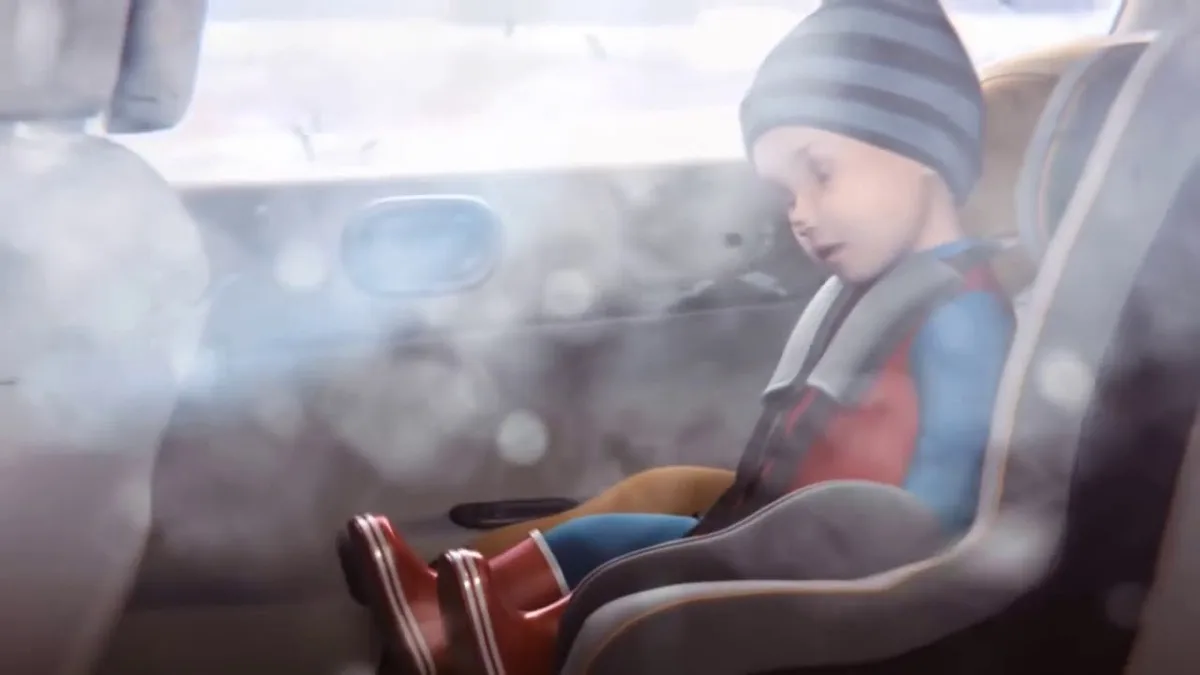
Rear-facing seats are safest for infants and toddlers. They cradle the head, neck, and spine during a crash. Convertible seats let you keep kids rear-facing until they hit the seat’s weight or height limit, often 40, 50 lbs.
Forward-facing seats with a 5-point harness come next. Keep your child here until they hit the seat’s upper weight limit, usually 65, 80 lbs.
Boosters lift your child so the lap-shoulder seat belt fits across their chest and hip bones. Kids must stay in a booster until they’re 4 ft 9 in tall, which is often 10 to 12 years old.
How to Tell If Your Child Is Ready for a Seat Belt Only
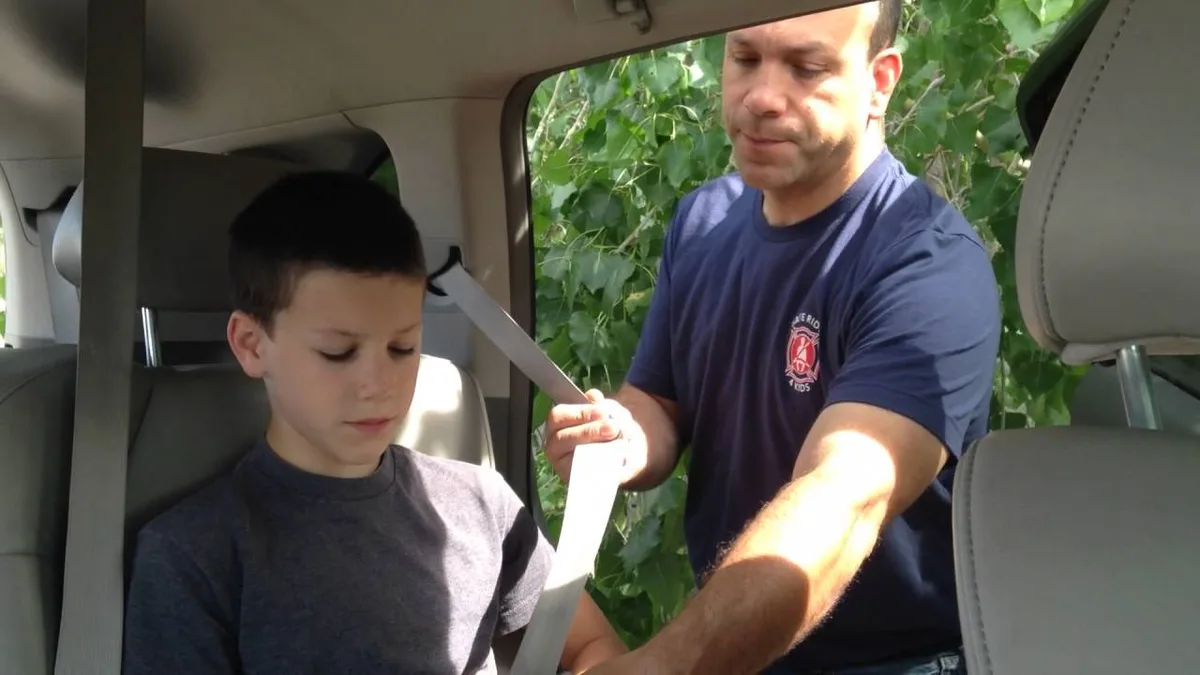
Use the 5-step seat belt fit test to confirm readiness. If your child fails any step, they need to stay in a booster.
- Have your child sit all the way back against the vehicle seat.
- Check that their knees bend comfortably at the edge of the seat.
- Make sure the lap belt sits low across their upper thighs, not their stomach.
- Confirm the shoulder belt crosses the middle of their chest and shoulder.
- Have them stay in this position for the entire car ride.
Step-by-Step: Choosing and Installing the Right Car Seat

Step 1: Pick the right seat for your child’s size
Check the seat’s height and weight limits on the label or manual.
Step 2: Verify the seat meets federal standards
Look for the FMVSS 213 label on the seat.
Step 3: Choose the installation method
Use LATCH or the vehicle’s seat belt. Never use both unless the seat manual allows it.
Step 4: Install the seat tightly
A properly installed seat shouldn’t move more than 1 inch side-to-side.
Step 5: Secure your child correctly
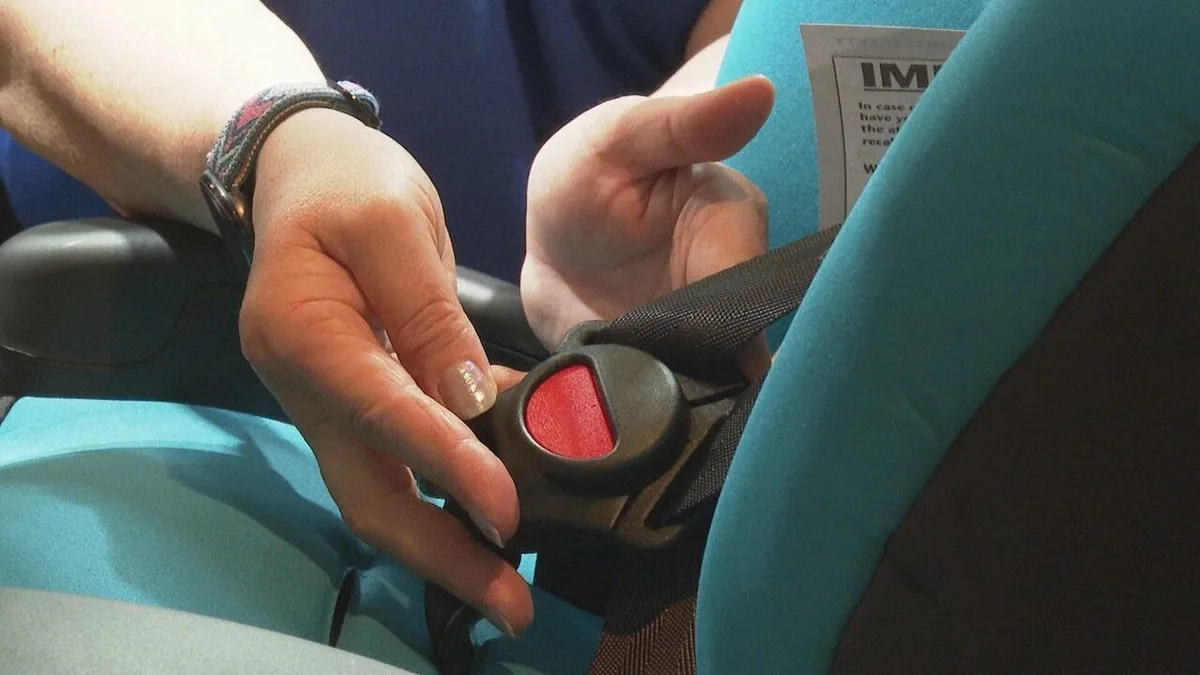
Harness straps should be snug enough that you can’t pinch excess strap at the shoulder.
Step 6: Double-check with a professional
North Dakota offers free inspections through the NDDOT.
Free Car Seat Checks and Low-Income Assistance in ND
The NDDOT partners with local agencies to offer free inspection events. Find a location near you on the NDDOT’s Child Passenger Safety page.
Low-income families may qualify for free or discounted car seats through state health department programs. Contact your county health office for details.
What Happens If You Break the Law?
Non-compliance carries a minimum $25 fine for a first offense. Repeat offenses can lead to higher fines and points on your driving record.
The far bigger risk is injury. Improperly restrained children are 3 times more likely to suffer fatal injuries in crashes.
Special Cases: Medical Exemptions, Older Vehicles, and Rural Travel
Medical exemptions are allowed for children with documented conditions that make standard restraints unsafe. You’ll need a written note from a licensed physician.
Cars made before 2002 lack LATCH anchors but remain compliant if the car seat is installed correctly with the vehicle’s seat belt.
For long rural trips, recheck your installation before leaving. Remove bulky winter coats to avoid harness slack.
Common Mistakes North Dakota Parents Make (And How to Avoid Them)
Switching to a booster before your child hits 40 lbs is a common error. Staying in a forward-facing harness seat as long as the seat’s weight limit allows cuts injury risk significantly.
Skipping the top tether on forward-facing seats is another frequent mistake. The tether prevents the seat from tipping forward in a crash, reducing head injury risk by 30%.
Bulky winter coats create hidden harness slack. Remove your child’s coat before securing them, then do the pinch test.
Replace any expired or crash-damaged seat immediately.
Final Checklist: Are You Compliant and Safe?
- Your child’s car seat is not expired and has never been in a moderate or severe crash
- The seat is installed tightly, moving less than 1 inch side-to-side
- Harness straps are snug, with no excess webbing at the shoulder
- Forward-facing seats have the top tether attached
- Your child passes the 5-step seat belt fit test before using only a lap-shoulder belt
- You’ve had your installation checked by a certified technician
Frequently Asked Questions
When can my child use just a seat belt in North Dakota?
Your child can use only a lap-shoulder seat belt once they hit 4 feet 9 inches tall. Use the 5-step fit test to confirm readiness.
Do car seats expire in North Dakota?
Yes, all car seats expire 6 to 10 years after manufacture. Expired plastic becomes brittle in crashes. Check the seat’s label for the expiration date.
Can I use a used car seat in North Dakota?
Used car seats are allowed only if they have never been in a moderate or severe crash, are not expired, and have all parts and labels intact.
Are car seat requirements different for rideshare in North Dakota?
Rideshare and taxi vehicles are exempt from the state’s child restraint law. Safety experts still recommend using a car seat for all trips.
When does North Dakota’s child restraint law take effect for new drivers?
The current rules apply to all drivers transporting children 8 and under, regardless of experience level. The law has been in effect since 2021 and remains unchanged as of 2026.