ByMax Lee
Nebraska Car Exhaust Noise Laws Explained
Nebraska muffler and exhaust noise level regulations for passenger cars can be confusing, especially when you're trying to modify your vehicle without breaking the law. The state has clear rules about what’s allowed, and misunderstanding them can lead to fines or failed inspections.
As of 2026, Nebraska requires passenger cars to have a functioning muffler, and noise levels are measured against specific decibel limits. Here’s what you need to know to stay compliant.
Quick Answer
Nebraska muffler and exhaust noise level regulations for passenger cars require a functioning muffler. Exhaust noise cannot exceed 92 decibels when measured at 20 inches from the tailpipe. Muffler cutouts and straight pipes are illegal.
All vehicles must meet these standards during operation.
The Quick Legal Standard for Passenger Cars
Nebraska law is straightforward: your car must have a muffler, and it must work properly. The state doesn’t just require a muffler to be present, it must also prevent excessive or unusual noise.
The legal standard is based on Nebraska Revised Statute §60-6,221, which prohibits muffler cutouts and any modifications that amplify or alter exhaust noise beyond factory specifications. This means no straight pipes, no removed mufflers, and no devices that bypass the muffler system.
How Nebraska Defines a Legal Muffler
A legal muffler in Nebraska must reduce noise and be in good working condition. This means no holes, rust-through, or modifications that compromise its function.
The muffler must also be part of a complete exhaust system. This includes the tailpipe, resonator (if equipped), and all connecting pipes. Any component that’s missing or altered to increase noise violates state law.
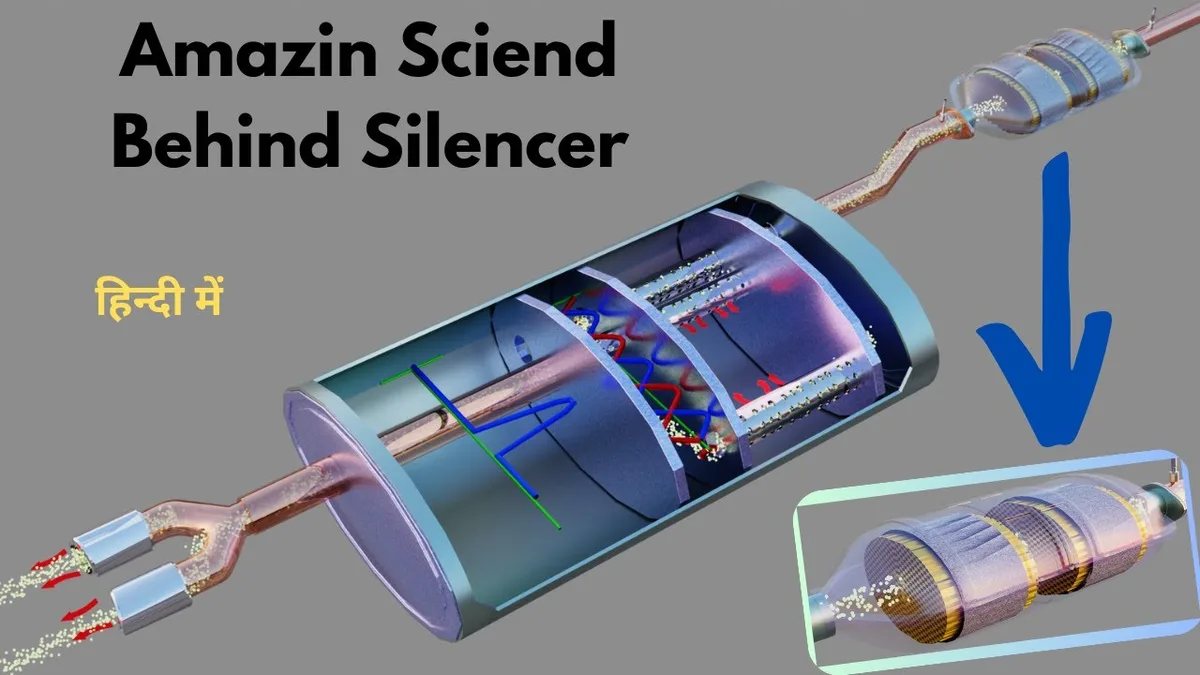
Aftermarket mufflers are allowed as long as they meet the noise reduction standards set by the Society of Automotive Engineers (SAE).
The Decibel Limits You Need to Know
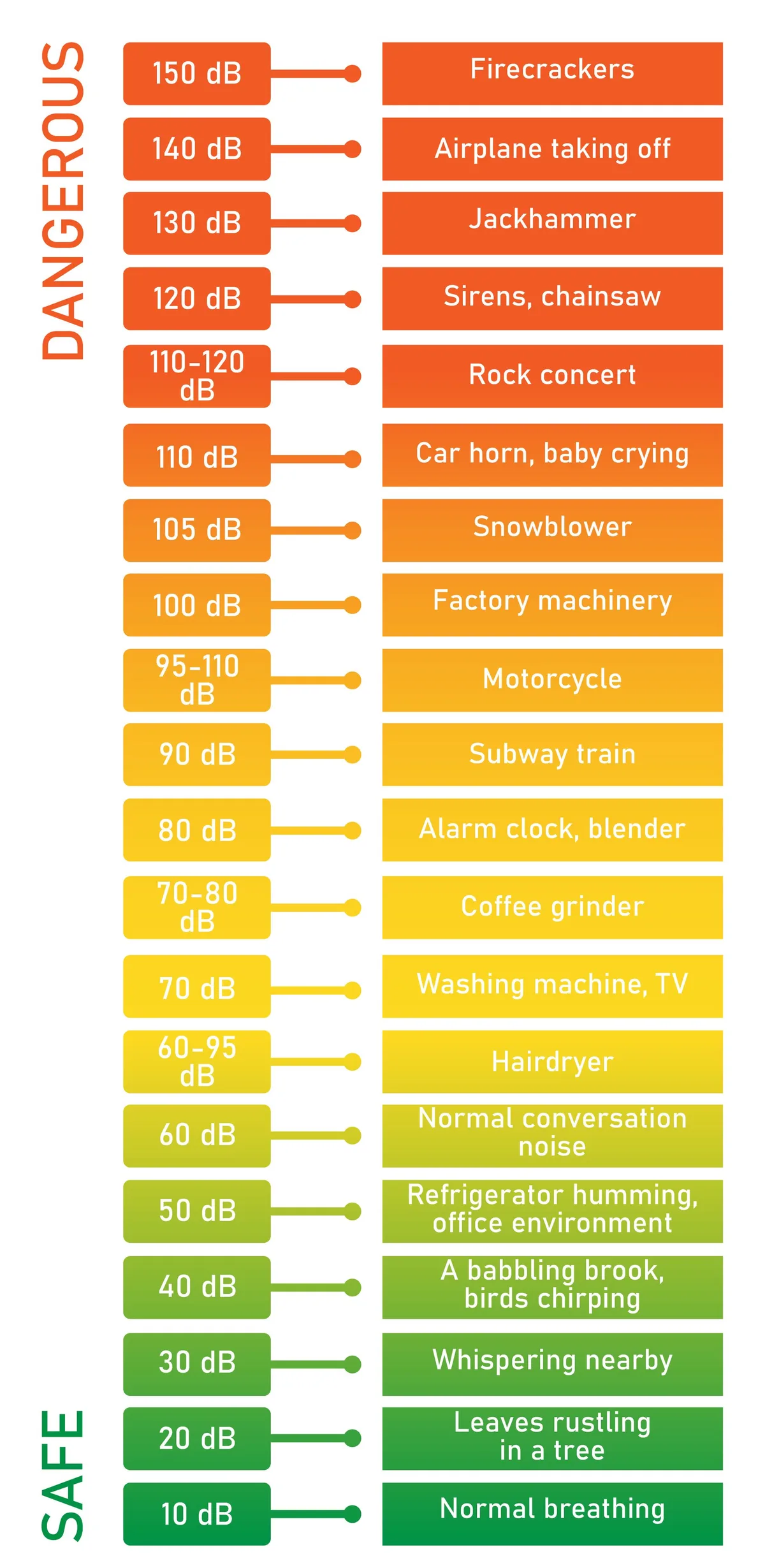
Nebraska enforces a maximum noise level of 92 decibels for passenger cars. This is measured at 20 inches from the exhaust outlet while the engine runs at around 3,500 RPM.
The 92 dB limit is a hard ceiling. Exceeding it, even by a few decibels, can result in a citation. This standard aligns with the SAE J1287 test procedure.
Some municipalities, like Omaha and Lincoln, may have additional local ordinances. Always check city codes if you’re modifying your exhaust system.
Where and How Noise Levels Are Measured
Noise levels are measured using a sound level meter placed 20 inches from the tailpipe. The test is typically conducted with the engine at a steady 3,500 RPM to simulate real-world driving conditions.
The measurement must be taken in an open area free from reflective surfaces. Law enforcement uses calibrated equipment to ensure accuracy.
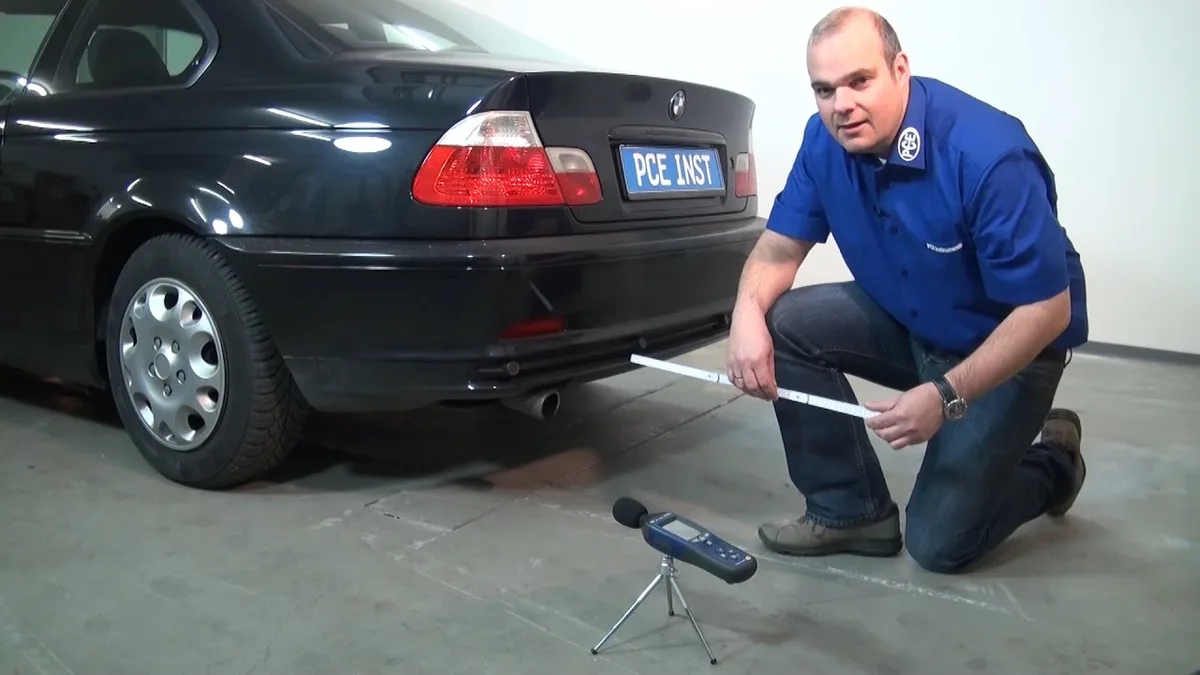
Many muffler shops can perform a decibel test for you. This is a smart move before making any modifications.
What’s Illegal (and What’s Just Loud)
Straight pipes are illegal in Nebraska. Any exhaust system that bypasses the muffler or uses a cutout valve violates state law.
Modified exhausts that amplify noise beyond 92 decibels are also prohibited. This includes systems with removed resonators or aftermarket parts that increase sound output.
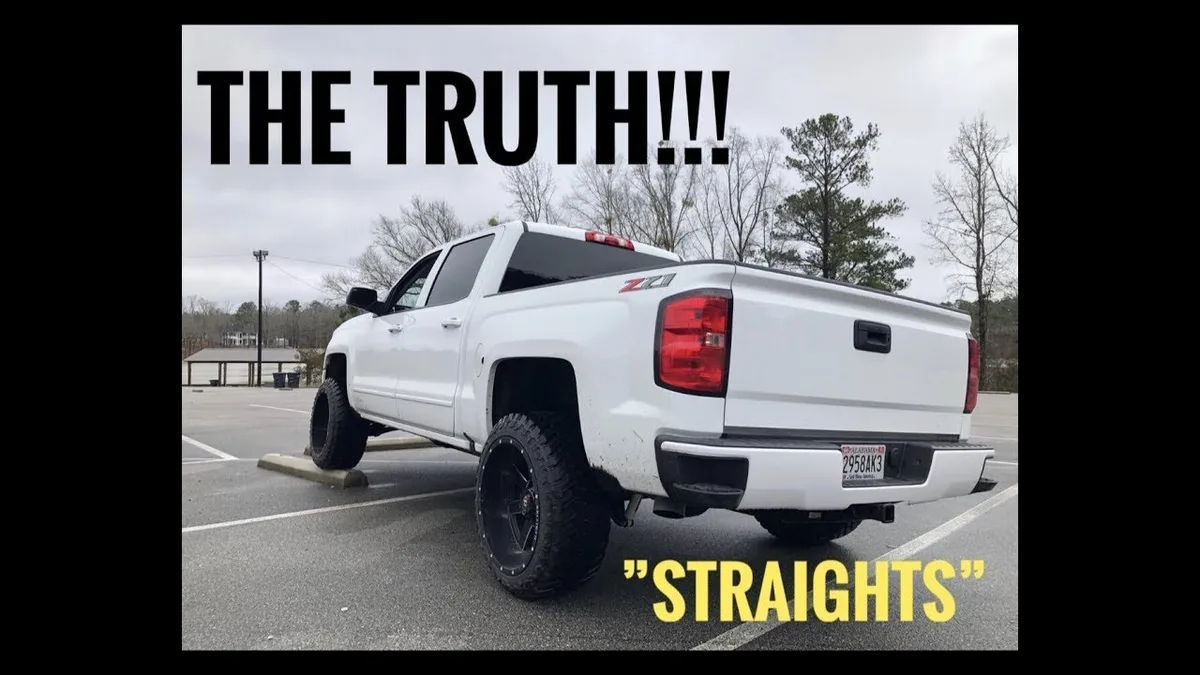
Even if your exhaust sounds loud but stays under the decibel limit, it must still have a properly functioning muffler.
Omaha and Lincoln: Local Rules on Top of State Law
Omaha and Lincoln have their own noise ordinances that can be stricter than state law. In Omaha, excessive noise can result in fines even if your exhaust technically meets state decibel limits.
Lincoln follows similar local rules. Both cities empower law enforcement to issue citations for loud or modified exhausts that disturb the peace.
Always check municipal codes if you live in or travel through these areas.
How to Check If Your Exhaust Is Compliant
Start with a visual inspection. Look for holes, rust, or missing components in the muffler and exhaust system.
Next, listen for unusual noise. A properly functioning muffler should significantly reduce engine noise.
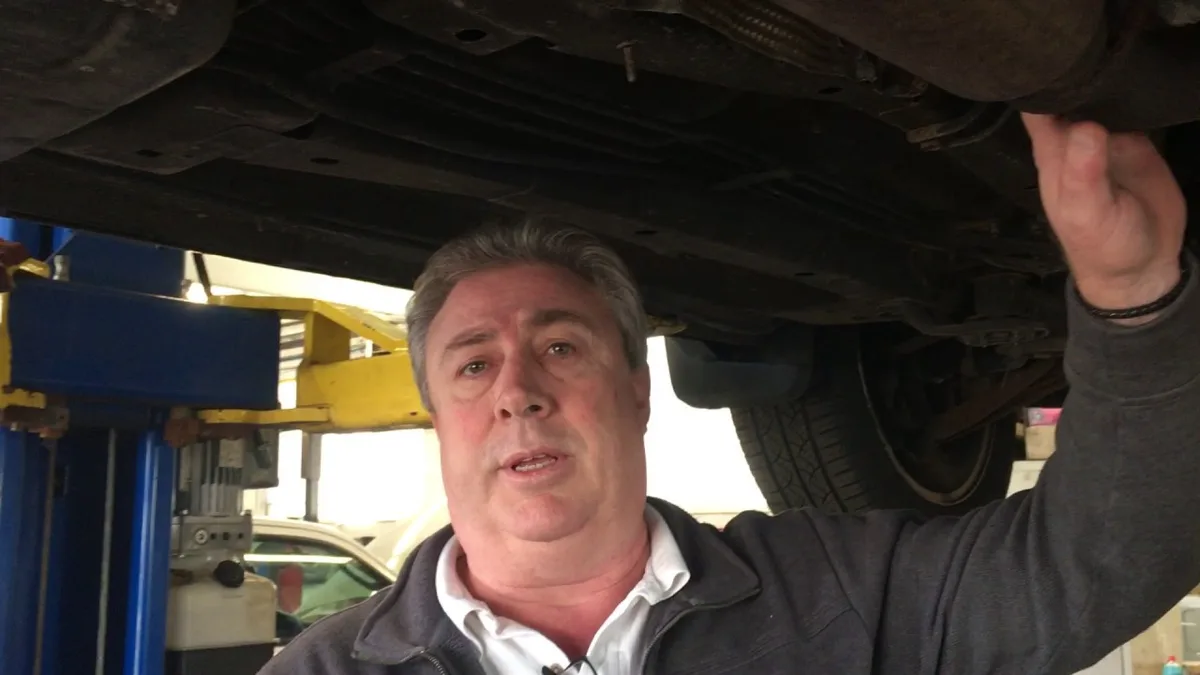
For a definitive answer, visit a muffler shop. They can perform a decibel test and confirm whether your system meets Nebraska’s standards.
Common Modifications That Break the Law
Muffler deletes are a common but illegal modification. Removing the muffler entirely violates state law, regardless of how it sounds.
Cutout valves are also prohibited. These allow drivers to bypass the muffler at the flip of a switch, which is explicitly banned.
Aftermarket exhausts that increase noise beyond legal limits are another frequent issue. Even if the muffler is present, exceeding 92 decibels is a violation.
What Happens If You’re Pulled Over for Noise
You’ll likely receive a citation if your exhaust is found to be non-compliant. Fines vary but can reach up to $100 or more depending on the jurisdiction.
In some cases, you may be ordered to repair or replace your exhaust system. Until the issue is fixed, you could face additional citations if stopped again.
Law enforcement has the discretion to enforce these rules. If your exhaust is excessively loud or clearly modified, you’re at risk of being pulled over.
How to Fix a Non-Compliant Exhaust System
The simplest fix is to reinstall a factory-style muffler. This ensures you meet both the noise and equipment requirements.
If you prefer an aftermarket option, choose one labeled as street-legal and meeting SAE J1287 standards. Many performance mufflers stay under 92 decibels while improving flow.
A professional muffler shop can weld in a new muffler or repair damaged sections. They’ll verify the system meets Nebraska’s legal standards before you drive away.
Costs of Replacement vs. Fines
A basic muffler replacement typically costs between $100 and $300. Performance mufflers can run $200 to $600 depending on brand and material.
Fines for illegal exhaust systems start around $50 but can climb to $200 or more for repeat offenses. In some cases, you may also have to pay for a mandatory inspection after repairs.
Expert Tips to Stay Legal Without Sacrificing Sound
Stick with mufflers labeled as 50-state legal. These are designed to meet noise regulations across the country, including Nebraska.
Consider a resonator delete only if your system still has a properly functioning muffler. Removing the resonator alone won’t always push you over the decibel limit, but it’s a gray area.
Get a decibel test before and after modifications. Many shops offer this service for a small fee.
Frequently Asked Questions
Is a straight pipe exhaust legal in Nebraska?
No. Straight pipe exhausts are illegal because they remove the muffler entirely, which violates state law.
What’s the maximum decibel level for a car in Nebraska?
The limit is 92 decibels measured at 20 inches from the tailpipe. Exceeding this can result in a citation.
Can I get pulled over just for a loud exhaust?
Yes. If an officer determines your exhaust is excessively loud or modified, they can stop you and issue a citation.
Do I need a muffler if my car is old?
Yes. All passenger cars in Nebraska must have a muffler in good working order, regardless of age.
Are aftermarket mufflers legal in Nebraska?
They are legal if they meet the 92 decibel limit and maintain proper noise reduction. Always check specifications before installing.