ByMax Lee
Puerto Rico Has No Statewide Emissions Testing
If you’ve been digging into the rules, you probably want a straight answer to a simple question. Here it is: Puerto Rico does not have a mandatory statewide emissions inspection program. As of 2026, the island does not require smog checks, tailpipe tests, or OBD-II scans for vehicle registration.
That makes Puerto Rico different from many mainland states.
Our research confirms that Puerto Rico’s registration process focuses on safety inspections rather than emissions. The U.S. Environmental Protection Agency (EPA) treats Puerto Rico as a separate air quality jurisdiction, and the territory has chosen not to implement a statewide testing program.
YouTube / JELA's Ark (YouTube thumbnail (fair-use with source credit))
Quick Answer: No Statewide Requirement
Puerto Rico does not require emissions testing. The island has no inspection program for tailpipe emissions. Vehicle registration relies on a safety inspection instead.
If you live in Puerto Rico, you do not pay smog check fees.
How Vehicle Emissions Testing Works in Puerto Rico
In Puerto Rico, there is no emissions test to pass. But it helps to understand what a typical emissions inspection looks like in other places. Most states with mandatory programs use a simple plug-in test.
A technician connects a scanner to the OBD-II port, which is found under the dashboard of most cars built since 1996. The scanner reads the engine computer for fault codes and checks if the emissions monitors are ready.
Puerto Rico’s inspection process is different. Vehicles must pass a safety inspection known as revisión. This covers brakes, lights, tires, and other basic safety components.
No emission measurements are taken.
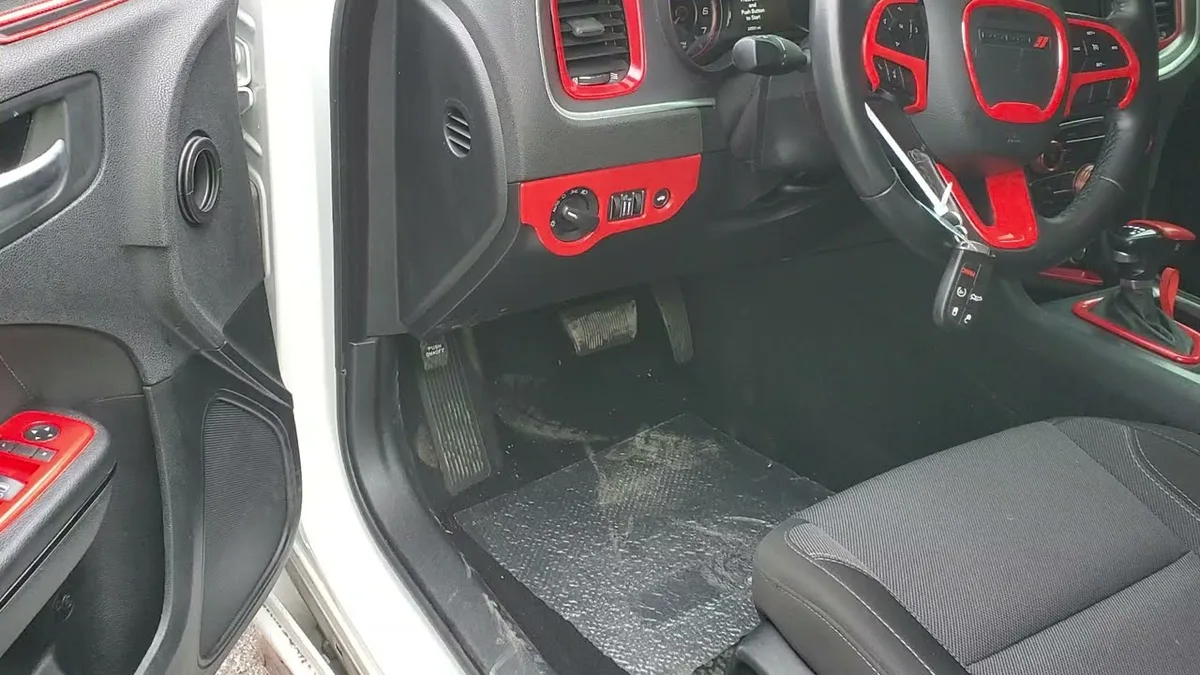
YouTube / Paul79UF (YouTube thumbnail (fair-use with source credit))
If you’ve never owned a car in a testing state, this distinction matters. On the mainland, a simple dashboard warning light can fail your car. In Puerto Rico, that same light won’t stop your registration.
Why Puerto Rico Doesn’t Require Emissions Inspections
The short answer is that the island hasn’t been forced to. The Clean Air Act gives the EPA authority to require emissions testing in areas that fail to meet national air quality standards. Puerto Rico’s air quality, especially in the coastal areas, has stayed within federal limits.
The constant trade winds help blow pollution away. So the EPA has not demanded a testing program.
There’s also a local choice at play. Puerto Rico has its own environmental agency and legislative control over vehicle regulations. The local government has decided that the cost of a testing program outweighs the benefits.
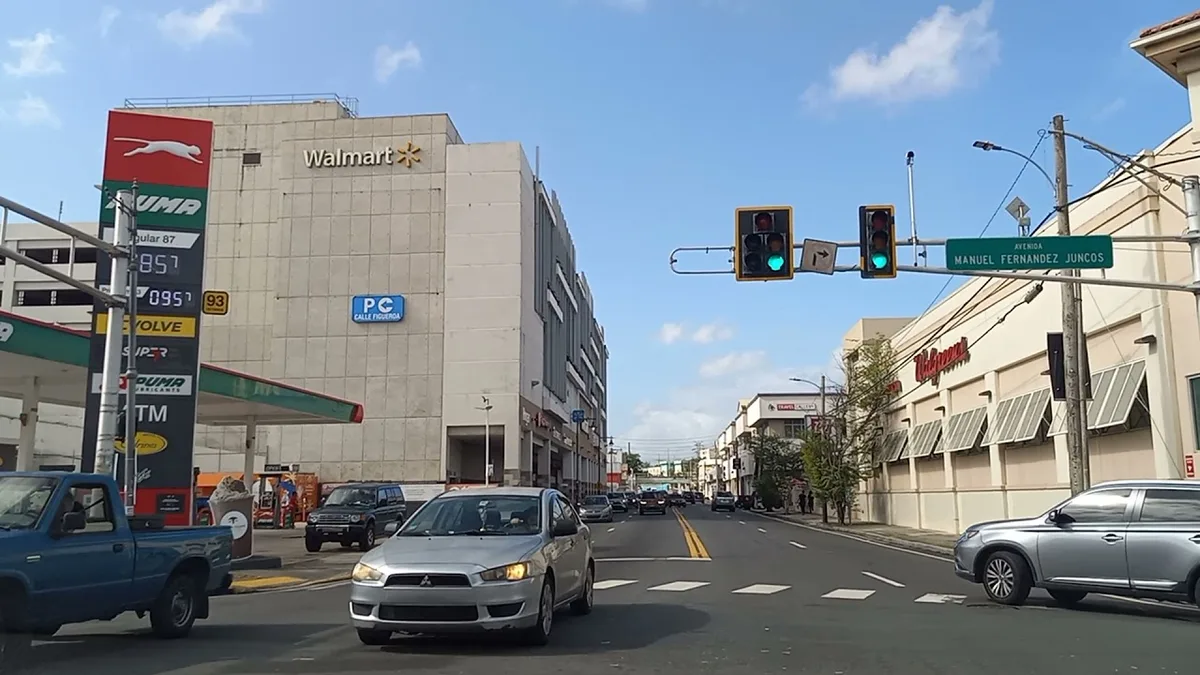
YouTube / Gilbert Montano (YouTube thumbnail (fair-use with source credit))
It’s also worth remembering that Puerto Rico’s vehicle fleet is smaller than most mainland states. Fewer cars mean less air pollution pressure.
What This Means for Vehicle Owners in Puerto Rico
The good news is that you avoid the hassle and expense of annual smog checks. There’s no appointment to schedule, no $30 to $80 fee, and no risk of failing because a check engine light is on.
For local drivers, this also means modifications are easier to get away with. Remove a catalytic converter, and nobody checks at registration. But that doesn’t mean it’s a good idea.
You’ll still face noise regulations if you drive on public roads, and the vehicle will pollute more.
When You Do Need an Emissions Test
Even with no statewide program, there are still situations where emissions testing pops up.
- Moving to a state that requires testing. Many states east of the Mississippi have some form of inspection. If you relocate to Maryland, for example, you’ll need to pass before you can register your car.
- Buying a used car from Puerto Rico. Some states require an emissions test before they’ll issue a new title.
- Using a vehicle commercially. Federal regulations require certain interstate commercial vehicles to meet emissions standards, even if they’re registered in Puerto Rico.
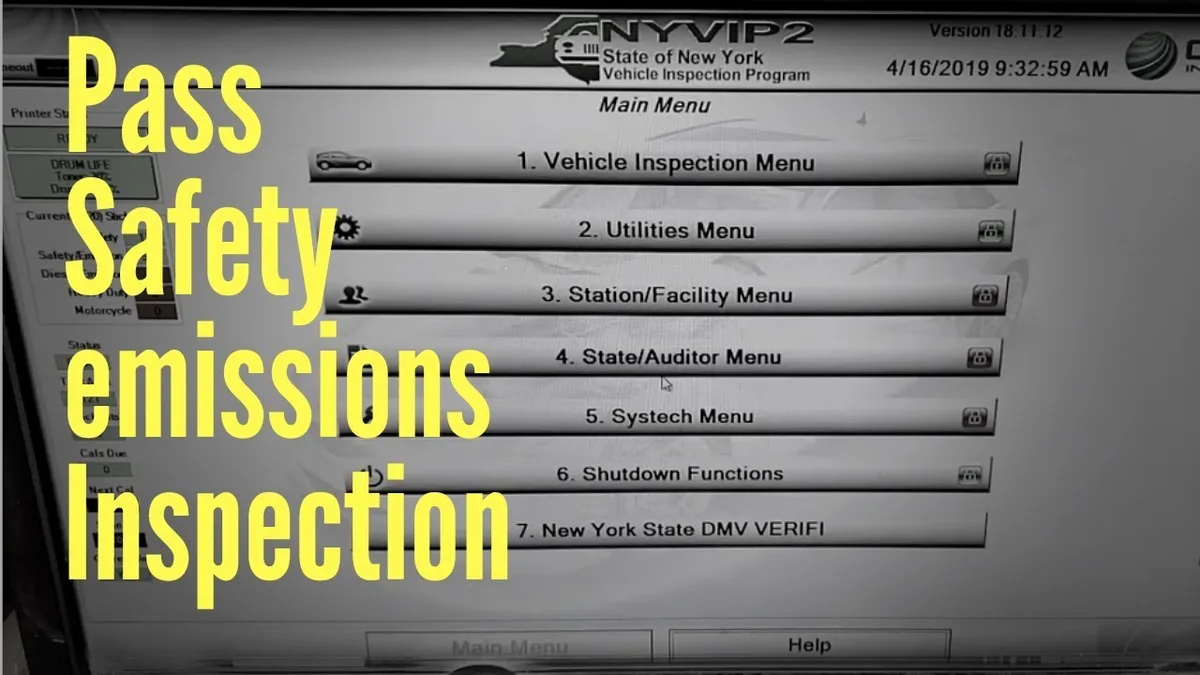
YouTube / Combustion Chamber (YouTube thumbnail (fair-use with source credit))
The key is to know your destination, not your origin. As long as you stay on the island, you’re fine. Once you head to a state with testing, you’ll need to plan ahead.
Moving Between Puerto Rico and States With Mandatory Testing
If you’re relocating to a state with emissions testing, your Puerto Rico-registered car will need to pass an inspection. Each state sets its own rules, but most require a test within 30 days of registration. Some states waive the test for brand-new vehicles, while others exempt older models.
YouTube / Crowley (YouTube thumbnail (fair-use with source credit))
The most common issue is a check engine light. If it’s on, your car will likely fail. Even if the light is off, the OBD-II system must show all monitors as "ready." If you’ve recently disconnected the battery or cleared codes, you may need to drive 100 to 200 miles to reset the monitors.
Some states also require a visual inspection of emissions components. If your catalytic converter is missing or tampered with, you’ll fail automatically.
Common Mistakes That Cost Puerto Rico Drivers
Assuming your car will pass an out-of-state test is the biggest mistake. Many vehicles in Puerto Rico have modified exhaust systems or inactive emissions monitors. These won’t cause problems locally, but they’ll trigger a failure in states like California or New York.
Another common error is ignoring a check engine light. In Puerto Rico, it’s easy to overlook. In a testing state, it’s an automatic rejection.
YouTube / Auto zone (YouTube thumbnail (fair-use with source credit))
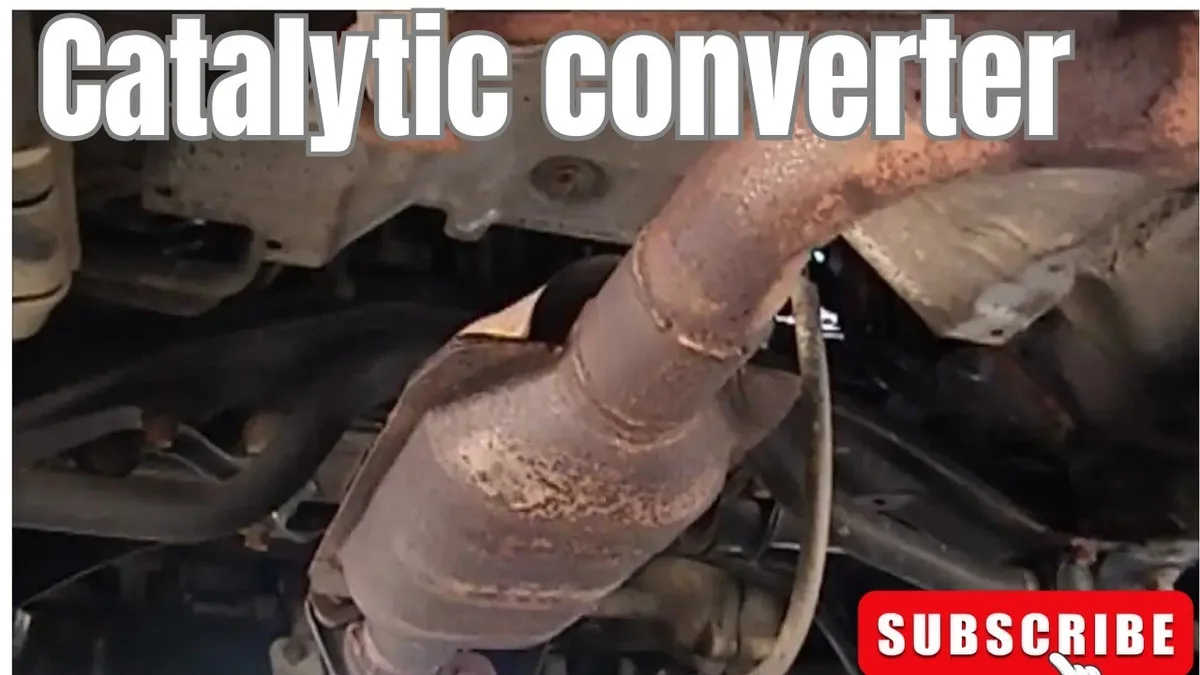
Waiting until the last minute to address problems is also risky. Some repairs, like replacing a catalytic converter, can cost $1,000 or more.
Puerto Rico vs. US States: Emissions Program Comparison
Puerto Rico stands out because it has no emissions testing at all. Most US states fall into one of three categories: no testing, annual testing, or biennial testing. A few states also test only in certain counties.
Here’s how Puerto Rico compares to a few key states:
| Location | Emissions Test Required? | Test Frequency | Exemptions |
|---|---|---|---|
| Puerto Rico | No | N/A | None |
| California | Yes | Biennial | Newer than 8 years, older than 30 |
| New York | Yes | Annual | Newer than 2 years, older than 25 |
| Texas | Yes (select counties) | Annual | Newer than 2 years, older than 24 |
| Florida | No | N/A | None |
States like California and New York have some of the strictest programs. Others, like Florida, have no testing at all, similar to Puerto Rico.
How to Check if Your Vehicle Would Pass an Emissions Test
The easiest way is to visit a local auto shop and ask for a pre-inspection. Many shops can run the same OBD-II scan that testing stations use. They’ll check for fault codes and verify that all emissions monitors are ready.
You can also do a quick check yourself. Plug an OBD-II scanner into the port under your dashboard. If the scanner shows any trouble codes, your car will likely fail.
Even without codes, check the monitor status. If any monitors show "not ready," you’ll need to drive the car until they reset.
A visual inspection is just as important. Look under the car for a catalytic converter. Check that all emissions-related hoses and sensors are connected.
What to Do If You’re Moving to a State That Requires Testing
Start by researching the requirements in your new state. Some states provide a list of approved testing stations. Others allow you to use any certified shop.
Know the deadlines, too. Most states give you 30 to 90 days to comply after establishing residency.
If your car has a check engine light, get it diagnosed and repaired before you move. The same goes for any missing emissions components. A pre-inspection can catch these issues early and give you time to fix them.
Once you arrive, schedule the test as soon as possible. Some states let you register your car temporarily while you complete the inspection. Others won’t issue plates until you pass.
FAQs About Puerto Rico Vehicle Inspections
Is Puerto Rico required to have emissions testing?
No. Puerto Rico is not required to have emissions testing. The EPA has not mandated a program for the island.
Do I need an emissions test to register a car in Puerto Rico?
You do not need an emissions test for registration in Puerto Rico. The island only requires a safety inspection.
Will my Puerto Rico car pass an emissions test in another state?
It depends on your vehicle’s condition. Many cars pass if they have no check engine light and all monitors are ready. Modified exhaust systems or missing components will cause failure.
How much does an emissions test cost in other states?
Most states charge between $30 and $80 per test. Some areas with stricter standards may charge up to $100.
Can I drive in Puerto Rico without an emissions inspection?
Yes. There is no emissions inspection in Puerto Rico. You only need to pass the annual safety check.
What should I do before moving to a state with emissions testing?
Get a pre-inspection at a local auto shop. Run an OBD-II scan to check for fault codes and monitor readiness. Repair any issues before you relocate.
Are there any exceptions to Puerto Rico’s no-testing rule?
No exceptions exist for standard passenger vehicles. Puerto Rico does not test emissions for any reason.
Does Puerto Rico have a smog check program?
Puerto Rico does not have a smog check program. The island relies solely on safety inspections.
Can I get my emissions system checked in Puerto Rico?
Yes. Some auto shops offer OBD-II diagnostics and emissions system inspections. These are voluntary and not required for registration.
What happens if my car fails an emissions test in another state?
You will need to make repairs and retake the test. Failure records are usually reported to the state DMV. Your vehicle may not be eligible for registration until it passes.